Care Guide for the Pearl Necklace Modern Baroque Keshi Trend 2025
Master the care and cleaning of your baroque and keshi pearl necklaces. Learn expert maintenance tips to protect nacre and silk threads.

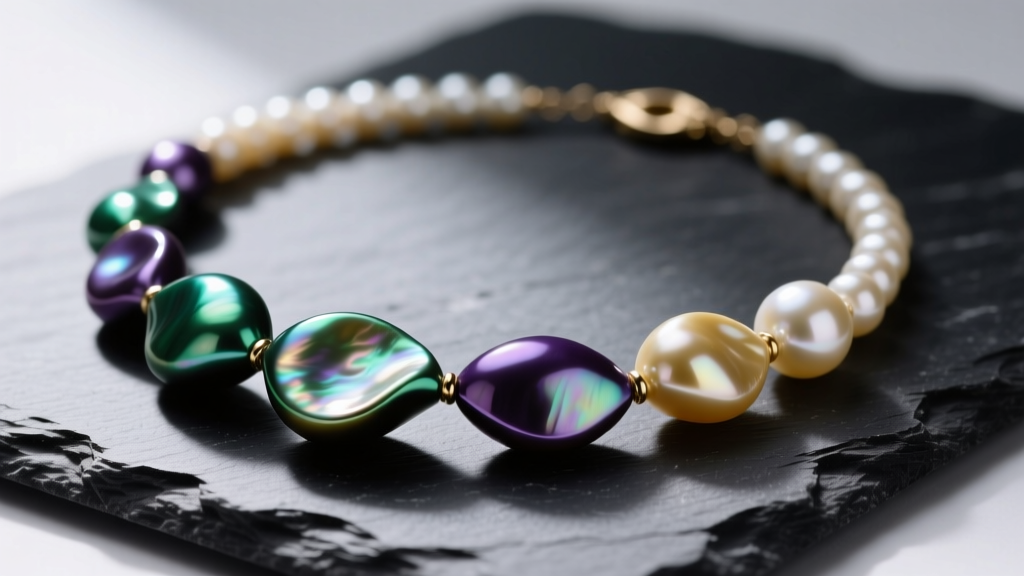
The Rise of Imperfection: Understanding Baroque and Keshi Nacre
The pearl necklace modern baroque keshi trend 2025 redefined luxury by embracing organic, asymmetrical shapes over perfectly round beads. But caring for these unique gems requires a departure from standard jewelry maintenance. Unlike traditional bead-nucleated pearls, keshi pearls are formed entirely of solid nacre, while modern baroque pearls feature exceptionally thick, uneven nacre layers over a nucleus. This structural difference means they possess a Mohs hardness of just 2.5 to 3.0, making them highly susceptible to micro-scratches and chemical etching.
Because keshi pearls lack a bead core, their luster is often deeper and more complex, but their solid nacre composition also means they can be slightly more porous at the surface ridges. According to the Gemological Institute of America (GIA), the calcium carbonate structure of nacre reacts violently to common household acids, meaning your cleaning approach must be meticulously gentle.
The Daily Wear Protocol: Prevention Over Cure
Maintenance begins the moment you clasp the necklace. Human sweat has a pH ranging from 4.5 to 7.0. When this mild acid sits on the ridges of a baroque pearl, it slowly dissolves the aragonite crystals, leading to a permanent loss of orient and luster.
- The Last On, First Off Rule: Always put your keshi pearl necklace on after applying cosmetics, perfumes, and hairspray. Alcohol and volatile oils can dry out the nacre.
- The 30-Minute Wipe: If you are sweating or in a high-humidity environment, gently wipe the pearls with a dry, lint-free microfiber cloth every few hours.
- Avoid the Kitchen: Never wear your baroque pearls while cooking. Vinegar, lemon juice, and even airborne cooking oils will degrade the silk thread and etch the pearl surface.
Furthermore, be highly cautious of chlorine exposure. Whether from a swimming pool or heavily treated tap water, chlorine is exceptionally destructive to organic gems. It attacks the conchiolin—the organic protein glue that holds the aragonite platelets together. Once the conchiolin degrades, the pearl's surface will begin to flake and peel, a catastrophic failure mode that no jeweler can repair. Always remove your necklace before showering, swimming, or using household cleaning products.
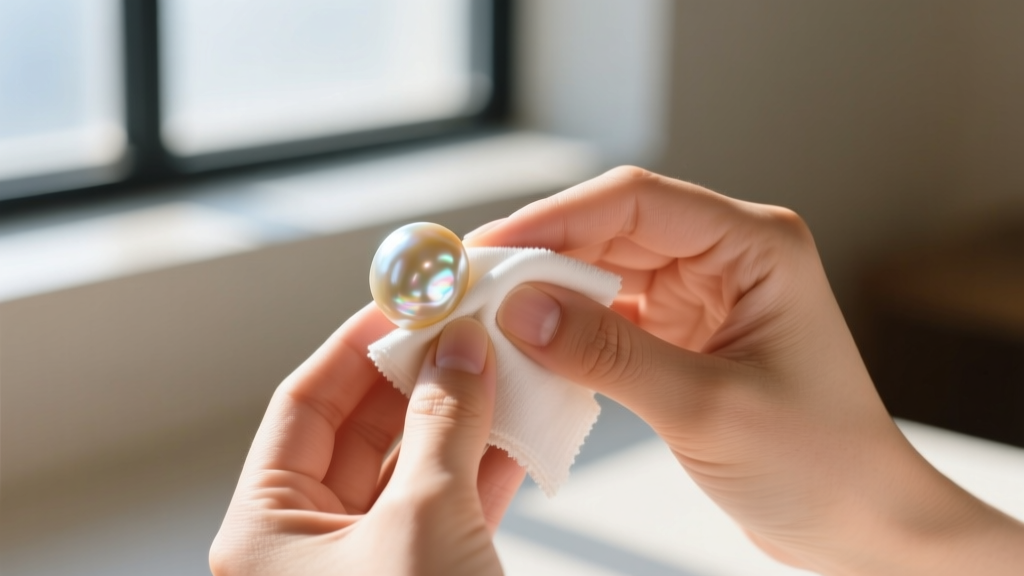
Step-by-Step Cleaning Routine for Keshi and Baroque Pearls
Forget ultrasonic cleaners, steamers, and commercial jewelry dips. Ultrasonic vibrations will literally shatter the delicate nacre layers of a keshi pearl, while chemical dips will strip the organic conchiolin that binds the aragonite platelets together.
- Prepare a Mild Solution: Mix a few drops of phosphate-free, unscented liquid castile soap into a bowl of lukewarm distilled water. Avoid tap water, as chlorine and fluoride can leave microscopic deposits in the baroque ridges.
- Dampen, Don't Soak: Dip a soft, lint-free microfiber cloth into the solution and wring it out until it is barely damp. Never submerge the necklace. Soaking weakens the silk thread and can cause the drill holes to expand or crack.
- Target the Crevices: Gently wipe each pearl, paying special attention to the deep grooves and asymmetrical ridges characteristic of the baroque and keshi shapes. Use a dry, soft-bristled makeup brush to gently sweep away debris from tight crevices.
- The Final Polish: Immediately dry the pearls with a separate, clean microfiber cloth. Allow the necklace to lay completely flat on a dry towel for at least 12 hours before storing.
Silk Thread Maintenance and Restringing Schedules
The pearl necklace modern baroque keshi trend 2025 heavily features hand-knotted silk threads, which are essential for preventing the asymmetrical pearls from grinding against one another. However, silk is a protein fiber that degrades with exposure to moisture, UV light, and body oils.
| Wear Frequency | Restringing Interval | Warning Signs |
|---|---|---|
| Daily Wear | Every 12-18 Months | Thread stretching, gaps between knots, discoloration |
| Weekly Wear | Every 2-3 Years | Fraying near the clasp, stiff or brittle thread |
| Occasional Wear | Every 4-5 Years | Silk shedding, loose knots, clasp misalignment |
Always ensure your jeweler uses French wire (also known as gimp) at the clasp ends to protect the silk from the metal findings. As noted by experts at Pearl Paradise, a stretched silk thread is a broken thread waiting to happen; never hang a pearl necklace by its clasp, as the weight of the baroque pearls will permanently stretch the wet or dry silk.
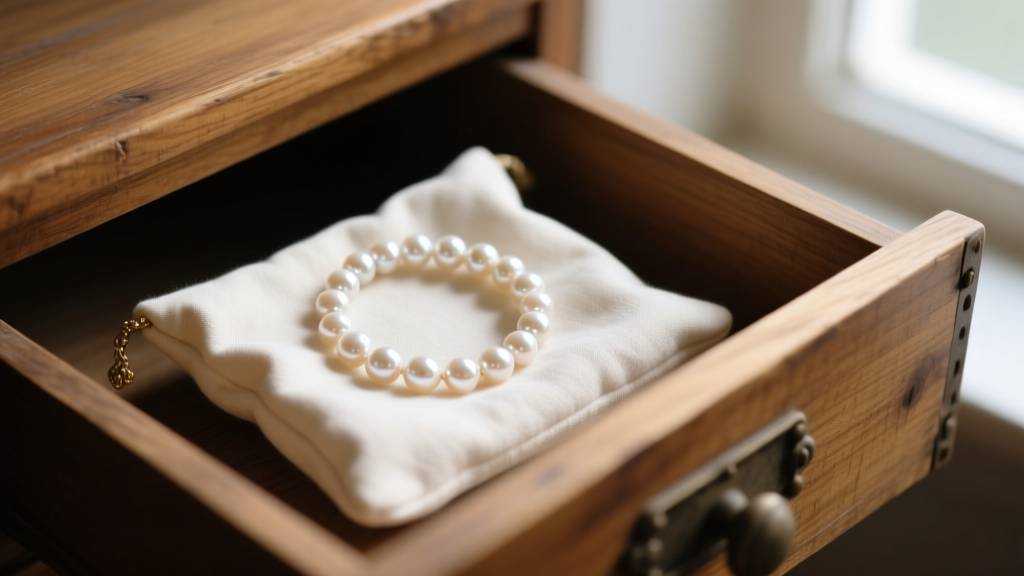
Storage Solutions: Avoiding the Dehydration Effect
Pearls are organic gems that contain roughly 2% water. Storing them in airtight plastic bags, safety deposit boxes, or overly dry environments will cause the nacre to dehydrate, leading to a chalky appearance and eventually, surface cracking (crazing).
To maintain the optimal 40% to 50% humidity level, store your keshi and baroque pearl necklaces in a breathable cotton or linen pouch. Keep them in a room with stable temperatures, far away from direct sunlight or heating vents. If you live in an exceptionally arid climate or use central heating heavily during winter, place a small, damp cotton ball in the corner of your jewelry box (not touching the pearls) to maintain ambient moisture.
Additionally, never store your pearl necklace tangled with harder gemstones or metals. Diamonds (Mohs 10), sapphires (Mohs 9), and even standard gold or platinum chains will easily gouge the delicate 2.5 Mohs nacre surface upon contact. Dedicate a specific, soft-lined compartment in your jewelry box exclusively for your organic gems to prevent accidental friction damage during transit or daily retrieval.
Identifying Nacre Damage and Early Warning Signs
Because baroque and keshi pearls have such complex, undulating surfaces, early signs of damage can easily hide within their natural ridges and grooves. It is crucial to inspect your necklace under bright, natural light every few months.
- Chalky Spots: If you notice dull, matte patches on the high points of the pearls, this indicates the outer layers of aragonite have been etched away by acids or cosmetics, exposing the less lustrous layers beneath.
- Micro-Crazing: Look closely for a network of tiny, hairline cracks. This is a sign of severe dehydration. Once crazing begins, it cannot be reversed, but it can be slowed by immediately correcting your storage humidity.
- Peeling or Flaking: While keshi pearls are solid nacre, bead-nucleated baroque pearls can experience nacre peeling if the bead core was poorly matched or if the pearl was subjected to extreme thermal shock.
Professional vs. DIY Polishing: What You Need to Know
A common misconception is that dull pearls can simply be polished back to life. Unlike metals, which can be buffed to remove scratches, a pearl's luster comes from the microscopic crystalline structure of its nacre. You cannot polish a pearl without removing nacre.
If your keshi pearls have lost their luster due to surface oils and minor etching, a professional jeweler specializing in organic gems can perform a very gentle, specialized tumble-polishing process using soft organic media. However, this should only be done sparingly. For 95% of maintenance, the damp microfiber cloth method outlined above is the absolute safest and most effective route. Never attempt to use baking soda, toothpaste, or any abrasive DIY pastes, as these will instantly scratch the 2.5 Mohs surface and permanently ruin the baroque texture.
Preserving the Trend for Decades
The shift toward imperfect, organic shapes in fine jewelry is more than a fleeting aesthetic; it is a return to appreciating nature's raw artistry. By understanding the unique structural vulnerabilities of solid-nacre keshi and thick-nacre baroque pearls, you can ensure your pieces remain luminous. Treat them with the respect their organic origins demand, and they will outlast the trend cycles, becoming true heirloom pieces.


