Coach Cherry Necklace Materials: Enamel vs Brass Guide
An expert material analysis of the Coach cherry necklace, comparing gold-plated brass, cold enamel, and pavé crystals to fine jewelry.

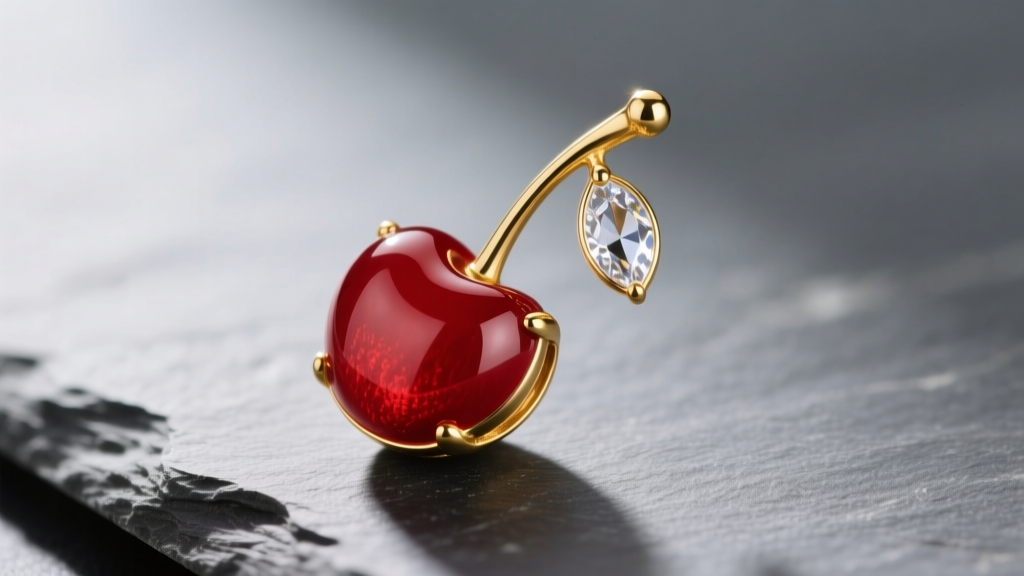
The coach cherry necklace has cemented itself as a defining staple in contemporary fashion jewelry, beloved for its playful motif and accessible luxury positioning. However, as collectors and everyday wearers navigate the 2026 archival and pre-owned jewelry markets, understanding the exact metallurgical and material properties of this piece is critical. Unlike solid gold heirlooms, fashion jewelry relies on a complex layering of base metals, electroplating, and synthetic color fills to achieve its aesthetic. This guide provides a deep-dive material comparison of the Coach cherry necklace, breaking down its core components against fine jewelry alternatives to help you understand its longevity, failure modes, and true material value.
The Anatomy of the Coach Cherry Necklace
To accurately assess the durability and care requirements of the Coach cherry necklace, we must first deconstruct its material anatomy. The standard iteration of this pendant features three primary material zones: a gold-toned brass base metal, a cold enamel color fill (the cherry body), and pavé-set synthetic crystals (the stem and leaves). Each of these materials possesses distinct chemical properties, Mohs hardness ratings, and environmental vulnerabilities that dictate how the necklace ages over time.
Base Metal Breakdown: Gold-Toned Brass vs. Solid Alloys
The foundation of the Coach cherry necklace is a brass alloy, typically composed of 60-70% copper and 30-40% zinc. Brass is favored in fashion jewelry for its excellent malleability, low melting point, and ability to take a high polish. However, bare brass is highly susceptible to oxidation and tarnishing when exposed to the sulfur and moisture in human sweat.
To prevent this, the brass core is electroplated with a gold-tone finish. It is vital to distinguish this from solid karat gold or heavy gold vermeil. According to the Federal Trade Commission’s Jewelry Guides, standard gold electroplating on fashion jewelry is often less than 0.5 microns thick (sometimes referred to as a 'gold wash'). This microscopic layer is sufficient for initial brilliance but is highly vulnerable to friction and chemical degradation.
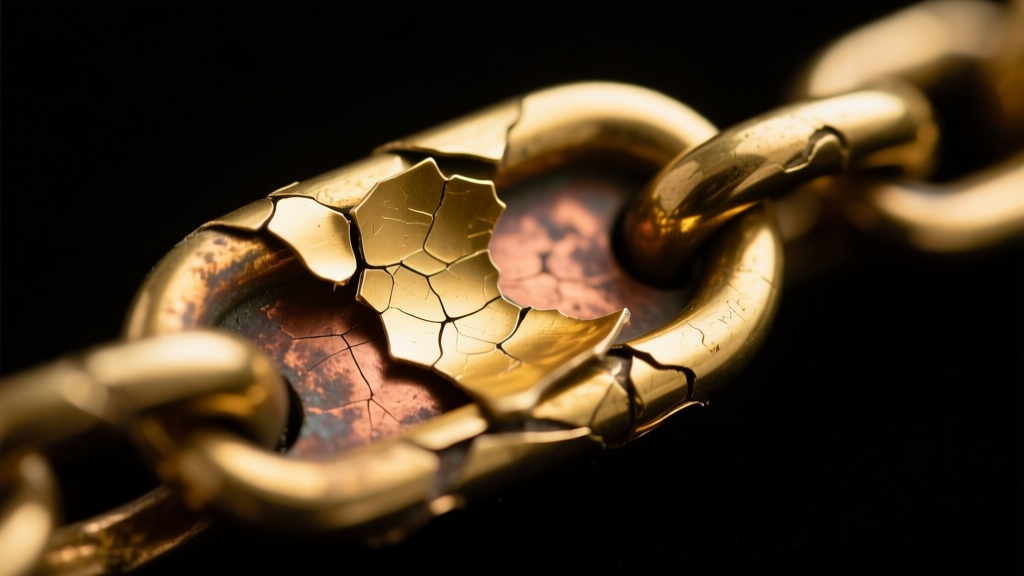
The Failure Mode: Dezincification and Plating Wear
When the micron-thin gold plating wears away at high-friction points (such as the clasp or the bail connecting the cherry pendant to the chain), the underlying brass is exposed. In the presence of moisture and chlorides (from pool water or heavy perspiration), brass can undergo dezincification—a localized corrosion process where the zinc leaches out of the alloy, leaving behind a porous, copper-rich structure that appears dark and brittle. This is why proper storage and moisture control are non-negotiable for preserving the chain's integrity.
The Cherry Motif: Cold Enamel vs. Vitreous Glass
The vibrant, opaque red of the cherry pendant is achieved using cold enamel. Despite the name, cold enamel is not traditional glass enamel; it is a two-part epoxy resin (typically based on bisphenol A diglycidyl ether) that polymerizes at room temperature.
Material Properties and UV Degradation
While cold enamel provides a flawless, high-gloss finish without the risk of thermal shock associated with kiln-fired vitreous enamel, it has significant material drawbacks. On the Mohs scale of mineral hardness, cured epoxy resin ranks between 2.0 and 3.0, making it highly susceptible to micro-scratches from everyday dust (which contains quartz, ranking at 7.0). Furthermore, the organic pigments used to create the signature cherry red are vulnerable to ultraviolet (UV) radiation. Prolonged exposure to direct sunlight can break down the chemical bonds in the pigment, leading to noticeable fading or yellowing over a 3-to-5-year period.
In contrast, high-end artisan jewelry utilizes vitreous enamel (fused silica glass), which ranks at 5.0 to 6.0 on the Mohs scale and uses inorganic metal oxides for color, rendering it entirely UV-stable. For a comprehensive look at the history and material science of enameling in jewelry, the Gemological Institute of America (GIA) offers extensive research on the transition from ancient vitreous techniques to modern synthetic alternatives.
Accent Stones: Pavé Crystals vs. Natural Alternatives
The stem and leaf accents on the necklace are typically set with pavé crystals or cubic zirconia (CZ). These synthetic stones are chosen for their high refractive index (CZ sits at 2.15–2.18, closely mimicking a diamond's 2.42) and flawless clarity. However, CZ is slightly softer than natural ruby (the traditional fine-jewelry equivalent for a red cherry motif). While CZ ranks at 8.0 to 8.5 on the Mohs scale, it lacks the distinct cleavage planes and toughness of natural corundum (ruby, Mohs 9.0), making the pavé accents prone to chipping if the pendant is dropped on a hard surface like porcelain or granite.
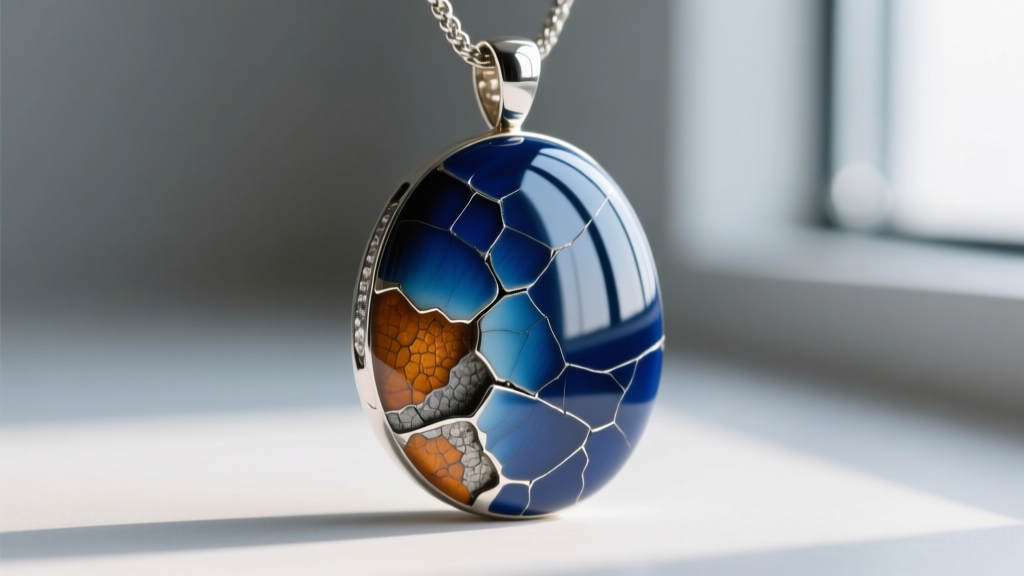
Material Comparison Matrix
To contextualize the Coach cherry necklace within the broader jewelry market, the table below compares its core materials against fine jewelry equivalents across critical durability metrics.
| Material Component | Coach Cherry Necklace (Fashion) | Fine Jewelry Equivalent | Mohs Hardness | Expected Lifespan (Daily Wear) |
|---|---|---|---|---|
| Base Metal | Gold-Plated Brass (<0.5μm) | Solid 14k or 18k Gold | 3.0 (Brass) / 2.5 (Gold) | 1-3 Years (Plating) vs. Lifetime |
| Color Fill | Cold Enamel (Epoxy Resin) | Vitreous Enamel (Fused Glass) | 2.0 - 3.0 vs. 5.0 - 6.0 | 2-5 Years (UV/Scratch risk) vs. Generations |
| Accent Stones | Pavé Crystal / Cubic Zirconia | Natural Ruby / Sapphire | 8.0 - 8.5 vs. 9.0 | 5+ Years (Edge chipping risk) vs. Lifetime |
Longevity and Care Protocols for Plated Brass & Enamel
Because the materials used in the Coach cherry necklace require specific maintenance to prevent accelerated degradation, standard jewelry cleaning methods must be strictly avoided.
- Never Use Ultrasonic Cleaners: The high-frequency vibrations will shatter the epoxy resin cold enamel and dislodge the delicate pavé crystals from their glued or micro-prong settings.
- Avoid Chemical Solvents: Acetone, alcohol, and commercial silver dips will dissolve the polymer chains in the cold enamel, resulting in a cloudy, permanently damaged finish, and will strip the gold plating from the brass core.
- Proper Cleaning Technique: Use only a lint-free microfiber cloth lightly dampened with distilled water and a pH-neutral soap to wipe away skin oils. Dry immediately to prevent water spotting on the brass.
- Storage Environment: Store the necklace in an airtight anti-tarnish bag with a silica gel desiccant packet to halt copper oxidation and prevent the epoxy resin from absorbing ambient humidity, which can cause micro-cracking.
Final Verdict: Fashion Jewelry vs. Heirloom Investment
The Coach cherry necklace is a masterclass in accessible design, utilizing gold-plated brass and cold enamel to deliver high-impact aesthetics at a fraction of the cost of fine jewelry. However, from a strict material science perspective, it is an ephemeral piece. The microscopic gold plating, UV-sensitive epoxy resin, and softer synthetic stones dictate that this necklace is best reserved for occasional or seasonal wear rather than daily, lifelong use. By understanding the exact properties of its brass core and resin fills, owners can implement targeted care protocols that maximize the pendant's vibrant lifespan well into the future.


