How to Clean a Chunky Silver Cross Necklace: Expert Care Guide
Learn how to clean, polish, and store your chunky silver cross necklace. Expert tips to remove stubborn tarnish and protect heavy sterling silver.
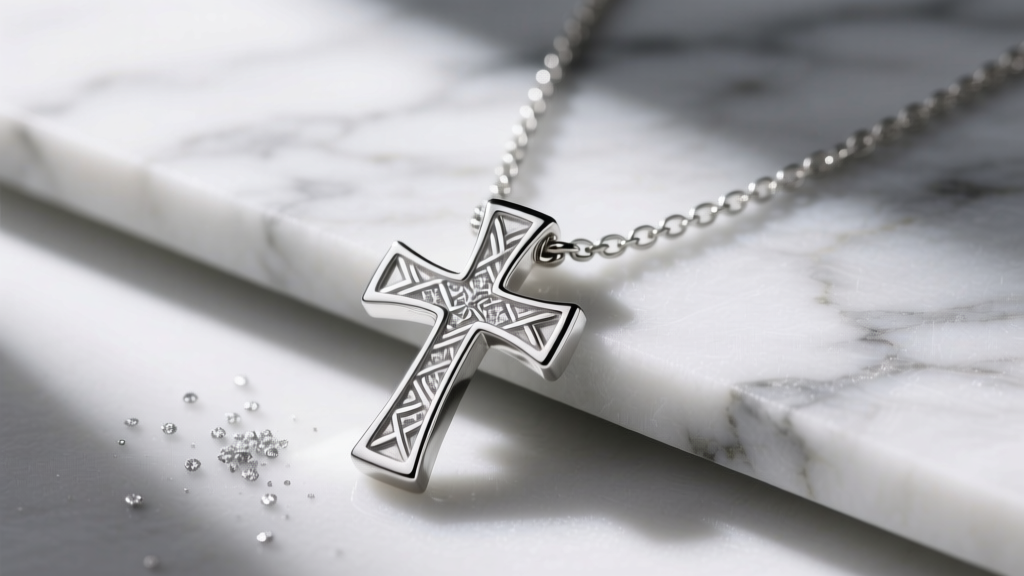

A chunky silver cross necklace is a definitive statement piece. Whether you favor a heavy, high-polish Catholic crucifix, an ornate gothic Celtic cross, or a minimalist but thick geometric design, the sheer mass of these pendants—often weighing between 30 and 80 grams—makes them a focal point of any wardrobe. However, that same substantial surface area, combined with the pendant’s resting place on the sternum, turns these necklaces into magnets for tarnish, sebum, and environmental pollutants.
Cleaning heavy silver jewelry requires more than a quick wipe with a cloth. Improper techniques can strip intentional antiquing, scratch high-polish finishes, or loosen heavy gemstone inlays. This comprehensive guide details the exact metallurgical science, cleaning protocols, and storage frameworks required to maintain a heavy silver cross pendant and its accompanying thick chain.
The Chemistry of Heavy Silver Tarnish
To effectively clean your necklace, you must first understand what you are actually removing. Silver does not rust; it tarnishes. When sterling silver is exposed to sulfur compounds in the atmosphere, human sweat, or even certain foods (like eggs and onions), it undergoes a chemical reaction to form silver sulfide (Ag2S).
Chunky crosses are particularly susceptible to rapid tarnishing for three specific reasons:
- Sternum Placement: The pendant rests against the chest, an area prone to sweating and sebum production. The natural acidity and sulfur content in human sweat accelerate the Ag2S reaction.
- Surface Area & Crevices: Ornate crosses feature deep filigree, grooves, and beveled edges. These microscopic valleys trap dead skin cells, lotions, and sulfur-heavy dust, creating localized tarnish hotspots.
- Copper Content: Pure silver is too soft for heavy jewelry. Sterling silver (.925) contains 7.5% copper. It is actually the copper alloy that oxidizes and causes the dark, blackish-purple tarnish layer you see on your cross.
Assessing Your Cross’s Finish: The Critical First Step
Before applying any cleaning agent, you must identify the finish of your cross. This single assessment will dictate your entire cleaning strategy.
1. High-Polish Finishes
If your cross is meant to be entirely bright, reflective, and mirror-like, you can safely use liquid electrolyte baths and mild abrasive polishes to restore the shine.
2. Intentionally Oxidized (Antiqued) Finishes
Many heavy gothic, Celtic, or vintage-style crosses use intentional oxidation. Jewelers apply liver of sulfur to the piece, turning the recessed areas black while polishing the raised edges to a bright shine. This creates dramatic contrast. Warning: If you use a commercial silver dip or an aggressive electrolyte bath on an antiqued cross, you will strip the black oxidation from the crevices, leaving the piece looking flat, washed-out, and ruined.
The Electrochemical Reduction Bath (For High-Polish Crosses)
For high-polish chunky crosses without glued-in gemstones (like onyx or turquoise), the electrochemical bath is the safest, most thorough way to remove heavy black tarnish without removing microscopic layers of silver.

Step-by-Step Protocol
- Prepare the Vessel: Line a glass or ceramic bowl with aluminum foil, shiny side facing up. The aluminum will act as a sacrificial anode.
- The Catalyst: Add 1 tablespoon of baking soda (sodium bicarbonate) and 1 tablespoon of non-iodized sea salt.
- Activation: Pour boiling water into the bowl to dissolve the powders. You will see immediate bubbling.
- Submersion: Using wooden or plastic tongs (never metal, which disrupts the ion transfer), lower your silver cross and chain into the solution. Ensure the silver physically touches the aluminum foil.
- The Ion Transfer: Leave the piece submerged for 3 to 5 minutes. You will likely smell a faint "rotten egg" odor—this is hydrogen sulfide gas releasing as the sulfur leaves the silver and bonds to the aluminum.
- Rinse & Dry: Remove the necklace, rinse thoroughly under warm distilled water, and pat dry with a lint-free microfiber cloth.
Mechanical Polishing for Antiqued & Intricate Crosses
If your cross features intentional oxidation or deep recesses that the bath couldn't reach, mechanical polishing is required. Avoid harsh dips; instead, use targeted friction.
- For Raised Edges: Use a treated silver polishing cloth (like a Sunshine Cloth) to gently buff only the raised, high-polish areas of the cross. The mild abrasive embedded in the cloth will remove tarnish without digging into the darkened crevices.
- For Stubborn Crevices: Dip a wooden cotton swab or a soft horsehair detailing brush into a small amount of Godard’s Silver Polish or Flitz Multi-Purpose Polish. Gently work the paste into the grooves, then wipe away the residue with a damp microfiber towel.
Don't Forget the Heavy Chain
A chunky cross is usually paired with a thick chain (3mm to 6mm Rope, Cuban, or Figaro links). These chains trap immense amounts of dead skin and body oils between the interlocking links. Before polishing, degrease the chain by soaking it in a bowl of warm water with a few drops of Dawn dish soap for 15 minutes. Agitate it with a soft-bristled baby toothbrush, rinse, and dry completely. Polishing a greasy chain simply smears the tarnish around.
Silver Metallurgy: Grades and Tarnish Resistance
Understanding the specific silver grade of your necklace helps predict its maintenance needs. According to hallmarking standards verified by the Assay Office, here is how different grades behave:
| Silver Grade | Composition | Tarnish Profile & Care Notes |
|---|---|---|
| .999 Fine Silver | 99.9% Silver | Highly tarnish-resistant but too soft for chunky crosses. Rarely used for heavy pendants. |
| .925 Sterling | 92.5% Silver, 7.5% Copper | The industry standard. The copper content causes standard dark tarnish. Requires regular polishing. |
| .900 Coin Silver | 90.0% Silver, 10% Copper | Common in vintage crosses. Higher copper content means it tarnishes faster and requires more frequent care. |
| Argentium Silver | 93.5%+ Silver, Germanium | Replaces copper with germanium. Highly tarnish-resistant and maintains a bright white luster for years. |
Long-Term Storage & Humidity Control
How you store your chunky silver cross necklace when it is not being worn is just as important as how you clean it. Tarnish requires moisture and sulfur to form. By controlling the micro-environment of your storage, you can reduce cleaning frequency by up to 80%.

The Optimal Storage Framework
- The Barrier: Store the necklace in an airtight polyethylene zip-lock bag. Avoid PVC plastics or standard jewelry box felt, which often contain sulfur-based dyes and adhesives that accelerate tarnishing.
- The Interceptor: Drop a 3M Anti-Tarnish Strip into the bag. These strips use a specialized copper-based resin to absorb ambient sulfur gases before they can reach your silver.
- The Desiccant: Include a small silica gel packet to keep the relative humidity (RH) inside the bag below 50%. Tarnish reactions stall significantly in low-humidity environments.
- The Wrapping: For ultimate protection, wrap the cross in a Pacific Silvercloth before bagging. This specialized flannel is embedded with microscopic silver particles that act as a sacrificial shield, absorbing sulfur so your necklace doesn't have to.
Common Maintenance Disasters to Avoid
When dealing with heavy, expensive silver jewelry, well-meaning but incorrect home remedies can cause irreversible damage. Avoid these common pitfalls:
- Toothpaste: Toothpaste contains hydrated silica, a harsh abrasive. While it may remove tarnish, it leaves microscopic scratches in the silver. These scratches increase the surface area and create microscopic pockets that will trap sulfur, causing the cross to tarnish faster in the future.
- Commercial Silver Dips (Thiourea-based): Liquid dips like Tarn-X work instantly, but they rely on thiourea, a toxic chemical that strips silver at a microscopic level. Over time, dips leave the silver surface porous and prone to severe, rapid re-tarnishing.
- Ultrasonic Cleaners: While great for plain metal, never put a chunky cross with inlaid stones (like onyx, lapis lazuli, or turquoise) into an ultrasonic bath. The high-frequency vibrations can shatter brittle stones or dissolve the epoxy adhesives used in heavy gothic settings.
For more foundational knowledge on precious metal maintenance, the Gemological Institute of America (GIA) provides excellent baseline guidelines on silver care. By respecting the metallurgy of your piece and adopting a proactive, chemistry-based cleaning routine, your chunky silver cross necklace will retain its heavy, lustrous presence for decades.