Soy Luna Necklace Troubleshooting: Fix Tarnish & Broken Chains
Is your Soy Luna necklace turning green or breaking? Discover expert troubleshooting for tarnished plating, broken chains, and clasp repairs.

The Aging of a Pop Culture Icon: Why Your Necklace Needs Help
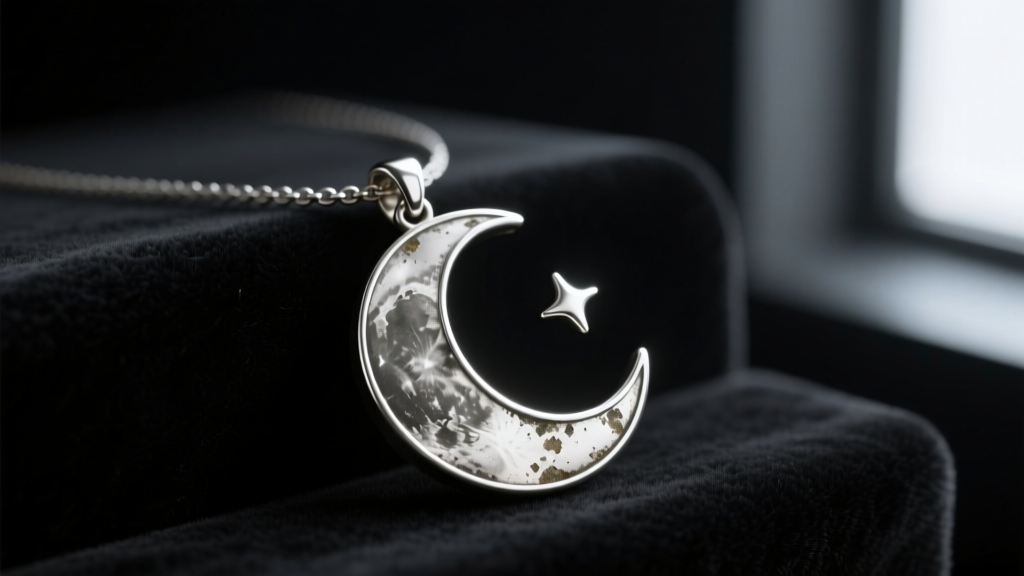
As we navigate 2026, official Disney merchandise from the hit Latin American telenovela Soy Luna (which originally aired from 2016 to 2018) is now approaching a decade old. For fans who have held onto their prized moon, sun, and heart pendants, the reality of costume jewelry aging has set in. The once-bright silver-tone and gold-tone finishes are likely showing signs of oxidation, the chains may be snapping at the jump rings, and the acrylic gemstones might look cloudy.
Troubleshooting a Soy Luna necklace requires an understanding of its underlying metallurgy. Most official and licensed replica pieces were manufactured using Zamak (a zinc alloy base) with a microscopic "flash" plating of silver or gold, often layered over a copper or nickel undercoat. When this thin plating wears away, the base metals react with the environment. Below is your comprehensive, expert-level guide to diagnosing, repairing, and preserving your beloved pendant.
Diagnostic Chart: Identifying Your Necklace's Damage
Before applying any chemicals or tools, you must correctly identify the failure mode. Use this diagnostic table to pinpoint the exact issue with your necklace.
| Visual Symptom | Underlying Cause | Required Solution |
|---|---|---|
| Green/black residue on skin | Copper/nickel undercoat reacting to sweat chlorides | Seal with ProtectaClear or Renaissance Wax |
| Flaking or peeling metal | Flash plating delamination due to moisture exposure | Gentle buffing and permanent clear-coat sealing |
| Pendant detaching from chain | Soft alloy jump ring fatigued and snapped open | Replace with 20-gauge stainless steel jump ring |
| Cloudy or scratched "gems" | Acrylic/resin stones micro-scratched by harsh fabrics | Novus plastic polish and microfiber buffing |
Problem 1: The "Green Skin" Effect & Flaking Plating
The most common complaint with aging fashion jewelry is the dreaded green ring left on the collarbone. This is not an allergic reaction to the top layer of metal, but rather a galvanic reaction. The sweat on your skin contains urea and sodium chloride, which aggressively corrode the copper or brass undercoat once the microscopically thin silver or gold flash plating wears through.
How to Stop the Tarnish and Skin Discoloration
Do not attempt to re-plate a Zamak alloy necklace at home; the chemical baths used in electroplating will melt or severely pit the zinc base. Instead, you must encapsulate the pendant in a museum-grade sealant.
- Clean the Surface: Wipe the pendant with a lint-free cloth dampened with isopropyl alcohol (90% or higher) to remove skin oils and existing oxidation. Let it dry completely for 15 minutes.
- Apply a Barrier Coat: Use a specialized jewelry coating like Everbrite ProtectaClear or Renaissance Wax. Apply a single, ultra-thin layer using a foam brush. According to conservation standards cited by the Gemological Institute of America (GIA), micro-crystalline waxes are excellent for sealing porous base metals without altering their visual luster.
- Cure Time: Allow the sealant to cure in a dust-free environment for at least 24 hours before wearing.
Problem 2: Broken Jump Rings and Chain Snaps
The chains included with licensed TV merchandise are typically delicate 1.2mm to 1.5mm cable chains. The weak point is almost always the jump ring connecting the chain to the pendant bail. Factory-installed jump rings on costume jewelry are often made of soft, low-grade brass that suffers from metal fatigue, eventually snapping open under the pendulum weight of the heavy Zamak moon or heart charms.
Step-by-Step Jump Ring Replacement
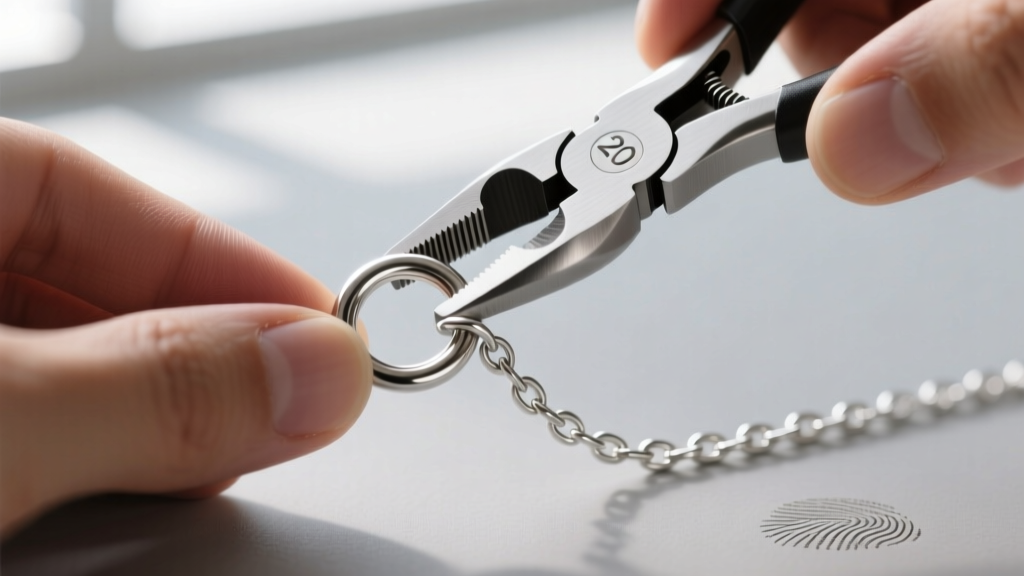
To permanently fix this, you need to upgrade the hardware. According to the hardware guides at Fire Mountain Gems, understanding wire gauge is critical for chainmail and jump ring integrity. You will need a pair of flat-nose pliers, chain-nose pliers, and a pack of 20-gauge (0.8mm) stainless steel or sterling silver jump rings with a 4mm outer diameter.
- Step 1: Grip the broken factory jump ring with your chain-nose pliers and carefully twist it open. Never pull the ends apart laterally, as this warps the circle.
- Step 2: Remove the damaged ring and discard it.
- Step 3: Take your new 20-gauge stainless steel jump ring. Grip it with two pairs of pliers on opposite sides of the split.
- Step 4: Twist one hand forward and one hand backward to open the ring. Slide the pendant bail and the two end-links of your cable chain onto the ring.
- Step 5: Twist the ring closed until you hear and feel a subtle "click" or "snap," indicating the ends are perfectly flush and flush against each other.
Problem 3: Cloudy Acrylic "Gems" and Enamel Chips
Many Soy Luna pendants feature inset acrylic or resin stones designed to mimic moonstones or amber, as well as painted enamel details. Over years of wear, acrylic develops a network of micro-scratches that trap dead skin cells and lotion, making the stone look permanently cloudy.
Restoring Acrylic Clarity
Never put costume jewelry with glued-in acrylic stones into an ultrasonic cleaner. The high-frequency cavitation bubbles will shatter the resin and dissolve the cheap cyanoacrylate adhesives holding the stones in the bezel. Instead, use a dedicated plastic polish like Novus 2 (Fine Scratch Remover).
Apply a single drop of the polish to a clean, optical-grade microfiber cloth. Buff the acrylic stone in tight, circular motions for about 60 seconds. The mild abrasives in the polish will level out the micro-scratches without generating enough heat to melt the plastic. Wipe away the residue with a damp cloth to reveal a glass-like finish.
Long-Term Storage & Maintenance Protocol
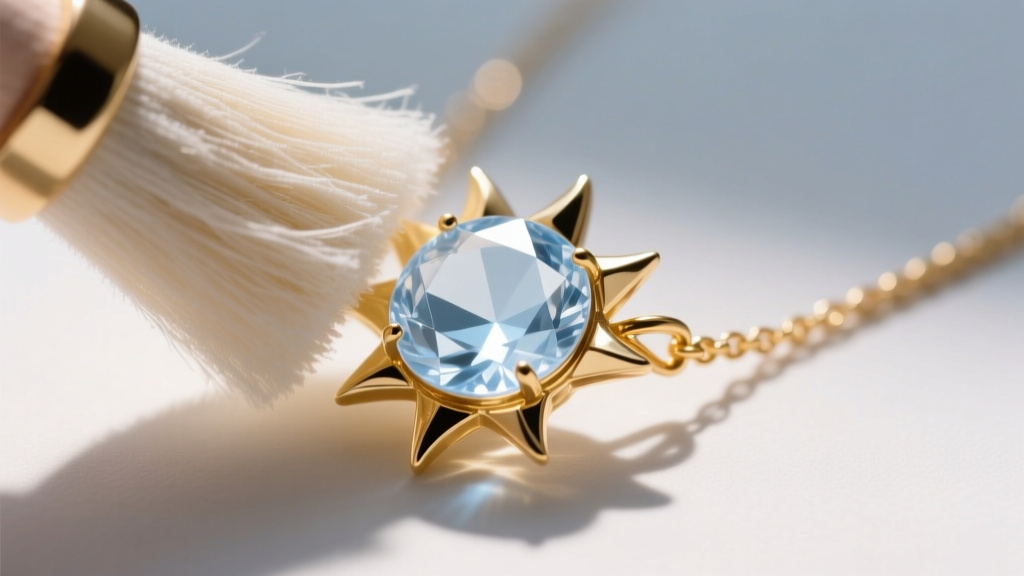
If you are not wearing your Soy Luna necklace daily, how you store it will dictate whether it survives another decade. Zinc alloys are highly susceptible to "zinc pest" and rapid oxidation when exposed to fluctuating humidity.
- Silica Gel Packets: Always store the necklace in an airtight polyethylene ziplock bag with a fresh 5-gram silica gel desiccant packet to maintain a near-zero humidity microclimate.
- Anti-Tarnish Strips: Include a 3M anti-tarnish strip in the bag. These strips absorb airborne sulfur compounds that cause silver-tone flash plating to turn black.
- Avoid Cardboard: Never store fashion jewelry in cardboard boxes or wooden drawers. The off-gassing of acids and adhesives from wood and paper products will aggressively accelerate the corrosion of base metals.
By understanding the specific material vulnerabilities of your Soy Luna necklace and applying these targeted conservation techniques, you can ensure that this piece of television history remains a pristine, wearable keepsake for years to come.


