Expert Guide: How to Clean & Maintain an ASL Necklace
Learn how to safely clean and maintain your ASL necklace. Expert tips for removing tarnish and dirt from intricate I Love You hand sign pendants.

The Unique Maintenance Challenges of an ASL Necklace
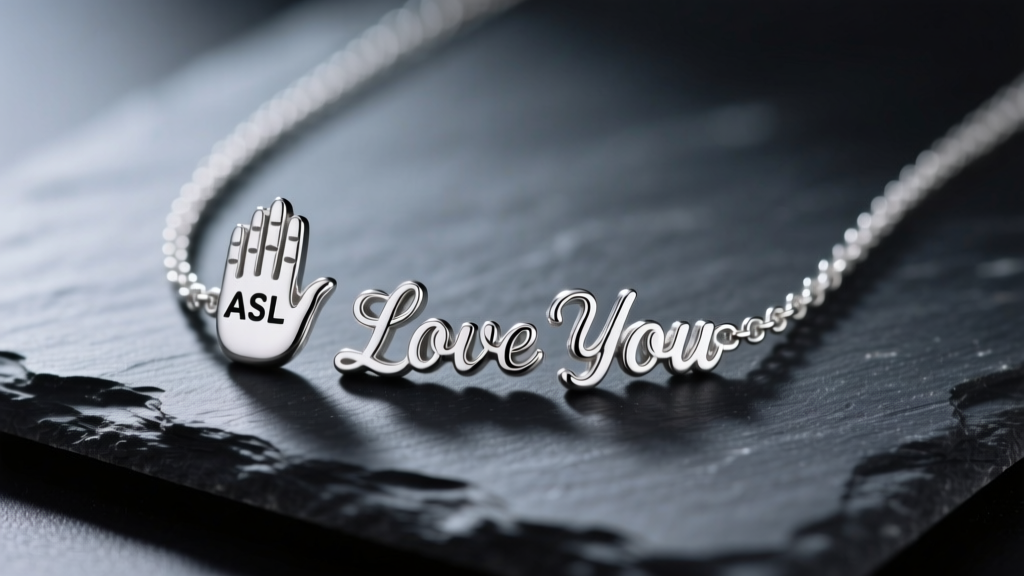
An ASL necklace, universally recognized by the American Sign Language 'I Love You' (ILY) hand sign, is more than just a piece of jewelry; it is a profound symbol of connection, empathy, and love. However, from a metallurgical and gemological perspective, the intricate geometry of the ILY pendant presents distinct maintenance challenges. The extended thumb, index finger, and pinky create deep, narrow channels—often measuring less than 1.5 millimeters in width on standard-sized pendants. These micro-crevices act as traps for sebum (skin oils), dead epidermal cells, cosmetic residues, and environmental dust.
Furthermore, the folded middle and ring fingers create recessed shadow lines that standard jewelry polishing cloths simply cannot reach. If left uncleaned, this accumulated debris not only dulls the high-polish finish but can also accelerate localized corrosion, particularly in sterling silver alloys. According to the Gemological Institute of America (GIA), regular removal of these microscopic contaminants is essential to preserving the structural integrity and optical brilliance of fine jewelry. This comprehensive guide provides material-specific, actionable protocols for maintaining your ASL necklace in pristine condition throughout 2026 and beyond.
Material-Specific Cleaning Protocols
The cleaning methodology you employ must be strictly dictated by the base metal and surface treatment of your ASL pendant. Using the wrong technique can strip plating, induce micro-scratches, or cause irreversible chemical reactions.
Sterling Silver (925) ASL Pendants
Sterling silver is an alloy consisting of 92.5% silver and 7.5% copper. The copper provides structural hardness but is highly susceptible to oxidation, forming silver sulfide (tarnish) when exposed to sulfur compounds in the air and human sweat. For sterling silver ASL necklaces, avoid abrasive pastes like baking soda, which will scratch the soft silver surface and leave a matte, cloudy finish in the deep crevices of the hand sign. Instead, rely on mild, phosphate-free surfactants and ultra-soft bristle agitation.
Gold Vermeil and Plated Options
Gold vermeil requires the most delicate care. By industry standards, vermeil consists of a sterling silver base plated with a minimum of 2.5 microns of gold. The crevices of an ASL pendant are high-friction zones if they rub against the skin or clothing, meaning the gold layer in these recesses can wear thin over time. Never use ultrasonic cleaners or chemical silver dips on vermeil; the cavitation bubbles and harsh thiourea chemicals will strip the gold plating down to the silver core in minutes.
Surgical Steel and Titanium
For hypoallergenic ASL necklaces crafted from 316L surgical stainless steel or Grade 23 titanium, maintenance is remarkably straightforward. These metals possess a passive chromium oxide layer that renders them virtually impervious to tarnish and water damage. You can safely use slightly more robust cleaning agents, including isopropyl alcohol, to cut through heavy lotion buildup without fearing chemical degradation of the metal.
Step-by-Step Deep Cleaning Guide
To safely extract debris from the tight spaces between the extended fingers of your ASL pendant, follow this precise, four-step deep cleaning protocol. This method is safe for sterling silver, gold vermeil, and steel, provided the pendant does not feature porous gemstones like pearls or opals.
- The Pre-Soak: Fill a small glass bowl with warm (not hot) distilled water and add three drops of a mild, pH-neutral dish soap (such as Dawn). Submerge the ASL necklace and let it soak for exactly 10 to 15 minutes. This hydrates and softens hardened sebum and cosmetic residues trapped between the fingers.
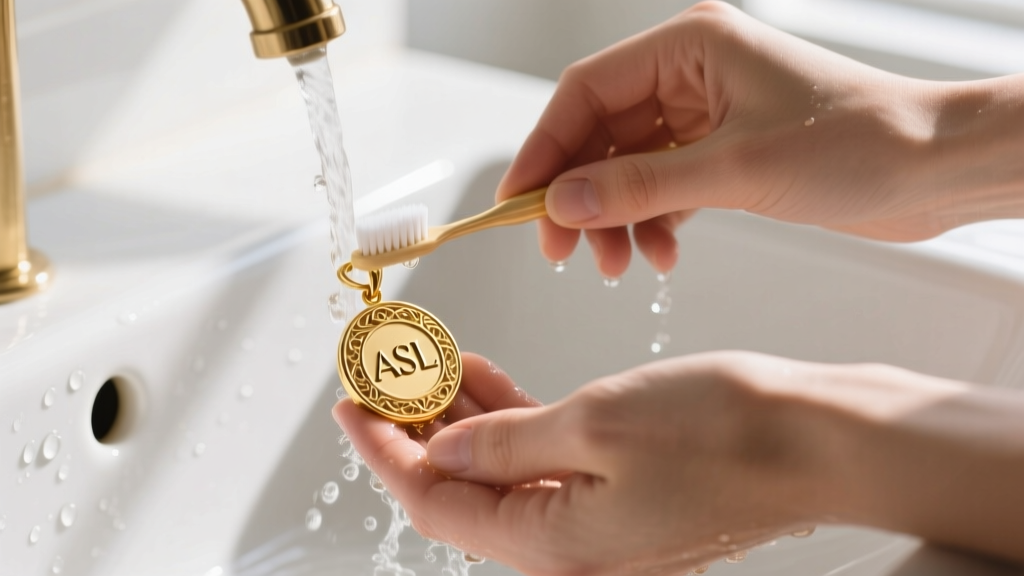
- Targeted Agitation: Remove the necklace from the solution. Using a baby toothbrush or a specialized jewelry brush with ultra-soft 0.1mm nylon bristles, gently brush the crevices. Brush in a circular motion around the base of the thumb and index finger, and use the tip of the bristles to sweep the narrow gaps between the extended pinky and index finger.
- The Rinse: Rinse the pendant thoroughly under a gentle stream of lukewarm distilled water. Avoid tap water if you live in an area with hard water, as dissolved calcium and magnesium can leave microscopic white spots on the metal as it dries.
- Controlled Drying: Do not air dry. Use a clean, lint-free microfiber cloth to pat the surface dry. To remove moisture from the deepest recesses of the hand sign, use a hair dryer on the 'cool' setting, holding it at least six inches away from the pendant to blow the water droplets out of the crevices.
Cleaning Agents: Compatibility Matrix
Choosing the wrong chemical agent is the fastest way to ruin a meaningful piece of jewelry. Refer to this matrix before applying any substance to your ASL necklace.
| Cleaning Agent | Sterling Silver (925) | Gold Vermeil | Stainless Steel / Titanium |
|---|---|---|---|
| Mild Dish Soap & Water | Highly Recommended | Highly Recommended | Highly Recommended |
| Baking Soda Paste | Avoid (Abrasive) | Destructive | Safe but Unnecessary |
| Ultrasonic Cleaner | Safe (if no stones) | Destructive (Strips plating) | Safe |
| Thiourea Silver Dip | Use with Caution | Destructive | Unnecessary |
| Isopropyl Alcohol (70%) | Safe for occasional use | Avoid (Dries out alloys) | Highly Recommended |
For heavily tarnished sterling silver ASL pendants, the Jewelers Mutual care guidelines recommend using a treated silver polishing cloth for the flat, accessible surfaces (like the back of the palm and the wrist cuff), while relying on the soapy toothbrush method for the intricate finger gaps. Never use liquid silver dips on oxidized or 'blackened' silver ASL necklaces, as the chemical will strip the intentional dark patina from the recesses, destroying the pendant's three-dimensional contrast.
Chain Maintenance and Tangle Prevention
The care of an ASL necklace extends beyond the pendant to the chain that supports it. The ILY pendant is typically top-heavy due to the asymmetrical distribution of metal in the extended fingers. This weight imbalance causes the pendant to constantly slide along the chain, leading to friction wear on the bail (the loop connecting the pendant to the chain) and increasing the likelihood of tangling.
- Cable Chains: The most common pairing for ASL pendants. The uniform, round links are durable but prone to catching on the extended pinky finger of the pendant if stored improperly. Always unclasp the chain and store it laid out in a single line when not in use.
- Box Chains: An excellent alternative for heavier solid silver ASL pendants. The square, interlocking links provide superior tensile strength and resist kinking, though they require careful brushing during the cleaning phase to remove dirt trapped inside the square links.
- Lubricating the Bail: If your ASL pendant feels stiff or squeaks when moving along the chain, apply a microscopic drop of synthetic watch oil to the inside of the bail. Wipe away any excess immediately to prevent oil from attracting dust.
Long-Term Storage and Anti-Tarnish Strategies
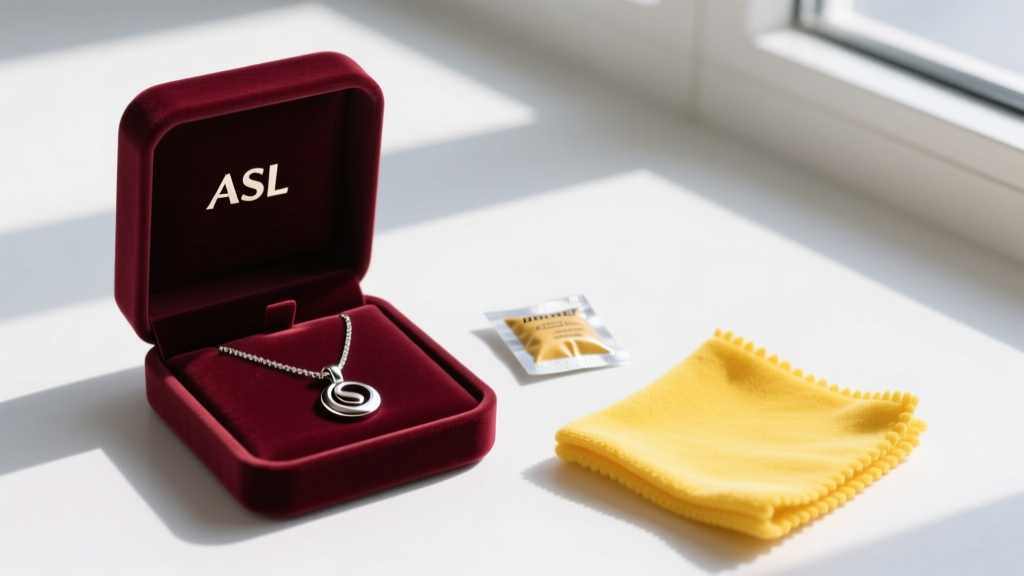
Proper storage is the ultimate preventative maintenance for your ASL necklace. Because the deep crevices of the hand sign trap ambient moisture, storing the necklace in a humid environment (like a bathroom) will accelerate tarnishing exponentially. Always store your ASL necklace in a dedicated, airtight jewelry box or a resealable anti-tarnish bag made of treated polyethylene. Include a small silica gel desiccant packet and a 3M anti-tarnish strip in the storage vessel to absorb moisture and neutralize airborne sulfur compounds. By combining meticulous, gentle cleaning techniques with controlled storage environments, your ASL necklace will remain a brilliant, legible symbol of love and communication for decades to come.