Ultimate Care Guide for Your Gold Puffed Heart Necklace
Learn expert tips to clean, polish, and protect your gold puffed heart necklace from dents, moisture trapping, and tarnish with our complete care guide.

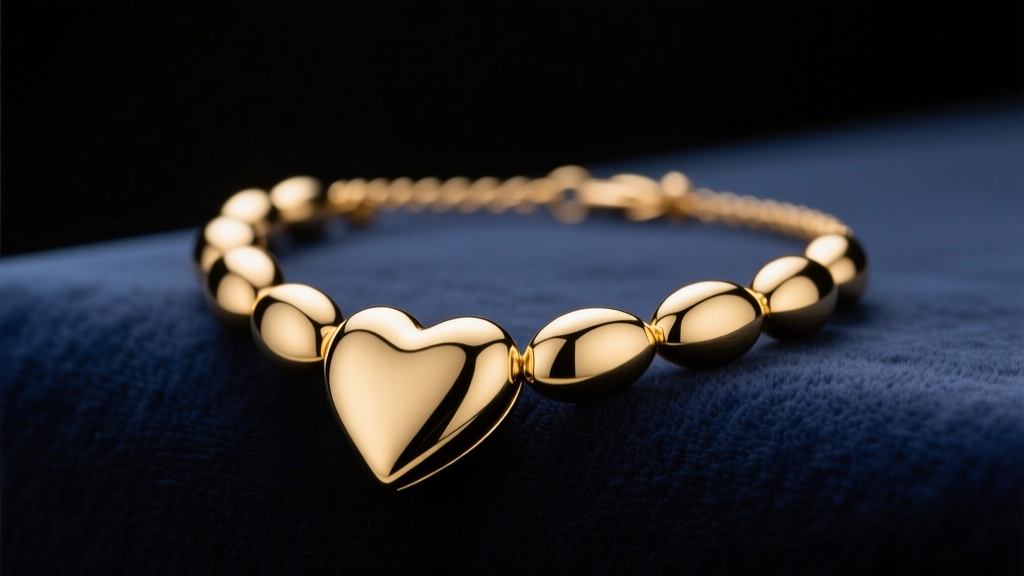
The Unique Vulnerabilities of Puffed Heart Pendants
The gold puffed heart necklace is a timeless staple, but its iconic three-dimensional shape introduces specific structural vulnerabilities that standard chain necklaces do not share. To properly care for this piece, you must first understand its anatomy. Most puffed hearts are not cast as solid blocks of gold; doing so would make them prohibitively heavy and expensive. Instead, they are typically constructed using one of two methods: stamped and soldered, or thinly cast.
In the stamped method, two flat sheets of gold are pressed into dome molds and then soldered together at the perimeter. This creates a hollow or semi-hollow cavity inside the heart. As we navigate the 2026 jewelry market, the massive resurgence of vintage and estate puffed hearts means many collectors are buying older pieces where these microscopic solder seams may have degraded. If a seam has a pinhole leak, moisture, lotions, and cleaning solutions can become trapped inside the hollow cavity, leading to internal oxidation, hidden structural weakness, and the dreaded 'green skin' effect when the trapped liquids eventually seep out against your chest.
Furthermore, the expanded surface area of a puffed design means there is more gold exposed to environmental friction, micro-scratches, and impact. Understanding these physical traits is the first step in transitioning from a casual wearer to a meticulous jewelry curator.
Step-by-Step Cleaning Routine for Puffed Gold
Cleaning a hollow or thinly walled gold puffed heart necklace requires a gentle, moisture-conscious approach. According to the Gemological Institute of America (GIA), gold alloys are susceptible to chemical buildup from daily wear, but harsh scrubbing can easily mar the high-polish finish of a puffed surface.
Tools You Will Need
- pH-neutral liquid dish soap (avoid formulas with added moisturizers or citrus degreasers)
- A brand-new, extra-soft baby toothbrush
- A lint-free microfiber cloth
- A hair dryer with a 'cool' or 'low warm' setting
The Cleaning Process
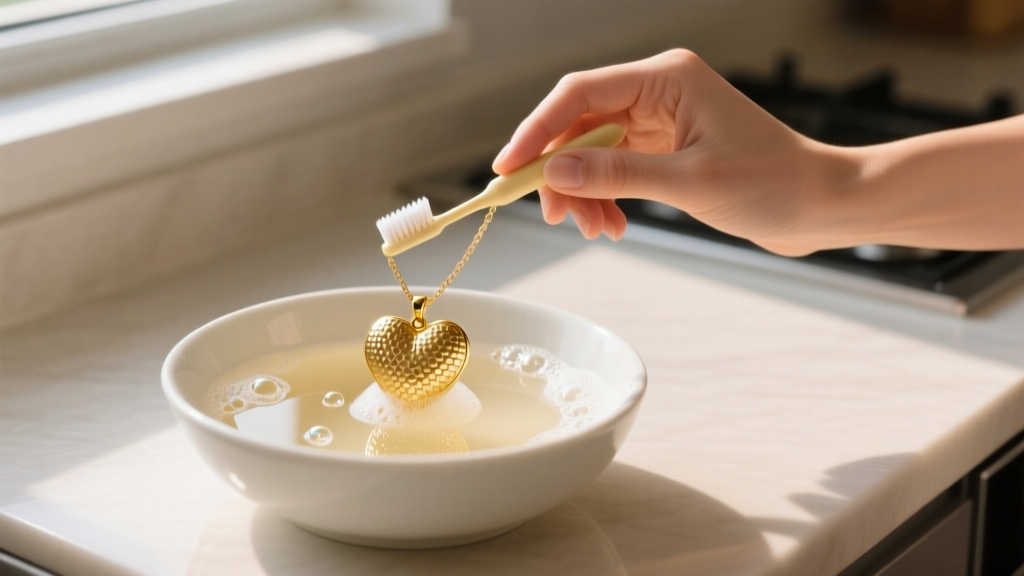
- Prepare the Bath: Mix a few drops of pH-neutral dish soap into a bowl of lukewarm (never hot) distilled water. Hot water can cause rapid expansion of the air inside a hollow puffed heart, potentially stressing weakened solder seams.
- Soak Briefly: Submerge the necklace for exactly 3 to 5 minutes. This is enough time to loosen sebum and cosmetic buildup without risking prolonged water exposure inside the cavity.
- Agitate Gently: Using the baby toothbrush, lightly sweep across the surface of the heart and the crevices of the bail (the loop where the chain connects). Do not press down; let the bristles do the work.
- Rinse with Distilled Water: Rinse the pendant under a gentle stream of distilled water to prevent hard water mineral spots from forming on the high-polish gold.
- The Critical Drying Phase: Pat the exterior dry with a microfiber cloth. Then, use a hair dryer on a cool or low-warm setting, holding it about six inches away from the pendant for 60 seconds. This step is absolutely vital for puffed hearts, as the forced air evaporates any moisture that may have slipped into the bail hole or microscopic seam gaps.
Preventing Dents and Structural Damage
The most common cause of irreversible damage to a gold puffed heart necklace is denting. Because the gold is formed into a dome, it acts like a thin shell. The resistance of this shell to denting is directly tied to the karat weight of the gold, which dictates its Vickers hardness (HV).
When choosing or caring for your necklace, you must adapt your handling to the specific alloy. An 18k gold puffed heart (75% pure gold) is significantly softer and more malleable than a 14k gold heart (58.3% pure gold). Squeezing an 18k puffed heart between your fingers, or sleeping with it on where it can be crushed against a headboard, will result in permanent structural deformation.
| Material Grade | Vickers Hardness (Approx.) | Dent Risk | Primary Care Focus |
|---|---|---|---|
| 18k Solid Gold | 125 HV | High | Avoid all pressure; remove before sleeping or physical activity. |
| 14k Solid Gold | 140 - 150 HV | Moderate | Resists minor bumps, but still vulnerable to direct crushing forces. |
| Gold Vermeil (Sterling Base) | ~110 HV (Base) | High | Prevent moisture trapping to avoid internal sterling silver tarnish. |
What to Avoid: The Enemies of Puffed Gold
Maintaining the pristine condition of your necklace means knowing which modern cleaning shortcuts to avoid. The Jewelers of America strongly advises against using one-size-fits-all cleaning methods for complex or hollow jewelry structures.
Never Use Ultrasonic Cleaners
Ultrasonic cleaners use high-frequency sound waves to create microscopic bubbles in a cleaning solution—a process called cavitation. When these bubbles implode against the jewelry, they create intense localized shockwaves. In a solid ring, this is highly effective. In a hollow or thinly walled gold puffed heart necklace, these shockwaves can cause metal fatigue, rupture the delicate solder seams, or force cleaning chemicals deep inside the cavity where they cannot be rinsed out.
Avoid Ammonia-Based Glass Cleaners
A common DIY myth suggests using window cleaners to shine gold. Ammonia can cause stress corrosion cracking in gold alloys that contain copper or silver (like 14k and 18k gold). Over time, exposure to ammonia weakens the molecular bonds at the solder joints of your puffed heart, increasing the risk of the pendant splitting open.
Proper Storage Protocols
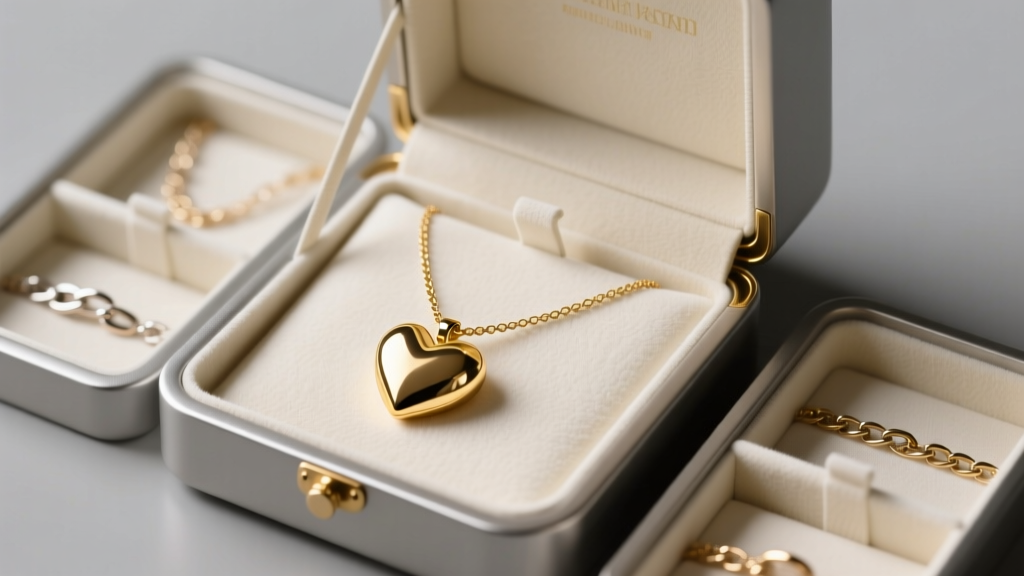
Never toss a puffed heart necklace into a communal jewelry drawer. The chains from other necklaces or the prongs from gemstone rings will easily scratch the broad, polished surface of the heart. Store the necklace flat in a dedicated, anti-tarnish pouch or a padded jewelry box compartment. Always clasp the chain and lay it in a soft 'U' shape to prevent the chain from tangling and pulling on the pendant's bail.
Professional Maintenance and Repair
Even with meticulous care, accidents happen. If your gold puffed heart necklace sustains a dent or a split seam, do not attempt to pop the dent out with a needle or push it from the inside. This will stretch the gold, causing it to thin out and eventually tear.
Instead, take the piece to a master jeweler who specializes in laser welding. Traditional torch soldering requires heating the entire piece, which can cause the trapped air inside a puffed heart to expand rapidly and blow out the weak points, creating bulges or new cracks. Laser welding, however, uses a highly focused beam of light to fuse gold wire into the cracked seam or to carefully heat and reshape a dent without transferring destructive levels of heat to the rest of the hollow cavity. Depending on the complexity of the seam repair, professional laser restoration typically ranges from $60 to $150, a worthwhile investment to preserve the structural integrity and sentimental value of your favorite pendant.


