Expert Care Guide: Cleaning Your Kate Spade Yellow Necklace
Learn expert techniques to clean, polish, and store your Kate Spade yellow necklace without damaging the delicate gold plating or enamel.

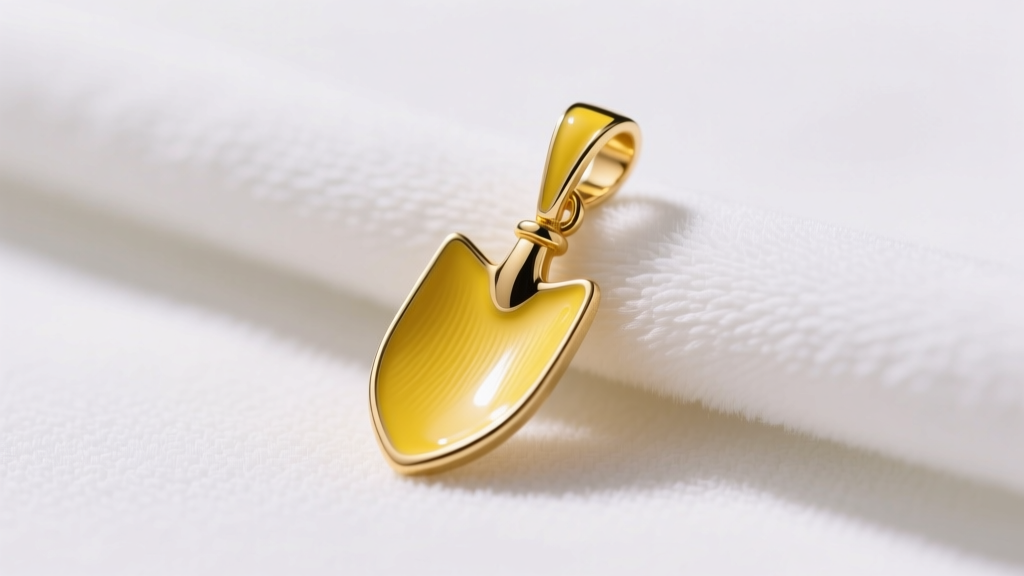
Kate Spade New York is globally celebrated for its playful, vibrant aesthetics, and the iconic Kate Spade yellow necklace is a staple in many jewelry collections. Whether it features the signature spade motif, a delicate floral pendant, or a bold geometric design, the cheerful yellow hue is typically achieved through high-gloss epoxy enamel or resin, set against a backdrop of gold-plated brass. While these pieces are stunning, they require highly specific care. The combination of soft base metals, micron-thin gold plating, and chemically sensitive enamel means that standard jewelry cleaning methods can easily ruin the piece. In this comprehensive 2026 guide, we break down the exact material science of your necklace and provide a professional-grade protocol for cleaning, maintaining, and storing it to ensure it remains vibrant for years to come.
Material Breakdown: What You Are Actually Cleaning
Before applying any cleaning solution, it is critical to understand the metallurgy and chemistry of your necklace. According to the Gemological Institute of America (GIA), fashion jewelry requires vastly different care than fine jewelry due to its layered construction.
- The Base Metal: Most Kate Spade necklaces are crafted from brass or a zinc alloy. These metals are highly prone to oxidation and tarnishing when exposed to moisture and air.
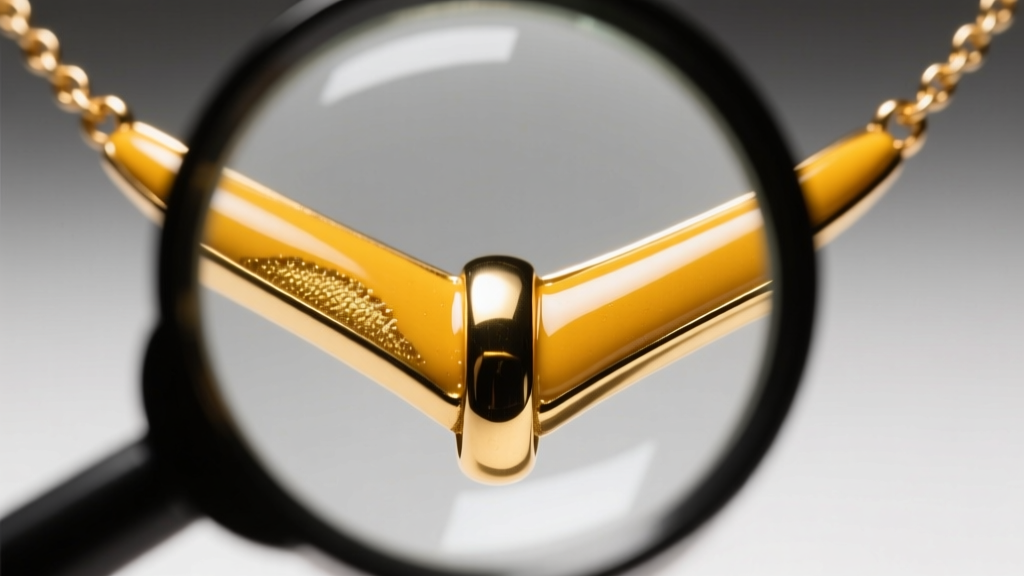
- The Plating: The gold finish is an electroplated layer, typically 12k or 14k gold, applied at a thickness of 0.5 to 2.5 microns. To put this in perspective, a human hair is about 70 microns thick. This plating is fragile and can be easily stripped by abrasives or harsh chemicals.
- The Yellow Enamel: The vibrant yellow color is usually achieved using cold enamel (epoxy resin) rather than vitreous (glass) enamel. Epoxy is essentially a hardened plastic. It is susceptible to UV degradation, chemical clouding, and micro-fractures if subjected to sudden temperature changes.
The Step-by-Step Cleaning Protocol
When your necklace accumulates everyday oils, lotions, and environmental dust, you must use a gentle, non-abrasive approach. The Jewelers of America recommends avoiding commercial jewelry dips entirely for plated and enameled pieces. Follow this exact protocol:
Step 1: Dry Dusting (The First Line of Defense)
Never apply liquid to a dusty necklace, as this creates an abrasive mud that can micro-scratch the gold plating. Use a clean, dry, ultra-fine microfiber cloth to gently wipe the chain and the pendant. For the crevices around the enamel setting, use a brand-new, soft-bristled baby toothbrush to lightly flick away dry debris.
Step 2: The Mild Soap Bath (For Stubborn Grime)
If the necklace has accumulated skin oils or sunscreen, a dry wipe will not suffice.
- Fill a small glass bowl with distilled water (tap water contains chlorine and minerals that can spot the plating).
- Add a single drop of pH-neutral, dye-free dish soap (such as original Dawn). Avoid soaps with added moisturizers or citrus extracts, as citric acid can degrade epoxy resin over time.
- Submerge the necklace for exactly three to five minutes. Do not soak it longer, as prolonged water exposure can seep into the microscopic seams between the enamel and the brass, causing the adhesive to fail.
- Gently agitate the water. Use your soft baby toothbrush to lightly brush the back of the pendant and the chain links.
Step 3: Drying and Polishing Techniques
Rinse the necklace briefly under a gentle stream of lukewarm distilled water. Immediately pat it dry with a lint-free cotton cloth. Do not air dry, as water spots will form on the gold plating. Once dry, use a jeweler's polishing cloth designed specifically for gold-plated items to restore the shine. Never use a silver polishing cloth, as the embedded anti-tarnish chemicals will strip the gold.
Chemicals to Avoid: The Enamel and Plating Killers
Many well-intentioned jewelry owners accidentally destroy their pieces by using the wrong cleaning agents. The table below outlines common household chemicals and their exact destructive effects on your Kate Spade yellow necklace.
| Chemical / Method | Effect on Gold Plating | Effect on Yellow Epoxy Enamel |
|---|---|---|
| Ultrasonic Cleaners | Causes microscopic peeling and flaking due to high-frequency cavitation bubbles. | Shatters or cracks the epoxy due to intense localized heat and vibration. |
| Rubbing Alcohol | Generally safe in brief exposure, but can dry out protective clear coats. | Dissolves the top layer of epoxy, causing permanent clouding and loss of gloss. |
| Ammonia / Windex | Strips the gold plating down to the bare brass base almost instantly. | Causes severe chemical yellowing and surface pitting of the resin. |
| Baking Soda Paste | Acts as a heavy abrasive, scratching the soft 12k/14k gold layer. | Dulls the high-gloss finish, leaving a matte, scratched texture. |
Pro-Tip: Always apply your perfumes, hairsprays, and lotions at least 10 minutes before putting on your necklace. The alcohol and aerosol propellants in these products are the leading cause of premature enamel clouding and plating wear.
Storage Solutions to Prevent Tarnish and Scratches
How you store your Kate Spade yellow necklace is just as important as how you clean it. Brass base metals oxidize rapidly in high-humidity environments, which can cause the gold plating to blister from the inside out.
- Climate Control: Store your jewelry in a room with a relative humidity (RH) between 40% and 50%. Avoid keeping your necklace in the bathroom, where steam from showers creates a highly corrosive environment.
- Activated Carbon Strips: In 2026, the gold standard for jewelry preservation is the use of activated carbon or copper-infused anti-tarnish strips. Place one strip inside your jewelry box or storage pouch to absorb ambient sulfur compounds before they can react with the brass base.
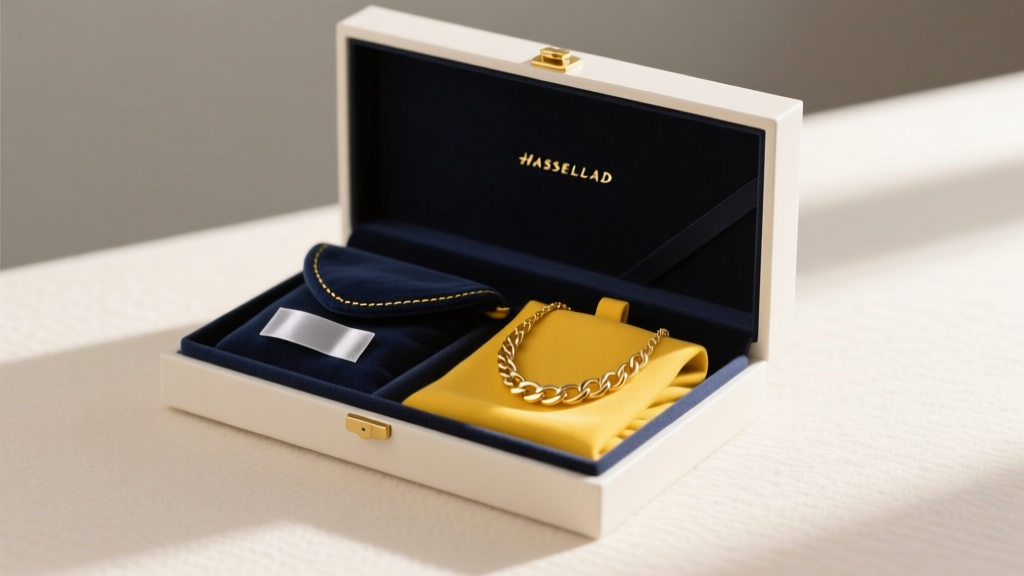
- Individual Isolation: Never toss your necklace into a communal jewelry box. The diamonds or cubic zirconia from other pieces can easily scratch the soft epoxy enamel. Store the necklace flat in an individual, anti-tarnish flannel pouch to prevent the chain from kinking and tangling.
Troubleshooting Common Issues
Even with meticulous care, fashion jewelry experiences wear over time. Here is how to handle the most common issues associated with enameled and plated necklaces.
Flaking or Cracked Enamel
If your yellow enamel develops a crack, do not attempt to glue it or seal it with clear nail polish. Nail polish contains solvents like toluene and formaldehyde that will melt the surrounding epoxy and ruin the gold plating. If the piece is a current or recent release, contact Kate Spade customer service for their repair or replacement policy. For vintage pieces, consult a professional bench jeweler who specializes in cold enamel resin casting.
Fading or Rubbing Gold Plating
It is natural for gold plating to wear thin on the back of the pendant and the clasp due to friction against the skin and clothing. If the brass begins to show through, the Federal Trade Commission (FTC) guidelines note that the piece can be professionally re-plated. A local jeweler can polish the brass base and apply a fresh layer of 14k or even 18k gold, often adding a thicker micron layer than the original factory finish, effectively giving your necklace a second life.
Final Thoughts
Your Kate Spade yellow necklace is a joyful, statement-making accessory that deserves mindful maintenance. By understanding the delicate nature of epoxy enamel and micron-thin gold plating, you can avoid the destructive cleaning hacks found online. Stick to distilled water, pH-neutral soaps, and proper anti-tarnish storage, and your necklace will retain its vibrant, cheerful sparkle for every occasion you choose to wear it.


