Gold Necklace Cost in 2026: An Expert Pricing Breakdown
Discover the true gold necklace cost in 2026. Our expert guide breaks down spot prices, karat weights, labor premiums, and retail markups.

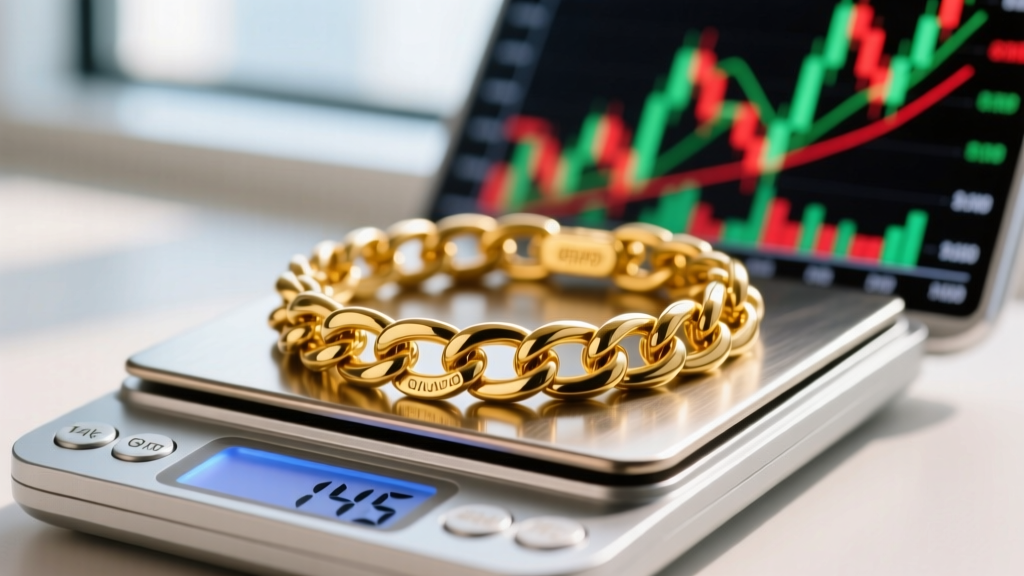
When evaluating the true gold necklace cost, consumers are often blinded by the final retail tag, unaware of the complex pricing architecture beneath it. As we navigate the precious metals market in 2026, gold spot prices have seen significant volatility, making it more critical than ever to understand exactly what you are paying for. Whether you are investing in a heavy Cuban link chain or a delicate 18k gold pendant, the final price is a composite of raw material value, manufacturing labor, brand positioning, and structural integrity.
In this expert deep dive, we will deconstruct the anatomy of gold jewelry pricing. By understanding the exact formulas and industry multipliers used by jewelers, you can confidently audit quotes, avoid inflated markups, and make mathematically sound purchasing decisions.
The Baseline: Calculating Intrinsic Melt Value
The foundation of any gold necklace cost is its intrinsic melt value. Gold is traded globally in troy ounces (31.1 grams). To find the base value of a necklace, you must know its exact gram weight and its karat purity. According to the Gemological Institute of America (GIA), pure 24k gold is too soft for daily wear, so it is alloyed with metals like copper, silver, and zinc to create durable jewelry.
To calculate the melt value, divide the current spot price per troy ounce by 31.1 to get the price per gram of 24k gold. Then, multiply that figure by the purity percentage of your specific karat. For example, if the spot price is $2,400 per ounce, one gram of 24k gold is roughly $77.17. A 14k gold chain (58.3% pure) has a base gold value of $44.99 per gram.
| Karat | Purity % | Common Alloys | Durability & Use Case |
|---|---|---|---|
| 24k | 99.9% | None | Very soft; investment pieces, rarely worn daily |
| 22k | 91.6% | Copper, Silver | Soft; traditional Middle Eastern and Indian jewelry |
| 18k | 75.0% | Copper, Zinc, Silver | Excellent balance; luxury chains, high-end pendants |
| 14k | 58.3% | Copper, Silver, Zinc | Highly durable; the standard for everyday chains |
| 10k | 41.7% | High alloy content | Maximum durability; budget-friendly, prone to tarnish |
Manufacturing Variables: Machine vs. Handcrafted
Once the melt value is established, the next layer of the gold necklace cost is manufacturing. The method used to create the chain drastically impacts the labor premium added to the final price.
Machine-Made Chains
Styles like cable, curb, and box chains are typically mass-produced using automated machinery. Wire is drawn, cut, and linked by high-speed machines, sometimes laser-welded in bulk. Because the labor cost per gram is exceptionally low, machine-made chains usually carry a manufacturing premium of just $5 to $15 per gram over the melt value.
Handcrafted and Woven Chains
Complex designs such as Byzantine, Peruvian, or hand-faceted rope chains require meticulous human labor. A master jeweler must individually weave, solder, and file each link. This intensive process can add anywhere from $40 to over $150 per gram in labor premiums. When buying these styles, you are paying for horological-level craftsmanship, not just raw metal.
The Hollow Gold Trap: Electroforming Explained
A critical technical detail often omitted from retail discussions is the structural density of the gold. In 2026, electroforming and hollow-core manufacturing techniques have advanced, allowing jewelers to create massive, voluminous chains that weigh a fraction of their solid counterparts.
While a hollow gold necklace cost might seem like a bargain—offering the look of a 100-gram chain for the price of 30 grams—it is a false economy. Hollow chains are highly susceptible to denting, crushing, and irreversible snapping. From an expert perspective, hollow gold should be strictly avoided for pendants or daily wear. Always demand a solid or semi-solid construction, and verify the gram weight relative to the chain's physical dimensions to ensure you aren't paying solid-gold premiums for hollow air.
Retail Markups and Brand Positioning
The most volatile variable in the gold necklace cost equation is the retail markup. The Federal Trade Commission (FTC) strictly regulates how gold purity is marketed, but there are zero regulations on retail pricing multipliers. Markups generally fall into three distinct tiers:
- Direct-to-Consumer & Bullion Dealers (1.2x to 2.0x Melt): These sellers operate on high volume and low overhead. You will typically find the most aggressive pricing on basic chains here, paying a modest premium over the daily spot price.
- Mid-Tier & Mall Jewelers (2.5x to 4.0x Melt): Brick-and-mortar stores must account for prime real estate, commissioned sales staff, and inventory holding costs. Expect to pay a significant premium for the convenience of trying the piece on in-store.
- Luxury & Designer Brands (5.0x to 15.0x+ Melt): At this echelon, you are no longer buying gold; you are buying heritage, design patents, and status. The intrinsic metal value becomes almost irrelevant to the final price tag.
Findings, Clasps, and Assembly Costs
An often-overlooked component of the total cost is the "findings"—the clasps, jump rings, and end caps that secure the necklace. A heavy 18k gold chain requires a robust clasp to prevent catastrophic loss.
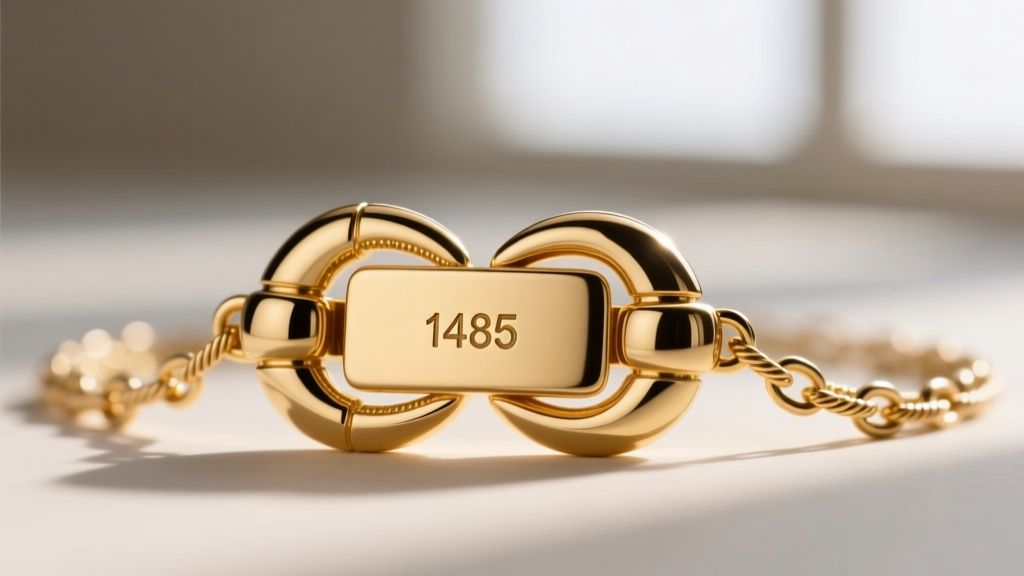
Standard spring-ring clasps are inexpensive but mechanically weak and difficult to operate. Upgrading to a solid gold lobster clasp or a custom-machined box clasp with a safety figure-8 latch can add $50 to $250 to the final manufacturing cost. Furthermore, ensure that the jump rings connecting the clasp to the chain are fully soldered shut. Unsoldered jump rings are a primary failure point that can easily pull apart under the weight of a pendant.
The 2026 Buyer's Framework: How to Audit a Quote
To ensure you are paying a fair gold necklace cost, adopt this systematic auditing framework before making any purchase exceeding $1,000:
- Check the Spot Price: Reference a live financial tracker like Kitco to get the exact troy ounce price for the day.
- Demand the Gram Weight: Never buy a chain priced solely by length or visual thickness. Ask for the exact weight to the tenth of a gram.
- Calculate the Melt: Multiply the gram weight by the current karat-specific melt value.
- Assess the Multiplier: Divide the retail asking price by your calculated melt value. If the multiplier exceeds 2.5x for a basic machine-made chain, you are overpaying unless the brand holds significant secondary market value.
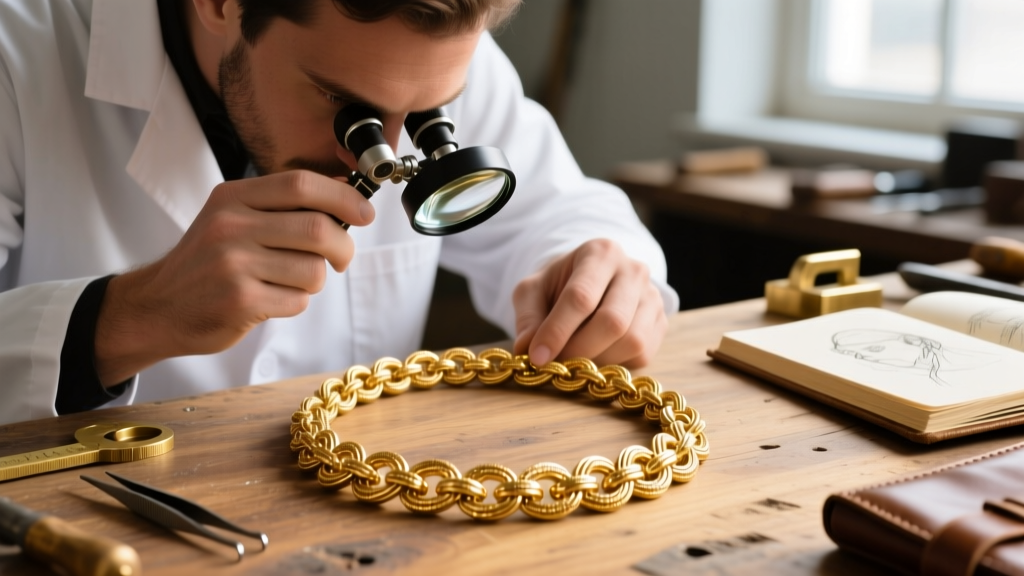
- Inspect the Stamp: Use a jeweler's loupe to verify the karat stamp (e.g., 585 for 14k, 750 for 18k) and look for the manufacturer's hallmark, which guarantees the origin and purity of the alloy.
By stripping away the marketing veneer and focusing on the metallurgical and mathematical realities of jewelry production, you can navigate the market with absolute confidence. Understanding the true cost of gold ensures that your investment is both financially sound and structurally enduring.


