King Necklace Troubleshooting: Fixing Links & Clasps
Learn how to troubleshoot common king necklace issues. Expert fixes for clasp failure, link stretching, and deep-cleaning intricate weaves.

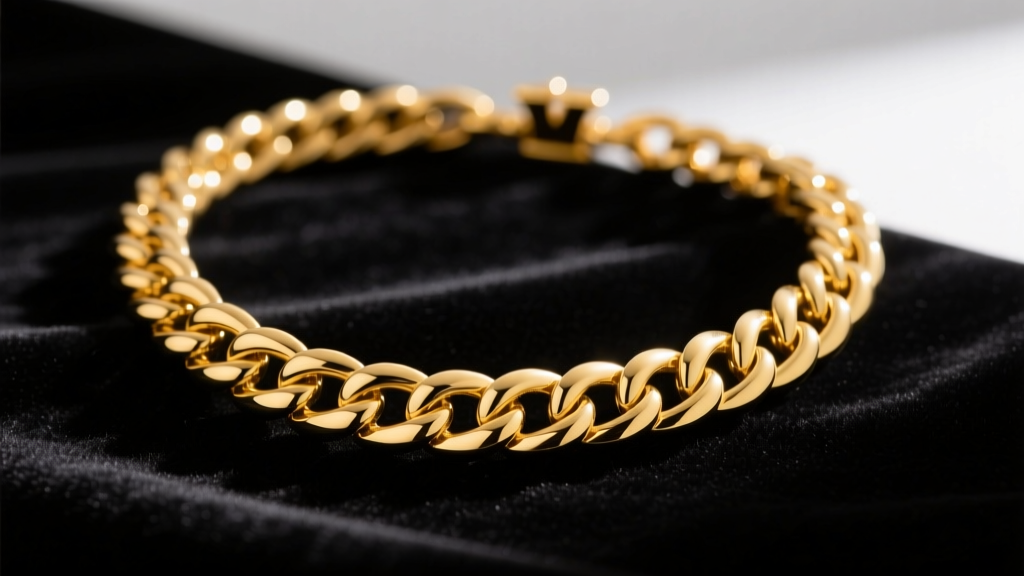
Understanding the Engineering of a King Necklace
The king necklace—often referred to in the trade as a King Rope or King Chain—is a masterpiece of jewelry engineering. Characterized by its dense, multi-directional interlocking links and braided appearance, this style offers a heavy, luxurious drape that few other chain patterns can match. However, the very complexity that makes a king necklace so visually striking also makes it highly susceptible to specific structural failures. Whether you are wearing a 10mm solid 14k gold piece weighing over 150 grams or a lighter sterling silver variant, the kinetic stress placed on the clasp and the intricate weave requires specialized maintenance.
In this comprehensive troubleshooting guide, we will diagnose the most common failure points of the king necklace, from clasp fatigue and link distortion to deep-seated tarnish, and provide actionable, bench-jeweler-approved solutions to restore your chain to its original glory.
Diagnosing and Fixing Clasp Failure on Heavy Chains
The most frequent point of catastrophic failure on any heavy chain is the clasp. A standard 12mm lobster claw clasp is typically rated for a dynamic pull of about 40 to 50 grams. When you attach it to a 150-gram solid gold king necklace, the kinetic "whip effect" generated by normal body movement places immense shear stress on the clasp's tiny internal spring mechanism. Over time, this leads to metal fatigue, resulting in a clasp that fails to snap shut or pops open unexpectedly.
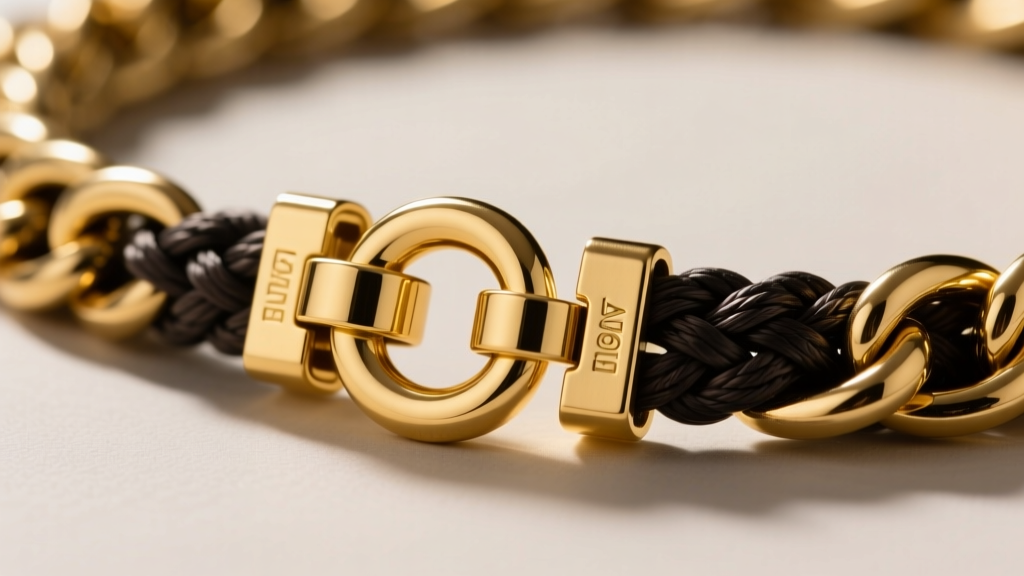
The Upgrade: Box Clasps with Figure-8 Safeties
If your king necklace is currently equipped with a lobster claw or a simple spring ring, you must upgrade it immediately. The industry standard for heavy chains is a tongue box clasp (also known as a fold-over clasp) forged from the same karat gold as the chain. For chains exceeding 100 grams, the box clasp must be paired with at least one, preferably two, figure-8 safety catches. These secondary wire loops swing over a small button on the opposite side of the clasp, ensuring that even if the primary tongue mechanism loosens, the necklace remains secured around your neck.
Pro Tip: When having a bench jeweler solder a new box clasp onto a king chain, ensure they use a high-temperature solder for the initial jump ring attachment to prevent the heat from compromising the intricate links immediately adjacent to the clasp.
Resolving Link Stretching and Distortion
Because a king necklace features a complex, woven link structure, it distributes weight differently than a standard curb or Cuban chain. While this makes it incredibly strong against snapping, it makes the chain vulnerable to work hardening and gradual link elongation, particularly if the piece is crafted in 18k or 22k gold. Higher karat gold contains a higher percentage of pure gold, which is inherently softer and more malleable than the copper and zinc alloys found in 10k or 14k gold.
Troubleshooting Stretched Sections
If you notice a specific section of your king necklace becoming visibly longer, thinner, or stiffer than the rest of the chain, the links have begun to stretch. Do not attempt to compress the links back into place with pliers; this will cause micro-fractures in the work-hardened metal. Instead, the chain requires professional laser welding. Unlike traditional torch soldering, which risks melting the dense, overlapping weave of the king pattern, a laser welder uses a highly focused beam to fuse microscopic fractures and tighten the jump rings without transferring destructive heat to the surrounding links.
| Chain Weight (Approx.) | Gold Karat | Recommended Clasp Type | Maintenance Frequency |
|---|---|---|---|
| 50g - 90g | 10k / 14k | Heavy Lobster + 1 Safety | Annual Checkup |
| 90g - 150g | 14k / 18k | Box Clasp + 1 Figure-8 | Bi-Annual Checkup |
| 150g - 250g+ | 14k / 18k / 22k | Box Clasp + 2 Figure-8s | Quarterly Checkup |
Deep-Cleaning Intricate King Chain Crevices
The dense, braided architecture of a king necklace is a magnet for skin oils, dead skin cells, lotions, and environmental dust. Because the links fold over and under one another in a tight weave, standard polishing cloths are entirely useless for cleaning the interior crevices. When left uncleaned, this buildup creates a slightly acidic environment that can lead to stress corrosion cracking in lower-karat gold alloys, particularly those with high copper content.
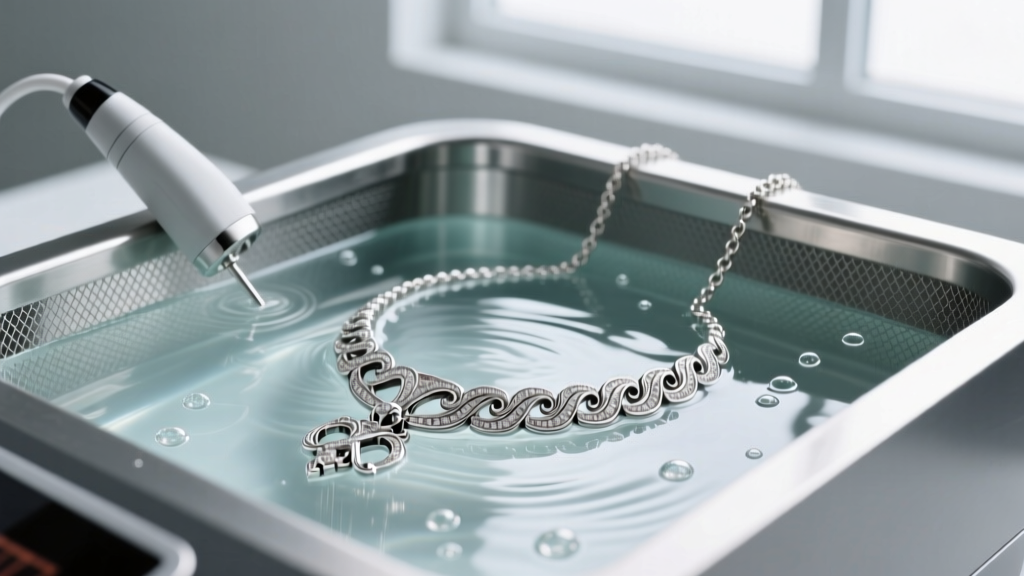
The Ultrasonic Cleaning Protocol
For a plain metal king necklace (no gemstones, enamel, or hollow links), an ultrasonic cleaner is the most effective troubleshooting tool. The high-frequency sound waves (ideally 40kHz) create microscopic cavitation bubbles that implode against the metal, blasting debris out of the deepest crevices of the weave.
- Step 1: Fill the ultrasonic tank with warm water and a few drops of mild, ammonia-free dish soap.
- Step 2: Suspend the king necklace in the stainless steel basket. Do not let the heavy chain rest directly on the bottom of the tank, as the vibration can cause cosmetic scratching against the metal base.
- Step 3: Run the machine for 3 to 5 minutes. If the water becomes cloudy, empty it, refill with fresh solution, and repeat.
- Step 4: Rinse thoroughly with distilled water and dry completely using a high-pressure air duster or a clean microfiber cloth.
Warning: Never use bleach or harsh chlorine-based cleaners on a king necklace. Chlorine reacts violently with the alloy metals in gold, causing the chain to become brittle and eventually shatter under its own weight. For more on alloy vulnerabilities, refer to the jewelry care guidelines provided by major jewelry insurers.
Preventing Snagging and Micro-Burr Formation
A properly manufactured king necklace should feel like liquid metal against the skin. If your chain is pulling chest hair, snagging on knit sweaters, or scratching your neck, it has developed micro-burrs. These tiny, sharp metal protrusions usually occur when the chain is subjected to sudden impacts or when it gets caught on an object and forcefully yanked.
Deburring the Weave
Fixing this issue requires a process called "barreling" or "tumbling." A bench jeweler will place the king necklace into a rotary tumbler filled with stainless steel shot, water, and a burnishing compound. As the tumbler rotates, the steel shot gently hammers the microscopic burrs flat and polishes the exterior of the links without removing any significant gold weight. If you are attempting a DIY fix for a minor snag, you can very gently run a soft-bristled fiberglass scratch brush over the offending link, but professional tumbling is highly recommended to maintain the uniform finish of the complex weave.
When to Consult a Master Bench Jeweler
While routine cleaning and visual inspections of the safety catches can be performed at home, the structural integrity of a heavy king necklace should never be compromised by amateur repairs. If you notice any visible gaps between the interlocking links, a stiff hinge on your box clasp, or a persistent dullness that survives ultrasonic cleaning, it is time to visit a master bench jeweler. By understanding the unique mechanical stresses placed on the king chain pattern, you can proactively maintain your investment, ensuring this heavy, luxurious piece remains a staple in your collection for decades to come.


