How to Clean and Care for a Multi Strand Rice Pearl Necklace
Learn expert techniques to clean, store, and maintain your multi strand rice pearl necklace. Protect the delicate nacre and silk threads from damage.

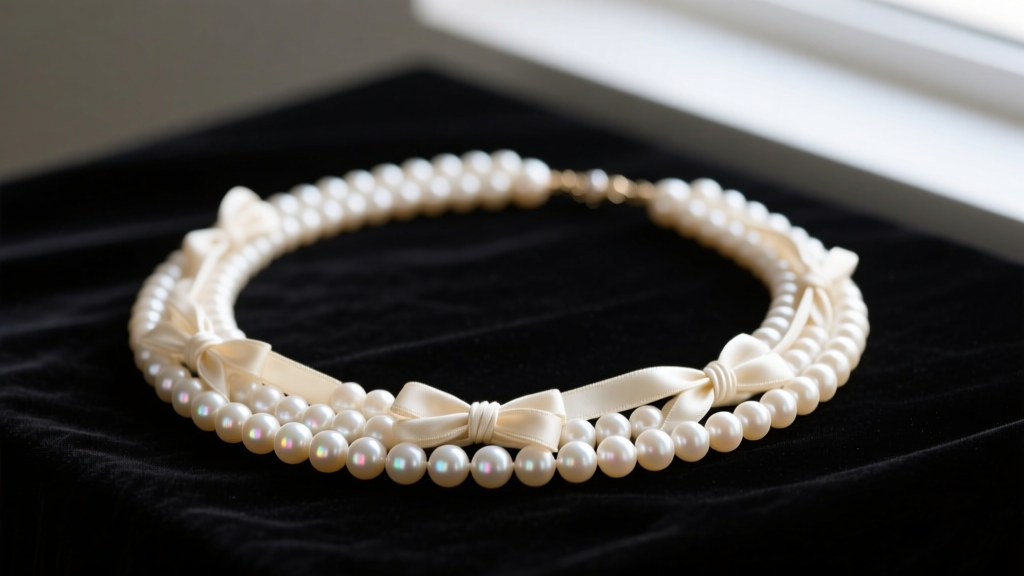
A multi strand rice pearl necklace is a masterpiece of organic texture and elegant layering. Unlike perfectly spherical Akoya or South Sea pearls, freshwater rice pearls boast a unique, elongated, and slightly irregular shape that catches the light beautifully. However, the very nature of this design—combining delicate nacre with complex, multi-layered stringing—makes it one of the most vulnerable pieces in your jewelry collection. Proper maintenance is not just about keeping the pearls shiny; it is about preserving the structural integrity of the threads and the chemical stability of the aragonite platelets.
In this comprehensive guide, we break down the exact protocols for cleaning, storing, and maintaining your multi strand rice pearl necklace, ensuring it remains a pristine heirloom for decades to come.
Understanding the Material Vulnerabilities
To care for a multi strand rice pearl necklace, you must first understand its physical and chemical limitations. Pearls are not stones; they are organic gems composed of calcium carbonate (aragonite) held together by a protein called conchiolin. This gives them a Mohs hardness rating of just 2.5 to 3.0, making them incredibly susceptible to scratching and chemical erosion.
The Drill Hole Hazard
Rice pearls are typically drilled horizontally or vertically with a microscopic bit, leaving a hole roughly 0.6mm to 0.8mm in diameter. In a multi-strand design, these drill holes are prime traps for cosmetics, sweat, and environmental dust. When moisture gets trapped inside the drill hole against the silk or nylon thread, it initiates hydrolysis—a process that literally rots the thread from the inside out, leading to catastrophic strand failure.
Thread Degradation
High-quality multi strand necklaces are traditionally strung on pure silk. While silk knots beautifully and drapes with a luxurious fluidity, it is highly sensitive to moisture, skin acidity, and UV degradation. Modern alternatives include bonded nylon (like Griffin Silk-Finish), which resists rotting but is prone to stretching under the heavy cumulative weight of multiple pearl strands.
The Safe Cleaning Protocol for Multi-Strand Designs
The golden rule of pearl care is never submerge your necklace in water. Submerging a multi strand rice pearl necklace allows water to seep into the drill holes, stretching the silk and causing the nacre to peel from the inside. Instead, follow this meticulous surface-cleaning protocol.

Step 1: Dry Dusting
Before introducing any moisture, use a clean, dry, ultra-soft microfiber cloth to gently wipe down each strand. This removes surface-level dust and silica particles that could act as an abrasive scratch agent when wet. Support the weight of the multi-strand clasp in your palm so the threads are not pulled taut during wiping.
Step 2: The Distilled Water Wipe
Tap water contains chlorine, fluoride, and trace minerals that can leave microscopic calcified deposits on the nacre, dulling the luster over time. Dampen a lint-free cotton cloth with distilled water. Wring it out until it is barely damp. Gently pass each strand of rice pearls through the cloth, applying zero downward pressure.
Step 3: Targeted Drill Hole Cleaning
If you notice dark buildup around the drill holes (a common issue where skin oils and foundation accumulate), do not use a metal pick. Instead, use a wooden toothpick or a dry, soft-bristled makeup brush to gently dislodge the debris. For stubborn grime, slightly dampen the tip of a cotton swab with distilled water and roll it gently against the edge of the drill hole.
Chemical Agents to Avoid: A Data Breakdown
The conchiolin protein in pearls is highly reactive to both acids and alkalis. Many commercial jewelry cleaners that are perfectly safe for diamonds or gold will instantly destroy the nacre of your rice pearls. The Gemological Institute of America (GIA) strictly advises against using ultrasonic cleaners, steamers, or chemical dips for any organic gemstone.
| Cleaning Agent | Chemical Composition | Impact on Rice Pearls | Verdict |
|---|---|---|---|
| Ultrasonic Cleaners | High-frequency sound waves + heat | Shatters nacre, unravels silk knots | Fatal |
| Ammonia-based Cleaners | Ammonium hydroxide (Alkaline) | Dissolves conchiolin, causes peeling | Fatal |
| White Vinegar | Acetic acid | Dissolves calcium carbonate entirely | Fatal |
| Mild Castile Soap | Neutral pH olive oil base | Safe in extreme dilution (1 drop/8oz) | Use with Caution |
| Distilled Water | H2O (Neutral pH 7) | Safe for surface wiping only | Recommended |
Drying, Resting, and Environmental Storage
How you dry and store your multi strand rice pearl necklace is just as critical as how you clean it. After wiping the pearls with a damp cloth, lay the necklace completely flat on a dry, lint-free cotton towel in a cool, shaded area. Never hang a wet or even damp pearl necklace. The weight of the water combined with the weight of multiple strands will cause the silk to stretch permanently, resulting in unsightly gaps between the pearls and the knots.
Optimal Humidity and Temperature
Pearls require a specific environmental balance. According to estate jewelry conservation guidelines outlined by Lang Antiques, pearls need a small amount of ambient moisture to prevent the conchiolin from drying out and cracking.
- Ideal Relative Humidity (RH): 40% to 50%.
- Ideal Temperature: 65°F to 72°F (18°C to 22°C).
- Avoid: Storing in airtight plastic bags (which trap moisture and promote mold on the silk) or near heat vents (which dehydrate the nacre).
Isolation from Harder Gems
Because rice pearls sit at a 2.5 on the Mohs scale, storing them in a communal jewelry box is a recipe for disaster. A diamond (Mohs 10), sapphire (Mohs 9), or even a quartz crystal (Mohs 7) will easily scratch the nacre. Always store your multi strand necklace in its own soft, breathable flannel pouch or a dedicated velvet-lined compartment.
Restringing and Structural Maintenance
Even with impeccable care, the threads of a multi strand rice pearl necklace will eventually degrade due to natural skin oils and environmental friction. Knowing when and how to restring your piece is a vital part of long-term ownership.
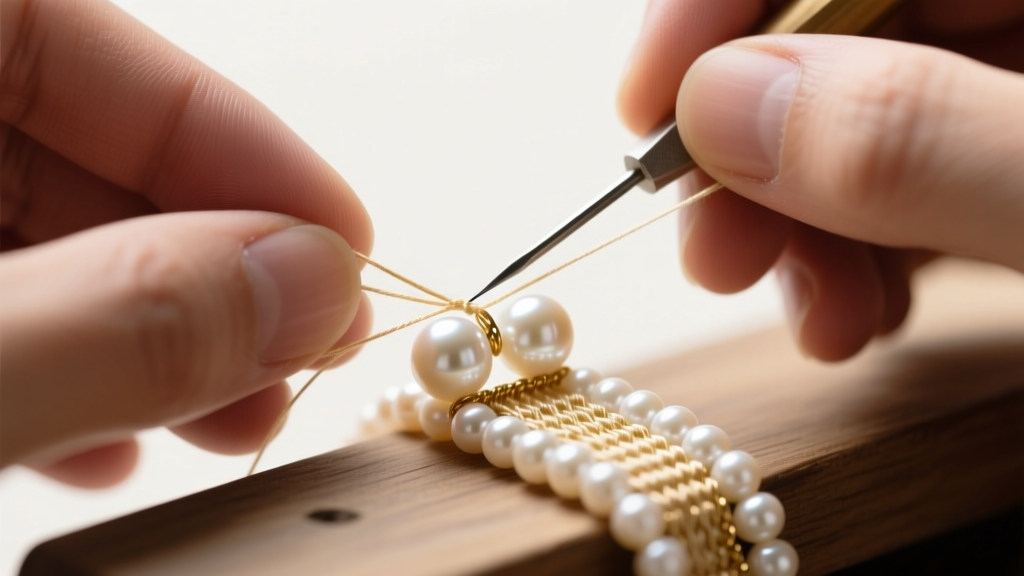
When to Restring
Inspect your necklace every six months. Gently pull the thread on either side of a knot. If you see more than 1mm of slack or exposed thread, the silk has stretched and the necklace needs immediate restringing to prevent a break. As a general rule:
- Frequent Wear (Weekly): Restring every 12 to 18 months.
- Occasional Wear (Monthly): Restring every 2 to 3 years.
- Rare Wear (Annually): Restring every 5 years, as silk degrades over time regardless of wear.
The Importance of French Wire (Gimp)
When taking your multi strand necklace to a master stringer, ensure they use French wire (also known as gimp) at the clasp connection. French wire is a microscopic, coiled metal spring that wraps around the silk where it loops through the metal clasp ring. Because the clasp is usually made of gold or silver (which have microscopic abrasive edges), the metal-on-metal friction of the gimp protects the silk from being sawed in half during wear.
Expert Insight: For multi-strand rice pearl designs, ensure your jeweler uses a multi-strand clasp (such as a tube clasp or a specialized slide lock) rather than bundling all strands into a single standard spring ring. Bundling creates severe torsion stress on the inner strands, leading to premature fraying.
Wearing Protocols: The "Last On, First Off" Rule
Preventative maintenance is always easier than restorative cleaning. The golden rule of wearing pearls is "Last On, First Off." Your multi strand rice pearl necklace should be the very last thing you put on after your hair is styled, your makeup is set, and your perfume has dried. Alcohol and essential oils found in perfumes and hairsprays will instantly strip the nacre's natural luster and leave a cloudy, irreversible film.
Conversely, it should be the first thing you take off when you return home. Wipe it down with your dry microfiber cloth before placing it in its flannel pouch. By combining mindful wearing habits with the meticulous cleaning and storage protocols detailed above, your multi strand rice pearl necklace will retain its breathtaking, organic luster for generations.


