Hindu Necklace Materials: Gold, Panchdhatu & Silver Compared
Compare traditional Hindu necklace materials like 22k gold, Panchdhatu, and sterling silver. Discover durability, purity, and styling tips.

Introduction to Hindu Necklace Metallurgy
A traditional Hindu necklace is far more than a decorative accessory; it is a profound intersection of spiritual symbolism, cultural heritage, and advanced metallurgy. From the heavy, intricate temple jewelry of Tamil Nadu to the delicate, bead-strung Mangalsutras of Northern India, the materials chosen for these pieces are dictated by both Vedic traditions and the physical limitations of the metals themselves. When evaluating a Hindu necklace, understanding the specific alloy compositions, purity grades, and structural properties is essential for making an informed investment. In this guide, we deconstruct the primary materials used in these sacred ornaments, comparing their physical properties, longevity, and modern safety standards.
The Purity Standard: 22K vs. 24K Gold in Temple Jewelry
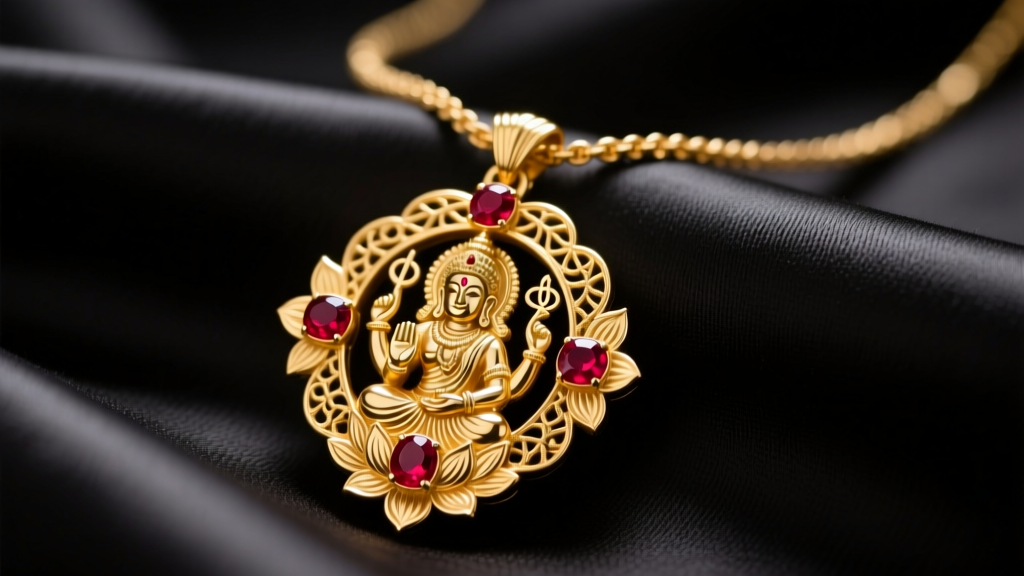
Gold is the undisputed cornerstone of Hindu bridal and temple jewelry. However, a common misconception among buyers is that higher purity always equates to better jewelry. According to the Gemological Institute of America (GIA), pure 24K gold registers at roughly 25 on the Vickers Hardness (HV) scale. This extreme malleability makes 24K gold entirely unsuitable for the structural demands of heavy Kundan, Polki, or Jadau settings, as the prongs and bezels would easily bend and drop the gemstones.
Alloy Composition and Tensile Strength
To achieve the necessary tensile strength, master jewelers utilize 22K gold (91.6% purity), which is alloyed with copper, silver, and sometimes zinc. This specific mixture raises the Vickers Hardness to approximately 85-90 HV, providing the rigid framework required to secure uncut diamonds and heavy cabochons. As of 2026, the Bureau of Indian Standards (BIS) strictly mandates the 916 hallmark for 22K gold jewelry, ensuring consumers are protected against under-karating. When purchasing a heavy Hindu necklace, always verify the BIS hallmark laser-engraved on the clasp or the back of the central pendant.
Panchdhatu: The Sacred Five-Metal Alloy
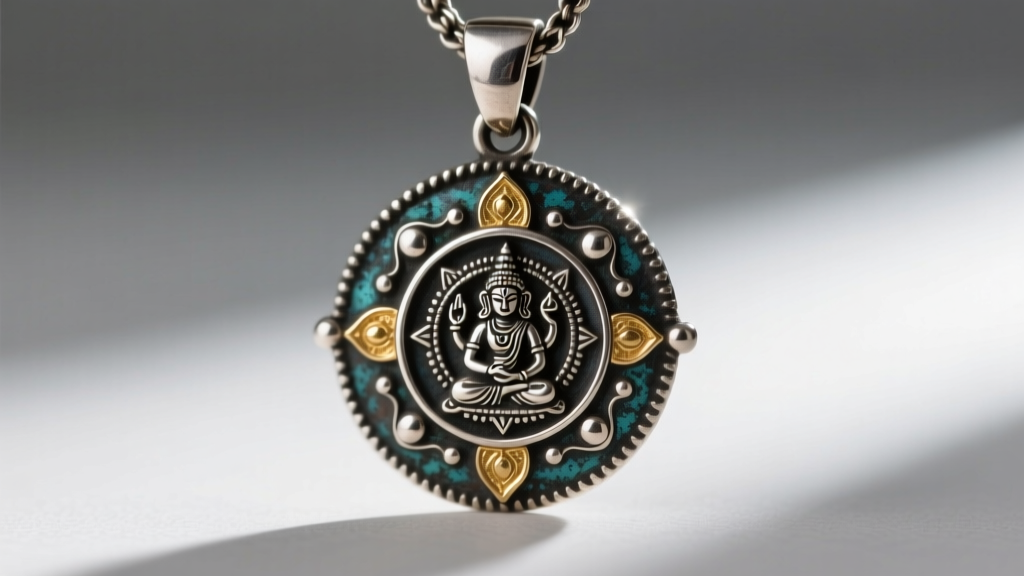
Panchdhatu, translating literally to "five metals," holds immense astrological and spiritual significance in Hinduism. It is believed to balance the wearer's doshas and attract positive planetary energies. Historically, the five metals comprised gold, silver, copper, zinc, and lead. The copper and silver create a natural galvanic cell, which ancient texts claimed generated a subtle bio-electric field against the skin.
Modern Safety and Skin Reactivity
From a modern metallurgical and health perspective, the inclusion of lead in wearable jewelry is highly problematic. Lead is a toxic heavy metal that can cause severe neurological issues through prolonged dermal absorption. Fortunately, modern jewelry manufacturing has evolved. Today, authentic Panchdhatu Hindu necklace pendants substitute toxic lead with food-safe tin or nickel-free brass to meet strict global safety regulations like REACH and CPSIA. When sourcing a Panchdhatu amulet or pendant, always request a metallurgical assay certificate from the jeweler to ensure the piece is lead-free and safe for daily wear against the skin.
"The spiritual efficacy of Panchdhatu relies on the harmonious blending of the metals. Modern smelting techniques allow us to maintain this energetic balance while entirely eliminating the historical reliance on toxic lead." — Master Metallurgist, Jaipur Jewelry Guild.
Sterling Silver and Oxidized Finishes
While gold dominates bridal wear, silver is the preferred metal for daily devotional jewelry and regional temple ornaments, particularly in Gujarat and Rajasthan. A high-quality silver Hindu necklace will be crafted from 925 Sterling Silver (92.5% pure silver, 7.5% copper). The copper adds the necessary durability for intricate repoussé and chasing techniques used to depict deities like Hanuman or Shiva.
Many traditional silver pieces feature an oxidized finish. This is not a sign of tarnish or neglect, but a deliberate chemical treatment. Jewelers expose the finished silver to liver of sulfur (potassium sulfide), which rapidly accelerates oxidation, turning the metal black. The piece is then lightly polished, leaving the dark oxidation trapped in the deep crevices of the carving while the raised surfaces shine brightly. This high-contrast finish highlights the three-dimensional relief work that would otherwise be lost in highly polished silver.
Material Comparison Matrix
To help you choose the right material for your specific needs, refer to the comparative data table below. This matrix breaks down the physical properties and maintenance requirements of the most common metals used in Hindu necklaces.
| Material | Purity / Grade | Vickers Hardness (HV) | Tarnish Profile | Best Use Case |
|---|---|---|---|---|
| 24K Gold | 99.9% Pure | ~25 HV | None (Highly inert) | Lightweight chains, investment coins |
| 22K Gold | 91.6% (916 Hallmark) | ~85-90 HV | Very Low | Heavy bridal sets, Kundan/Polki settings |
| Panchdhatu | 5-Metal Alloy (Lead-free) | ~60-75 HV | Moderate (Copper reacts) | Sacred pendants, astrological amulets |
| Sterling Silver | 92.5% Pure | ~65 HV | High (Requires maintenance) | Daily wear, oxidized temple jewelry |
Thread, Silk, and the Mangalsutra Base
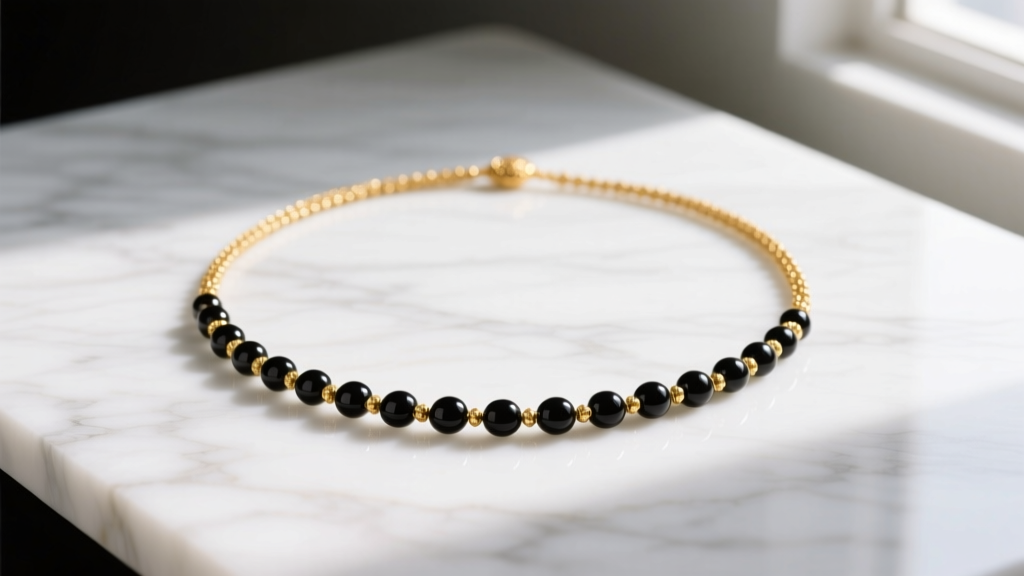
Not all Hindu necklaces rely entirely on metal chains. The Mangalsutra, a sacred marital necklace, frequently incorporates alternative base materials. The black beads traditionally strung on a Mangalsutra are designed to ward off the evil eye. While historically made from dyed glass, premium modern iterations use faceted black onyx or black spinel, which offer a Mohs hardness of 6.5 to 7.5, ensuring they resist scratching against the gold clasps.
The base thread is equally important. Traditional Kalava or Mangalsutra threads are spun from pure cotton or mulberry silk, dyed using natural turmeric and kumkum. However, natural fibers degrade over time due to sweat, sebum, and friction. For a 2026 perspective on longevity, many contemporary jewelers now use a core of high-tensile synthetic nylon coated in a silk-like exterior. This provides the traditional aesthetic while increasing the tensile strength by over 300%, preventing the catastrophic failure of a heavy gold pendant snapping off the neck.
Care and Maintenance by Material
Proper maintenance of a Hindu necklace requires material-specific protocols. Using the wrong cleaning method can permanently damage porous gemstones or strip delicate enamel work.
- 22K Gold with Meenakari (Enamel): Never use ultrasonic cleaners or harsh chemical dips. The high-frequency vibrations will shatter the glass-based enamel. Instead, use a mild solution of Reetha (soapnut) extract and a soft baby toothbrush to gently lift oils from the gold filigree.
- Oxidized Silver: Avoid standard silver polishing cloths, as they contain mild abrasives that will strip the intentional black oxidation from the raised surfaces. Clean only with a damp microfiber cloth and mild, phosphate-free dish soap.
- Panchdhatu Amulets: Because of the copper content, Panchdhatu can develop a greenish patina (verdigris) when exposed to acidic sweat. Wipe the pendant daily with a dry, lint-free cloth and store it in an anti-tarnish bag with silica gel packets when not in use.
Conclusion
Selecting the right Hindu necklace requires looking beyond the aesthetic beauty and understanding the metallurgical realities of the piece. Whether you are investing in a rigid 22K gold temple necklace designed to hold heavy uncut diamonds, a spiritually significant lead-free Panchdhatu pendant, or a high-contrast oxidized silver choker, knowing the material properties ensures your jewelry will endure for generations. Always prioritize verified hallmarks, modern safety standards, and material-specific care routines to protect both your investment and your heritage. For more data on global gold standards and purity metrics, consult the World Gold Council.


