A Beginner’s Guide to Buying a Turquoise and Diamond Necklace
Learn how to choose, authenticate, and style a turquoise and diamond necklace. Discover stone grades, metal pairings, and pricing tips.

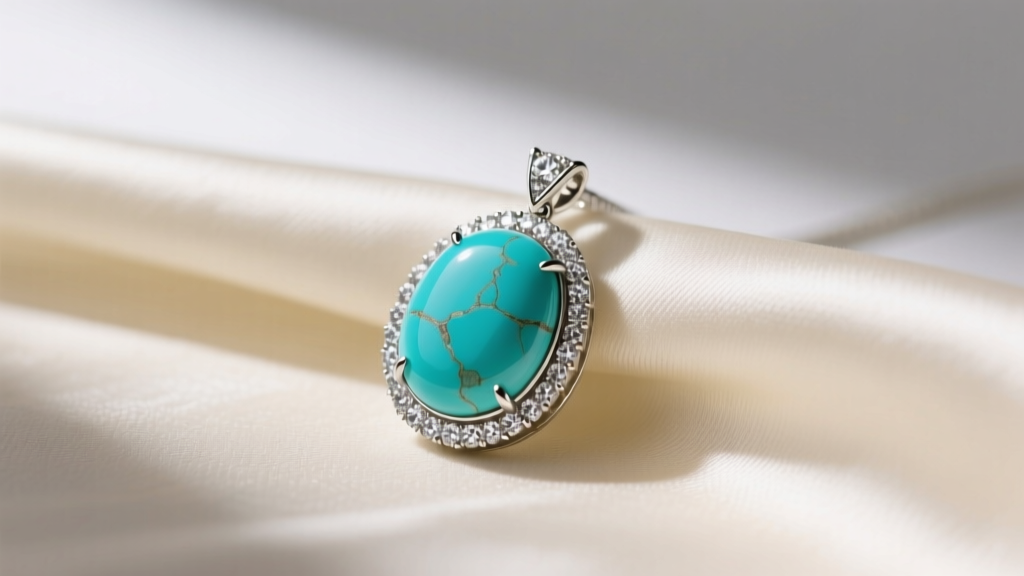
When it comes to fine jewelry, few combinations capture the imagination quite like a turquoise and diamond necklace. The striking contrast between the opaque, earthy vibrancy of turquoise and the icy, light-reflecting brilliance of diamonds creates a piece that is both timeless and distinctly modern. For beginners stepping into the world of colored gemstones, navigating the nuances of turquoise grading, diamond accents, and metal pairings can feel overwhelming. This comprehensive guide breaks down everything you need to know to make an informed, confident purchase.
The Magic of Contrast: Why This Pairing Works
Turquoise has been prized for millennia, revered by ancient civilizations from the Egyptians to the Aztecs for its protective qualities and striking sky-blue to green hues. Diamonds, conversely, represent ultimate clarity and durability. When paired in a pendant or necklace, the diamonds act as a brilliant frame, elevating the relatively soft turquoise (which sits at a 5 to 6 on the Mohs hardness scale) into a piece of high-end luxury. The sparkle of the diamonds draws the eye directly to the rich color of the central cabochon, creating a balanced focal point that works for both daytime elegance and evening wear.
Decoding Turquoise: Natural vs. Stabilized
The most critical concept for any beginner to grasp is the difference between natural and stabilized turquoise. Because high-quality, gem-grade turquoise is incredibly rare and naturally porous, the vast majority of turquoise on the market today undergoes some form of treatment. Understanding these treatments is key to knowing what you are paying for.
| Turquoise Type | Characteristics | Market Value |
|---|---|---|
| Natural (Untreated) | Hard enough to be cut and polished without chemicals. Often features beautiful matrix (veining). | Highest ($150 - $500+ per carat) |
| Stabilized | Softer stones treated with clear epoxy resin under pressure to enhance durability and color. | Moderate ($20 - $80 per carat) |
| Dyed / Reconstituted | Chalky turquoise dust mixed with resin and artificial dyes. Lacks natural value. | Low ($5 - $15 per piece) |
According to the Gemological Institute of America (GIA), stabilization is an accepted industry practice, provided it is disclosed. A stabilized turquoise and diamond necklace is an excellent choice for everyday wear, as the resin prevents the stone from absorbing oils, lotions, and moisture that can alter its color over time.
Notable Mine Sources
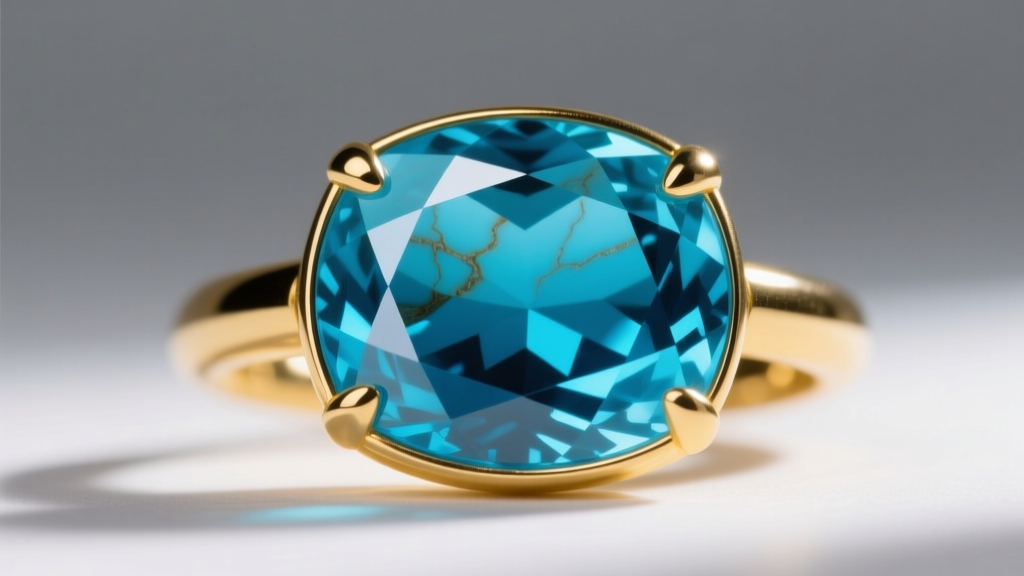
Provenance matters in the turquoise world. Sleeping Beauty (Arizona) is famous for its pure, robin-egg blue color with little to no matrix, making it highly coveted for diamond halo pendants. Kingman (Arizona) is celebrated for its deep blues and striking black or brown pyrite matrix, offering a more rugged, organic look.
Understanding Diamond Accents: The Role of Melee
In a turquoise and diamond necklace, the turquoise is the star, meaning the diamonds are typically used as accents. These small diamonds are known in the trade as melee (pronounced meh-lay). As noted in GIA's guide on diamond melee, these stones usually weigh between 0.01 and 0.18 carats and are cut in either single-cut (17 or 18 facets) or full-cut (57 or 58 facets) styles.
Color and Clarity Sweet Spots
Beginners often mistakenly believe they need flawless, colorless diamonds for a pendant. This is an unnecessary expense. Because the melee diamonds are small and set closely together in pave or halo settings, minor inclusions are invisible to the naked eye.
- Clarity: SI1 to SI2 (Slightly Included) is perfectly acceptable and significantly reduces the price.
- Color: G to H (Near Colorless) provides a bright, white sparkle that contrasts beautifully with the blue or green turquoise without the premium of D-F colorless grades.
Metal Selection: Framing Your Stones
The metal you choose for your necklace chain and pendant setting drastically alters the overall aesthetic.
- 18k Yellow Gold: The traditional choice. The warm, rich tones of yellow gold complement the earthy matrix of Kingman turquoise and provide a vintage, Southwestern-inspired luxury feel.
- 14k or 18k White Gold / Platinum: Offers a sleek, modern contrast. The cool white metal blends seamlessly with the diamond halo, making the central turquoise cabochon appear to float in a ring of pure light.
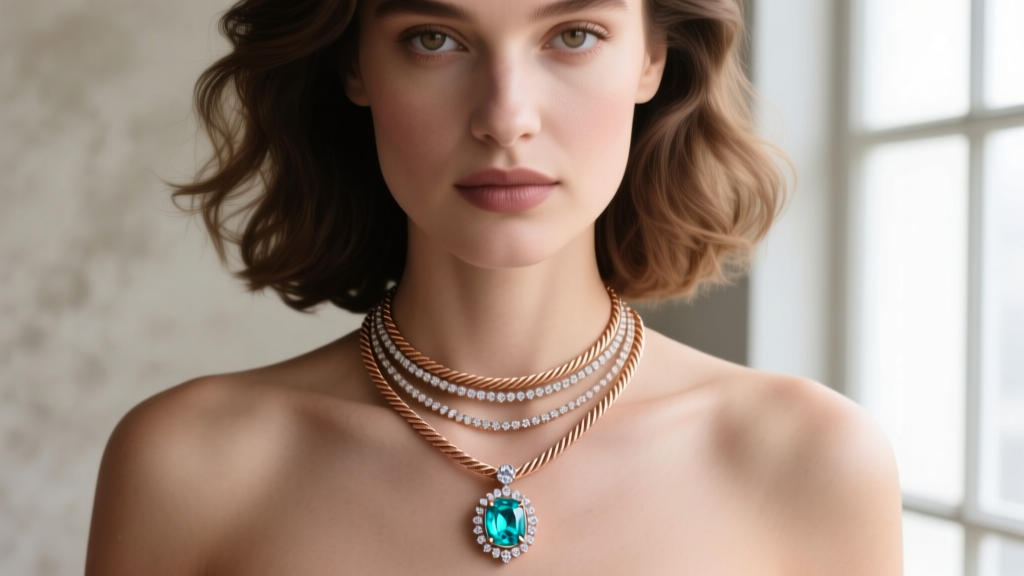
- 14k Rose Gold: A contemporary favorite. The subtle pink-copper undertones of rose gold create a unique, romantic warmth that pairs exceptionally well with green-leaning turquoise varieties.
Pricing Tiers: What Should You Expect to Pay?
Setting a realistic budget is essential. The price of a turquoise and diamond necklace is driven by the origin and treatment of the turquoise, the total carat weight of the diamond melee, and the precious metal used.
Entry-Level ($400 - $900): Features stabilized turquoise, single-cut diamond melee (approx. 0.10 total carat weight), and 10k or 14k gold settings. Excellent for trendy, everyday pieces.
Mid-Tier ($900 - $2,500): Includes natural or high-grade stabilized turquoise from recognized mines, full-cut G-H color melee diamonds (0.25 - 0.50 ctw), and 14k or 18k gold chains (16 to 18 inches).
Investment Grade ($2,500 - $8,000+): Showcases rare, untreated gem-grade Sleeping Beauty or Lander Blue turquoise, premium diamond halos (0.75+ ctw, VS clarity), and heavy 18k gold or platinum craftsmanship.
Essential Care Rules for Porous Gems
Turquoise requires specific care to maintain its vibrant color and structural integrity. Unlike diamonds, which can withstand harsh cleaning methods, turquoise is highly sensitive to chemicals and heat.
Golden Rule: Never put a turquoise and diamond necklace in an ultrasonic cleaner or use steam cleaning. The vibrations can fracture the stone, and the heat can melt stabilization resins or alter the stone's natural color.
To clean your necklace, simply use a soft, lint-free microfiber cloth lightly dampened with plain water to wipe away surface oils. Always apply perfumes, hairsprays, and lotions before putting on your jewelry. When storing, keep the necklace in a soft pouch away from harder gemstones (like diamonds or sapphires) that could scratch the turquoise's relatively soft surface.
By understanding the interplay between turquoise grades, diamond melee quality, and metal pairings, you can confidently select a turquoise and diamond necklace that is not only a stunning accessory but a lasting piece of wearable art.


