How to Choose the Perfect Necklace With Light: 2026 Guide
Discover what to look for when buying a necklace with light. Compare LED, fiber optic, and glow pendants, battery life, and IP ratings for 2026.

The Evolution of Illuminated Jewelry
Once relegated to cheap plastic rave accessories and novelty gag gifts, illuminated jewelry has undergone a massive technological and aesthetic renaissance. Today, a high-quality necklace with light is a sophisticated intersection of wearable technology, material science, and avant-garde fashion. Whether you are looking for a subtle ambient glow for evening wear, a high-lumen safety pendant for nighttime running, or a kinetic light piece for festival fashion, the market in 2026 offers unprecedented variety. However, the integration of electronics into body-worn accessories introduces unique challenges regarding skin safety, battery chemistry, and water resistance. This comprehensive buying guide will dissect the core technologies, material grades, and safety standards you must evaluate before purchasing an illuminated pendant.
Core Technologies: How Your Necklace With Light Actually Works
Not all light-emitting jewelry is created equal. The visual effect, power consumption, and durability of your pendant depend entirely on the underlying photon-delivery system. There are three primary technologies dominating the current market.
Micro-LED and SMD Diodes
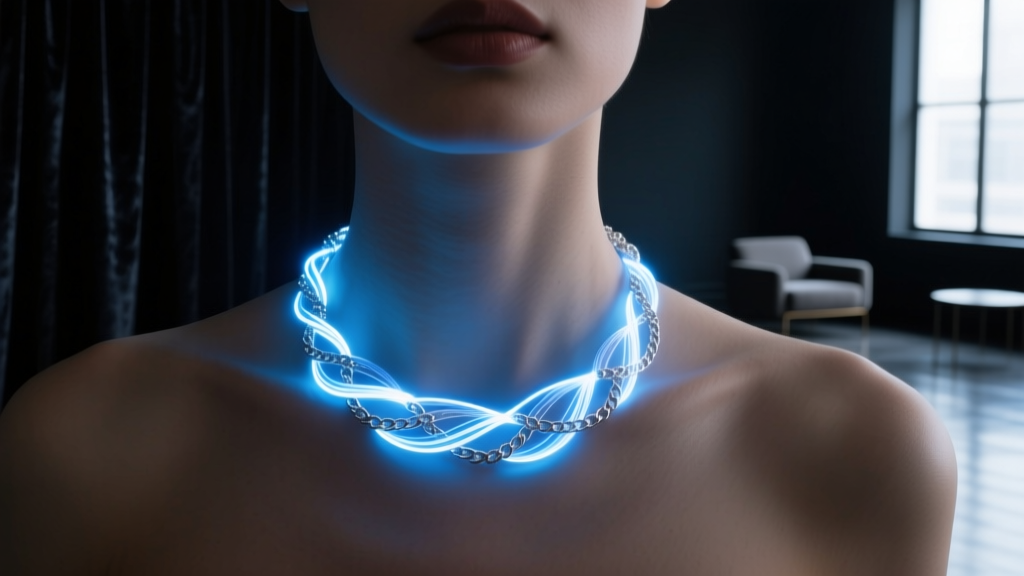
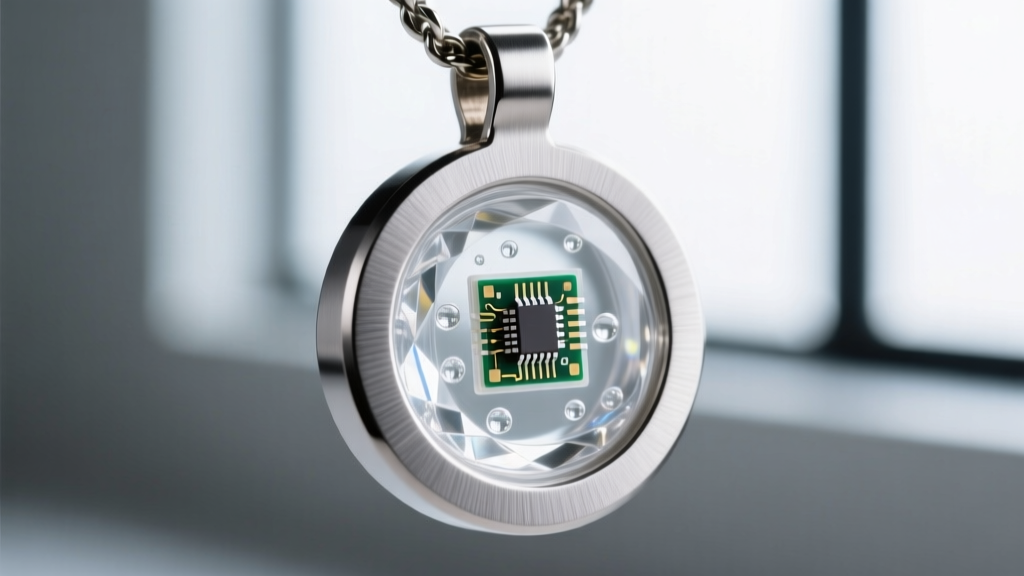
Modern LED pendants utilize Surface-Mount Device (SMD) diodes, specifically the 0402 or 0603 metric codes. An 0402 SMD LED measures a mere 1.0mm x 0.5mm, allowing jewelers to embed brilliant point-light sources directly into gemstone settings or minimalist metal casings. These diodes offer high luminous efficacy (often exceeding 150 lumens per watt) and are available in precise color temperatures, from warm 2700K amber to crisp 6000K daylight. When buying an LED pendant, look for diffused epoxy resin caps over the diode; bare-chip LEDs create a harsh, blinding pinpoint effect, whereas diffused caps create a soft, ambient halo.
Fiber Optic Filaments
For a continuous line of illumination rather than a single point source, designers use polymethyl methacrylate (PMMA) fiber optic strands. Side-glow fiber optics are etched or textured along their surface to leak light laterally, creating a neon-tube effect that can be woven into chainmail or braided into leather cords. The light source is usually a hidden micro-LED tucked inside the clasp or a discreet metallic bead, which shoots photons down the PMMA core. Ensure the fiber optic core is at least 1.5mm in diameter; thinner strands are highly prone to micro-fractures and light-bleed inconsistencies when bent around the neck.
Advanced Phosphorescent Compounds
If you want to avoid batteries entirely, modern glow-in-the-dark pendants rely on Strontium Aluminate (SrAl2O4) doped with Europium and Dysprosium. Unlike the outdated Zinc Sulfide powders of the 1990s that faded in 30 minutes, high-grade Strontium Aluminate absorbs UV and ambient light, emitting a vibrant, visible glow for 10 to 14 hours. When shopping for phosphorescent resin or enamel pendants, verify the manufacturer uses Grade 4 or Grade 5 glow powder (particle sizes between 75-150 microns). Smaller particles yield a smoother finish but significantly reduce the duration and intensity of the afterglow.
Power Sources: Battery Chemistry and Safety
The power delivery system is the most critical point of failure—and the highest safety risk—in any electronic jewelry. Enclosing a battery against the skin requires rigorous engineering.
| Battery Type | Typical Dimensions | Average Lifespan | Best Use Case |
|---|---|---|---|
| CR1220 Lithium Coin | 12mm x 2.0mm | 40-60 Hours | Ultra-thin, minimalist LED pendants |
| CR1632 Lithium Coin | 16mm x 3.2mm | 100-120 Hours | Standard fiber-optic and multi-LED pieces |
| USB-C Li-Po Cell | Custom Pouch | 8-12 Hours (Rechargeable) | High-lumen safety and programmable RGB pendants |
Safety Warning: If you opt for a rechargeable Lithium-Polymer (Li-Po) necklace, the casing must feature a micro-vent or pressure-release membrane. Li-Po cells can swell and vent toxic gases if they degrade or experience a short circuit. Never buy a rechargeable light-up pendant encased in unvented, sealed glass or solid resin. Furthermore, the U.S. Consumer Product Safety Commission (CPSC) heavily warns about the ingestion and chemical burn risks of loose button cells; ensure your pendant's battery compartment requires a micro-screwdriver or a specialized dual-action latch to open, rather than a simple twist-cap.
Material Grades and Dermatological Safety
Electronics generate heat, and batteries can leak alkaline or acidic compounds. The metal casing of your necklace with light acts as the barrier between these hazards and your skin. Avoid base metals like brass or copper-nickel alloys, which can cause severe reactions when combined with the slight electrical currents and sweat.
- Grade 23 Titanium (Ti-6Al-4V ELI): The gold standard for electronic jewelry casings. It is completely biocompatible, non-magnetic (which prevents interference with internal micro-circuits), and highly resistant to the corrosive effects of human sweat.
- 316L Surgical Stainless Steel: A highly acceptable, more affordable alternative. It contains molybdenum, which increases resistance to chloride corrosion (sweat). However, those with severe nickel allergies should still exercise caution.
- Ceramic Zirconia: An excellent choice for LED housings because it is electrically insulating and thermally stable, preventing the pendant from feeling unnaturally warm against the chest.
According to the National Institutes of Health (NIH), allergic contact dermatitis from jewelry is predominantly triggered by nickel and cobalt release. Because illuminated pendants require conductive contact points for charging or battery doors, ensure these specific contact nodes are gold-plated or made of pure titanium to prevent galvanic skin reactions.
Durability: Decoding IP Ratings for Active Wear
A necklace worn against the skin is constantly exposed to humidity, perspiration, and cosmetic products. The Ingress Protection (IP) rating dictates whether your illuminated pendant will survive a night out or a rainy evening run. The National Electrical Manufacturers Association (NEMA) outlines these standards, but jewelry manufacturers often misrepresent them.
IPX4 (Splash Resistant): Survives light sweating and accidental rain splashes. Suitable for casual evening wear and indoor festivals. Do not submerge.
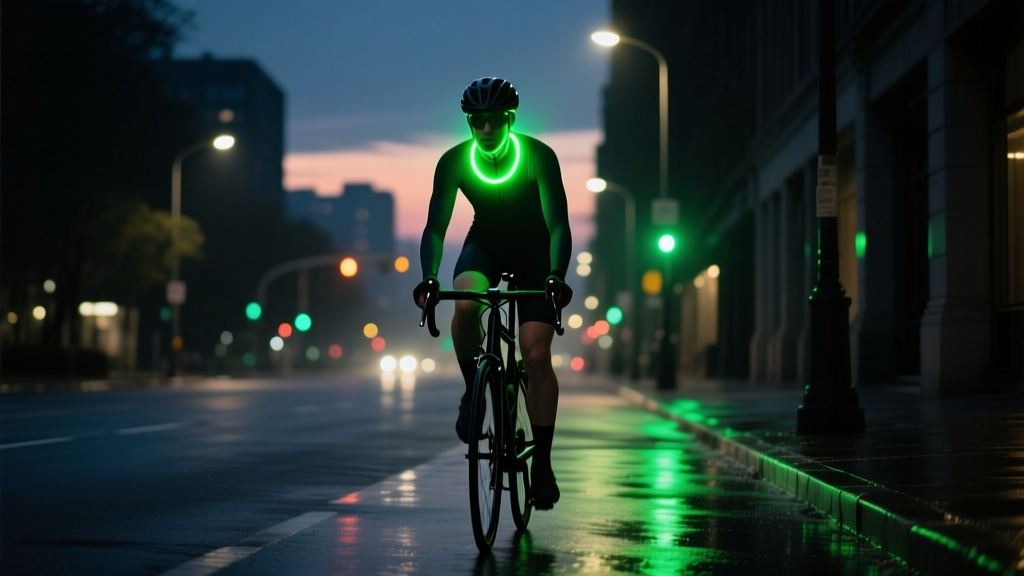
IPX7 (Temporary Submersion): Can withstand being dropped in a puddle or worn in heavy rain. The casing is sealed with medical-grade silicone O-rings. Ideal for runners and cyclists.
Avoid any electronic pendant that does not explicitly state an IP rating. "Water-resistant" is an unregulated marketing term that offers zero protection against the highly corrosive nature of human perspiration, which can quickly oxidize internal micro-solder joints and kill the LED driver.
Final Verdict: Matching the Glow to Your Lifestyle
Selecting the right necklace with light requires balancing aesthetic preferences with technical realities. For subtle, high-fashion evening wear, a Strontium Aluminate resin pendant set in Grade 23 Titanium offers a maintenance-free, ethereal glow without the bulk of a battery compartment. For high-visibility safety during nighttime athletics, a USB-C rechargeable SMD LED pendant with an IPX7 rating and a diffused optical lens is non-negotiable. By scrutinizing the battery chemistry, verifying the IP ratings, and insisting on hypoallergenic casing materials, you can safely integrate illuminated technology into your everyday jewelry rotation.


