How to Clean and Care for Your Little Mermaid Necklace
Keep your little mermaid necklace sparkling. Learn expert cleaning tips for pearls, enamel, and vermeil ocean-inspired jewelry to prevent tarnish.

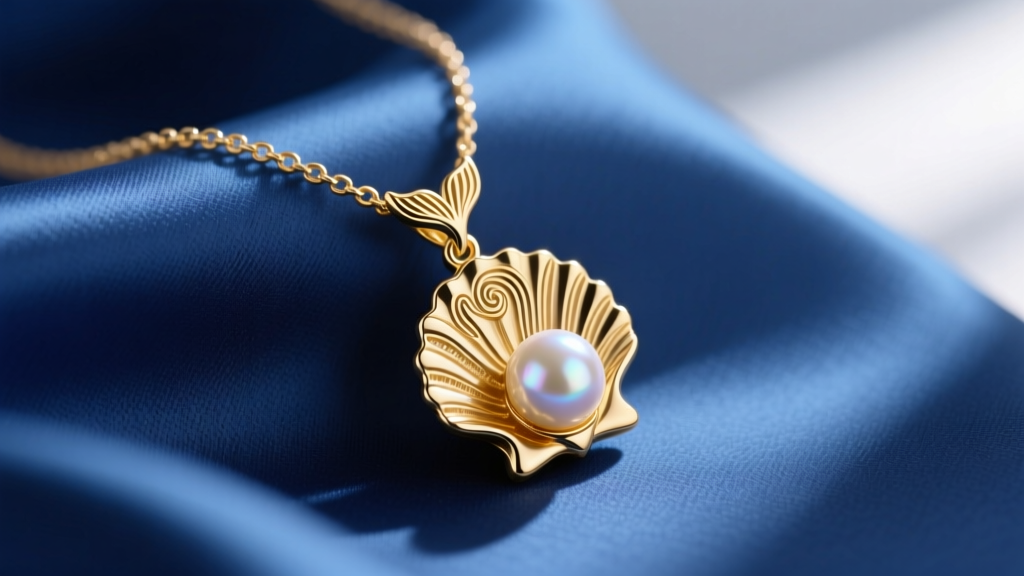
The Resurgence of Oceanic Jewelry in 2026
As the 'mermaidcore' and coastal aesthetic trends continue to evolve in 2026, the little mermaid necklace remains a staple in ocean-inspired jewelry collections. Characterized by whimsical motifs like scallop shells, starfish, mermaid tails, and iridescent scales, these pieces are rarely made from a single material. Instead, they are intricate assemblies of gold vermeil, sterling silver, freshwater pearls, vitreous enamel, and sometimes cubic zirconia or resin. While this mixed-media approach creates breathtaking, multidimensional pendants and chains, it creates a significant challenge for jewelry care. You cannot simply toss a mixed-material piece into an ultrasonic cleaner or soak it in harsh silver dips. Doing so will strip gold plating, fracture enamel, and permanently cloud delicate pearls.
To preserve the magic of your little mermaid necklace, you must adopt a targeted, material-specific maintenance routine. This comprehensive guide breaks down the exact chemistry of jewelry degradation and provides actionable, professional-grade cleaning protocols to keep your oceanic treasures looking as though they just emerged from the sea.
Material Breakdown and Vulnerability Matrix
Before applying any cleaning solution, you must identify the exact materials comprising your necklace. The Mohs hardness scale and chemical reactivity dictate how each component will respond to moisture, friction, and cleaning agents. Below is a diagnostic table to help you assess your jewelry's specific vulnerabilities.
| Material Component | Mohs Hardness | Primary Vulnerability | Safe Cleaning Method |
|---|---|---|---|
| Gold Vermeil (2.5µm+ gold over silver) | N/A (Metal) | Plating wear, chemical tarnish, abrasion | Mild pH-neutral soap, microfiber cloth |
| Freshwater Pearl (Organic Gem) | 2.5 - 4.5 | Acids, cosmetics, dehydration, heat | Damp cloth only, zero soaking |
| Vitreous Enamel (Fused Glass) | 5.0 - 7.0 | Chipping, thermal shock, harsh chemicals | Soft brush, avoid extreme temperature shifts |
| Cubic Zirconia (Simulated Diamond) | 8.0 - 8.5 | Grease buildup, clouding from lotions | Warm soapy water, soft bristle brush |
| Resin / Epoxy (Scale details) | 2.0 - 3.0 | Alcohol solvents, scratching, UV yellowing | Dry dusting, slightly damp cloth only |
The Chemistry of Tarnish and Nacre Degradation
Understanding why your jewelry degrades is the first step in preventing it. Sterling silver, the base metal for most high-quality little mermaid necklaces, reacts with sulfur compounds in the air and on human skin to form silver sulfide—a dark, dull layer we recognize as tarnish. When the silver is coated in gold vermeil, the gold itself does not tarnish, but microscopic pores or scratches in the plating can allow moisture and sulfur to reach the silver core, causing localized black spots that push through the gold layer.
Pearls, a common centerpiece in mermaid-themed pendants, are composed of nacre (calcium carbonate). According to the Gemological Institute of America (GIA), calcium carbonate is highly susceptible to acidic degradation. Everyday substances like perfume, sweat, hairspray, and even fruit juices contain acids that will slowly eat away at the nacre, causing the pearl to lose its orient (iridescence) and become chalky. Furthermore, pearls contain trace amounts of water; storing them in overly dry environments or exposing them to high heat can cause the nacre layers to crack and peel.
Step-by-Step Cleaning Protocol
Because your necklace likely features a combination of the materials listed above, you must use the 'lowest common denominator' approach to cleaning. Always default to the gentlest method required by the most fragile component (usually the pearl or resin).
Phase 1: The Dry Polish (Weekly Maintenance)
Before introducing any liquids, remove surface oils and dust. Use a clean, untreated microfiber or specialized jewelry polishing cloth. Gently wipe the metal chain and the back of the pendant where it rests against your skin. This area accumulates the most sebum and sweat. Avoid rubbing the cloth aggressively over enamel details or pearl settings, as trapped dust particles can act like sandpaper, causing micro-scratches on softer surfaces.
Phase 2: The Wet Wash (Monthly Deep Clean)
If your necklace lacks pearls, resin, or glued-in components, you can proceed with a mild wet wash. If it contains pearls or glued enamel, skip to the spot-cleaning section below.
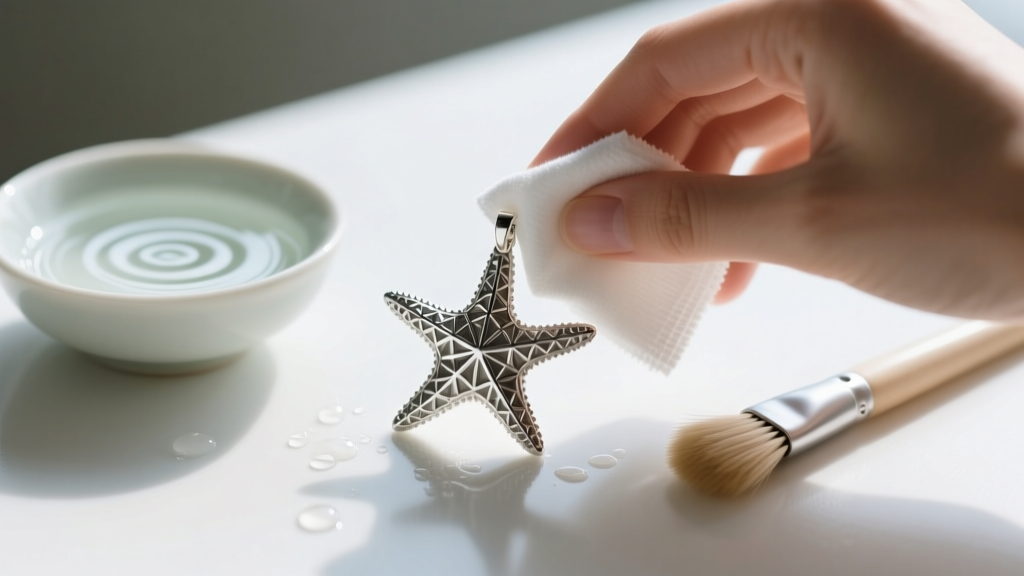
- The Solution: Mix three drops of pH-neutral, lotion-free dish soap (such as original Dawn) into a bowl of lukewarm distilled water. Avoid tap water, as chlorine and hard water minerals can leave spots on metal and cloud gemstones.
- The Soak: Submerge the metal chain and non-porous pendants for exactly 3 to 5 minutes. Do not exceed this time, as prolonged water exposure can weaken jewelry adhesives used to secure small cubic zirconia accents.
- The Agitation: Use an extra-soft baby toothbrush to gently sweep behind the mermaid tail or shell motifs, where dead skin cells and lotions accumulate. Brush in a single direction to avoid pushing debris deeper into crevices.
- The Rinse and Dry: Rinse thoroughly under a gentle stream of lukewarm distilled water. Immediately pat dry with a lint-free cloth. Never let jewelry air dry, as water evaporation will leave mineral deposits that dull the metal's shine.
Phase 3: Spot-Cleaning Pearls and Enamel
For the delicate components of your little mermaid necklace, never submerge them. Instead, dampen a cotton swab or a soft microfiber cloth in the mild soapy solution, wring it out until it is barely moist, and gently wipe the surface of the pearl or enamel. Follow immediately with a second cloth dampened only with distilled water to remove any soap residue, and dry instantly. The Jewelers of America strongly advises against using any commercial jewelry dips on organic gems, as the harsh chemicals will strip the pearl's natural luster permanently.
Storage Solutions for Ocean-Inspired Jewelry
Proper storage is arguably more critical than cleaning. The environment in which you store your little mermaid necklace dictates how quickly it will tarnish or degrade between wears.
- Climate Control: Store your jewelry in a room with stable humidity (ideally between 40% and 60%). Bathrooms are the worst possible location due to the extreme fluctuations in heat and humidity from showers, which accelerate silver tarnish and can warp resin components.
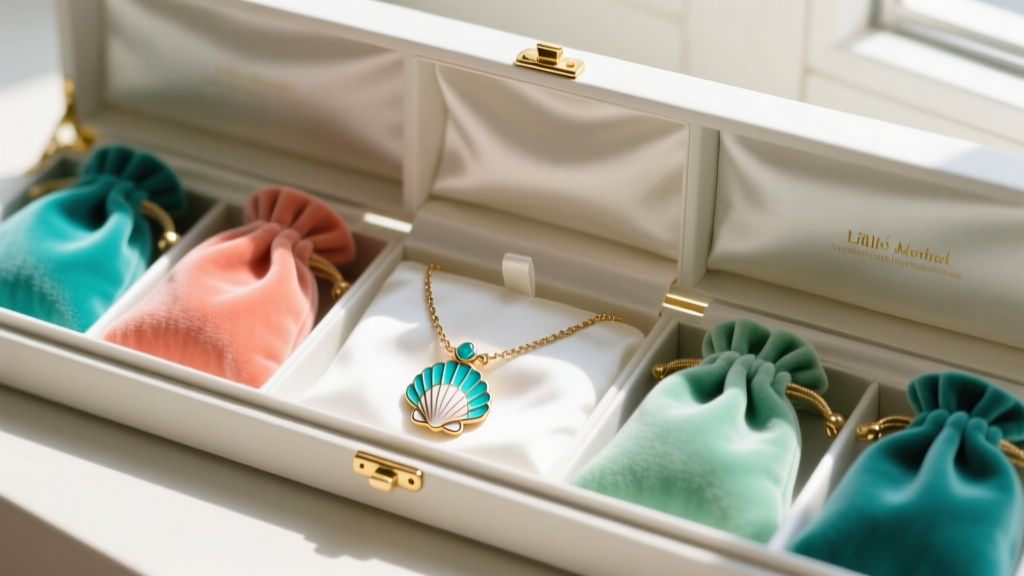
- Anti-Tarnish Strips: Place 3M anti-tarnish strips inside your jewelry box or storage pouch. These strips absorb sulfur and other corrosive gases from the air, significantly slowing the oxidation process of the sterling silver base.
- Individual Pouches: Never store your mermaid necklace in a tangled pile with other jewelry. The harder metals and gemstones from other pieces will easily scratch the gold vermeil and pearls. Store it flat in a soft, anti-tarnish flannel pouch.
Troubleshooting Common Issues
Even with meticulous care, oceanic jewelry can develop specific issues over time. Here is how to troubleshoot the most common problems associated with mermaid-themed necklaces.
Issue: The Pearl Looks Cloudy and Chalky
The Cause: Acid exposure from sweat or cosmetics has etched the surface of the nacre, or the pearl has become dehydrated.
The Fix: You cannot reverse severe acid etching, but you can restore mild dehydration. Put a single drop of pure, food-grade mineral oil or olive oil on a soft cloth and gently buff the pearl. This temporarily fills microscopic surface pores, restoring the illusion of luster and orient. Wipe away any excess oil immediately.
Issue: The Gold Vermeil is Fading or Turning Silver
The Cause: The gold plating has worn away due to friction, exposing the sterling silver core. This is common on the back of pendants and the clasp area.
The Fix: Cleaning will not restore the color. You must take the necklace to a professional jeweler for re-plating. Ensure they apply at least 2.5 microns of 14k or 18k gold to meet the official definition of vermeil, ensuring longevity. In the meantime, you can apply a microscopic layer of clear, non-yellowing nail polish to the bare silver areas to prevent them from tarnishing and turning your skin green.
Issue: Enamel Details are Chipping or Cracking
The Cause: Thermal shock (moving from extreme cold to extreme heat) or physical impact.
The Fix: Vitreous enamel is essentially fused glass. Once it chips, it cannot be repaired at home. The piece must be sent back to the original artisan or a specialized enamelist for re-firing. To prevent future chipping, never wear your enamel mermaid jewelry while swimming in cold oceans or hot tubs.
Final Thoughts on Preserving the Magic
A little mermaid necklace is more than just an accessory; it is a wearable piece of art that captures the romance of the ocean. By respecting the unique chemical properties of its mixed materials and adhering to a gentle, consistent cleaning routine, you ensure that your jewelry remains as captivating as the tides for decades to come. Remember the golden rule of jewelry care: your necklace should always be the last thing you put on when getting dressed, and the first thing you take off when you return home.


