Decoding Pearl Necklace Song Lyrics: A Jewelry Stylist's Guide
Explore the symbolism behind famous pearl necklace song lyrics and learn how to style the iconic Akoya and freshwater pearl looks for everyday wear.

The Intersection of Music and Gemology
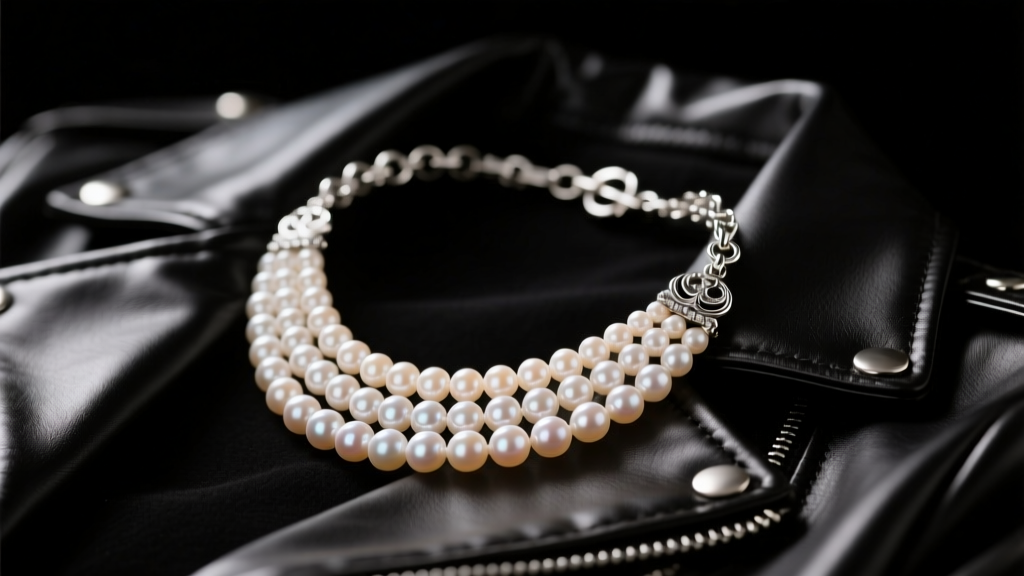
Music and jewelry have shared a deeply intertwined history for decades. From the rebellious rock anthems of the 1970s to the high-fashion hip-hop flexes of the modern era, pearls have consistently served as a powerful visual and lyrical motif. When fans and fashion enthusiasts search for pearl necklace song lyrics, they are often trying to decode the deeper symbolism behind their favorite artist's wardrobe choices. In songwriting, pearls frequently represent a duality: they are at once a symbol of traditional elegance and, when paired with leather or denim, a striking emblem of counter-culture rebellion.
However, moving from lyrical inspiration to building a physical jewelry collection requires a solid understanding of gemology. The pearls referenced in music videos and album covers are not just generic white beads; they are specific organic gemstones with distinct luster profiles, nacre thicknesses, and market values. This beginner-friendly explainer will bridge the gap between pop-culture inspiration and practical jewelry buying, teaching you exactly how to identify, purchase, and style the pearl necklaces immortalized in music.
Gemological Breakdown: Which Pearls Are in the Spotlight?
To replicate the looks found in your favorite music videos, you first need to understand the four primary types of cultured pearls used in fine jewelry today. Songwriters might simply use the word "pearl," but a jewelry stylist knows that the difference between a punk-rock choker and a red-carpet opera strand comes down to the pearl's origin and cultivation method.
| Pearl Type | Average Size | Luster Profile | 2026 Price Range (Strand) | Musical Aesthetic |
|---|---|---|---|---|
| Freshwater | 6mm - 12mm | Soft, satiny, diffused | $150 - $800 | Indie, Alt-Pop, Streetwear |
| Akoya (Saltwater) | 6mm - 9mm | Sharp, mirror-like, high-contrast | $800 - $4,500+ | Classic Rock, Jazz, Old Hollywood |
| Tahitian (Saltwater) | 8mm - 16mm | Deep, metallic, peacock overtones | $1,200 - $10,000+ | Heavy Metal, Goth, Avant-Garde |
| South Sea (Saltwater) | 10mm - 20mm | Soft, luxurious, golden/white glow | $3,000 - $25,000+ | Hip-Hop, High-Fashion Pop |
Most entry-level collections inspired by music start with freshwater pearls. These are tissue-nucleated, meaning they are composed of solid nacre all the way through, making them highly durable for daily wear. In contrast, Akoya pearls are bead-nucleated, offering that legendary, razor-sharp reflection that mimics stage spotlights, but they require a thicker nacre coating (at least 0.4mm) to prevent peeling over time.
Styling the Anthem: Lengths and Layering Techniques
The way a pearl necklace sits on the collarbone completely changes its cultural resonance. If you are drawing inspiration from specific pearl necklace song lyrics, pay close attention to the length of the strand described or shown in the accompanying visual media.
The 14 to 16-Inch Choker: Punk and Pop Rebellion
A choker-length pearl necklace sits tightly against the base of the neck. Historically associated with strict formality, the pearl choker was hijacked by punk and grunge musicians in the 1980s and 1990s as an ironic statement piece. To achieve this look today, opt for baroque (irregularly shaped) freshwater pearls or mixed-media strands that incorporate silver chains and safety-pin clasps. The imperfect shapes of baroque pearls catch the light unpredictably, giving off an edgy, unpolished vibe that perfectly complements a vintage band tee or a leather moto jacket.
The 32 to 36-Inch Opera: Hip-Hop and High Fashion
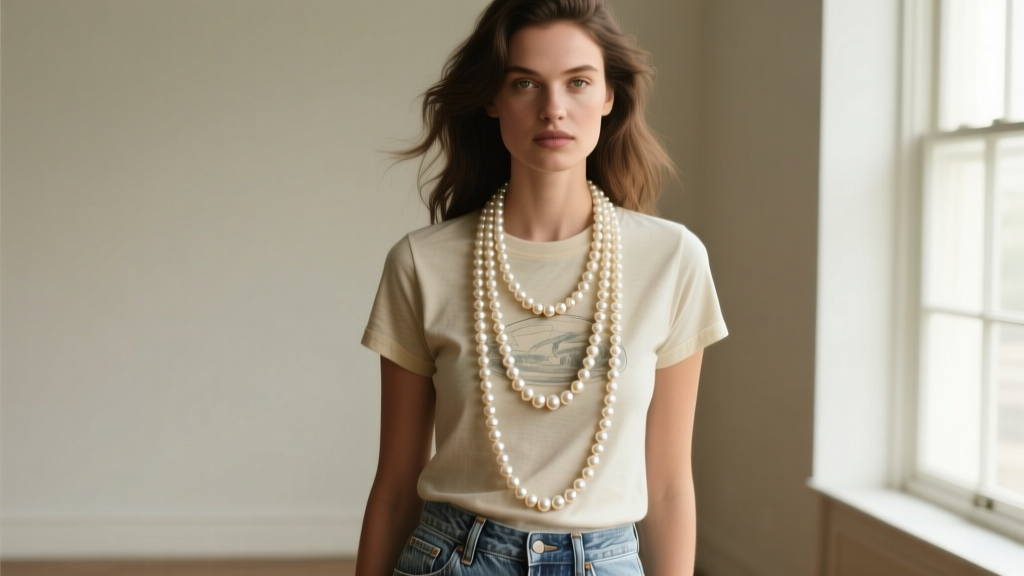
Opera-length pearls are a staple in hip-hop and modern pop, often worn draped low over streetwear or doubled up to create a massive, layered choker effect. When buying an opera-length strand, ensure it is individually knotted between every single pearl. This not only prevents the pearls from rubbing against one another and degrading their nacre, but it also ensures the strand drapes fluidly over clothing rather than stiffening up like a rigid hoop.
The 2026 Buyer’s Guide: Assessing Pearl Quality
Whether you are buying a piece to celebrate a lyrical milestone or simply investing in a timeless accessory, you must evaluate the pearls using the industry-standard quality factors established by the Gemological Institute of America (GIA). Do not rely on vague marketing terms like "premium" or "gem-grade." Instead, assess these three critical metrics:
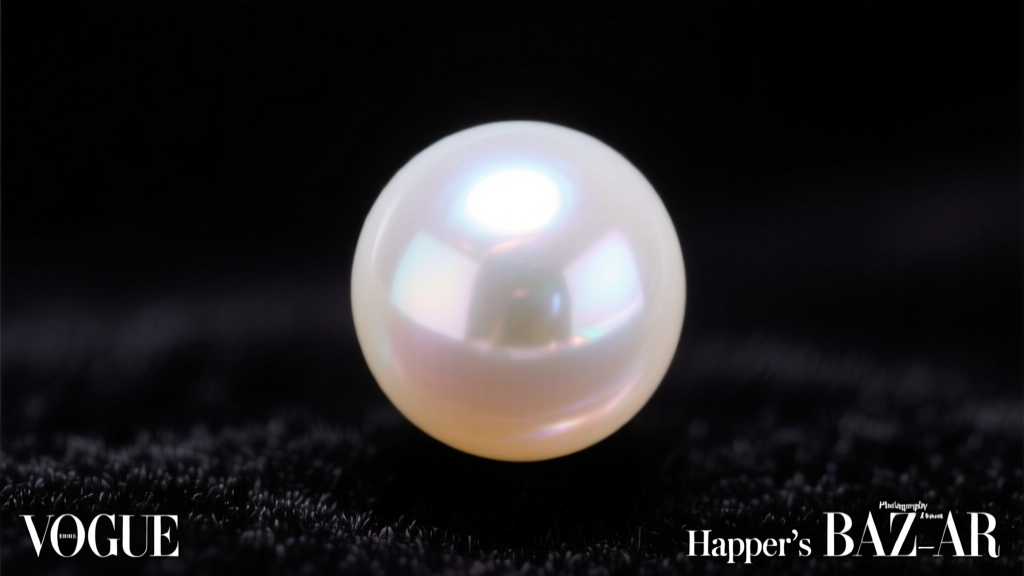
- Luster Quality: Luster is the most important value factor. Look at the reflection of a light source on the pearl's surface. High-quality Akoya pearls will show a crisp, distinct reflection where you can almost read text in the highlight. Low-quality pearls will look chalky, milky, or dull.
- Nacre Thickness: For bead-nucleated pearls (Akoya, South Sea, Tahitian), nacre thickness dictates longevity. If you can see the shell bead through the nacre (a phenomenon called "blinking" when rolled under a light), the pearl is too thin and will eventually peel. Always request nacre thickness data from reputable dealers.
- Surface Blemishes: Pearls are organic and rarely flawless. However, avoid pearls with deep cracks, chips, or divots that compromise the structural integrity of the drill hole. Minor surface spots or ripples are acceptable and prove the pearl is natural, not a plastic imitation.
Hardware and Stringing: The Unsung Heroes
A common beginner mistake is focusing entirely on the pearls while ignoring the stringing and hardware. A high-end pearl strand should be strung on pure silk thread using French knotting techniques. The clasp should be crafted from at least 14k gold or platinum. Furthermore, any premium pearl necklace over 18 inches should feature a "figure-8" safety clasp—a secondary wire loop that catches on a button if the primary clasp fails, preventing a catastrophic loss of gems on the dance floor or at a concert venue.
Preserving the Melody: Essential Pearl Care
Pearls are remarkably delicate compared to diamonds or sapphires. They rank only 2.5 to 3.0 on the Mohs hardness scale, meaning they can be easily scratched by other jewelry in your collection. According to the GIA Pearl Care Guide, pearls are highly susceptible to damage from everyday chemicals, including perfumes, hairsprays, and the acids naturally present in human sweat.
To maintain the mirror-like luster of your music-inspired pieces, strictly follow the "Last On, First Off" rule. Always put your pearl necklace on after you have applied all cosmetics and fragrances, and take it off before you begin your evening skincare routine or hit the gym. After wearing, gently wipe the strand with a soft, damp microfiber cloth to remove acidic oils before storing it flat in a breathable linen pouch. Never store pearls in airtight plastic bags or safety deposit boxes for long periods, as the organic nacre requires ambient moisture to prevent cracking and yellowing.
By understanding the gemology and styling nuances behind your favorite musical references, you can curate a pearl collection that is not only culturally resonant but built to last a lifetime.


