How to Make a Scarf Necklace: Fabric & Metal Guide
Learn how to make a scarf necklace by comparing fabric weights, metal hardware properties, and slide diameters for a secure, elegant fit.

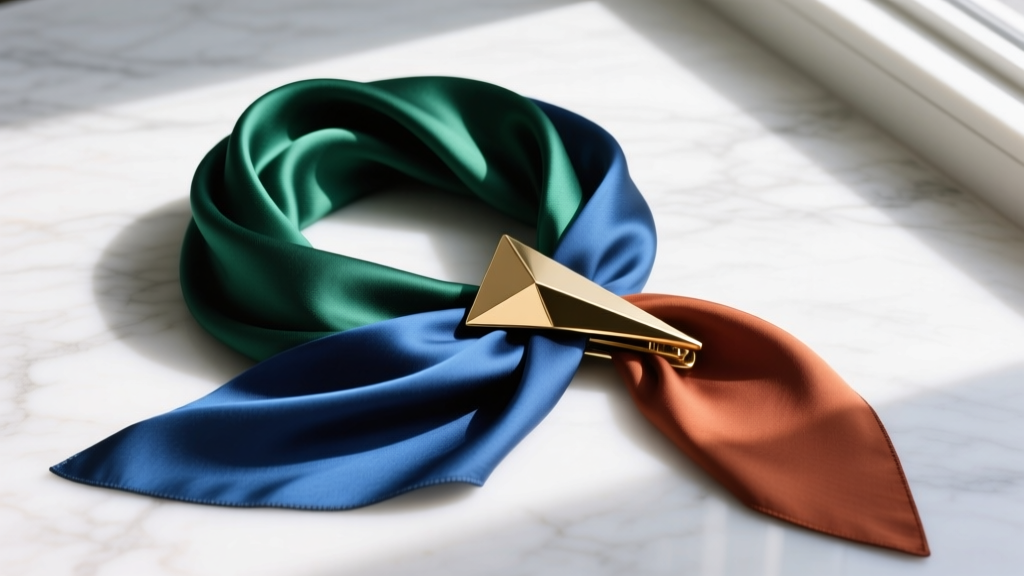
The Anatomy of a Scarf Necklace
A scarf necklace transforms a simple piece of fabric into a sophisticated, adjustable accessory. Unlike traditional chain necklaces that rely on rigid links and lobster clasps, a scarf necklace depends entirely on the friction and drape of textiles paired with a decorative slide or ring. When figuring out how to make a scarf necklace that looks intentional rather than improvised, you must treat the project as an exercise in material science. The success of the piece hinges on the interplay between the textile's weave, the metal's hardness, and the precise geometry of the hardware.
At its core, the anatomy of this accessory consists of three elements: the textile (which acts as both the chain and the visual focal point), the slide or clasp (which provides structural tension), and the knotting or anchoring technique (which prevents slippage). Choosing the wrong combination—such as a heavy wool twill with a thin, low-grade zinc alloy ring—will result in hardware failure, fabric tearing, or a necklace that constantly slips to one side.
Fabric Properties: Choosing the Right Textile
Not all scarves are engineered to bear the tension of a necklace. The fabric must possess a high tensile strength while maintaining a fluid drape. According to textile experts at MasterClass, the weight and weave of silk are measured in momme (mm). For a scarf necklace, you need a fabric that is heavy enough to resist tearing at the friction point, but light enough to knot securely.
- Silk Charmeuse (16-19 momme): The gold standard. It offers a high-friction surface that grips metal slides well, preventing the necklace from sliding off-center. Its satin weave provides a luxurious sheen, though the delicate face can snag on unpolished metal seams.
- Silk Twill (12-16 momme): Featuring a diagonal rib weave, twill is exceptionally durable and resists creasing. It is slightly stiffer than charmeuse, making it ideal for structured, geometric scarf slides.
- Cotton Voile or Chiffon: Extremely lightweight and sheer. While beautiful for summer layering, these fabrics lack the structural integrity to hold heavy metal pendants. They require ultra-lightweight hardware (under 15 grams) to prevent stretching the fibers.
- Velvet: High friction and heavy drape. Velvet scarf necklaces are perfect for winter, but the thick pile requires a much larger inner diameter (ID) on the hardware slide to accommodate the bulk without crushing the fabric.
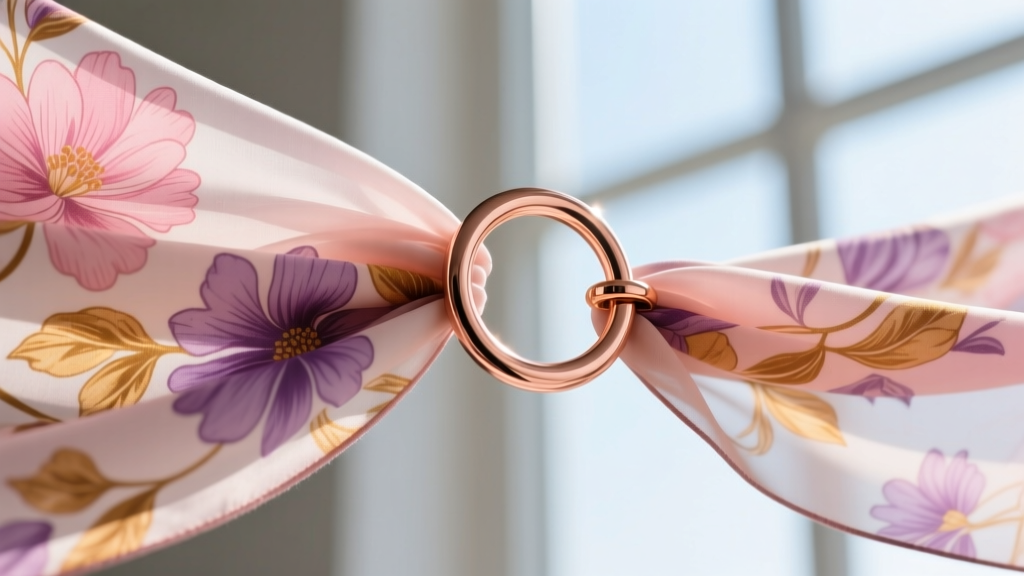
The Friction Coefficient Factor
The primary failure mode in DIY scarf necklaces is slippage. Smooth metals paired with smooth fabrics (like polished sterling silver and silk charmeuse) create a low-friction environment. To counteract this, professional jewelers often incorporate a micro-texture on the inner surface of the scarf slide or use a fabric with a higher surface friction, like a matte-finished crepe de chine.
Hardware Material Comparison: Metals & Alloys
The hardware you select must withstand the lateral shear force applied when the scarf is pulled tight around the neck. Cheap, mass-produced scarf rings often use hollow tubing or weak solder joints that snap under pressure. When sourcing components from reputable suppliers like Fire Mountain Gems, pay close attention to the alloy composition and the Vickers hardness (HV) of the metal.
| Metal Alloy | Hardness (HV) | Tarnish Resistance | Weight Profile | Best Fabric Pairing |
|---|---|---|---|---|
| 316L Stainless Steel | 150-190 | Excellent | Heavy | Wool blends, heavy twill |
| 925 Sterling Silver | 60-70 | Poor (Requires polish) | Medium | Silk charmeuse, velvet |
| Solid Brass (C26000) | 100-115 | Moderate (Patina) | Medium-Heavy | Cotton, raw silk |
| Zinc Alloy (Zamak) | 80-100 | Poor (Plating flakes) | Light | Chiffon, lightweight voile |
Expert Warning: Avoid Zamak (zinc alloy) slides for any scarf thicker than a standard silk square. Zamak is cast, not forged, meaning it contains microscopic air bubbles that create structural weak points. When a thick scarf is forced through a Zamak ring, the outward radial pressure frequently causes the metal to fracture at the solder joint.
Sizing the Slide: Gauge, Diameter, and Tension
Understanding how to make a scarf necklace that functions flawlessly requires basic geometry. The Inner Diameter (ID) of your scarf slide must be calculated based on the folded thickness of your chosen textile. A standard 34-inch silk square, when folded diagonally and rolled, creates a cylinder approximately 6mm to 8mm thick.
Therefore, your scarf slide must have a minimum ID of 25mm (1 inch) to allow the fabric to pass through twice (for a lark's head knot) without excessive friction. For winter wool scarves, the ID must increase to at least 40mm. Furthermore, the wire gauge of the metal ring itself is critical. A 20-gauge (0.8mm) wire will warp and bend into an oval shape under the tension of a tied knot. Always opt for a minimum of 14-gauge (1.6mm) wire for silk, and 10-gauge (2.5mm) for heavier textiles. This ensures the metal maintains its structural integrity and circular geometry over years of wear.
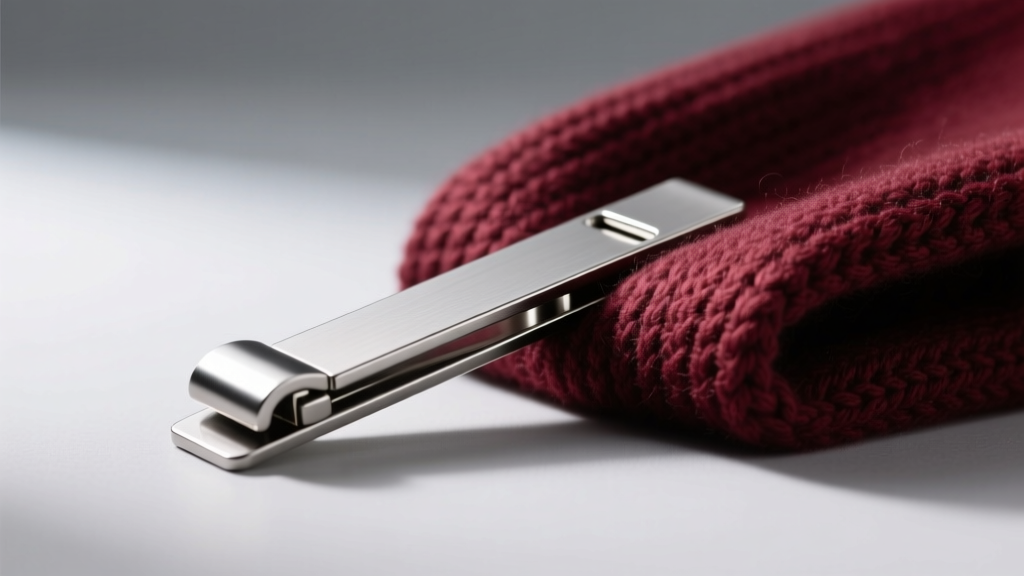
Step-by-Step Assembly & Knotting Techniques
Once you have matched your fabric weight to the appropriate metal gauge and diameter, the assembly process relies on specific knotting techniques to secure the necklace.
- The Lark's Head Anchor: Fold your scarf in half to create a loop. Pass the loop through the front of the scarf slide, then pull the two trailing ends of the scarf through the loop and tighten. This creates a secure, non-slip anchor directly on the metal.
- The Adjustable Slip Knot: For a lariat-style scarf necklace, thread one end of the scarf through the slide, then wrap it around the main body of the scarf and pull it back through the slide. This allows for vertical adjustment but requires a high-friction fabric like cotton or matte silk to hold its position.
- The Silicone O-Ring Hack: If you are determined to use a highly polished metal slide with a slippery silk charmeuse scarf, thread a small, clear silicone jewelry o-ring onto the fabric before passing it through the metal slide. The silicone creates an invisible, high-friction barrier that locks the fabric in place without damaging the delicate fibers.
Maintenance and Material Care
The intersection of textile and metal requires specific care routines. Never store a scarf necklace fully assembled. The natural acidity and moisture trapped in the fabric can accelerate the oxidation of sterling silver or cause brass to develop a green verdigris patina that will permanently stain the silk. Always unthread the fabric after wearing.
To clean the hardware, use a pH-neutral jewelry polishing cloth. Avoid ultrasonic cleaners or harsh chemical dips, especially if your scarf slide features porous gemstone inlays like turquoise or opal, which are common in vintage and bohemian scarf rings. For the fabric, spot clean with a specialized silk wash, avoiding the areas that directly contact the metal to prevent water spotting and friction pilling. By respecting the material properties of both your textiles and your hardware, you elevate a simple DIY craft into a durable, high-end accessory.


