How to Clean and Maintain Your Long Distance Touch Necklace
Learn how to safely clean, charge, and maintain your long distance touch necklace to protect its haptic sensors and keep the finish pristine.

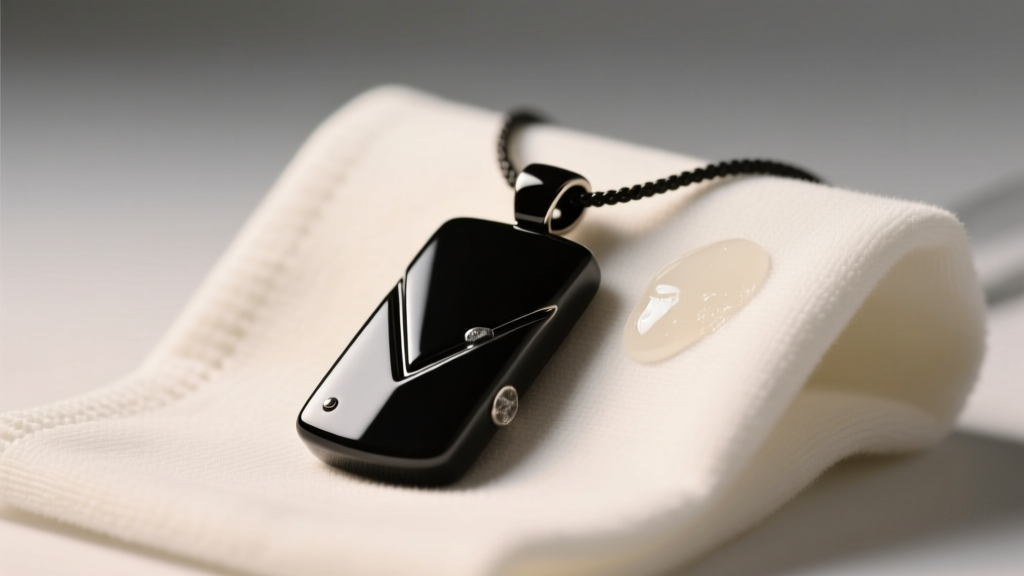
The Unique Challenge of Smart Haptic Jewelry
A long distance touch necklace is a marvel of modern wearable technology, bridging the physical gap between loved ones through haptic feedback and Bluetooth connectivity. However, caring for smart jewelry requires a fundamentally different approach than caring for traditional fine jewelry. You are not just maintaining a piece of metal or ceramic; you are maintaining a microcomputer equipped with a Linear Resonant Actuator (LRA) haptic motor, a lithium-polymer (LiPo) battery, and a capacitive touch sensor.
Standard jewelry cleaning methods—such as ultrasonic baths, harsh chemical dips, or abrasive polishing—will permanently destroy the internal electronics of a smart pendant. According to the Gemological Institute of America (GIA), while traditional metals can withstand rigorous cleaning, the integration of tech components demands a meticulous, conservative approach to preserve both the aesthetic finish and the device's functionality.
Daily Cleaning Protocols for Touch Pendants
The exterior of your long distance touch necklace is typically crafted from 316L stainless steel, PVD (Physical Vapor Deposition) coated gold, or high-gloss zirconia ceramic. Because the device rests against your sternum, it is constantly exposed to sebum (skin oils), sweat, and body lotions. This buildup not only dulls the finish but can actually interfere with the device's sensors.
Safe vs. Hazardous Cleaning Agents
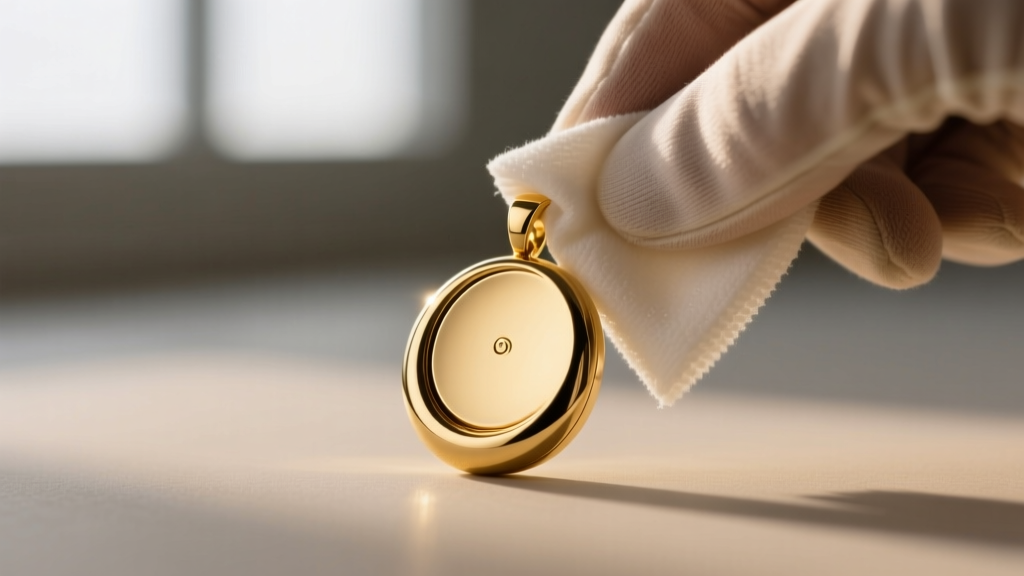
When wiping down your pendant, the goal is to remove organic buildup without degrading the PVD coating or compromising the water-resistance seals.
- Safe: A few drops of pH-neutral dish soap (like Dawn) mixed with lukewarm water. Apply with a lint-free microfiber cloth.
- Safe: 70% Isopropyl alcohol applied sparingly to a cotton swab for disinfecting the ceramic backplate.
- Hazardous: Ammonia-based cleaners (e.g., Windex). Ammonia will strip PVD gold plating at the molecular level, causing irreversible fading.
- Hazardous: Ultrasonic jewelry cleaners. The high-frequency acoustic cavitation will shatter the internal soldering joints of the Bluetooth antenna and detune the haptic motor's internal spring-mass system.
Protecting the Charging Contacts and Haptic Motor
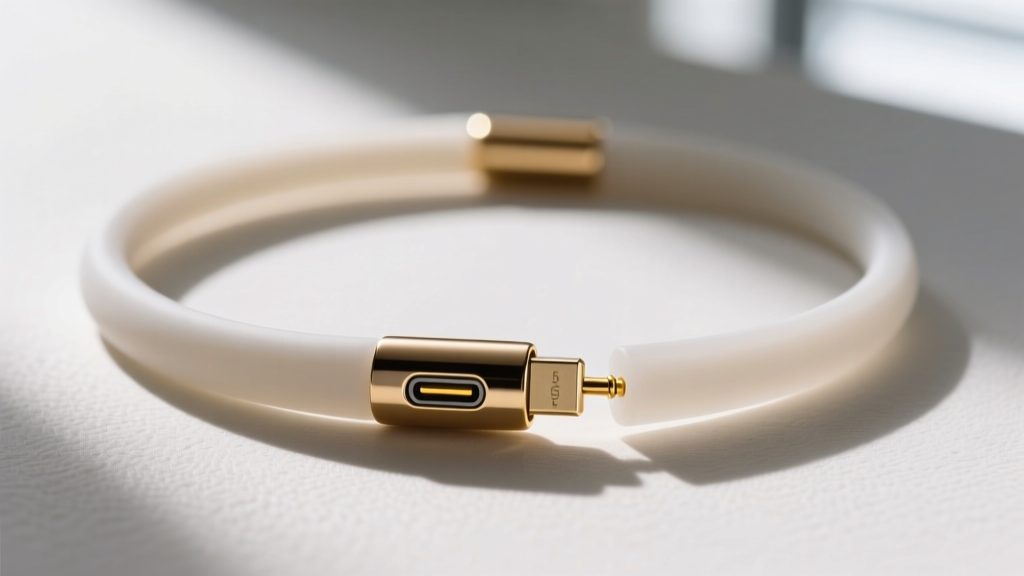
The most common point of failure for any long distance touch necklace is the charging interface. Most smart pendants utilize magnetic pogo-pin connectors. These spring-loaded pins are highly susceptible to galvanic corrosion when exposed to the urea and lactic acid present in human sweat.
If your necklace stops charging or requires constant wiggling of the magnetic cable, the pins are likely oxidized. To restore the connection, do not use a metal needle or safety pin to scrape the contacts, as this will remove the protective gold flash plating. Instead, use a fiberglass scratch pen or a dry cotton swab dipped in a specialized electronic contact cleaner (such as DeoxIT) to gently dissolve the oxidation. Always ensure the pendant is completely dry before attaching the charger to prevent short-circuiting the LiPo battery.
Material & Tech Care Matrix
| Component | Material | Cleaning Method | What to Avoid |
|---|---|---|---|
| Pendant Face | Zirconia Ceramic / Gorilla Glass | Microfiber cloth with mild soapy water | Abrasive polishing pastes |
| Plating | PVD Gold / Rose Gold | Damp cloth, gentle wiping | Ammonia, chlorine, ultrasonic baths |
| Strap / Chain | Medical-Grade Silicone | Wash with antibacterial soap, air dry | Direct heat, prolonged UV exposure |
| Charging Pins | Gold-Plated Pogo Pins | Dry cotton swab or fiberglass pen | Liquid submersion, metal scraping |
Battery Longevity and Firmware Best Practices
The internal lithium-polymer (LiPo) battery in a long distance touch necklace is incredibly small, usually ranging between 80mAh and 150mAh. Because of this low capacity, battery degradation is a primary concern for long-term ownership.
Expert Rule of Thumb: Never store your smart jewelry in a drawer with a 0% charge. LiPo batteries that enter a state of 'deep discharge' for more than a few weeks will trigger an internal safety lockout, rendering the necklace completely dead and unchargeable.
If you and your partner are taking a break from wearing the necklaces, charge them to exactly 50% and power them down completely via the companion app before storing them in a cool, dry place. Furthermore, ensure your firmware is updated via the manufacturer's app before storing, as companies frequently release patches that optimize Bluetooth Low Energy (BLE) polling rates, thereby extending battery life.
Troubleshooting Sensor and Skin Interface Issues
A unique maintenance aspect of a long distance touch necklace involves the capacitive touch sensor. This sensor registers your touch by measuring the electrical capacitance of your skin. If your partner complains that their touches aren't registering on your end, the issue is rarely a software bug; it is almost always dielectric interference.
Heavy body lotions, sunscreens, and even a buildup of dead skin cells act as insulators. This dielectric layer prevents the sensor from reading the micro-electrical changes in your skin. If you experience 'missed touches,' wash the face of the pendant with a mild degreasing soap and ensure your finger is clean and slightly moisturized (but not wet) when sending a touch. Additionally, be aware that extreme cold reduces skin conductivity, which can temporarily decrease the sensitivity of the capacitive sensor during winter months.
Water Resistance Realities: IP67 vs. IP68
While brands like Bond Touch and similar manufacturers advertise water resistance, it is vital to understand the limits of these ratings in real-world scenarios. An IP67 rating means the device can withstand incidental submersion in up to 1 meter of fresh water for 30 minutes. It does not mean the device is waterproof against high-pressure water or corrosive liquids.
Showering with your long distance touch necklace is highly discouraged. The combination of hot water (which expands the microscopic rubber gaskets sealing the device) and harsh surfactants found in shampoos and body washes will eventually compromise the water seal, leading to internal condensation and motherboard corrosion. Similarly, salt water and chlorinated pool water will rapidly degrade medical-grade silicone straps and pit the stainless steel charging nodes.
Final Thoughts on Smart Jewelry Longevity
Treating your long distance touch necklace with the same care you would afford a high-end smartphone is the key to ensuring it lasts for years. By avoiding ultrasonic cleaners, protecting the PVD plating from harsh chemicals, and keeping the pogo-pins free of sweat-induced oxidation, you ensure that the physical connection remains as strong as the emotional one it represents. Regular, gentle maintenance guarantees that every tap, buzz, and vibration is delivered flawlessly, no matter the distance.


