How to Clean & Maintain Your Necklace From Jamaica
Learn expert cleaning and maintenance tips for your necklace from Jamaica, covering gold chains, cowrie shells, and seed beads.

The Unique Composition of Jamaican Jewelry
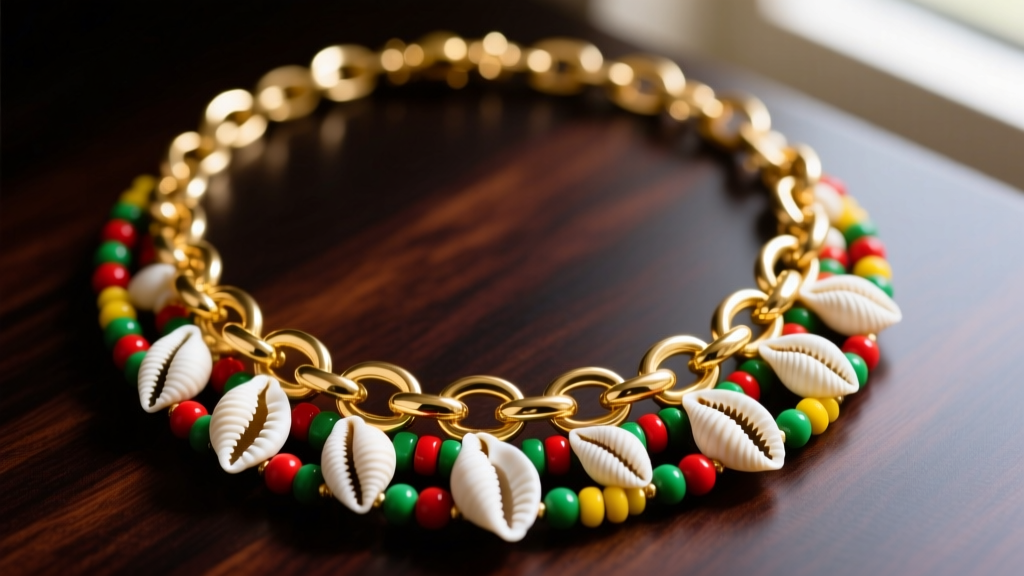
A necklace from Jamaica is more than just an accessory; it is a vibrant piece of cultural heritage. Whether you purchased a handcrafted piece in the craft markets of Kingston, a high-karat gold chain in Ocho Rios, or a Rastafarian-inspired seed bead pendant in Negril, these necklaces require specialized care. Unlike mass-produced commercial jewelry, Jamaican pieces frequently combine precious metals with delicate organic materials and painted enamels. This mixed-media construction means that a one-size-fits-all cleaning approach will likely result in irreversible damage.
To properly maintain your jewelry, you must first understand the chemical and physical properties of its components. According to the Gemological Institute of America (GIA), gold alloys respond differently to chemicals based on their karat weight, while organic elements require entirely separate conservation protocols. In this comprehensive guide, we break down the exact maintenance routines required to keep your Jamaican necklace pristine for decades.
Material Identification: What Is Your Necklace Made Of?
Before applying any cleaning solution, identify the specific materials in your necklace. Jamaican artisans traditionally work with a distinct palette of metals and natural elements:
- Gold (14k and 18k): Authentic Jamaican gold jewelry is typically 14k or 18k. 18k gold (75% pure gold) is highly prized for its rich, buttery yellow hue but is softer and more prone to micro-scratches than 14k gold.
- Sterling Silver: Often used for intricate pendants or wire-wrapping, silver is highly reactive to sulfur and humidity.
- Cowrie Shells: Historically used as currency and symbols of fertility, these shells are composed of calcium carbonate. They are highly porous and extremely sensitive to acids.
- Job's Tears (Coix lacryma-jobi): These hard, teardrop-shaped seeds are commonly strung into necklaces. While durable, they can crack if subjected to rapid changes in moisture.
- Painted Enamel: Often featuring the iconic red, gold, and green colors, enamel is essentially fused glass that can chip or craze if exposed to thermal shock.
Step-by-Step Cleaning Protocols by Material
The Jewelers of America emphasizes that mixed-media jewelry must be cleaned in zones. Never submerge a necklace that combines metal with organic shells or seeds.
Zone 1: Cleaning Gold and Silver Chains
For the metal portions of your necklace, prepare a lukewarm bath using distilled water and a few drops of pH-neutral dish soap (such as Dawn). Avoid tap water, as the chlorine and fluoride can leave microscopic mineral deposits on the metal. Use a soft-bristled baby toothbrush to gently agitate the links. For silver chains that have developed heavy black tarnish (silver sulfide), use a dedicated silver polishing cloth infused with anti-tarnish agents. Never use liquid silver dips on a piece that has shell or seed accents, as the harsh chemicals will destroy the organic materials.
Zone 2: Caring for Organic Elements (Shells and Seeds)
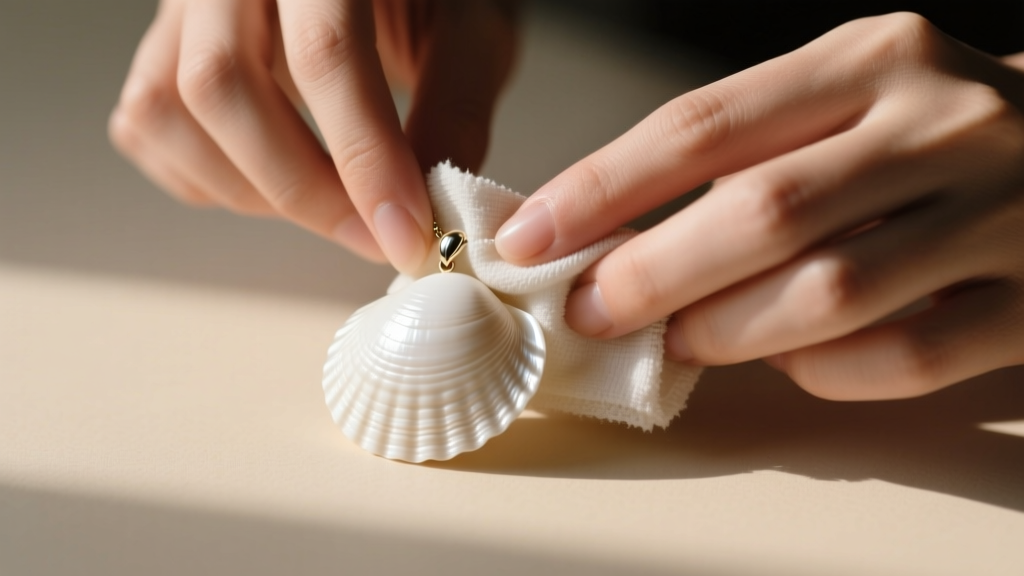
Cowrie shells and Job's tears require dry-cleaning methods. The American Institute for Conservation warns against using liquid solvents on calcium carbonate structures. To clean a cowrie shell pendant, use a dry, clean makeup brush to sweep dust out of the shell's natural ridges. If the shell has lost its luster, gently buff it with a dry microfiber cloth. Never use vinegar, lemon juice, or commercial jewelry cleaners on shells; the acidic pH will literally dissolve the shell's surface, leaving it chalky and brittle.
Zone 3: Protecting Painted Enamel and Seed Beads
Enamel detailing, particularly the vibrant Rastafarian colors found on many Jamaican pendants, is vulnerable to thermal shock. Never use hot water or steam cleaners on enameled jewelry. Wipe the enamel gently with a slightly damp cloth and dry it immediately. For dyed seed beads, prolonged exposure to UV light and water will cause the colors to bleed or fade. Keep these beads away from direct sunlight when not being worn.
The Tropical Climate Factor: Humidity and Salt Air
If you live in or frequently visit the Caribbean, or if you simply live in a high-humidity coastal region, your necklace faces environmental threats. High ambient humidity accelerates the oxidation of base metals and the tarnishing of silver. Furthermore, salt air is highly corrosive to lower-karat gold alloys and copper components.
To combat this, your storage strategy is just as important as your cleaning routine. Below is a structured maintenance schedule designed for tropical and high-humidity environments:
| Material Component | Cleaning Agent | Storage Requirement | Maintenance Frequency |
|---|---|---|---|
| 14k/18k Gold | Mild soap & distilled water | Soft pouch, away from sunlight | Monthly |
| Sterling Silver | Anti-tarnish polishing cloth | Airtight bag with silica gel | Bi-weekly in high humidity |
| Cowrie Shells | Dry microfiber & soft brush | Climate-controlled box | As needed (dusting) |
| Seed Beads | Dry cloth only | Dark, dry environment | Rarely (avoid moisture) |
| Painted Enamel | Damp cloth (no chemicals) | Padded compartment | After each wear |
Troubleshooting Common Jamaican Necklace Issues
Even with meticulous care, mixed-media necklaces can develop specific issues. Here is how to troubleshoot the most common problems associated with jewelry from this region.
The 'Green Neck' Phenomenon
If your necklace leaves a green or black mark on your skin, it is likely due to copper oxidation. Many tourist-grade necklaces use brass or copper alloys plated with a thin layer of gold or silver. When copper reacts with the acids in your sweat, it forms copper chloride, which transfers to your skin. Quick Fix: Paint the inside of the clasp and the links that touch your skin with a thin coat of clear nail polish to create a barrier. Long-term Fix: Have a jeweler re-plate the piece or upgrade to solid sterling silver or 14k gold.
Stiff or Brittle Seed Beads
Job's tears and other organic seeds can become brittle if they dry out completely over several years, or they can swell and crack if exposed to excessive moisture. To maintain their structural integrity, occasionally rub a minuscule amount of natural jojoba oil into the seeds using a cotton swab. Jojoba oil closely mimics natural sebum and will not go rancid like olive or vegetable oils.
Tangled Multi-Strand Shell Necklaces
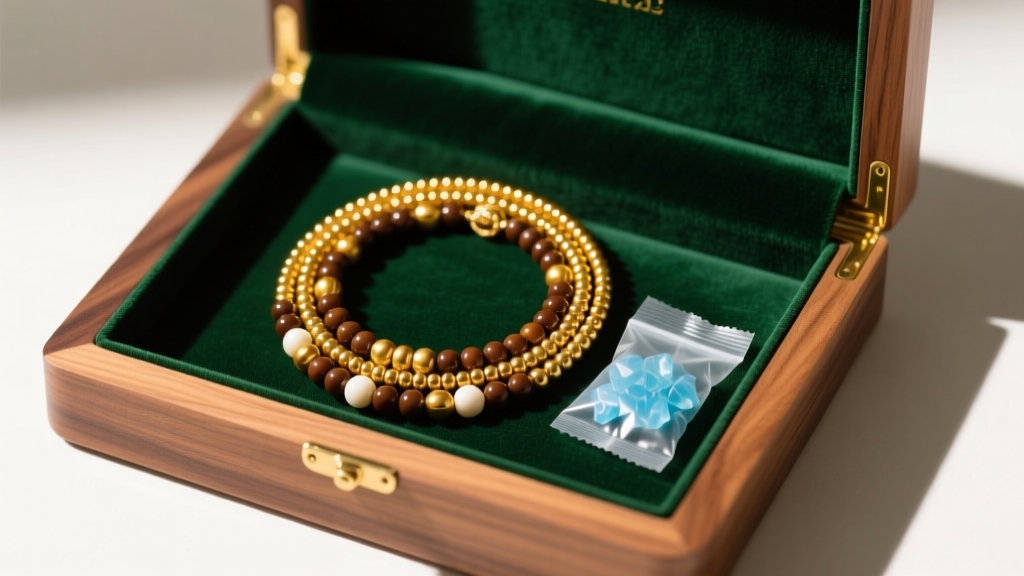
Multi-strand cowrie shell necklaces are notorious for tangling. Never pull on a knot, as the cotton or nylon threading can snap, and the shells can chip against one another. Lay the necklace on a flat surface, sprinkle a tiny amount of baby powder over the knot to reduce friction, and use two sewing needles to gently tease the threads apart.
Professional Maintenance vs. DIY Care
While daily and monthly cleaning can be handled at home, certain maintenance tasks require professional intervention. If your necklace features prong-set semi-precious stones (like turquoise or amber) alongside gold links, have a professional jeweler check the prongs annually. The softness of 18k gold means that prongs can wear down or bend over time, risking stone loss.
'The secret to preserving island jewelry is respecting the organic materials. A cowrie shell has survived the ocean; it doesn't need harsh chemicals to stay beautiful. It just needs to be kept dry and handled with care.' — Master Artisan, Kingston Craft Market
Additionally, if the threading on a seed or shell necklace begins to stretch or fray, do not attempt to re-string it yourself with standard fishing line. Take it to a professional who can use knotted silk or high-tensile nylon cord, ensuring that each shell is individually knotted to prevent them from grinding against each other and to prevent total loss if the strand breaks.
Conclusion
A necklace from Jamaica is a beautiful fusion of precious metals, ocean treasures, and earth-grown seeds. By abandoning harsh, universal jewelry cleaners and adopting a targeted, zone-by-zone cleaning approach, you protect the integrity of both the gold and the organic elements. Store your pieces in climate-controlled environments with anti-tarnish strips, respect the chemical sensitivities of calcium carbonate shells, and your necklace will remain a vibrant, wearable piece of Caribbean culture for generations to come.


