How to Clean and Care for Your Pave Diamond Heart Necklace
Learn expert tips to clean, maintain, and protect your pave diamond heart necklace from loose stones, grease buildup, and prong damage.

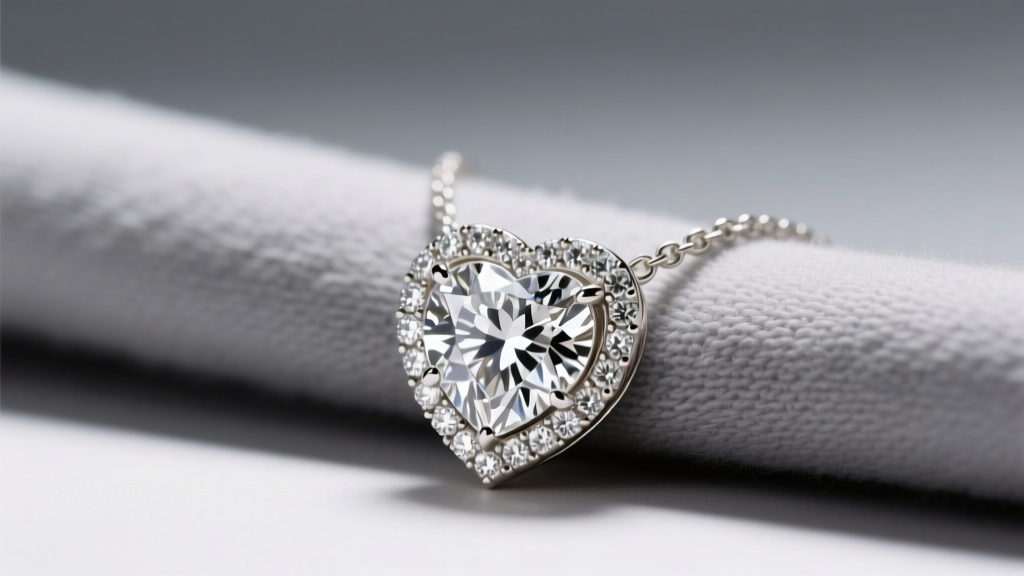
A pave diamond heart necklace is a masterclass in romantic symbolism and icy brilliance. However, the very techniques used to create that continuous, glittering surface—tiny metal beads or micro-prongs holding melee diamonds in place—make these pieces inherently delicate. When you combine the fragile nature of a pave setting with the distinct geometry of a heart shape, specialized care becomes non-negotiable. Whether your piece is crafted in 14k yellow gold, 18k rose gold, or platinum, understanding the metallurgy and mechanics of your necklace is the first step in preserving its fire and structural integrity.
The Unique Vulnerabilities of Pave Heart Settings
The term "pavé" comes from the French word for "paved," referring to a surface tightly set with small stones. Unlike traditional prong settings that use four or six substantial claws to grip a single large diamond, pave settings rely on microscopic beads of metal pushed over the girdle (the outer edge) of melee diamonds (typically ranging from 0.01 to 0.10 carats each).
The heart shape introduces specific structural stress points. The "cleft" (the top dip of the heart) is often where the bail or chain loop is attached, creating a high-tension zone every time the necklace shifts on your neck. Conversely, the bottom "point" of the heart is highly susceptible to impact damage. Bumping the point against a desk or countertop can slightly bend the metal framework, which is often enough to pop the bottom-most pave stones out of their seats. Furthermore, softer alloys like 18k gold, while richer in color, are more prone to metal fatigue and bead wear than 14k gold or platinum, requiring more frequent professional inspections.
Step-by-Step Safe Cleaning Routine
Diamonds are lipophilic, meaning they naturally attract and hold onto grease, oils, and lotions. When the pavilion (the underside) of your melee diamonds becomes coated in skin oils, light cannot pass through and reflect back to your eye, rendering your brilliant pave surface dull and lifeless. To restore the sparkle without compromising the micro-beads, follow this strict cleaning protocol.
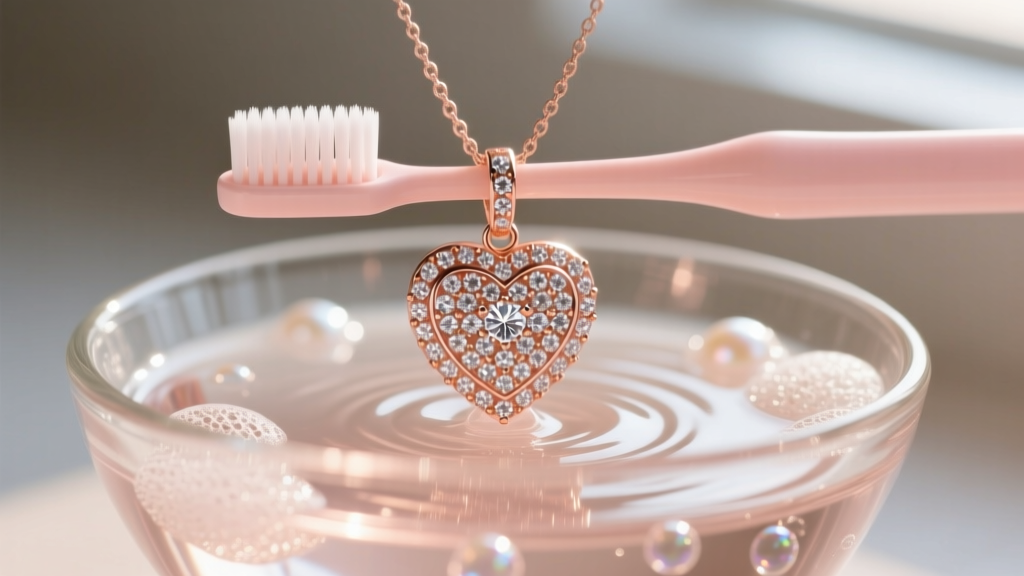
The Safe Soak and Agitation Method
- Secure Your Workspace: Always clean jewelry over a plugged sink or a soft towel. A dropped pave necklace can easily snap a delicate chain or dislodge stones upon impact.
- Mix the Solution: Combine warm distilled water (tap water contains minerals that can leave hard water spots) with a few drops of ammonia-free, mild dish soap. Avoid harsh detergents or soaps with heavy moisturizers.
- Soak Briefly: Submerge the heart pendant for 10 to 15 minutes to loosen sebum and cosmetic buildup.
- Agitate Gently: Using an extra-soft baby toothbrush (bristle thickness around 0.1mm), gently brush the surface. More importantly, turn the pendant over and brush the underside of the pave setting where the diamonds meet the metal gallery.
- Rinse and Dry: Rinse thoroughly under a gentle stream of distilled water. Pat dry with a lint-free microfiber cloth. Never use paper towels or tissues, as the wood fibers can snag on microscopic pave beads and pull them upward.
What to Avoid: The Pave Killers
Many well-intentioned jewelry owners destroy their pave settings by using cleaning methods meant for solid, single-stone solitaire rings. According to the Gemological Institute of America (GIA), certain cleaning technologies are strictly contraindicated for micro-set jewelry.
- Ultrasonic Cleaners: These machines use high-frequency sound waves to create microscopic cavitation bubbles in a liquid solvent. While excellent for cleaning solid diamond solitaires, the intense vibrations can easily shatter the tiny metal beads holding melee diamonds, causing mass stone loss.
- Steam Cleaners: The sudden thermal shock from high-pressure steam can fracture melee diamonds that contain minor internal inclusions, which are common in smaller stones.
- Chlorine and Bleach: Exposure to chlorinated pools or household bleach attacks the alloy metals (like copper and zinc) in karat gold. This causes microscopic pitting and weakens the structural integrity of the pave beads, leading to inevitable stone loss.
- Heavy Lotions and Sunscreens: Apply all cosmetics, perfumes, and sunscreens at least 15 minutes before putting on your necklace to allow them to fully absorb into the skin.
Prong and Bead Inspection Framework
Because pave stones are so small, a loose diamond might not be immediately visible to the naked eye. Implementing a monthly at-home inspection framework can save you from losing stones. Invest in a 10x triplet jeweler's loupe and use the following checklist recommended by industry standards from Jewelers of America.
| Inspection Element | Tool Required | What to Look For | Action Threshold |
|---|---|---|---|
| Metal Beads | 10x Triplet Loupe | Flattened, worn, or missing beads over the diamond girdles | Stop wearing; see a jeweler for re-tipping |
| Stone Alignment | Naked Eye / Loupe | Uneven height, tilted melee stones, or visible gaps | Immediate professional tightening required |
| Heart Cleft Stress | Magnification | Micro-cracks or thinning metal at the top V-cleft | Professional laser welding needed |
| Chain Jump Rings | 10x Loupe | Stretching, thinning, or an open seam at the bail connection | Have the jeweler solder the jump ring shut |
The Tap Test: If you suspect a loose stone but cannot see it, hold the pendant by the chain and gently tap the metal heart against your front tooth or a hard wooden surface. Listen closely; a distinct, high-pitched "rattle" or "click" indicates a diamond is moving freely within its setting.
Proper Storage to Prevent Snags and Scratches
Diamond is the hardest natural material on earth (10 on the Mohs scale). The melee diamonds in your pave heart necklace can and will scratch softer gemstones, pearls, and even the precious metal chains of other necklaces if stored improperly. Conversely, the delicate metal beads of the pave setting can be crushed or bent if the necklace is tangled under heavier jewelry.
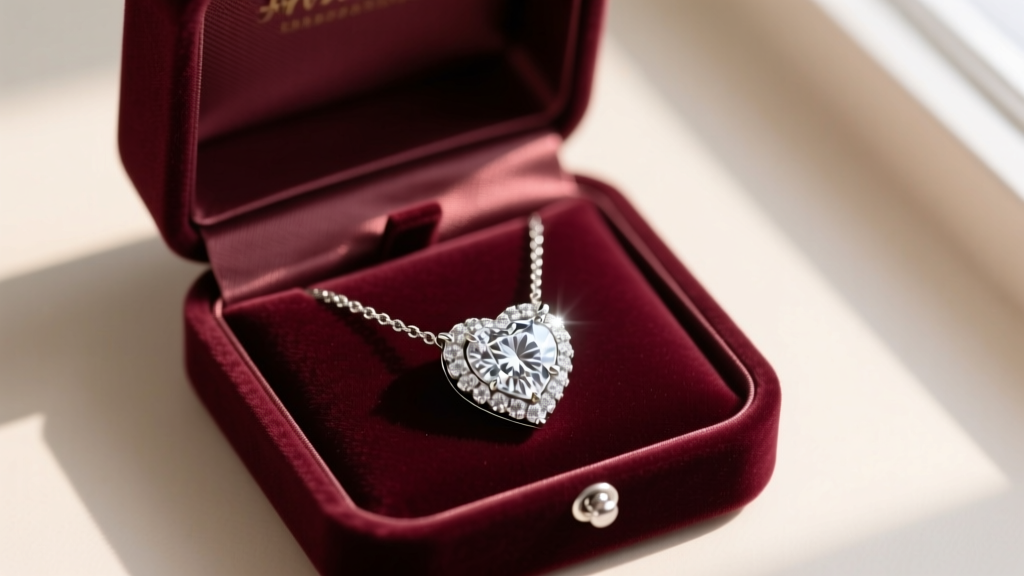
Always store your pave diamond heart necklace in an individual, fabric-lined compartment. Before placing it in the box, ensure the clasp is fastened. Leaving a delicate cable or box chain unclasped allows it to slip through the bail of the heart pendant, creating complex knots. Forcing these knots apart puts immense lateral stress on the bail and the top cleft of the heart, potentially warping the metal and loosening the adjacent pave stones.
When to See a Professional Jeweler
Even with meticulous at-home care, a pave diamond heart necklace requires professional maintenance every 12 to 18 months. A master jeweler will use a microscope to inspect every single bead, tightening them with a micro-pneumatic hammer or a laser welder if necessary.
If your necklace is crafted in white gold, it will eventually require rhodium plating to maintain its bright, silvery-white appearance. Crucial Warning: The rhodium dipping process requires the piece to be ultrasonically cleaned and electro-polished beforehand. If your jeweler does not thoroughly inspect and tighten the pave stones before placing the necklace in the ultrasonic tank, the vibrations will dislodge loose stones, which will then be lost in the bottom of the cleaning tank. Always explicitly remind your jeweler that the piece features a micro-pave setting so they can adjust their pre-plating protocols accordingly.


