How to Clean and Maintain Your Necklace with Droplets
Learn expert techniques to clean, store, and maintain your necklace with droplets. Protect delicate briolette gems and liquid-metal pendants from damage.

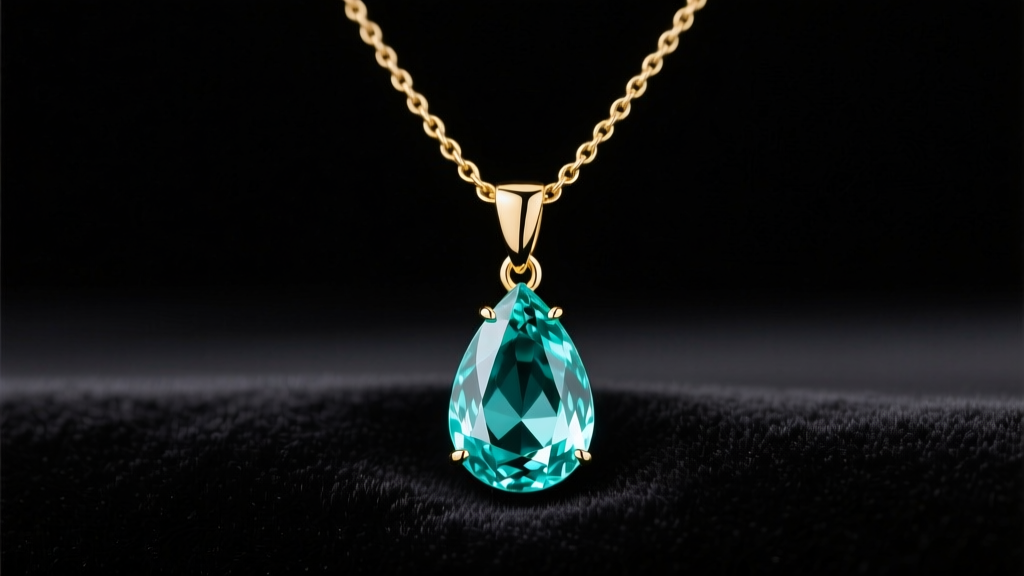
A necklace with droplets is a masterclass in fluid elegance, capturing the essence of falling water or suspended dew through intricate jewelry design. Whether your piece features briolette-cut gemstones, hand-forged liquid-metal teardrops, or artisanal glass and resin droplets, the physics of these shapes demand a highly specialized approach to care and maintenance. The very features that make droplet necklaces visually striking—the elongated curves, the pointed culets, and the delicate suspension bails—are also their greatest vulnerabilities.
In 2026, jewelry collectors and everyday wearers alike are moving away from harsh, generic cleaning methods in favor of material-specific preservation. Using the wrong technique on a droplet pendant can lead to catastrophic results, from thermal shock fracturing a briolette to chemical solvents clouding a resin teardrop. This comprehensive guide provides actionable, expert-level protocols to ensure your droplet jewelry remains pristine, secure, and brilliantly reflective for decades to come.
The Anatomy of a Droplet Necklace: Why They Need Special Care
To properly care for a necklace with droplets, you must first understand the structural engineering of the piece. Unlike standard round or oval pendants, droplets possess a distinct center of gravity and structural weak points.
Briolette Gemstones vs. Liquid Metal vs. Resin
Gemstone droplets are typically cut as briolettes—a drop shape featuring triangular or diamond-shaped facets covering the entire surface. The bottom point (the culet) of a briolette is notoriously fragile. According to the Gemological Institute of America (GIA), any impact to the pointed tip of a faceted droplet, especially in stones with a Mohs hardness below 7 (like opals, pearls, or turquoise), can cause immediate chipping or internal fracturing.
Conversely, liquid-metal droplets (often cast in sterling silver or 14k gold) lack fragile tips but are prone to micro-scratching on their highly polished, convex surfaces. Resin and glass droplets, while impact-resistant, are highly susceptible to chemical degradation. Alcohol-based cleaners or ultrasonic vibrations can cause resin to craze (develop a network of fine cracks) or glass to detach from its metal adhesive cap.
Step-by-Step Cleaning Protocols by Material
Generic jewelry dips are the enemy of droplet necklaces. The crevices where the metal bail meets the gemstone droplet can trap harsh chemicals, leading to long-term adhesive failure. Instead, utilize a customized, pH-neutral approach.
The Lukewarm Distilled Method
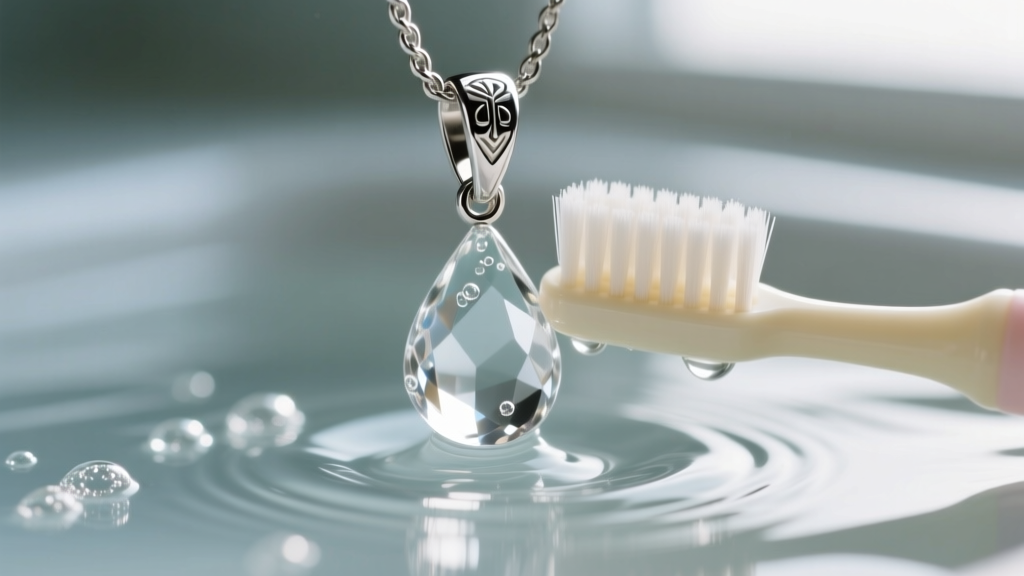
For gemstone and glass droplets, always use distilled water rather than tap water to prevent mineral deposits from drying inside the intricate facet junctions at the top of the teardrop. Mix one drop of pH-neutral dish soap (like original Dawn) into a bowl of lukewarm distilled water. Never use hot water, as rapid temperature changes can cause thermal shock, particularly in emerald or opal droplets.
| Droplet Material | Recommended Cleaning Agent | Tool | Ultrasonic Safe? |
|---|---|---|---|
| Diamond / Sapphire Briolette | Mild Ammonia-Free Soap | Soft Baby Toothbrush | Yes (with caution) |
| Opal / Pearl / Emerald | Damp Microfiber Cloth Only | Untreated Cotton Swab | Absolutely Not |
| Artisan Resin / Enamel | Distilled Water Only | Lint-Free Wipe | Absolutely Not |
| Liquid-Metal Teardrops | Silver/Gold Polishing Cloth | Microfiber Buffing Pad | N/A |
The Ultrasonic Trap: What to Avoid
Many consumers mistakenly believe that ultrasonic cleaners are the ultimate solution for intricate jewelry. However, placing a necklace with droplets into an ultrasonic bath is a leading cause of briolette destruction. The high-frequency sound waves create microscopic cavitation bubbles that implode against the jewelry. While this dislodges dirt, the intense localized vibrations can easily shatter the delicate pointed tip of a gemstone droplet or shake loose the cyanoacrylate adhesive used to secure the droplet into its metal cap. Always hand-clean droplet pendants.
Storage Solutions to Prevent Briolette Chipping
How you store your necklace with droplets is just as critical as how you clean it. The teardrop shape dictates that the heaviest part of the pendant rests at the bottom, while the pointed tip extends outward. When tossed into a standard jewelry box, the pointed tip is highly likely to catch on chain links or scrape against harder gemstones, resulting in irreversible abrasion.
The 'Hover' Storage Method
To protect the structural integrity of the droplet, employ the 'Hover' method. This involves storing the necklace in a way where the droplet pendant does not touch any hard surfaces.
- Vertical Hanging: Use a jewelry armoire with padded hooks. Allow the chain to hang freely so the droplet points downward, hovering in empty space.
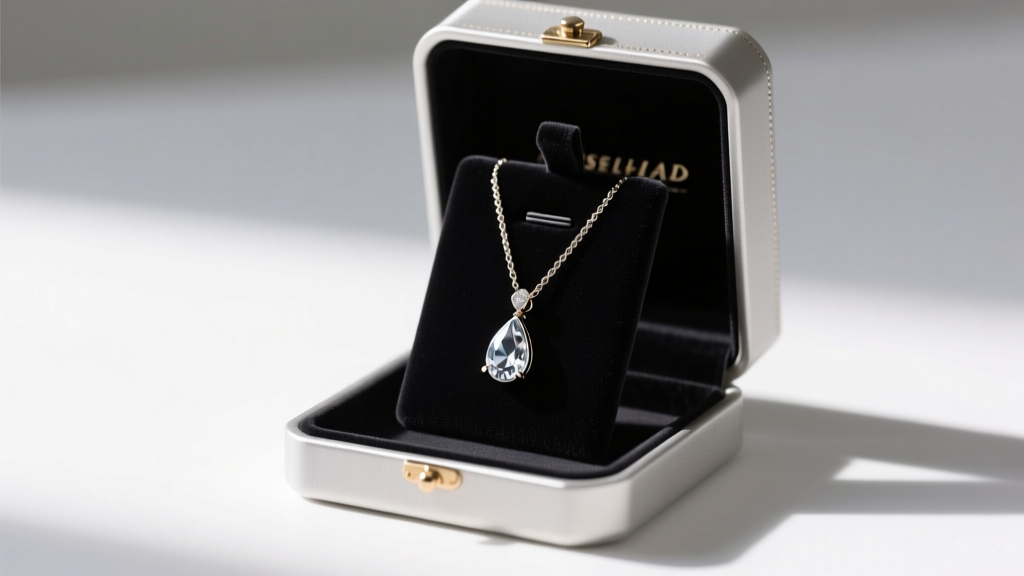
- Padded Insert Slits: If using a flat box, ensure the box has deep, velvet-lined slits. Thread the chain through the slit so the droplet hangs beneath the velvet tray, completely protected from lateral impacts.
- Individual Pouches: For travel, place the necklace in a soft, anti-tarnish flannel pouch, but wrap the droplet pendant itself in a separate piece of acid-free tissue paper to prevent the metal bail from scratching the top facets of the stone.
Long-Term Maintenance: Bail and Cap Checks
The bail (the metal loop connecting the droplet to the chain) and the cap (the metal fitting glued or pronged to the top of the teardrop) endure significant kinetic stress. Because droplets swing and pivot more freely than flat pendants, the friction at the bail connection point is accelerated.
Every six months, perform the 'Twist Test'. Gently hold the metal cap at the top of the droplet and apply microscopic rotational pressure. If the cap shifts, rotates, or feels loose, the adhesive bond has degraded. This is incredibly common with glue-set briolettes exposed to skincare oils, perfumes, and humidity. If you detect movement, stop wearing the necklace immediately. Take it to a professional jeweler to have the old adhesive dissolved and the cap re-set with a fresh application of jeweler's epoxy. For high-value pieces, consider having a jeweler retrofit the droplet with a mechanical prong-setting cap, which eliminates the risk of glue failure entirely.
Expert Troubleshooting: Cloudy Stones and Tarnished Caps
Over time, you may notice the top facets of your gemstone droplet becoming cloudy, or the metal cap tarnishing. This is usually caused by the accumulation of sebum (skin oils) and cosmetic residues trapped in the narrow gap between the stone and the metal.
To resolve this without damaging the piece, avoid liquid polishes, which can seep under the cap. Instead, use a wooden toothpick to gently dislodge hardened debris from the seam. For tarnished caps on gemstone droplets, wrap a cotton swab in a microfiber cloth, apply a minuscule amount of specialized silver or gold polishing paste, and carefully buff only the metal. As noted by Jewelers of America, keeping polishing compounds away from porous gemstones is vital, as the abrasives can permanently dull the finish of stones like turquoise or lapis lazuli. By adhering to these meticulous, material-specific care routines, your necklace with droplets will retain its fluid, captivating brilliance for a lifetime.


