The Ultimate Care Guide for Every Scented Necklace
Learn how to clean, maintain, and store your scented necklace. Expert tips on removing oil buildup from lockets and porous lava rock diffusers.

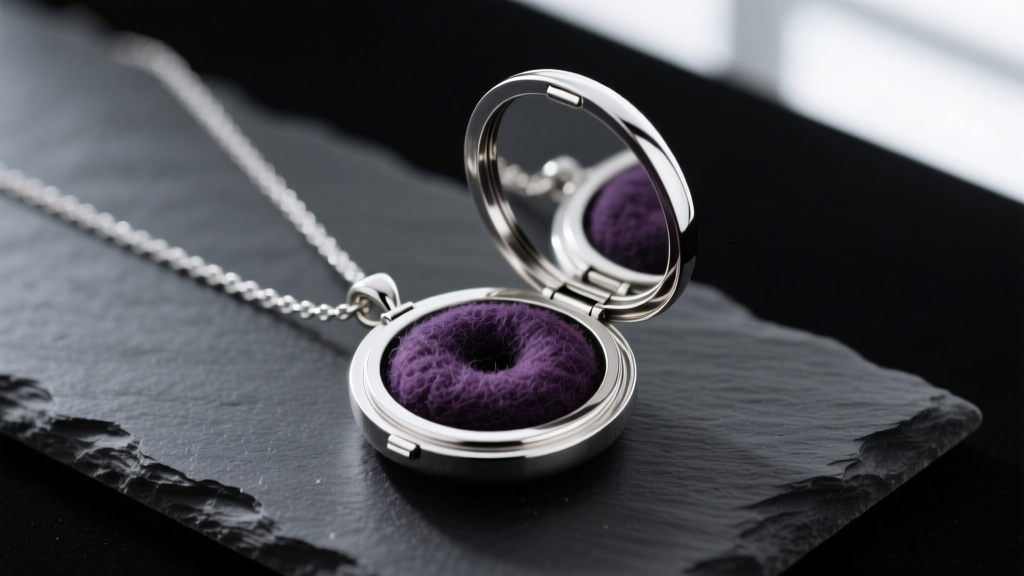
Aromatherapy jewelry has evolved far beyond simple clay pendants. Today, a high-quality scented necklace serves as both a sophisticated fashion statement and a personal wellness tool, allowing you to carry your favorite essential oil blends wherever you go. However, because these pieces interact directly with concentrated botanical extracts, they require a specialized approach to maintenance. Essential oils are highly potent, volatile organic compounds that can degrade certain metals, clog porous stones, and cause skin irritation if left to oxidize on your jewelry.
Whether you own a vintage-style filigree locket, a modern 316L stainless steel diffuser barrel, or a natural lava rock pendant, understanding the chemistry between your oils and your jewelry materials is critical. This comprehensive guide provides actionable, expert-level protocols to clean, maintain, and extend the lifespan of your favorite aromatherapy necklaces.
Understanding Your Scented Necklace Materials
Before applying any cleaning solution, you must identify the primary material of your scented necklace. The structural integrity and porosity of the material dictate which cleaning agents are safe to use.
Metal Aromatherapy Lockets
Most metal diffuser necklaces are crafted from 316L surgical stainless steel, 925 sterling silver, or brass. Stainless steel is highly resistant to the acidic nature of essential oils, making it the most low-maintenance option. Sterling silver, while beautiful, is prone to tarnishing when exposed to sulfur compounds and certain oxidized oils. Brass and copper alloys offer a vintage aesthetic but are highly reactive to acidic botanical extracts, requiring frequent polishing and protective rhodium plating.
Porous Diffuser Pendants
Natural materials like lava rock (basalt), pumice, unglazed terracotta, and porous wood absorb essential oils directly into their microscopic fissures. According to the Gemological Institute of America (GIA), porous gemstones and organic materials require drastically different care than faceted crystals, as harsh chemicals can become trapped inside the stone and cause long-term degradation or skin sensitization.
The Chemistry of Essential Oils and Metal Tarnish
Not all essential oils are created equal, and their chemical profiles directly impact the metals they touch. Citrus oils (such as sweet orange, lemon, and bergamot) contain high concentrations of d-limonene. While d-limonene is a fantastic mood booster, it is a known solvent that can strip protective coatings, accelerate the oxidation of copper and brass, and degrade synthetic rubber O-rings found in barrel-style diffusers.
Conversely, resinous oils like frankincense, myrrh, and vetiver are thick and sticky. Over time, they polymerize when exposed to air, creating a hardened, varnish-like residue on locket hinges and diffuser pad surfaces. The Tisserand Institute notes that oxidized essential oils not only lose their therapeutic benefits but also become primary sensitizers, meaning a dirty scented necklace could trigger contact dermatitis.
| Essential Oil Type | Primary Chemical Component | Metal Vulnerability | Maintenance Frequency |
|---|---|---|---|
| Citrus (Lemon, Orange) | d-Limonene | High (Strips plating, tarnishes brass) | Weekly |
| Resinous (Frankincense) | Alpha-pinene | Low (Causes sticky buildup on hinges) | Bi-Weekly |
| Floral (Lavender, Rose) | Linalool | Minimal | Monthly |
| Woody (Sandalwood) | Santalol | Low (Can stain porous stones) | Monthly |
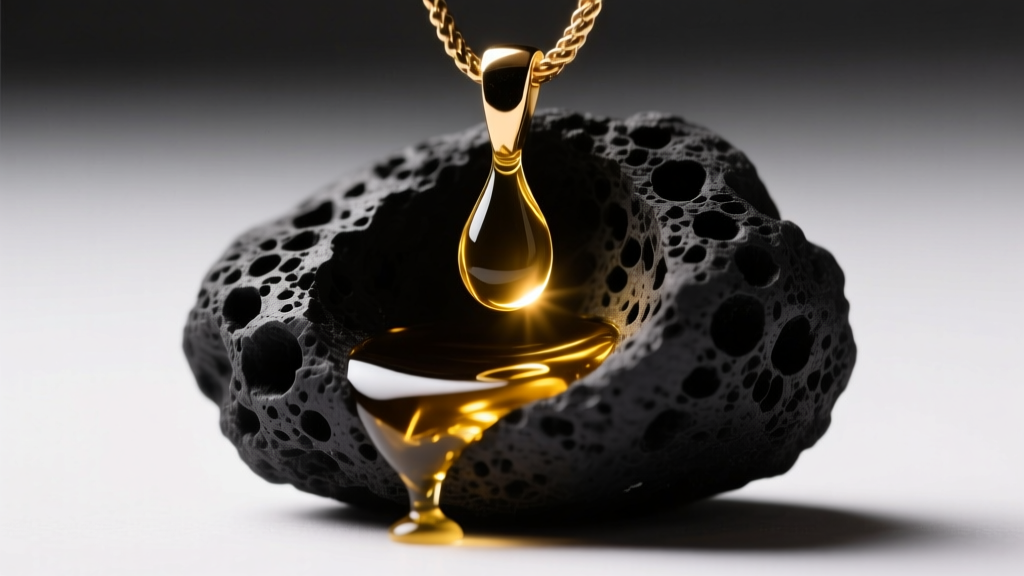
Step-by-Step Cleaning Protocols
Follow these specific protocols based on your necklace type to safely remove oil buildup without damaging the finish or the structural integrity of the piece.
Protocol A: Metal Locket Necklaces
- Remove the Diffuser Pad: Always take out the felt or cotton pad before cleaning the metal casing.
- Create a Mild Degreaser: Mix three drops of unscented, phosphate-free castile soap into a bowl of warm distilled water. Avoid tap water, as chlorine can react with silver.
- Soft Brush Agitation: Dip a baby-soft toothbrush into the solution and gently scrub the interior mesh, the hinge mechanism, and the clasp. Hinges are where polymerized oils accumulate, eventually causing the locket to stick.
- Rinse and Dry: Rinse briefly under distilled water and immediately pat dry with a microfiber cloth. Use a hairdryer on the 'cool' setting to blow out any trapped moisture from the hinge.
Protocol B: Porous Lava Rock and Terracotta
Never use soap on porous stones; the surfactants will trap themselves in the microscopic pores and ruin the scent of future essential oil applications.
- The Boiling Method (Terracotta Only): Submerge unglazed terracotta pendants in boiling water for 10 minutes. The heat opens the clay's pores and releases trapped, oxidized oils. Let it air dry completely for 24 hours.
- The Baking Soda Paste (Lava Rock): For stubborn, sticky resin buildup on lava rock, create a thick paste of baking soda and water. Apply it to the stone, let it sit for 15 minutes to absorb the oils, then scrub gently with a dry, stiff-bristled brush. Do not rinse; simply brush away the dried powder.
Rejuvenating and Replacing Diffuser Pads
The diffuser pad is the engine of your scented necklace. Most commercial pads are made from synthetic acrylic felt, which degrades quickly and holds scent for only a few hours. Upgrading to 100% merino wool felt pads will increase oil retention by up to 300% and provide a slower, more consistent diffusion rate.
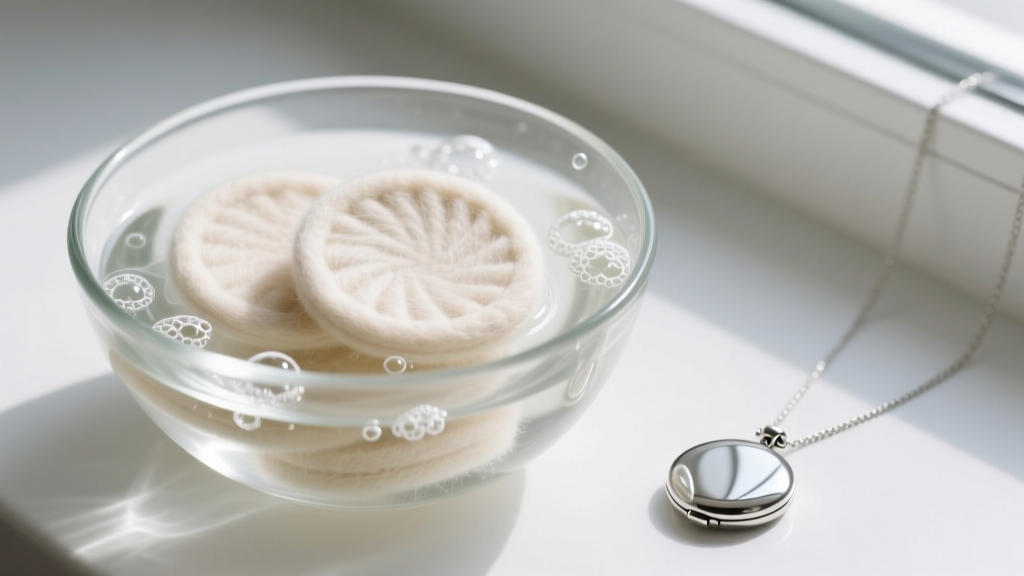
To clean reusable wool pads, place them in a small glass jar filled with warm water and a teaspoon of baking soda. Shake vigorously for two minutes to emulsify the trapped oils. Rinse with distilled water and lay flat to dry. If a pad becomes stiff or develops a rancid odor, it is time to replace it. Keep a rotation of three to four pads so you can switch scents without cross-contamination.
Proper Storage to Prevent Rancidity
How you store your scented necklace when not in use is just as important as how you clean it. Essential oils are highly sensitive to UV light and oxygen. Leaving your necklace on a sunny bathroom counter will cause the residual oils on the metal and stone to oxidize rapidly, leading to a sticky, foul-smelling residue.
Store your aromatherapy jewelry in an airtight, UV-protected container. Small amber glass jars or opaque velvet pouches lined with anti-tarnish silver cloth are ideal. If you are storing a lava rock pendant that is heavily saturated with a citrus blend, place a small silica gel packet in the storage container to absorb excess moisture and slow the oxidation process.
Troubleshooting Common Scented Necklace Issues
Problem: The locket hinge is stuck and won't open.
Solution: Do not force it, as you will snap the delicate solder joint. Apply a single drop of food-grade mineral oil directly to the hinge pin using a toothpick. Let it sit for an hour to break down the polymerized essential oil resin, then gently work the hinge back and forth until it loosens. Wipe away excess oil with a microfiber cloth.
Problem: My skin turns green under the brass pendant.
Solution: This is a harmless but annoying chemical reaction between the copper in the brass and the acids in your essential oils and sweat. To prevent this, coat the back of the pendant with a thin layer of clear, hypoallergenic jewelry guard or micro-crystalline wax. Reapply every few months.
By treating your scented necklace with the same respect you give to your high-end essential oils, you ensure that your jewelry remains a beautiful, functional, and skin-safe accessory for years to come.


