Mastering the John Hardy Naga Necklace: Styling & Care Guide
Learn how to style, layer, and maintain your John Hardy Naga necklace. Expert tips on silver care, gold accent protection, and neckline matching.

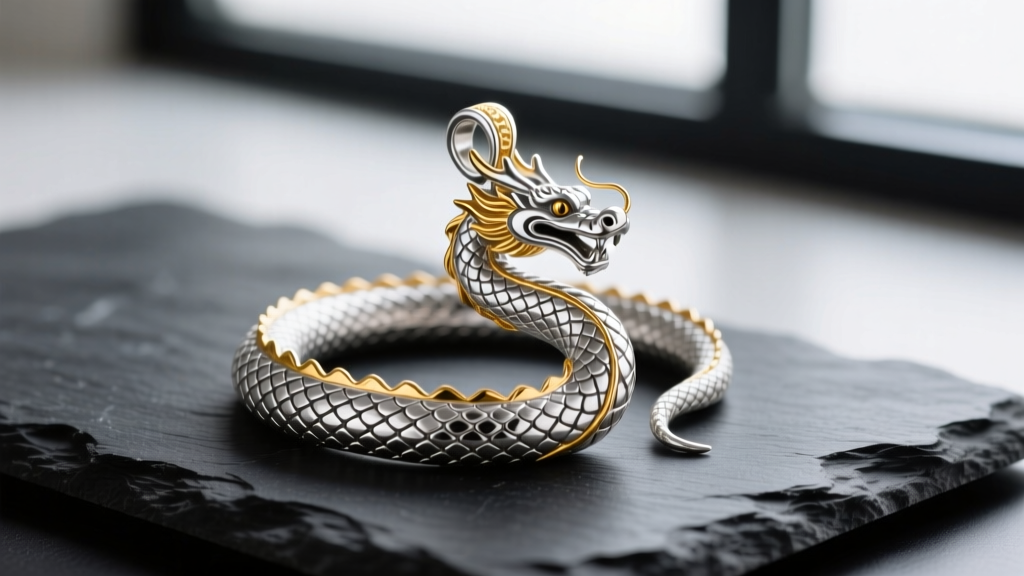
The John Hardy Naga necklace is not merely an accessory; it is a masterclass in Balinese silversmithing and mythological storytelling. Inspired by the mythical water dragon of Balinese legend, the Naga collection symbolizes prosperity, protection, and eternal love. However, owning a piece of this caliber requires more than just slipping it over your head. The intricate scale motifs, intentional silver oxidation, and frequent 18k gold accents demand a specialized approach to styling, layering, and long-term maintenance.
In this comprehensive 2026 guide, we break down the exact frameworks for styling your Naga piece, the critical care mistakes that ruin oxidized silver, and how to authenticate vintage or secondhand finds.
Understanding the Naga Motif and Balinese Craftsmanship
Before styling the Naga, it is essential to understand its construction. John Hardy utilizes traditional lost-wax casting and hand-weaving techniques executed by artisans in Bali. The signature "scales" of the Naga dragon are often individually articulated or cast with deep reliefs. To give these scales a three-dimensional, lifelike appearance, the artisans apply a deliberate oxidation process—darkening the recessed areas of the silver while polishing the raised surfaces to a high shine.
This contrast is the hallmark of the collection. Furthermore, many Naga pieces incorporate 18k yellow gold accents (such as the dragon’s eye or dorsal fins) and hand-applied black or blue enamel. Understanding these material layers is the first step in mastering how to wear and care for the piece.
Step-by-Step: Styling the Naga Necklace for Specific Necklines
The Naga collection features everything from 16-inch chokers to 32-inch station chains. Matching the correct length and pendant weight to your neckline ensures the dragon motif sits flat and commands attention without tangling.
The 16-Inch Choker and Crew Necks
The 16-inch Naga woven chain or choker sits snugly at the base of the throat. This length is best paired with crew necks, boat necks, or off-the-shoulder tops. Because the chain is highly articulated and often weighs between 45g and 60g, it requires a flat canvas to drape correctly. Avoid collared shirts, as the friction against the collar will cause the silver scales to catch and potentially scratch the fabric or bend the micro-links.
The 18-Inch Princess and V-Necks
The 18-inch length is the most versatile, designed to rest perfectly on the collarbone. When wearing a V-neck or a plunging wrap dress, an 18-inch Naga pendant necklace acts as a natural focal point, drawing the eye down the V-shape of the garment. If your pendant features a downward-facing Naga dragon (a common motif symbolizing the dragon diving into the ocean), the V-neck mimics this geometry, creating a cohesive visual flow.
The 32-Inch Station and High Collars
John Hardy’s Naga station necklaces—featuring small dragon motifs or gold beads spaced along a delicate cable chain—are designed for high-neck garments, turtlenecks, and silk blouses. The 32-inch length allows the chain to cascade down the torso, breaking up the monotony of a solid-colored, high-neck sweater.

Master the Art of Layering: Naga Pairing Framework
Layering a John Hardy Naga necklace requires balancing textures. The Naga scale chain is visually "heavy" and highly textured. To avoid a cluttered look, follow the Rule of Contrast:
- Pair with Smooth Cable Chains: Layer an 18-inch Naga scale pendant with a 20-inch John Hardy Classic Chain (smooth cable link). The smooth, rounded links of the Classic Chain provide a quiet background that allows the textured Naga scales to pop.
- Incorporate the Dot Collection: If your Naga piece features 18k gold accents, introduce a 16-inch John Hardy Dot necklace with a small gold and diamond station. The gold-to-gold connection ties the layers together without competing for attention.
- Maintain a 2-Inch Gap: Always ensure at least a 2-inch difference in length between layered necklaces. Silver chains that rub against each other constantly will cause micro-abrasions, eventually wearing down the high-polish surfaces of the Naga scales.
The Ultimate Care Routine: Protecting Oxidation and Enamel
The most common way owners destroy the value and aesthetic of their John Hardy Naga necklace is through improper cleaning. According to The Silver Institute, sterling silver requires gentle, non-abrasive care, but John Hardy’s specific finishing techniques require even more nuance.
Why You Must Avoid Ultrasonic Cleaners and Silver Dip
Never place a Naga necklace in an ultrasonic jewelry cleaner, and never submerge it in liquid "silver dip" tarnish removers. These methods do not distinguish between unwanted tarnish and the intentional oxidation applied by the Balinese artisans. Liquid dips will strip the dark contrast from the dragon’s scales in seconds, leaving the piece looking flat, overly bright, and washed out. Furthermore, ultrasonic vibrations can fracture the hand-applied black enamel often found on the dragon’s fins or eyes.
Step-by-Step Polishing Technique
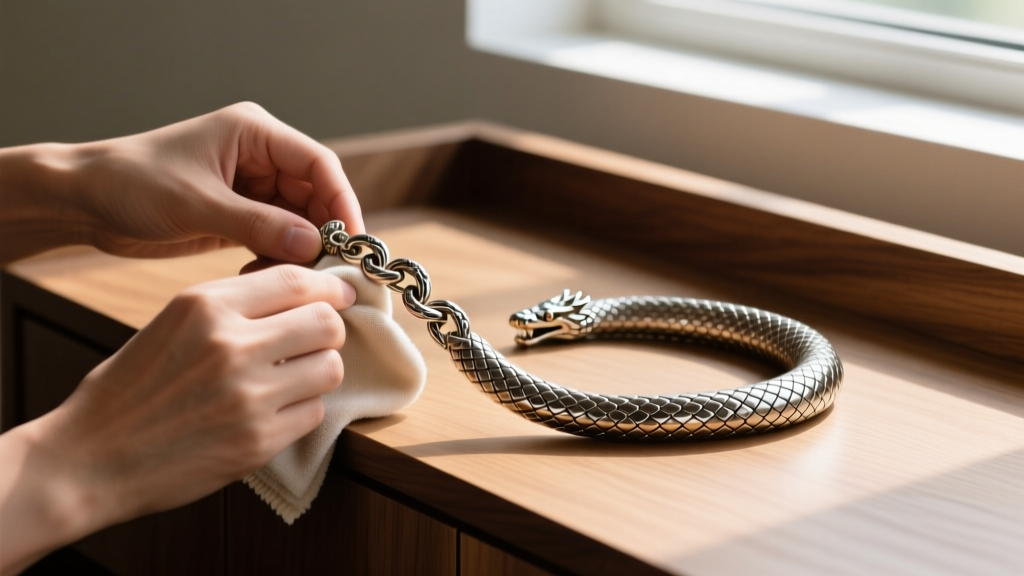
- Use the Right Cloth: Use a dry, untreated microfiber cloth or a specialized jeweler’s polishing cloth (like a Sunshine cloth) that contains mild, embedded polishing agents.
- Target Only the High Points: Gently rub the cloth only over the raised, polished scales of the Naga. Do not press hard into the crevices.
- Clean the Gold Accents: For the 18k gold accents, use a separate, clean section of the microfiber cloth to avoid transferring silver tarnish or polishing compounds to the softer gold.
- Storage: Store the necklace in its original anti-tarnish flannel pouch. Keep it in a low-humidity environment, as moisture accelerates the sulfurization process that causes silver tarnish.
Authentication Checklist: Spotting Genuine John Hardy Naga Pieces
With the secondary market for luxury jewelry expanding, authenticating a John Hardy Naga necklace is critical. Counterfeiters often replicate the dragon motif but fail to replicate the structural engineering. Check these three markers:
- The Hallmarks: Genuine pieces are stamped with "925" (for sterling silver), the "John Hardy" logo (often in a specific oval or rectangular cartouche), and a unique model number. On older vintage pieces, you may also find the "JH" stamp.
- Link Articulation and Weight: Authentic Naga scale chains are remarkably fluid. They should drape like liquid metal, not feel stiff. A genuine 18-inch woven Naga chain has a substantial heft (often 50g+). Fakes are frequently hollow-cast or made of lightweight base metals plated in silver.
- Clasp Engineering: John Hardy uses heavy-duty lobster clasps or custom toggle clasps that feature the brand's signature braided or woven texture on the clasp body itself. The spring mechanism on a genuine lobster clasp should be tight and snap back with authority.
Quick Reference: Naga Collection Specs & Pricing (2026 Market)
The investment value of the Naga collection remains strong due to the brand's commitment to recycled silver and artisanal labor. Below is a breakdown of current market specifications and retail price ranges.
| Naga Style | Average Weight | 2026 Retail Price Range | Best Use Case |
|---|---|---|---|
| Small Silver Pendant (16" Chain) | 12g - 18g | $395 - $550 | Everyday wear, subtle layering |
| Medium Dragon Pendant (18" Chain) | 25g - 35g | $750 - $1,200 | Statement piece, V-neck styling |
| Woven Scale Station Necklace (32") | 30g - 45g | $1,100 - $1,600 | High collars, evening wear |
| Full Woven Scale Chain (18" No Pendant) | 85g - 120g | $2,800 - $4,500+ | Luxury statement, standalone wear |
For more information on the brand's heritage and artisanal processes, you can explore John Hardy's official archives. By respecting the craftsmanship of the Naga water dragon and adhering to these specific care and styling protocols, your necklace will retain its striking contrast and structural integrity for decades to come.


