Expert Care and Cleaning Tips for Necklaces for Glasses
Discover expert care, cleaning, and maintenance tips for necklaces for glasses. Prevent tarnishing, clasp failure, and lens scratches with our guide.

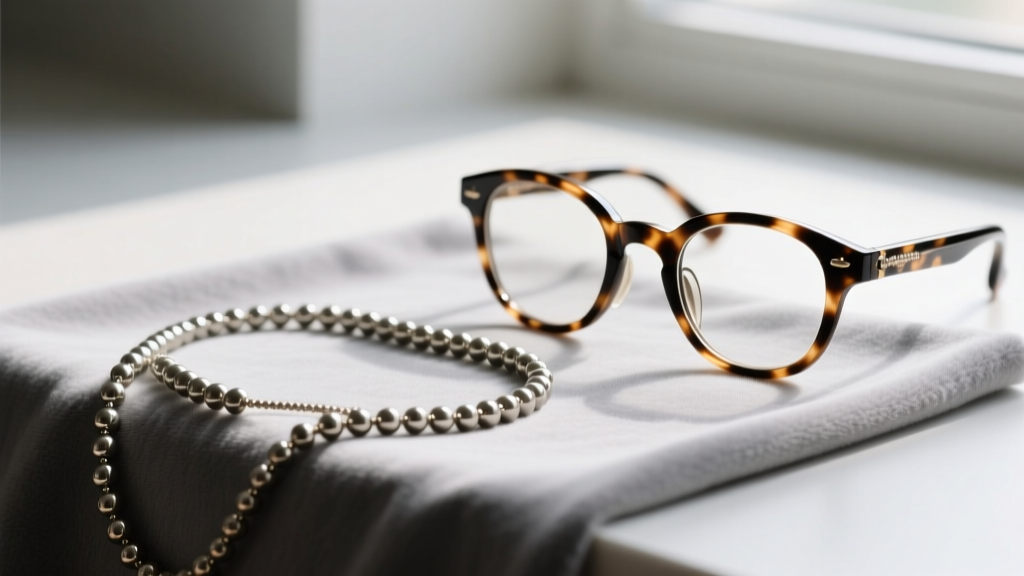
Spectacle lanyards and eyeglass chains have evolved from purely functional retirement staples into high-fashion accessories. However, necklaces for glasses endure a unique biomechanical environment that standard jewelry does not. They are subjected to constant friction against clothing, prolonged exposure to facial sebum and cosmetics, and the persistent risk of swinging into and scratching expensive polycarbonate or CR-39 lenses. Proper maintenance is not just about preserving the chain's aesthetic; it is about protecting your eyewear investment.
Understanding the Unique Stressors on Spectacle Necklaces
Unlike a standard pendant necklace that rests against the clavicle, necklaces for glasses are frequently handled, stretched, and exposed to the oils from your face and hands. The temple loops—the critical hardware connecting the chain to your frames—absorb the brunt of mechanical stress. Furthermore, the constant transition from hanging around your neck to resting on your face means the chain is regularly exposed to skincare acids (like salicylic or glycolic acid), which can rapidly degrade plated metals and porous gemstones.
Material-Specific Cleaning Protocols
To properly maintain your eyeglass necklace, you must tailor your cleaning approach to its specific material composition. Using the wrong solvent can strip finishes or weaken structural wire.
316L Stainless Steel and Solid Brass Chains
High-quality metal spectacle chains are often crafted from 316L surgical stainless steel or solid brass. These materials are highly resistant to corrosion from facial oils.
- The 3-Minute Surfactant Soak: Mix three drops of mild, lotion-free dish soap (like Dawn) into a bowl of lukewarm water. Submerge the metal chain for exactly three minutes to break down sebum bonds.
- Agitation: Use a soft-bristled baby toothbrush to gently agitate the links, paying special attention to the jump rings near the clasp where dead skin cells accumulate.
- Drying: Pat dry with a lint-free microfiber cloth. Never air-dry, as hard water spots will cling to the links.
Gold Vermeil and Plated Metals
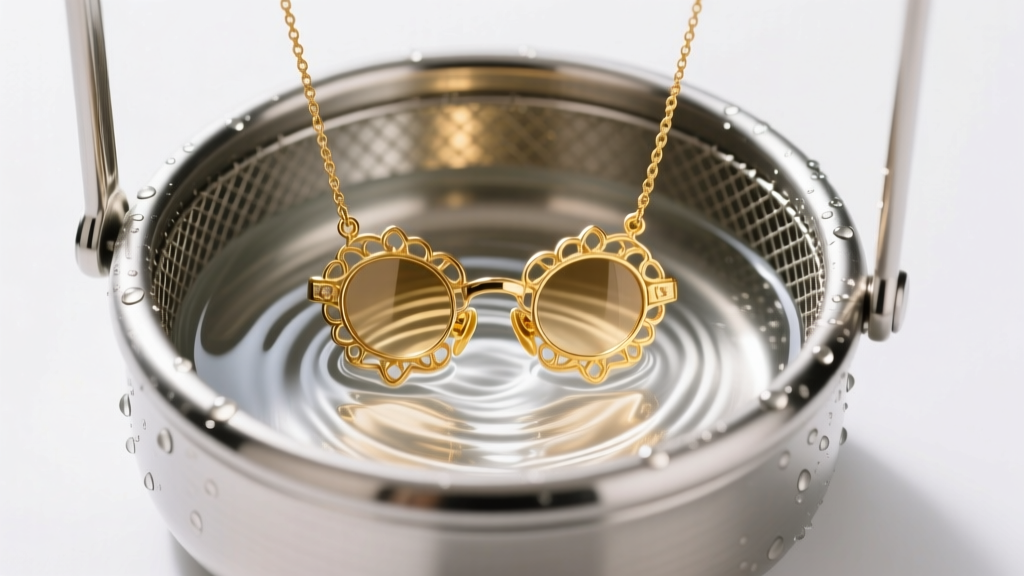
Gold vermeil (a thick layer of gold over sterling silver) is popular for luxury necklaces for glasses, but it is highly vulnerable to friction and chemical erosion. Never use ultrasonic cleaners on vermeil or plated chains. The high-frequency cavitation bubbles will strip the gold layer from the high-friction contact points. Instead, wipe the chain down weekly with a damp, untreated microfiber cloth and buff gently with a dry jewelry polishing cloth.
Beaded and Gemstone Lanyards
Beaded eyeglass chains are typically strung on 0.015-inch or 0.018-inch nylon-coated stainless steel beading wire. When cleaning these, you must consider the Mohs hardness scale of the beads. According to the Gemological Institute of America (GIA), porous organic gems like pearls, amber, and turquoise should never be submerged in water or exposed to detergents, as the chemicals can degrade their luster and weaken the silk or nylon thread knots. Wipe these beads with a barely damp cloth and immediately dry them.
Preventing the 'Lens Scratch' Failure Mode
The most catastrophic failure associated with necklaces for glasses is not the chain breaking, but the chain ruining your lenses. Metal links and hard gemstone beads can easily scratch anti-reflective (AR) coatings and polycarbonate lenses when the glasses are pushed up onto your head.
Expert Insight: The American Academy of Ophthalmology notes that micro-scratches on lenses not only degrade visual clarity but also scatter light, increasing glare and eye strain. Preventing contact between hard jewelry and lenses is paramount.
To mitigate this, employ the following strategies:
- Optimal Length Selection: Choose a chain length between 24 and 28 inches. This ensures that when the glasses are resting on your face, the chain hangs low enough that it cannot swing upward and strike the lenses.
- Silicone Bumpers: If you prefer a shorter, tighter chain, thread small, 2mm clear silicone spacer beads onto the chain near the temple loops. These act as shock absorbers if the chain swings against the frames.
- Proper Doffing Technique: Always remove the glasses from your face before letting the chain drop against your chest. Never slide the glasses down your nose and let them drop onto the chain.
Hardware Maintenance: Clasps and Temple Loops
The attachment loops are the highest-wear components of any eyeglass necklace.
Silicone Temple Loops
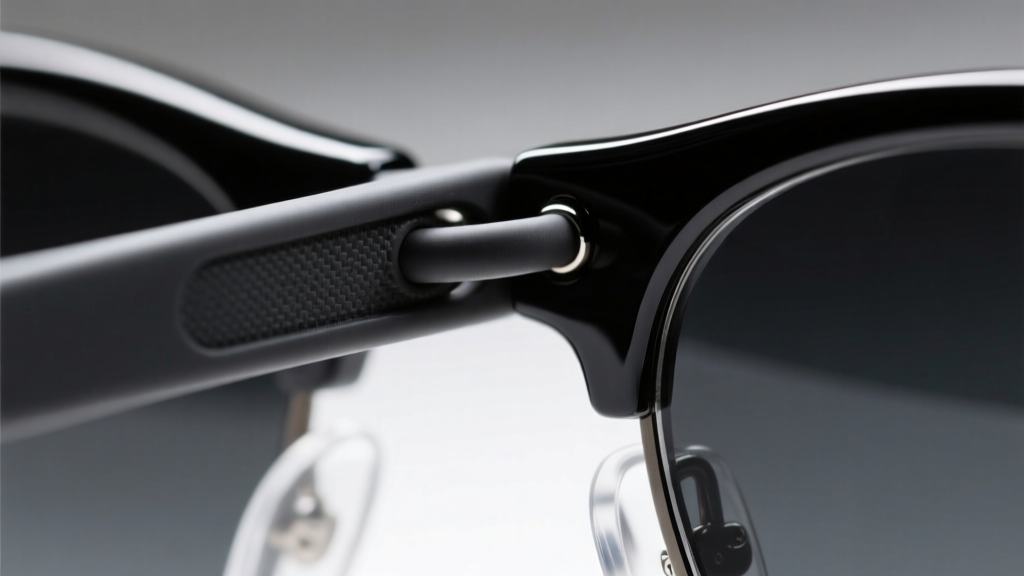
Most modern necklaces for glasses use silicone loops with a Shore A hardness of around 40-50, providing enough grip to hold the acetate or metal temple tips without slipping. However, silicone is highly susceptible to degradation from UV exposure and the solvents found in hand sanitizers and cosmetics. Over time, the silicone becomes brittle and snaps. Replace silicone loops every 6 to 9 months as a preventative measure, or immediately if you notice the silicone turning cloudy or sticky.
Metal O-Rings and Lobster Clasps
If your chain uses metal O-rings that wrap around the temple tips, inspect the split gap weekly. A gap wider than 0.5mm will snag on hair and clothing. Use two pairs of flat-nose jewelry pliers to gently squeeze the gap closed. For lobster clasps, apply a microscopic drop of synthetic watch oil to the spring hinge once a year to prevent the internal spring from seizing due to oxidized skin oils.
Cleaning Agents to Avoid by Material
Using household cleaners on your eyeglass necklace can result in irreversible damage. Reference this matrix to avoid common chemical mistakes:
| Chain Material | Harmful Agents to Avoid | Result of Exposure |
|---|---|---|
| Gold Vermeil / Plated | Ammonia, Bleach, Alcohol | Strips gold layer, exposes base metal |
| Sterling Silver | Chlorine (Pool/Hot Tub) | Causes rapid, deep black tarnishing |
| Pearls / Amber Beads | Vinegar, Citrus Cleaners | Dissolves calcium carbonate, ruins luster |
| Silicone Loops | Acetone, Nail Polish Remover | Melts polymer, destroys structural grip |
Storage and Longevity Best Practices
How you store your necklaces for glasses when they are not in use dictates their lifespan. Tossing an eyeglass chain into a drawer guarantees that the beading wire will kink or the links will tangle, weakening the metal's crystalline structure through work-hardening.
- Hang, Don't Coil: Use a multi-hook jewelry stand to hang the chain by its clasp. This allows gravity to keep the links aligned and prevents the nylon-coated wire in beaded versions from developing permanent memory kinks.
- Anti-Tarnish Environments: If you must store the chain in a drawer or travel pouch, place a 3M anti-tarnish strip inside the enclosure. These strips absorb airborne sulfur compounds that cause silver and brass to oxidize.
- Separate from Eyewear: Never store the chain wrapped around the glasses themselves in a hard case. The confined space will press the metal links directly into the lenses, guaranteeing micro-scratches on your anti-reflective coating.
By treating your eyeglass necklace with the same material-specific respect as fine jewelry, you ensure it remains a reliable, stylish, and safe accessory for your daily eyewear.