Troubleshooting Your Peridot Tennis Necklace: Repairs & Care
Is your peridot tennis necklace losing stones or looking cloudy? Discover expert troubleshooting tips, repair solutions, and safe cleaning methods.

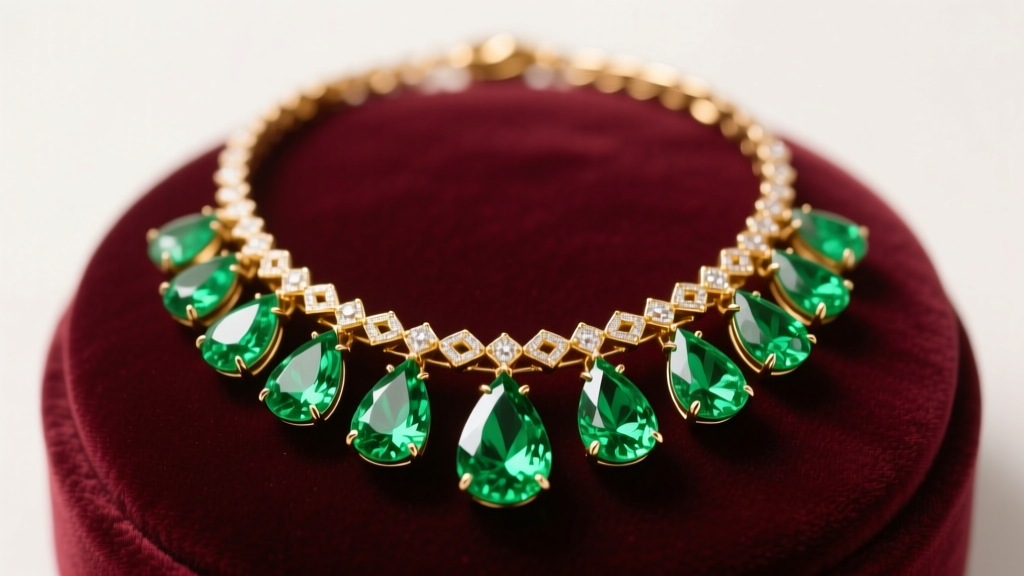
A peridot tennis necklace is a masterclass in vibrant, continuous color. The olive-to-lime green hues of peridot (a gem-quality variety of olivine) offer a striking alternative to traditional diamond tennis necklaces. However, combining a relatively soft gemstone with the high-flex, continuous-motion structure of a tennis necklace creates a unique set of structural vulnerabilities. As we move through 2026, jewelers are seeing a spike in preventable damage to these pieces due to improper cleaning methods and inadequate clasp hardware.
If your peridot tennis necklace is losing stones, looking cloudy, or suffering from chain kinks, you are dealing with a structural mismatch between the gemstone's physical properties and the necklace's mechanical stress. This comprehensive troubleshooting guide will help you diagnose, repair, and maintain your piece using professional jewelry bench techniques.
Diagnosing Common Peridot Tennis Necklace Failures
Before taking your necklace to a bench jeweler, you need to accurately identify the failure point. Peridot ranks at 6.5 to 7 on the Mohs hardness scale, making it significantly softer and more brittle than sapphire or diamond. When set in a continuous tennis necklace, the constant bending and flexing of the gallery wire transfers stress directly to the stone's girdle.
| Symptom | Root Cause | Immediate Action Required |
|---|---|---|
| Stones rattling or falling out | Prong fatigue from necklace flexing; prong thickness under 0.6mm | Stop wearing immediately; store flat; seek laser retipping |
| Cloudy or dull surface finish | Acid erosion from skin pH or harsh chemical cleaners | Professional repolish; switch to pH-neutral cleaning |
| Sudden internal fractures | Ultrasonic vibration or thermal shock from steam cleaning | Consult a lapidary for potential recutting; do not wear |
| Chain kinking near the clasp | Inadequate clasp strength; high weight-to-flex ratio | Upgrade to a box clasp with a figure-8 safety catch |
Stone Loss and Prong Wear: The 6.5 Mohs Vulnerability
The most frequent issue with peridot tennis necklaces is stone loss. Unlike a rigid pendant, a tennis necklace wraps tightly around the neck, requiring the setting to bend up to 180 degrees. This flexing causes the metal gallery to expand and contract microscopically. If the jeweler used standard 0.4mm or 0.5mm prongs, the metal will eventually work-harden, snap, or lift away from the peridot's girdle.
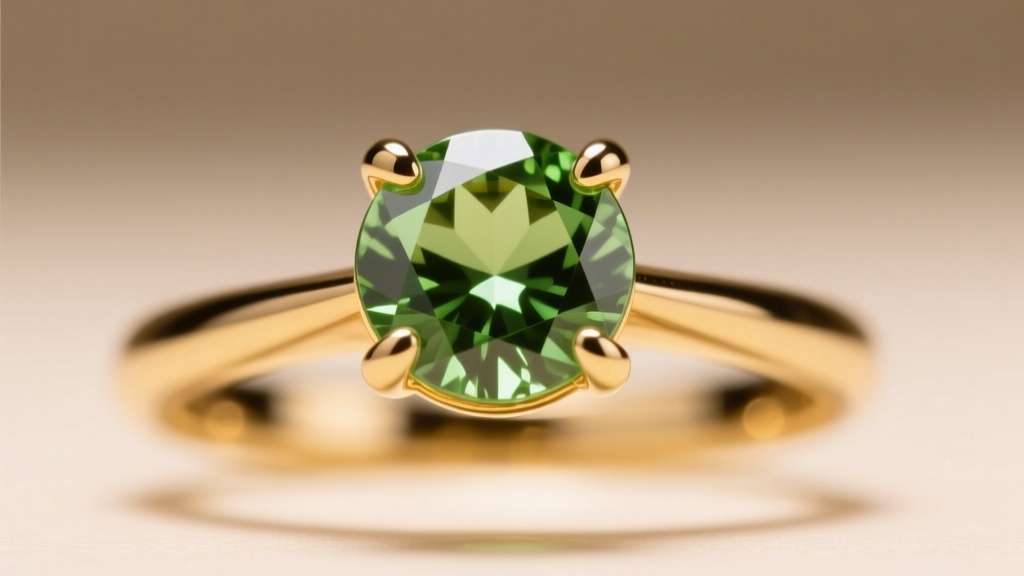
The Laser Welding Solution
If your peridots are loose, traditional torch soldering is a massive risk. Peridot is highly sensitive to rapid temperature changes (thermal shock). A standard jeweler's torch can easily cause the stone to crack or shatter. In 2026, the industry standard for repairing peridot tennis necklaces is laser welding. Laser welders use highly focused light to melt the gold or platinum prong tip without transferring ambient heat to the gemstone. Always verify that your jeweler uses a laser welder for retipping peridot prongs.
Upgrading to Bezel or Half-Bezel Settings
If you live an active lifestyle or wear your tennis necklace daily, prongs may simply be the wrong choice. Consider having your jeweler rebuild the settings into half-bezel or full-bezel mounts. While a bezel setting will cover roughly 15% more of the stone's surface area (slightly reducing light return), it completely eliminates the risk of prong snagging and provides a 300% increase in structural integrity against flex-fatigue.
Cloudiness and Surface Damage: What NOT to Do
Peridot is an iron-rich silicate. This specific chemical composition makes it exceptionally vulnerable to acids. Over time, the natural acidity of human sweat, combined with lotions and perfumes, can etch the surface of the stone, leaving it looking cloudy, milky, or scratched. This is not dirt; it is permanent chemical erosion of the polish.
The Ultrasonic and Steam Ban
Never, under any circumstances, place a peridot tennis necklace in an ultrasonic cleaner. Peridot frequently contains natural internal stress lines and discoid fractures known as 'lily pad inclusions.' The high-frequency cavitation bubbles created by an ultrasonic machine will aggressively exploit these microscopic fault lines, causing the stone to shatter from the inside out. Similarly, steam cleaners introduce rapid thermal shock, which will crack the olivine structure instantly.
The Safe Cleaning Protocol
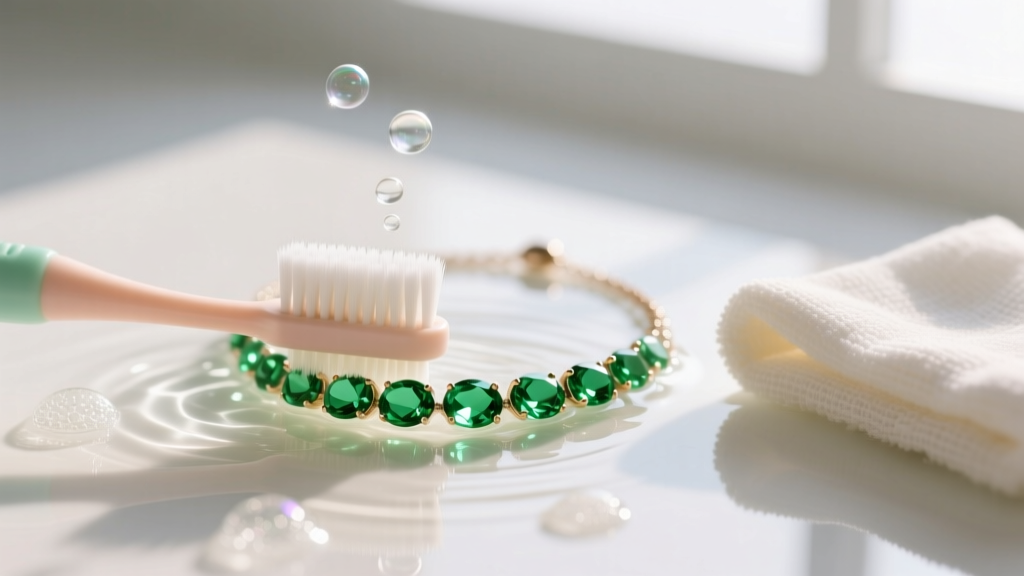
To safely restore the brilliance of your peridot tennis necklace without risking structural or chemical damage, follow this exact bench-approved protocol:
- Step 1: Mix a solution of lukewarm distilled water and a few drops of pH-neutral, phosphate-free dish soap (avoid citrus-based soaps, as citric acid will etch the peridot).
- Step 2: Submerge the necklace for exactly 3 to 5 minutes to loosen sebum and cosmetic buildup.
- Step 3: Use an ultra-soft baby toothbrush to gently agitate the pavilion (the underside) of the stones, where grease accumulates and blocks light return.
- Step 4: Rinse under a gentle stream of lukewarm water and pat dry with a lint-free microfiber cloth. Never air-dry, as hard water spots will bond to the surface.
Clasp and Chain Kinking Solutions
A high-quality 16-inch peridot tennis necklace can easily weigh between 25 and 45 carats in total gemstone weight, plus the precious metal. This creates a heavy, rigid front section that transitions into a flexible chain. If your necklace is secured with a standard lobster claw or spring ring clasp, the weight disparity will cause the chain links immediately adjacent to the clasp to twist, kink, and eventually snap.
Implementing a Box Clasp with a Figure-8 Safety
The only mechanically sound solution for a heavy gemstone tennis necklace is a precision-machined box clasp. A box clasp distributes the tensile load across a wider surface area and locks the two halves of the necklace into a rigid, continuous line. Ensure the tongue of the box clasp is stamped 14k or 18k gold and is at least 1.2mm thick. Furthermore, the clasp must feature a figure-8 safety wire—a secondary locking mechanism that catches on a small peg if the primary box tongue fails, preventing a catastrophic drop and total stone loss.
Sizing and Drape Troubleshooting
A tennis necklace relies on perfect geometry to drape correctly against the clavicle. If the necklace is too tight, it will constantly flip over, exposing the back of the settings. If it is too loose, it will sag and pull uncomfortably on the nape of the neck.
If your peridot tennis necklace is flipping, do not simply add a standard extender chain, as this ruins the continuous gemstone aesthetic. Instead, consult a custom jeweler to integrate a 'flex-back' design. This involves replacing the rear 3 inches of the necklace (where it rests against the hair and neck) with a high-tensile, flexible 18k gold cable chain. This reduces the overall weight of the piece, lowers the center of gravity, and allows the front peridot section to lay perfectly flat against the collarbone without flipping.
Replacing Lost or Damaged Peridot Stones
If a stone is lost or shattered, replacing it requires meticulous color matching. Peridot's color is idiochromatic, meaning its green hue is derived from its essential chemical composition (iron) rather than trace impurities. However, the exact shade varies wildly by origin. Pakistani peridot (from the Suppatt region) tends to exhibit a deep, rich olive-green, while Arizona peridot often leans toward a bright, yellowish-lime. When sourcing a replacement stone, your jeweler must match not just the millimeter dimensions, but the exact iron-concentration hue and birefringence (the doubling effect visible through the table of the stone) to ensure the new gem blends seamlessly into the continuous line of the tennis necklace.
For more authoritative guidelines on gemstone durability and care, refer to the Gemological Institute of America (GIA) Peridot Profile and the Jewelers of America Care Guidelines. Proper troubleshooting and proactive maintenance will ensure your peridot tennis necklace remains a vibrant, structurally sound heirloom for decades to come.


