How to Clean and Care for a White Squash Blossom Necklace
Learn expert cleaning and storage techniques to protect the sterling silver and porous white stones of your vintage or modern squash blossom necklace.

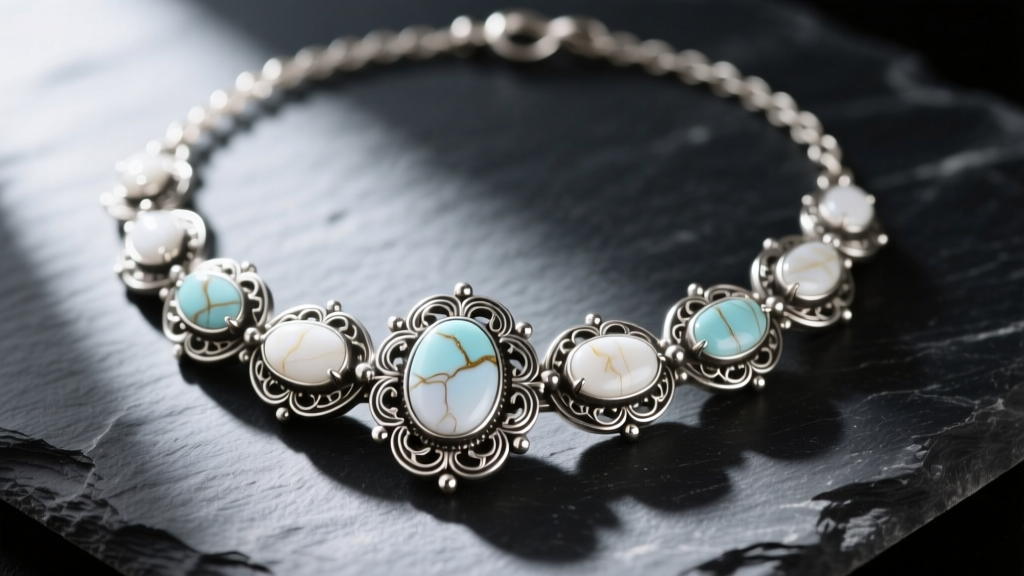
The Unique Challenge of White Squash Blossom Necklaces
The squash blossom necklace is a cornerstone of Native American jewelry, historically crafted by Navajo, Zuni, and Pueblo artisans. While traditional designs feature blue or green turquoise, a white squash blossom necklace offers a striking, modern aesthetic. These pieces typically incorporate white turquoise, howlite, magnesite, or white mother-of-pearl set in 925 sterling silver. However, caring for a white squash blossom necklace requires a highly specialized approach. Unlike dark stones that hide imperfections, white stones are notoriously unforgiving. They readily absorb skin oils, cosmetics, and—most disastrously—tarnish transfer from the surrounding silver bezels. According to the Gemological Institute of America (GIA), porous gemstones require strict environmental control to prevent irreversible staining and structural degradation.
Identifying Your White Stones: The First Step in Care
Before applying any cleaning solution, you must identify the exact white material used in your necklace. The porosity and Mohs hardness of the stone will dictate your entire maintenance strategy. White turquoise is often stabilized with epoxy resins to enhance durability, meaning harsh chemicals can melt the resin and cloud the stone. Howlite and magnesite are highly porous and act like sponges for liquid tarnish removers.
| Stone Material | Mohs Hardness | Porosity | Safe Cleaning Method | Strictly Avoid |
|---|---|---|---|---|
| White Turquoise (Stabilized) | 5.0 - 6.0 | Low (if stabilized) | Mild soap, distilled water, soft brush | Acetone, alcohol, heat |
| Howlite | 3.5 | Very High | Dry microfiber cloth only | All liquids, silver dips |
| Magnesite | 3.5 - 4.5 | High | Dry microfiber cloth only | Acids, ultrasonic cleaners |
| White Mother-of-Pearl | 2.5 - 4.5 | Low | Damp cloth, immediate drying | Ammonia, vinegar, ultrasonics |
Step-by-Step Cleaning Guide for Sterling Silver and White Stones
Cleaning a white squash blossom necklace is a meticulous process of isolating the metal from the stones. The goal is to remove silver sulfide (tarnish) without allowing chemical runoff to penetrate the stone matrix.
What You Will Need
- 100% untreated cotton flannel or a dedicated silver polishing cloth (e.g., Sunshine Cloth)
- Mild, phosphate-free dish soap (like Dawn)
- Distilled water (tap water contains minerals that can leave white spots)
- Extra-soft baby toothbrush
- Cotton swabs
- Lint-free microfiber towels
The Cleaning Process
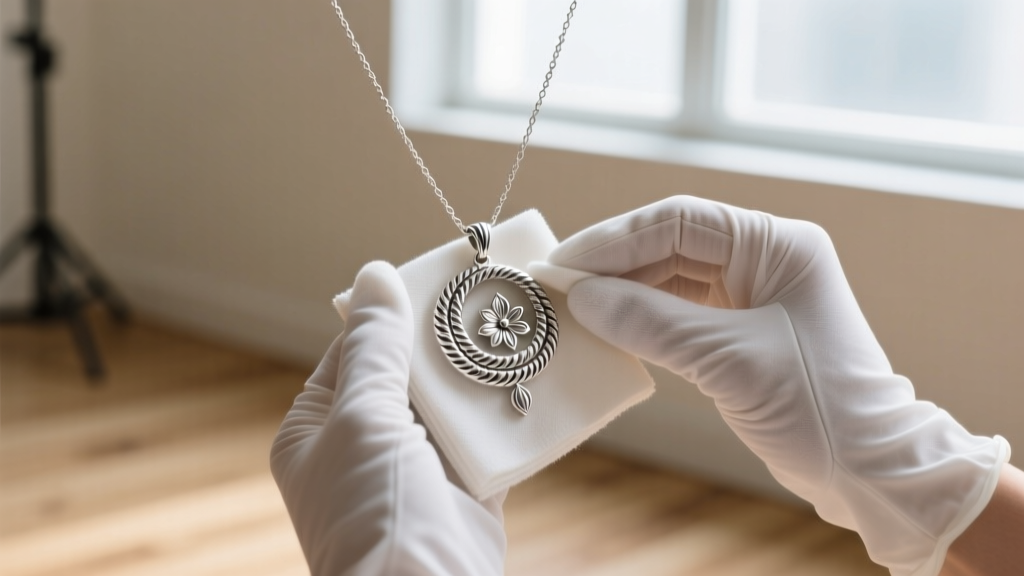
- Dry Dusting: Begin by gently wiping the entire necklace with a dry microfiber cloth to remove surface dust and skin oils. This prevents scratching the silver or stones during the wet phase.
- Targeted Silver Polishing: Using a dry silver polishing cloth, gently buff the sterling silver beads and the Naja (crescent pendant). Critical: Keep the cloth away from the white stones. If you must polish the silver bezel surrounding a stone, wrap your finger tightly in the cloth to control the pressure and prevent the tarnish-removing compound from smearing onto the white stone.
- Stone Cleaning (For Non-Porous/Stabilized Stones Only): If your stones are stabilized white turquoise or mother-of-pearl, mix a single drop of mild dish soap into a bowl of distilled water. Dip the soft toothbrush into the solution, shake off excess moisture, and gently brush the stone. Do not soak the necklace.
- Rinsing and Drying: Dampen a clean cloth with plain distilled water and wipe the stones to remove soap residue. Immediately dry the entire piece thoroughly with a lint-free towel. Use a cotton swab to absorb any trapped moisture where the stone meets the silver bezel.
Critical Mistakes That Ruin White Squash Blossoms
Many well-intentioned collectors destroy their jewelry by using conventional silver cleaning methods. The Silver Institute warns against using chemical dips on complex jewelry assemblies. Here is what you must avoid:
- Liquid Silver Dips (Thiourea-based): Products like Tarn-X use thiourea to instantly strip tarnish. If this liquid touches howlite or magnesite, it will be absorbed instantly, leaving permanent, ugly grey or yellow chemical burns inside the stone.
- Ultrasonic Cleaners: The high-frequency vibrations can shatter the delicate matrix of white turquoise, loosen the glue in stabilized stones, and rattle stones out of their handmade bezel settings.
- Baking Soda and Aluminum Foil Baths: While this electrochemical reaction is great for plain silver chains, the alkaline solution can etch the surface of mother-of-pearl and leave a chalky, irreversible film on porous white stones.
Restringing and Structural Maintenance
A traditional squash blossom necklace is heavy. The Naja pendant alone can weigh between 50 and 120 grams, placing immense structural stress on the center drape of the necklace. Vintage pieces were often strung on cotton thread or early nylon cords, which degrade over time due to sweat and friction.
Inspect the bead cord regularly. If you notice the necklace stretching, the cord fraying near the clasp, or the Naja hanging lower than its original design, it is time for a restring. Modern jewelers use Power Pro braided bead line or multi-strand tigertail wire for heavy Native American pieces. Never attempt to restring a valuable vintage squash blossom yourself; the tensioning of the silver beads and the proper tying of the traditional bezel knots require a specialist familiar with Native American jewelry construction. The Indian Arts and Crafts Association (IACA) recommends consulting certified appraisers or specialized Native American jewelers for structural repairs to maintain the piece's historical and monetary value.
Long-Term Storage and Anti-Tarnish Strategies
Because white stones show tarnish transfer so easily, preventing the silver from oxidizing in the first place is your best defense. Silver tarnishes when it reacts with hydrogen sulfide in the air.
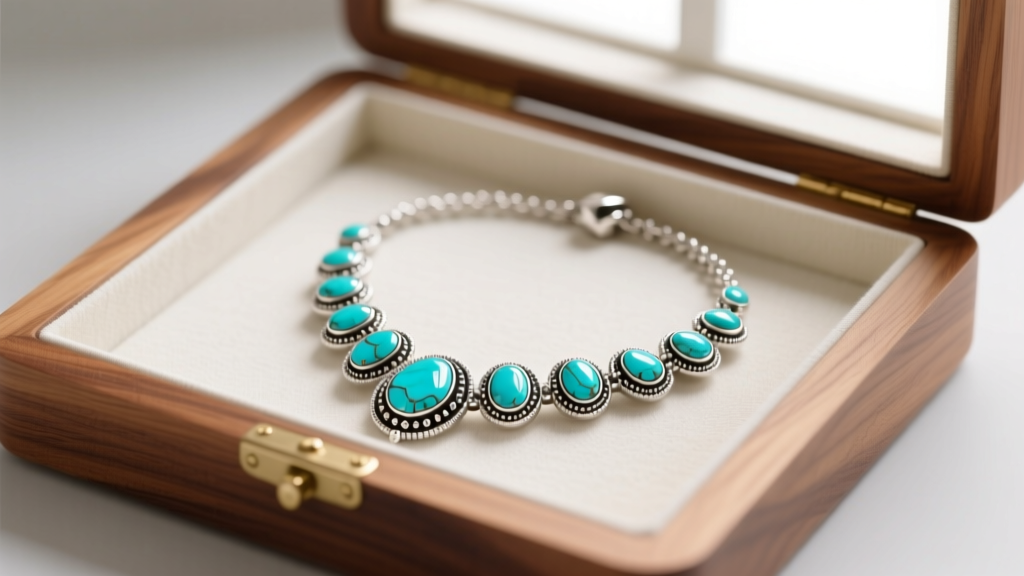
Expert Storage Tip: Never store your white squash blossom necklace in a standard polyethylene plastic bag or a cardboard box. Plastics can emit volatile organic compounds (VOCs) that accelerate tarnishing, and cardboard contains sulfur acids. Always use a breathable, treated fabric.
For optimal storage, wrap the necklace loosely in Pacific Silvercloth or a dedicated anti-tarnish flannel bag. These fabrics are embedded with microscopic silver particles that capture and neutralize tarnishing gases before they reach your jewelry. Place the wrapped necklace in a cedar wood box or a lined jewelry drawer. If you live in a high-humidity environment, include a small, rechargeable silica gel desiccant packet in the storage area to control moisture, but ensure the silica gel does not directly touch the white stones, as it can absorb moisture from porous materials.
Frequently Asked Questions
Can I wear my white squash blossom necklace in the shower or pool?
Absolutely not. Chlorine in pools and hot tubs will aggressively oxidize sterling silver and can permanently bleach or pit white turquoise and howlite. Shower water contains soaps and hard water minerals that will build up in the bezel settings and dull the stones over time.
How do I remove grey tarnish smudges that have already transferred to my white stones?
If silver tarnish has rubbed off onto a porous white stone like howlite, it is incredibly difficult to remove because the stain penetrates the microscopic pores. You can try gently dabbing the stain with a cotton swab lightly moistened with distilled water and a tiny amount of mild soap, but avoid scrubbing. For severe tarnish transfer on valuable pieces, consult a professional lapidary who may be able to carefully polish the surface of the stone without destroying the cabochon's dome.
How often should I polish the silver components?
Only polish the silver when you see visible yellow or black tarnish. Over-polishing removes microscopic layers of silver and can wear down the antique oxidation (patina) that gives vintage squash blossom necklaces their depth and value. Regular wear and gentle wiping with a dry cloth after each use will naturally keep the silver bright.


