The Ultimate Centenario Necklace Buying Guide: Coins, Bezels & Chains
Discover how to build an authentic Centenario necklace. Learn about 50 Peso gold coin specs, bezel types, heavy-duty chains, and spotting fakes.

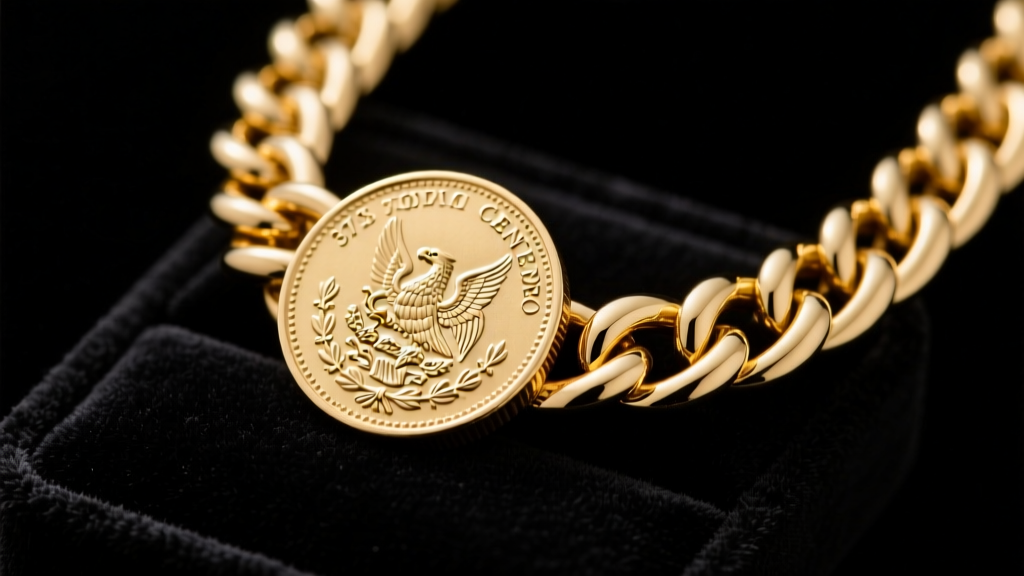
The Legacy and Metallurgy of the Centenario
The Mexican Centenario is not merely a piece of jewelry; it is a cornerstone of numismatic history and a heavyweight in the gold bullion market. First minted in 1921 to commemorate the 100th anniversary of Mexico's independence from Spain, the 50 Peso gold coin features the iconic Winged Victory (El Ángel de la Independencia) on the obverse. For collectors and jewelry enthusiasts in 2026, transforming this historic coin into a wearable centenario necklace requires a deep understanding of its unique metallurgical profile and structural demands.
Unlike standard 22k or 24k gold jewelry, the Centenario is struck in a highly specific alloy: 90% gold and 10% copper (effectively 21.6k gold). This copper content was intentionally added to increase the coin's durability for circulation, but it also imparts a distinct, warm, slightly rose-orange hue that differs from the bright yellow of 18k gold or the deep buttery tone of 24k gold. When building your necklace, acknowledging this unique color profile is the first step in selecting a bezel and chain that will complement, rather than clash with, the coin's natural patina.
Exact Specifications for the 50 Peso Coin
- Total Weight: 41.66 grams
- Actual Gold Weight (AGW): 1.20565 troy ounces
- Diameter: 37 millimeters
- Thickness: 2.8 millimeters
- Specific Gravity: ~17.2 g/cm³
Step 1: Sourcing the Coin and Avoiding Counterfeits
Before you can set your centenario necklace, you must acquire the coin. The vast majority of Centenarios on the market today are actually 1947 restrikes. The Mexican Mint continued to produce these coins with the 1947 date for decades to meet bullion demand. While original 1921-1931 issues carry a massive numismatic premium and should generally be kept in protective slabs rather than worn, the 1947 restrikes are considered bullion and are perfect for jewelry mounting.
According to the Numismatic Guaranty Company (NGC), the 1947 restrike is one of the most widely traded fractional and large gold bullion coins globally, making it highly liquid but also a primary target for counterfeiters.
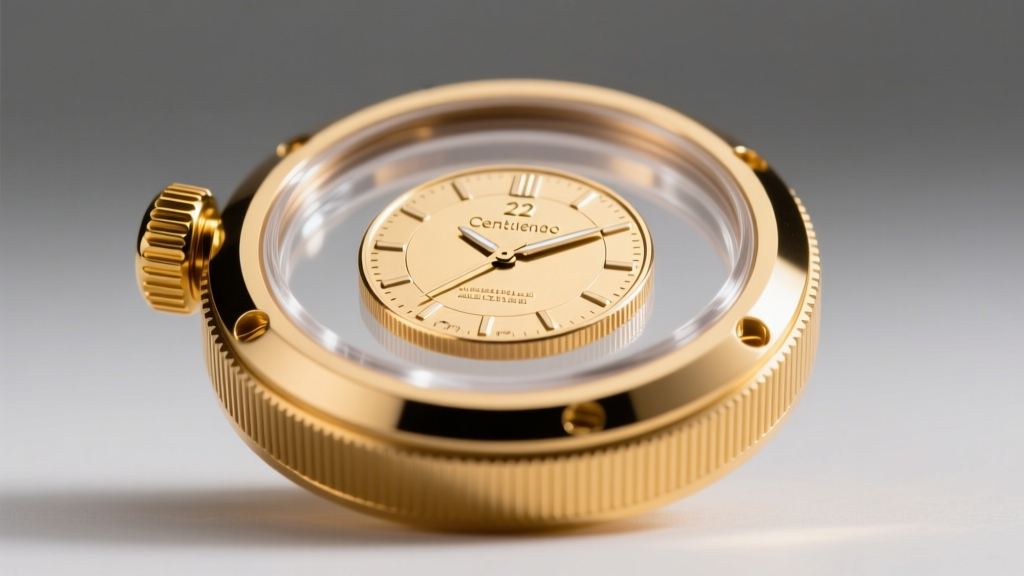
Authentication Protocols
Because of the coin's high gold content and premium over spot price (often tracked via resources like Kitco), counterfeiters frequently use tungsten cores plated with gold. To ensure your centenario is authentic before setting it, employ these non-destructive tests:
- The Ping Test: Strike the coin gently with another gold or silver coin. A genuine 90% gold Centenario will emit a long, high-pitched, resonant ring that lasts for 2 to 3 seconds. Tungsten or lead-core fakes produce a dull, immediate thud.
- Dimensional Calipers: The coin must measure exactly 37mm in diameter and 2.8mm in thickness. Counterfeits often fail to match both dimensions simultaneously due to the strict density requirements of the 90/10 alloy.
- Specific Gravity Test: Using a precision scale and water displacement, verify the specific gravity. A genuine Centenario will read very close to 17.2. Any reading below 16.5 indicates base metal contamination.
Step 2: Selecting the Ideal Bezel Mount
The bezel is the critical interface between your historic coin and the modern chain. A poorly chosen bezel can damage the coin's rim, obscure its design, or fail under the pendant's substantial weight. Furthermore, because the Centenario is 21.6k gold, setting it in a bright 14k white gold or pale 10k yellow gold bezel creates a jarring visual mismatch. Always opt for 18k or 22k yellow gold bezels to harmonize with the coin's copper-rich warmth.
| Bezel Type | Mechanism | Pros | Cons |
|---|---|---|---|
| Screw-Top | Threaded edges that screw together, often with an acrylic insert. | Allows coin removal; protects surfaces from scratches. | Threads can wear out or cross-thread over years of use. |
| Soldered / Solid | The coin is permanently enclosed by a jeweler's soldered rim. | Maximum security; sleek, low-profile aesthetic. | Traps moisture against the coin; impossible to remove without cutting. |
| Prong / Marriage | 4 to 6 prongs bent over the coin's edge. | Leaves maximum surface area of the coin visible. | Prongs can catch on clothing and bend, risking coin loss. |
For a heavy, daily-wear centenario necklace, the screw-top bezel with a protective acrylic or Mylar insert is highly recommended. It prevents the gold chain from grinding against the coin's reeded edge and allows you to remove the coin for professional cleaning or secure storage when traveling.
Step 3: Engineering a Chain That Will Not Snap
The most common point of failure in heavy gold coin jewelry is the chain. A Centenario weighs 41.66 grams. Add a solid 18k gold screw-top bezel, and your total pendant weight easily reaches 55 to 60 grams. Standard jewelry chains are not engineered for this load.
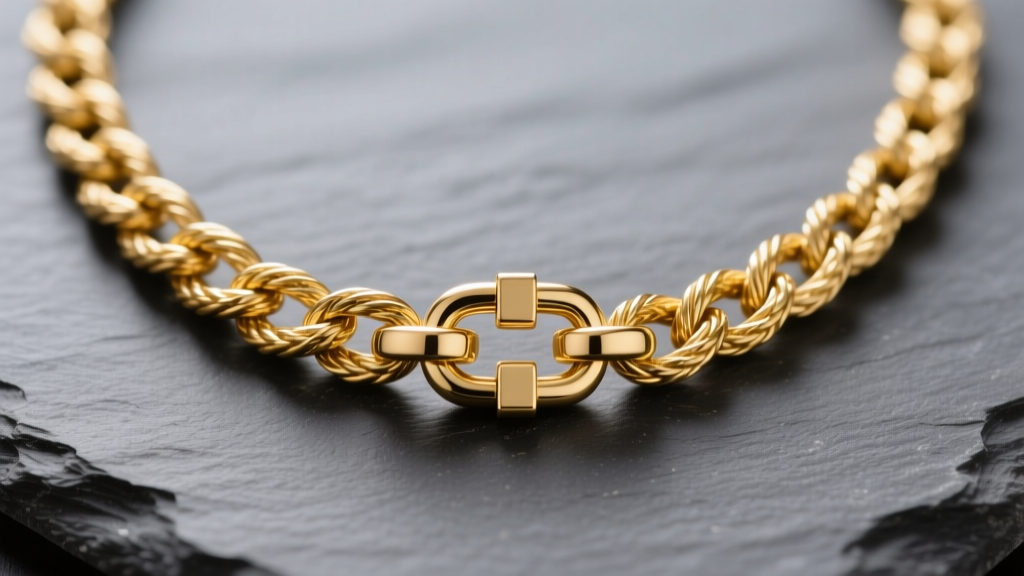
Link Styles and Gauge Requirements
To support a 60-gram pendant safely, the chain must have a tensile strength rated for at least 150 grams to account for dynamic shock (e.g., the pendant swinging, catching on a sweater, or the sudden jerk of turning your head quickly). You must avoid hollow links, figaro patterns, and standard curb chains, which are prone to kinking and snapping under heavy loads.
- Cuban Link (5mm - 8mm): The flat, interlocking links distribute weight evenly and lay flat against the chest. Ensure it is solid, not semi-hollow.
- Rope Chain (4mm - 6mm): The twisted geometry naturally hides scratches and offers excellent flexibility, though it can pull chest hair if the gauge is too fine.
- Franco Chain (4mm - 6mm): Featuring V-shaped links woven in four directions, the Franco is arguably the strongest chain style available. It is virtually kink-proof and handles heavy pendants effortlessly.
The Clasp: Where Chains Actually Fail
Do not use a standard lobster clasp for a centenario necklace. The small lever mechanism on a lobster clasp will eventually bend or fatigue under the dynamic 60-gram load, leading to catastrophic loss. Instead, your chain must be fitted with a tongue-in-groove box clasp. This clasp uses a folded tab of gold that snaps securely into a boxed receptor, relying on friction and tension rather than a tiny spring lever. For ultimate security, ensure the box clasp features dual figure-8 safety latches on the sides. The Professional Coin Grading Service (PCGS) frequently notes that improper storage and mounting are the leading causes of damage to historic coins; a secure clasp ensures your investment never hits the floor.
Maintenance and Long-Term Care
Because the Centenario contains 10% copper, it is slightly more susceptible to surface oxidation and environmental tarnishing than pure 24k gold. While the copper alloy makes the coin harder and more scratch-resistant, exposure to chlorine, salt water, or harsh household chemicals can cause the copper to react, leading to dark spots or a dull patina on the coin's high-relief areas like the Winged Victory's wings.
To maintain your centenario necklace, remove it before swimming or showering. Once a month, wash the pendant in a solution of warm water and a few drops of mild, phosphate-free dish soap. Use a baby-hair brush to gently clean the crevices around the date and the eagle on the reverse side. If you have chosen a soldered bezel, ensure you dry the pendant thoroughly with a microfiber cloth and a hair dryer on a cool setting to prevent moisture from becoming trapped against the coin's surface. By respecting the metallurgy and engineering required to mount this 1.2-ounce masterpiece, your Centenario necklace will remain a striking, wearable heirloom for generations.


