Should a Rosary Be Worn as a Necklace? 2026 Etiquette & Gift Guide
Wondering, should a rosary be worn as a necklace? Explore our 2026 etiquette guide, respectful gifting tips, and fine jewelry alternatives.

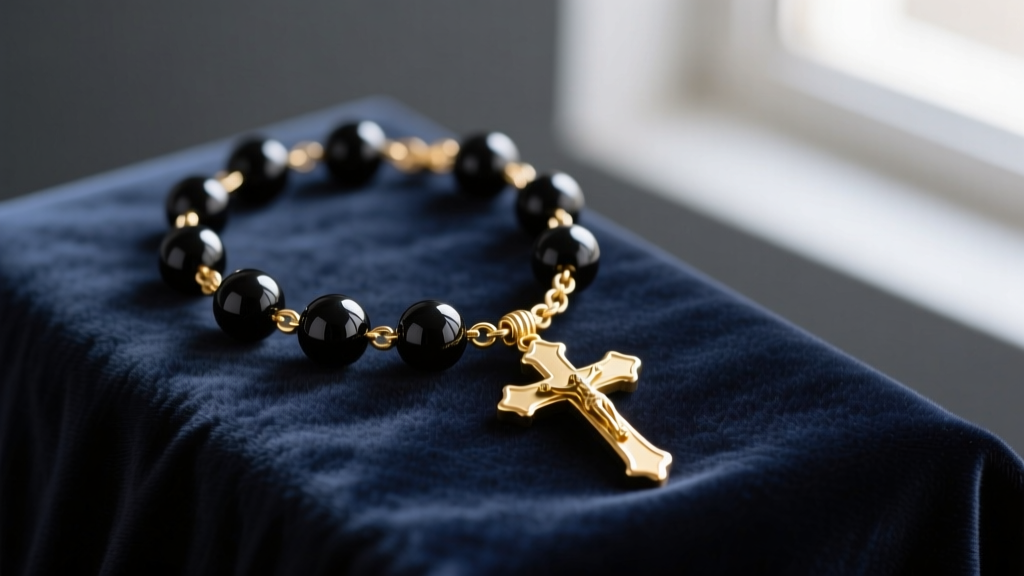
The Intersection of Faith and Fashion
When browsing for a meaningful religious gift, a common question arises among well-intentioned shoppers: should a rosary be worn as a necklace? The answer bridges theology, cultural etiquette, and modern jewelry design. While pop culture and celebrity fashion have frequently co-opted the rosary as a mere decorative accessory, the Catholic Church and devout Christians view it as a sacred sacramental—a tool for prayer and meditation. Understanding this distinction is crucial when selecting a gift for a loved one's baptism, confirmation, or religious milestone in 2026.
Understanding the Rosary: Devotional Tool vs. Jewelry
To determine how a rosary should be treated, we must look at its origins. According to Britannica's historical overview, the rosary evolved in the Middle Ages as a tactile counting mechanism for the laity to recite the Psalms and later, the Hail Marys. It was never designed as an ornament to be draped around the neck. In Catholic theology, a blessed rosary is a sacramental. The USCCB guidelines on sacramentals dictate that blessed objects must be treated with reverence and not subjected to profane or inappropriate use.
The Anatomy and Weight of a Traditional Rosary
A standard five-decade rosary consists of 59 beads, a crucifix, and a center medal. When crafted from durable materials like glass or gemstones, a full rosary can weigh between 40 and 80 grams. Wearing this weight around the neck presents practical issues: the chain can pull on the cervical spine, the beads can catch on door handles, and the crucifix can swing wildly during physical activity, risking damage to the piece or disrespect to the sacramental.
Occasion Matching: When Gifting a Rosary is Appropriate
Gifting a full, traditional five-decade rosary is a profound gesture, but it is best suited for specific, reverent occasions rather than casual everyday wear. Consider the following milestones:
- Baptisms and Christenings: A classic gift for infants or adult converts. These are typically kept in a protective pouch or prayer box rather than worn.
- First Holy Communion: Often gifted to children (ages 7-9). Child-sized rosaries feature smaller 4mm beads and shorter 20-inch lengths to prevent tangling.
- RCIA Graduation: The Rite of Christian Initiation of Adults culminates at Easter Vigil. Gifting a high-quality, adult-sized rosary made of semi-precious stones honors the gravity of their entry into the Church.
- Weddings: A premium rosary (such as one featuring Swarovski crystals or freshwater pearls) is a traditional gift from a groom to a bride, often used during the ceremony and kept as an heirloom.

Respectful Alternatives for Everyday Wear
If your recipient desires to keep their faith close to their heart on a daily basis, the full five-decade rosary is rarely the most practical or respectful choice. Instead, the jewelry industry has developed beautiful, reverent alternatives that answer the question of how to wear faith-based jewelry without compromising the integrity of the traditional prayer tool.
Single-Decade Necklaces and Rosary Bracelets
A single-decade necklace features exactly ten beads (representing one Hail Mary decade), flanked by a small crucifix on one end and a center medal on the other. Usually strung on a 16-inch to 18-inch cable chain, this piece rests elegantly on the collarbone. It serves as a discreet reminder to pray throughout the day without the bulk or risk of snagging associated with a full rosary. Similarly, a rosary bracelet wraps ten beads around the wrist (typically a 6.5-inch to 7.5-inch inner circumference), allowing the wearer to pray the Divine Mercy chaplet or a single decade of the rosary on the go.
Material & Craftsmanship Guide for Gifting
When investing in religious jewelry, craftsmanship dictates longevity. Cheap stringing materials snap, and poorly cast medals lose their detail. Here is a technical breakdown of what to look for when purchasing fine religious jewelry in 2026.
| Jewelry Type | Ideal Occasion | Average Price Range | Chain Gauge & Specs |
|---|---|---|---|
| Full 5-Decade Rosary | Baptism, RCIA, Heirloom | $60 - $250+ | 2.0mm+ cord or 1.5mm heavy rolo chain |
| Single-Decade Necklace | Confirmation, Daily Wear | $80 - $300 | 1.2mm - 1.5mm cable chain, lobster clasp |
| Rosary Bracelet | Graduation, Subtle Faith | $45 - $150 | 1.0mm chain, 4mm-6mm beads, extender chain |
Wire-Wrapping vs. Stringing
For gemstone beads (like onyx, lapis lazuli, or amethyst), always seek out wire-wrapped links rather than nylon or silk stringing. Wire-wrapping utilizes 20-gauge or 22-gauge dead-soft sterling silver or gold-filled wire to connect each bead individually. If one link breaks, you lose only that bead, whereas a snapped string results in the total loss of the piece. Furthermore, ensure the center medal (the intersection piece) is die-struck rather than cast. Die-struck medals, often imported from Italy, feature sharp, high-relief detailing of the saints or the Virgin Mary that cast medals simply cannot replicate.
Gemstone Symbolism in Religious Jewelry
When selecting beads for a single-decade necklace or bracelet, the material carries both aesthetic and spiritual weight. Black onyx is a popular choice for men's religious jewelry due to its durability (Mohs hardness of 7) and grounding properties, symbolizing spiritual strength. Lapis lazuli, with its deep celestial blue and pyrite flecks, has been associated with the Virgin Mary in Christian art for centuries. For a more budget-friendly but equally beautiful option, Czech fire-polished glass beads (typically 6mm in diameter) offer brilliant light refraction and cost between $30 and $60 for a complete wire-wrapped piece. Avoid porous materials like untreated turquoise or pearl for everyday wear rosaries, as the natural oils from the skin and constant friction can degrade the finish over time.
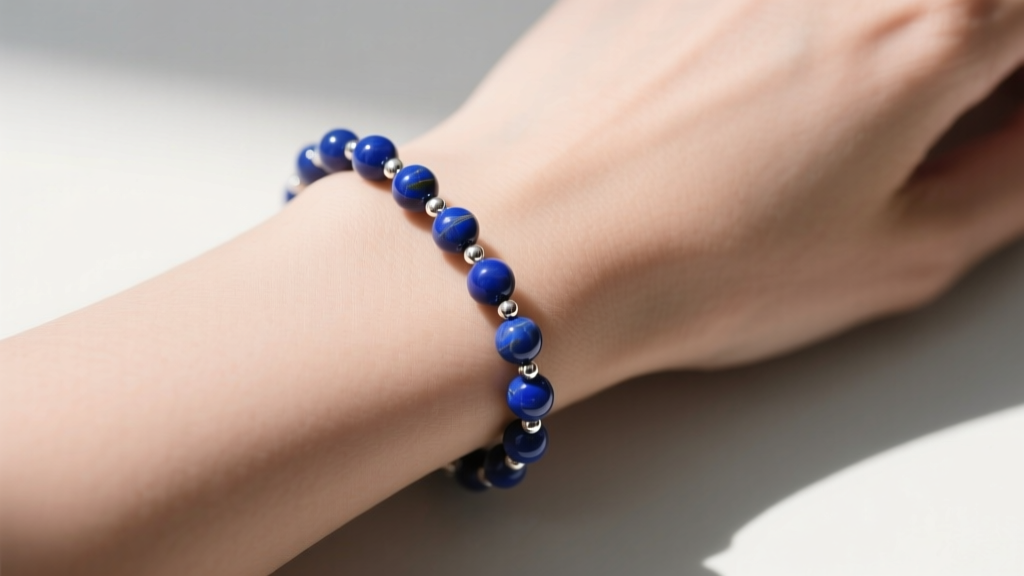
How to Present a Religious Gift with Tact
Presentation matters immensely when gifting a sacramental. Even if the piece is unblessed at the time of purchase, it should be treated with dignity. Avoid handing the jewelry over in a flimsy plastic bag or a generic department store box. Instead, present the necklace or bracelet in a lined wooden box or a velvet pouch. Include a handwritten note explaining the symbolism of the materials chosen—for instance, noting that the olive wood beads were sourced from Bethlehem, or that the lapis lazuli represents truth and heavenly grace.
"When gifting a sacramental, you are not merely giving an accessory; you are providing a spiritual tool. The packaging and presentation should reflect the sacred nature of the item."
Additionally, it is a thoughtful gesture to offer to have the piece blessed by a priest before giving it, or to include a card with a local parish directory so the recipient can arrange a blessing themselves. If the recipient intends to wear the single-decade necklace, advise them on proper etiquette: it is generally acceptable to wear it outside the shirt for visibility and evangelization, but it should be tucked in or removed when engaging in activities that could be deemed disrespectful or where the piece might be violently pulled.
Final Thoughts on Sacred Adornment
So, should a rosary be worn as a necklace? If it is a traditional five-decade prayer rope, the answer is generally no; it should be held in the hands and stored reverently. However, if you are referring to a carefully crafted single-decade necklace or a specialized rosary bracelet designed for the neckline or wrist, these pieces offer a beautiful, respectful way to carry one's faith into everyday life. By prioritizing quality materials, proper wire-wrapping techniques, and an understanding of religious etiquette, you can confidently select a gift that honors both the recipient's style and their spiritual journey.


