Troubleshooting Your Volturi Necklace: Fix Tarnish & Breakage
Is your Volturi necklace turning green or breaking? Learn expert troubleshooting for oxidized silver, dark gemstones, and heavy gothic pendant chains.

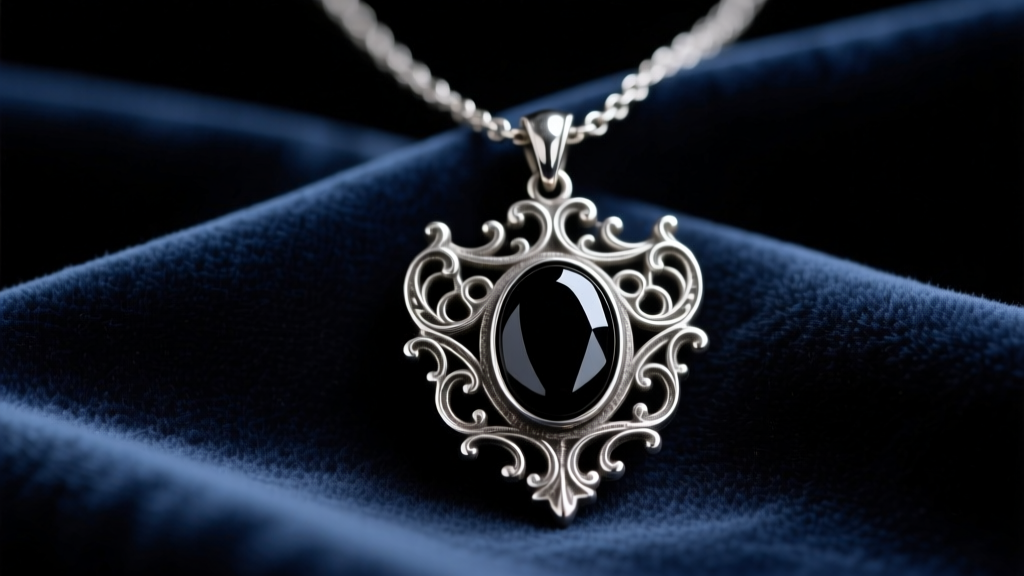
The allure of a Volturi necklace lies in its dark, aristocratic gothic aesthetic. Whether you own an official piece of Twilight merchandise, a high-end custom replica, or an indie artisan interpretation, these necklaces share distinct design hallmarks: heavy crest medallions, intentionally oxidized silver, and deep black gemstones. However, this specific combination of materials and structural weight creates unique failure modes. In 2026, as vintage and replica gothic jewelry continues to surge in popularity, proper maintenance is critical. Below is an expert troubleshooting guide to solving the most common issues plaguing your Volturi-style necklaces, from destructive tarnishing to catastrophic chain snapping.
The Anatomy of a Volturi-Style Gothic Necklace
Before attempting any repairs, you must understand the metallurgy and mechanics of your piece. Authentic or high-quality replica Volturi necklaces are typically cast in 925 sterling silver and treated with liver of sulfur (potassium sulfide) to create an intentional black patina in the recessed filigree. The pendants are often set with black onyx, black spinel, or dyed howlite. Because the medallions are dense and heavy—frequently weighing between 15 and 30 grams—they place immense tensile stress on the chain and clasp. Misidentifying the materials or using standard jewelry cleaning methods will permanently ruin the piece's aesthetic and structural integrity.
Problem 1: Stripping the Intentional Patina
The most common mistake owners make is treating intentional oxidation like standard tarnish. If your Volturi necklace has lost its dark, antique contrast and looks uniformly bright or dull gray, the patina has been stripped.
Why Standard Cleaners Destroy Gothic Silver
Liquid silver dips, ultrasonic cleaners, and the popular 'aluminum foil and baking soda' electrolytic baths are strictly prohibited for oxidized jewelry. These methods use chemical reduction to remove all sulfur compounds from the silver, erasing the intentional black crevices that give the Volturi crest its 3D depth.
The Correct Cleaning Protocol
- Surface Polish Only: Use a dry, untreated microfiber cloth or a specialized polishing cloth designed for oxidized silver (which contains mild abrasives but no chemical dips).
- Targeted Buffing: Wrap the cloth around your index finger and gently buff only the raised, high-relief areas of the crest. Avoid pressing into the recessed grooves.
- Restoring Lost Patina: If the dark details are already gone, you must re-oxidize the piece. You can purchase a liver of sulfur gel solution, dilute a pea-sized amount in warm water, and dip the pendant for 10-15 seconds. Rinse immediately, then use a polishing cloth to buff the raised areas back to a shine, leaving the grooves black. According to the Rio Grande jewelry supply experts, always seal re-oxidized silver with a micro-crystalline wax to lock in the contrast.
Problem 2: Heavy Medallions Snapping the Chain
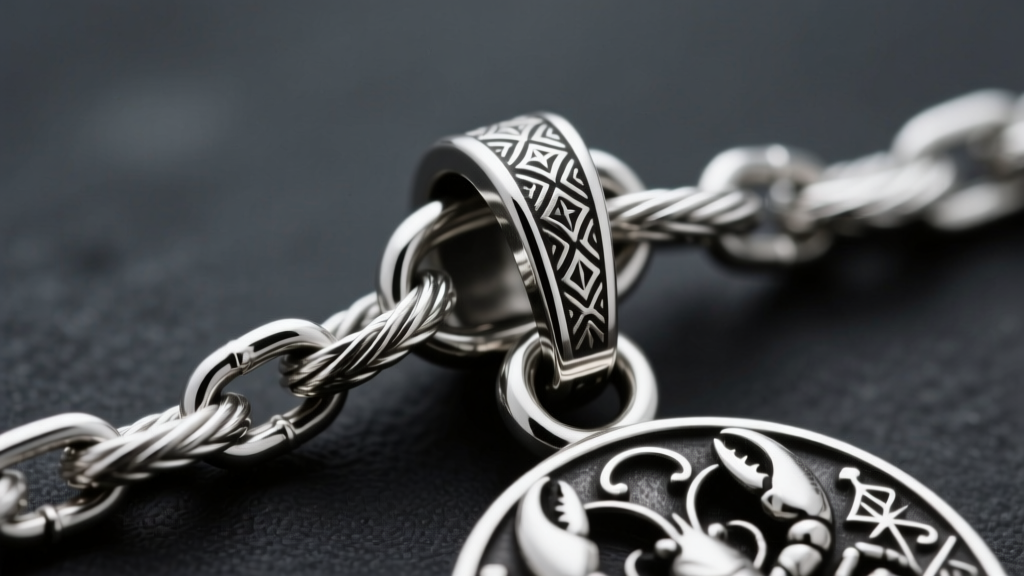
A heavy Volturi pendant acts as a pendulum. Every time you move, the pendant swings, creating a 'sawing' friction against the inside of the chain's jump ring and the clasp. Standard 0.8mm or 1.0mm cable chains will inevitably snap under this dynamic load.
Chain Gauge and Tensile Strength Guide
If your chain keeps breaking near the clasp or the pendant bail, you need to upgrade to a higher gauge and a more interlocking chain style. Wheat (spiga) chains offer superior tensile strength compared to standard cable chains due to their woven, multi-directional link structure.
| Chain Style | Gauge (mm) | Max Pendant Weight | Durability Rating |
|---|---|---|---|
| Standard Cable | 0.8mm - 1.0mm | Up to 8g | Poor (Prone to snapping) |
| Cable Chain | 1.5mm | Up to 18g | Moderate |
| Wheat (Spiga) | 1.5mm - 2.0mm | Up to 35g | Excellent (Highly recommended) |
| Rope Chain | 2.0mm+ | Up to 45g | Excellent (But catches on hair) |
Troubleshooting Fix: Replace your chain with a 1.5mm to 2.0mm sterling silver wheat chain. Ensure the jump ring connecting the pendant to the chain is soldered shut. An unsoldered jump ring will slowly pull apart under the weight of a heavy gothic medallion.
Problem 3: Dark Gemstone Clouding and Bleeding
Volturi necklaces heavily feature black gemstones to match the dark metalwork. However, not all black stones are created equal, and treating them identically leads to permanent damage.
Identifying Your Gemstone
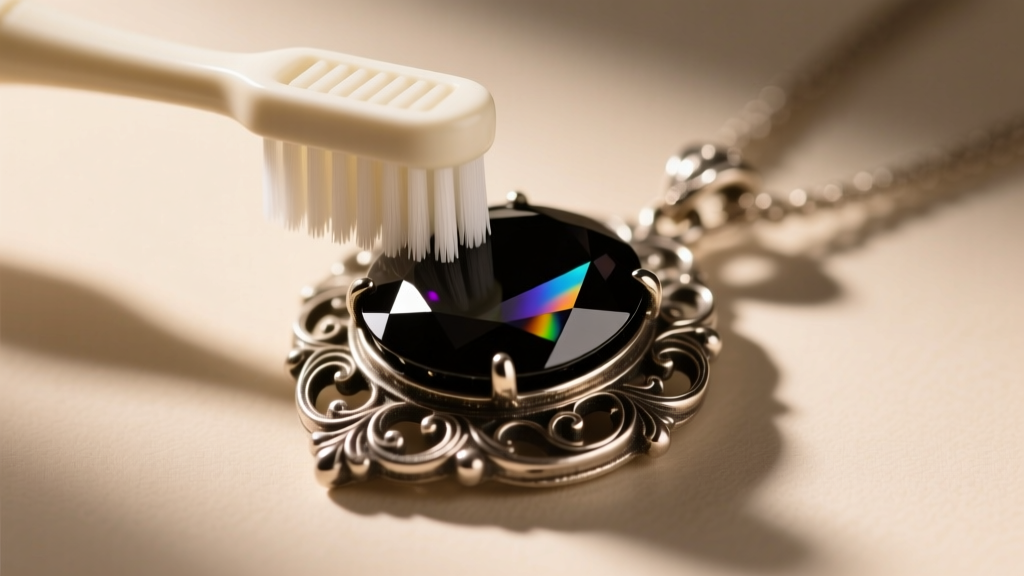
- Black Onyx (Mohs 6.5-7): A durable, natural chalcedony. It can withstand mild soap and water but is porous. Avoid harsh chemicals, which can dull the polish over time. The Gemological Institute of America (GIA) recommends cleaning onyx only with warm, soapy water and a soft brush.
- Black Spinel (Mohs 8): Highly durable and often used in premium replicas. It is resistant to scratching and can handle more rigorous cleaning.
- Dyed Howlite (Mohs 3.5): Frequently used in cheaper, mass-market replicas to mimic onyx. Howlite is a soft, highly porous white stone dyed black. Critical Warning: If you clean dyed howlite with rubbing alcohol, silver dip, or ultrasonic vibrations, the black dye will bleed out, leaving you with a mottled, ugly gray stone. Clean dyed howlite only with a barely damp microfiber cloth.
Problem 4: Clasp Failure and Skin Discoloration
The final major pain points are mechanical clasp failure and the dreaded 'green neck' effect.
Upgrading the Clasp
Most replica necklaces ship with standard spring-ring clasps. These are notoriously weak and fail to support the weight of a Volturi pendant, often popping open when the chain is pulled taut. The Fix: Have a jeweler swap the spring ring for a 12mm or 14mm sterling silver lobster clasp. If you struggle with dexterity, a heavy-duty neodymium magnetic clasp with a secondary safety chain is an excellent 2026 upgrade that maintains security without sacrificing ease of use.
Stopping Skin Discoloration
If your neck is turning green or black, it is due to a chemical reaction between your skin's acids and the copper alloy present in sterling silver (which is 7.5% copper), or worse, a brass base metal in cheap fakes. The Fix: For a temporary barrier, coat the back of the pendant and the inside of the chain links with clear nail polish. For a permanent, professional solution, ask a jeweler to apply a flash of rhodium plating to the back of the pendant. Note that rhodium is bright silver, so it should only be applied to the skin-facing side to preserve the dark, oxidized aesthetic on the front.
When to Seek Professional Jeweler Intervention
While chain swaps and surface polishing are easy DIY fixes, certain issues require a professional bench jeweler. If the bail (the loop holding the pendant) is cracked, or if a prong holding a faceted black spinel has worn thin and caught on your clothing, do not attempt to bend it back into place with pliers. Oxidized silver can become brittle, and improper bending will snap the metal. A jeweler can laser-weld the bail or re-tip the prong without applying heat to the surrounding dark gemstones, ensuring your Volturi necklace remains a flawless, dark masterpiece for years to come.


