Park Lane Heart Necklace Buying Guide: What to Look For
Expert buying guide for the Park Lane heart necklace. Learn to authenticate hallmarks, assess vintage condition, and determine fair 2026 market value.

The Legacy of Park Lane Heart Pendants
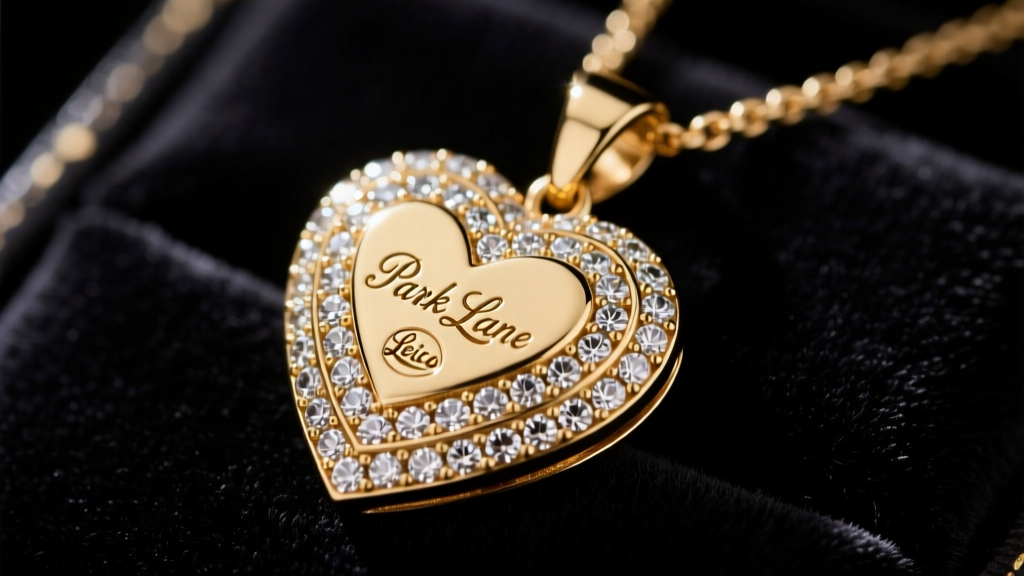
When building a vintage or nostalgic jewelry collection, the Park Lane heart necklace remains a highly sought-after motif. Founded in 1955 by Arthur and Shirley Levine, Park Lane Jewelry pioneered the direct-sales home-party model, bringing accessible, fashion-forward pieces directly to consumers across the United States. Throughout the 1970s, 1980s, and 1990s, the heart pendant was a staple of their catalog, symbolizing affection, friendship, and milestone celebrations.
Today, as we navigate the 2026 vintage jewelry market, Park Lane pieces offer a fascinating intersection of sentimental value and mid-century to late-century costume jewelry craftsmanship. However, because these pieces were mass-produced for home parties and often stored improperly, buyers must know exactly what to inspect before purchasing. This guide breaks down the authentication markers, material vulnerabilities, and current pricing tiers for Park Lane heart necklaces.
Decoding the Hallmarks: Authenticating Your Piece
Authentication is the first hurdle when shopping for vintage costume jewelry. Park Lane's hallmarking evolved over the decades, and knowing these variations is critical to verifying a genuine vintage piece.
- 1950s–1960s: Early pieces were frequently unmarked or featured a simple, stamped block letter "P" on the back of the pendant or the clasp.
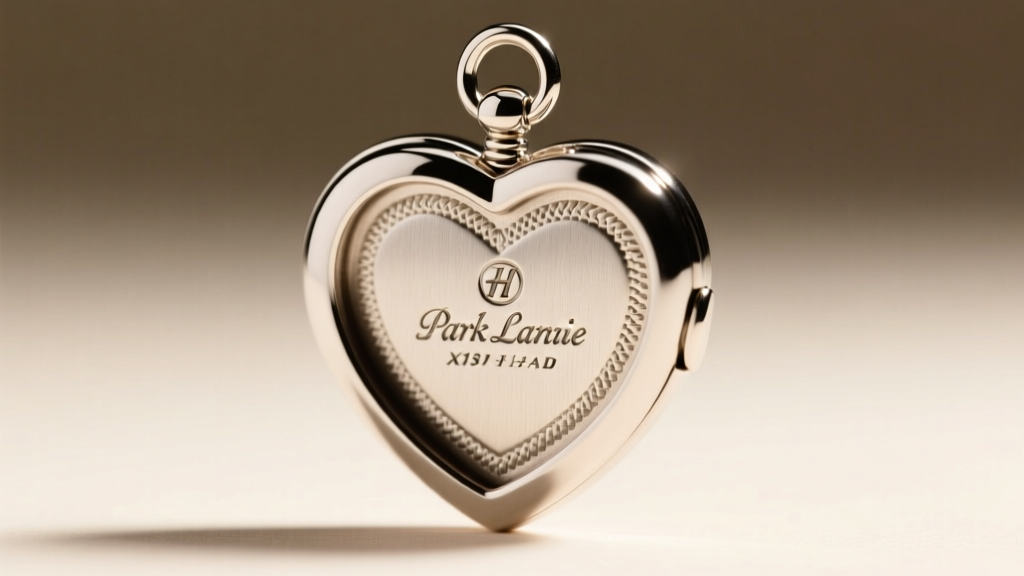
- 1970s–1980s: The brand transitioned to a distinct script or block "Park Lane" stamp, often located on a small soldered tag near the clasp or directly on the reverse of the heart pendant.
- 1990s–2000s: Look for a stylized "P" enclosed within an oval or circle, sometimes accompanied by the full brand name on the accompanying chain tag.
Pro Tip: If the heart pendant itself is unmarked, inspect the spring ring or lobster clasp. Park Lane frequently stamped their clasps or attached a small, oval hang-tag with the brand name to the first link of the chain.
Material Profiles & Construction Vulnerabilities
Park Lane heart necklaces were primarily crafted from base metal alloys (often brass or pewter) that were subsequently electroplated with gold-tone or silver-tone finishes. Understanding the specific material construction helps you identify potential failure points.
| Heart Style | Primary Material | Common Chain Pair | Primary Vulnerability |
|---|---|---|---|
| Puff Heart | Hollow gold-tone brass | Herringbone / Snake | Denting; plating wear on the back |
| Rhinestone Pavé | Silver-tone alloy, glass stones | Box Chain | Missing stones; blackened foil-backing |
| Enamel Locket | Brass, cold enamel, glass | Rope / Cable Chain | Enamel chipping; locket hinge failure |
| Marcasite Heart | Silver-tone, pyrite stones | Wheat Chain | Loose marcasite stones (glue-set) |
The Herringbone Chain Warning
Many 1980s Park Lane heart pendants were sold with gold-tone herringbone chains. While herringbone offers a beautiful, liquid-metal drape, it is notoriously fragile. When inspecting a vintage listing, ask the seller to lay the chain flat. If there are any kinks, bends, or folded sections, walk away. A kinked herringbone chain cannot be permanently repaired; the structural integrity of the interlocking links is compromised, and it will eventually snap under the weight of the heart pendant.
The Condition Checklist: What to Inspect Before Buying
Whether you are browsing an estate sale, a local antique mall, or an online marketplace like Ruby Lane, run through this strict condition checklist to avoid purchasing damaged goods.
1. Inspect Foil-Backed Rhinestones
Vintage Park Lane rhinestone heart necklaces typically utilize foil-backed glass stones to maximize sparkle. The foil is highly susceptible to moisture. Hold the pendant under a bright light and examine the stones. If you see dark, cloudy, or blackened spots behind the glass, the foil has oxidized. This damage is irreversible without completely replacing the stones, which destroys the piece's originality and value.
2. Test the Clasp Tension
Spring ring clasps on older base-metal jewelry often lose their internal spring tension over decades of use. Press the tiny lever. It should snap back instantly and forcefully. If it returns sluggishly or stays partially open, the clasp will need to be replaced by a jeweler, which adds $20–$35 to your total investment.
3. Check for Brass Bleed-Through
Because these pieces were flash-plated or micron-plated rather than made of solid precious metals, high-friction areas are prone to wear. Inspect the back of the heart pendant (where it rests against the skin) and the edges. A brassy or coppery hue indicates the plating has worn away. While some collectors accept this as a sign of age, it significantly lowers the resale value.
2026 Pricing & Valuation Guide
The market for vintage direct-sales jewelry has stabilized, with collectors showing a strong preference for pristine, highly decorative pieces. Here is what you should expect to pay for a Park Lane heart necklace in today's market:
- Tier 1: Basic Gold-Tone Puff Hearts ($15 – $35)
Simple, unadorned puff hearts on standard chains. These are abundant and make great everyday layering pieces, but they hold minimal collector value. - Tier 2: Rhinestone Pavé & Enamel Pieces ($40 – $85)
Heart pendants featuring intact rhinestones, faux-pearl accents, or vibrant cold-enamel detailing. Pieces with original presentation boxes command the higher end of this bracket. - Tier 3: Rare Lockets & Heavy Marcasite ($90 – $160+)
Functional heart lockets with intact photo inserts, or heavy, intricate marcasite heart pendants from the 1970s. These are the most difficult to find in excellent condition and are highly prized by vintage costume jewelry collectors.
Collector's Note: Never pay solid-gold prices for vintage Park Lane. While the designs are beautiful and nostalgic, the base-metal construction means the value lies entirely in the design, rarity, and condition, not the intrinsic metal weight.
Care & Maintenance for Base Metal Alloys
Once you have secured your Park Lane heart necklace, proper care is essential to preserve the plating and stones. Never use ultrasonic cleaners or liquid silver dips on vintage costume jewelry. The harsh chemicals and high-frequency vibrations will strip the plating, dissolve the glue holding marcasite stones, and destroy foil-backed rhinestones.
Instead, use a dry, untreated microfiber cloth to gently wipe away skin oils after wearing. If the metal is heavily tarnished, apply a tiny amount of Renaissance Wax to a soft cloth, buff the metal gently (avoiding the stones), and let it dry to a protective haze. Store your necklace flat in a sealed plastic bag with an anti-tarnish silica tab to prevent moisture from reaching the rhinestone foils. By following these specific preservation steps, your vintage heart pendant will continue to shine for decades to come.


