Halloween Light Up Necklace Guide: Budget & Value Picks 2026
Discover the true value of a Halloween light up necklace. We compare cheap LEDs, EL wire, and fiber optics for safety, cost-per-wear, and style.

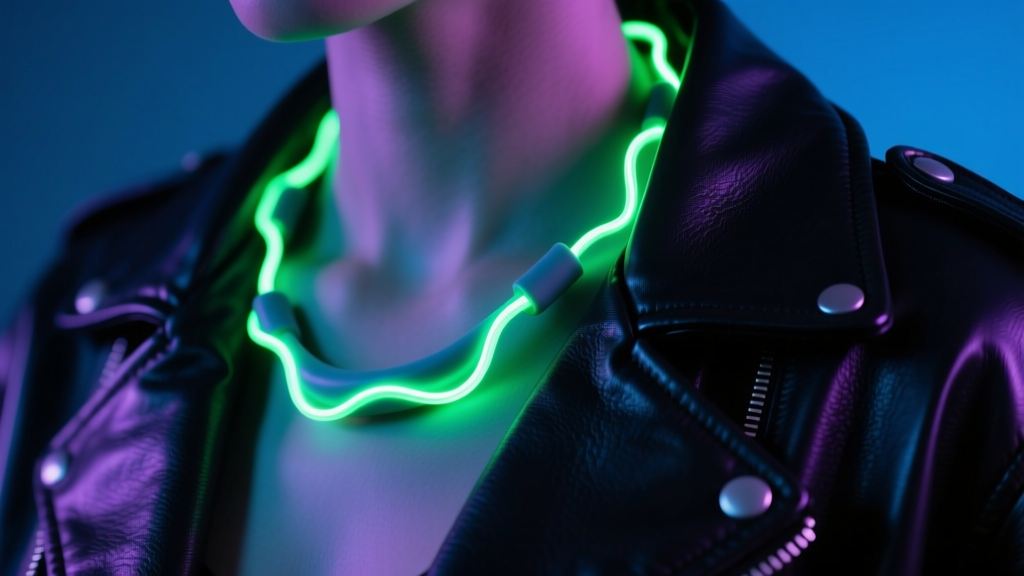
The True Cost of Novelty: Why Cheap LED Necklaces Fail
When October approaches, the market is flooded with the classic Halloween light up necklace—typically a flimsy, injection-molded PVC plastic choker housing a single 5mm LED and a pair of AG13 button batteries. Priced between $1.50 and $4.00 at party supply stores, these items are designed for a single evening of wear. However, from a budget and value assessment perspective, these novelty items represent a terrible return on investment and pose hidden safety risks. The true cost of these necklaces extends far beyond their low sticker price, contributing heavily to seasonal e-waste and potential chemical exposure.
The primary failure point of the standard party-store light up pendant is the copper wire connection. Manufacturers use ultra-thin, unshielded copper strands that oxidize rapidly when exposed to the humidity of human skin and autumn weather. Within hours, the voltage drops, resulting in a dim, flickering glow. Furthermore, the plastics used in these budget tiers are rarely tested for CPSIA (Consumer Product Safety Improvement Act) compliance, meaning they often contain phthalates to maintain flexibility. When you factor in the environmental cost of disposing of lithium or alkaline button batteries after a single use, the 'budget' Halloween necklace is actually a high-cost, low-value purchase.
Upgrading Your Glow: High-Value Illuminated Alternatives
To achieve genuine value, we must shift the paradigm from 'single-use novelty' to 'reusable illuminated wearable tech.' For those who love the aesthetic of a glowing Halloween pendant but demand year-round utility, three superior technologies dominate the 2026 market: Electroluminescent (EL) wire, side-glow fiber optics, and UV-reactive resin composites.
Electroluminescent (EL) Wire Jewelry
EL wire consists of a copper core coated in a phosphor material, encased in a protective polymer sheath. When an alternating current is applied via a micro-inverter, the phosphor emits a uniform, 360-degree neon glow. A high-quality EL wire necklace operates at roughly 100 to 200 candelas per square meter (cd/m²). The primary value proposition here is the even distribution of light; unlike a single LED that creates a harsh hotspot, EL wire provides a continuous, cyberpunk-inspired luminescence. When purchasing EL wire jewelry, always look for TPU (Thermoplastic Polyurethane) or food-grade silicone encapsulation rather than cheap PVC, as TPU resists UV degradation and prevents the phosphor from flaking off against your skin.
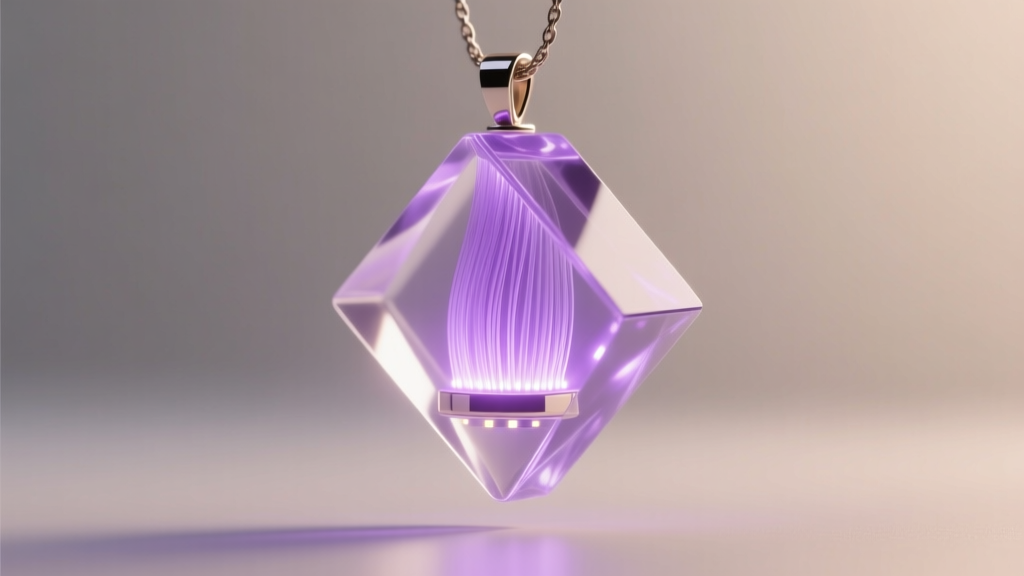
Fiber Optic Pendants and End-Glow Tech
Fiber optic jewelry utilizes strands of PMMA (polymethyl methacrylate) to channel light from a single, high-output micro-LED to specific points along the strand. 'Side-glow' fiber optics are etched to allow light to escape along the entire length, creating a flexible, glowing rope effect. 'End-glow' variants are perfect for constellation-style pendants, where tiny points of light mimic stars against the collarbone. The value here lies in the battery efficiency; a single 5V micro-LED can illuminate dozens of fiber optic strands simultaneously, drastically reducing power consumption compared to multi-LED chokers.
Budget vs. Value Matrix: What to Actually Buy
When evaluating a Halloween light up necklace or any illuminated wearable, the initial purchase price is only one metric. The matrix below breaks down the actual cost-per-wear and longevity of the three main categories available to consumers.
| Technology Type | Avg. Price Range | Battery Life & Type | Durability & Lifespan | Cost-Per-Wear (Est.) |
|---|---|---|---|---|
| Novelty LED (Party Store) | $2.00 - $5.00 | 4-8 hours (LR44/AG13) | 1-3 uses before wire failure | $1.50+ per use |
| Mid-Tier EL Wire | $25.00 - $45.00 | 12-24 hours (AAA or USB) | 2-3 years (Phosphor degradation) | $0.15 per use |
| Premium Fiber Optic | $60.00 - $120.00 | 30+ hours (CR2032 or LiPo) | 5+ years (PMMA is highly durable) | $0.10 per use |
| UV-Reactive Resin (Passive) | $35.00 - $80.00 | N/A (Requires UV light) | Lifetime (No electronics to fail) | $0.02 per use |
As the data illustrates, investing $40 in a well-constructed EL wire piece yields a significantly lower cost-per-wear than repeatedly buying $3 plastic novelties that end up in a landfill by November 1st.
Safety First: The Hidden Dangers of Button Batteries
Any budget assessment of illuminated jewelry must address power source safety. The vast majority of cheap light-up necklaces utilize LR44 alkaline button cells. These batteries are prone to voltage sag, meaning the LED will dim noticeably within the first two hours of use. More dangerously, the battery compartments on budget necklaces are often secured by flimsy plastic twist-locks that can easily pop open during physical activity, posing a severe ingestion hazard for children and pets.
According to the U.S. Consumer Product Safety Commission (CPSC), button battery ingestion can cause severe internal chemical burns in as little as two hours. Always prioritize jewelry with screw-secured battery housings or rechargeable LiPo (Lithium Polymer) packs.
For high-value purchases, look for necklaces that utilize CR2032 lithium coin cells housed in screw-secured metal compartments, or better yet, USB-C rechargeable lithium-polymer pouch cells. While CR2032 batteries provide a stable 3.0V output for a consistent glow, they must be handled responsibly. The Environmental Protection Agency (EPA) strongly advises against disposing of any lithium batteries in standard municipal waste due to the risk of thermal runaway and fires in garbage trucks. A rechargeable USB necklace entirely eliminates this e-waste vector, offering the highest long-term value and safety profile.
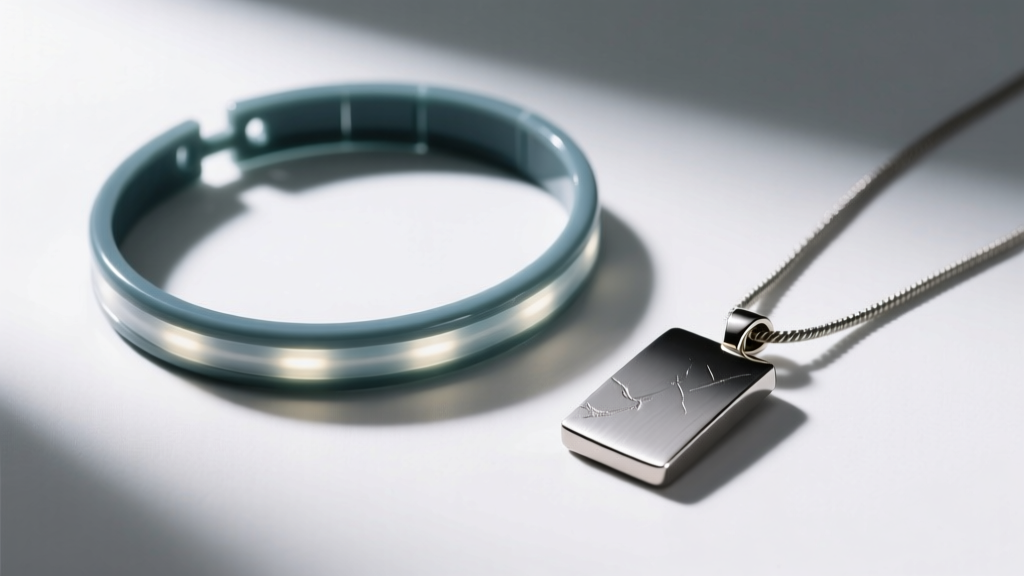
Maximizing Cost-Per-Wear: Styling Light-Up Pendants Year-Round
The greatest financial mistake consumers make with illuminated jewelry is relegating it strictly to October 31st. To justify a higher upfront budget, a Halloween light up necklace must be versatile enough to integrate into your year-round wardrobe. Here is how to maximize the utility of high-end glowing pendants:
- Cyberpunk and Techwear Aesthetics: An EL wire choker in ice blue or ultraviolet pairs perfectly with structured techwear jackets, matte black cargo pants, and reflective accessories. The continuous glow mimics the neon-drenched aesthetics of sci-fi streetwear.
- Rave and Festival Culture: Fiber optic end-glow pendants are staple accessories for EDM festivals and night-time events. Because PMMA fiber optics are completely waterproof (provided the LED housing is sealed), they withstand sweat and rain far better than exposed copper-wire LEDs.
- Night Cycling and Urban Safety: A high-lumen, side-glow fiber optic necklace serves a dual purpose as a stylish accessory and a passive safety reflector for urban cyclists and runners, increasing visibility to motorists without the harshness of a blinking safety vest.
- Goth and Alternative Fashion: Deep red or emerald green EL wire woven into a velvet ribbon choker offers a subtle, vampire-esque elegance that transitions seamlessly from a Halloween costume piece to a staple of dark alternative fashion.
Final Verdict: Where to Allocate Your Halloween Jewelry Budget
When assessing the budget and value of illuminated necklaces, the cheapest option is rarely the most economical. The traditional party-store Halloween light up necklace is a masterclass in planned obsolescence, utilizing hazardous materials, fragile wiring, and inefficient batteries to create a product destined for the trash.
For the discerning buyer in 2026, the smartest budget allocation involves spending between $30 and $60 on a USB-rechargeable EL wire or fiber optic piece encased in TPU or medical-grade silicone. By prioritizing battery safety, material longevity, and cross-genre styling potential, you transform a seasonal novelty into a permanent, high-value fixture of your jewelry collection. Stop paying for single-use plastic, and start investing in wearable light technology that actually lasts.


