Expert Care and Cleaning for a Chai Symbol Necklace
Learn expert cleaning and maintenance tips for your chai symbol necklace. Discover safe methods for gold, silver, and gemstone-inlaid Hebrew pendants.

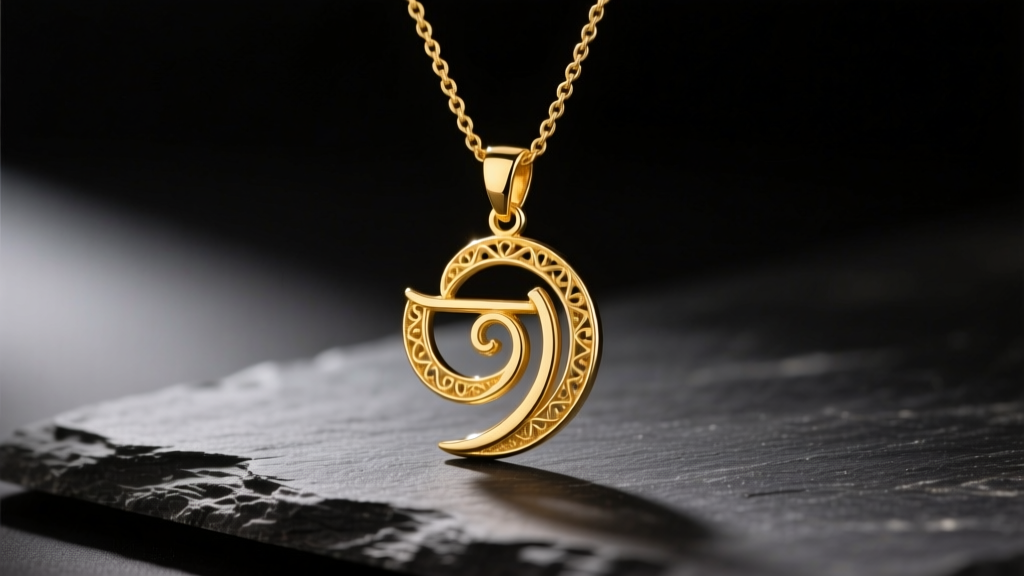
The Chai symbol (חי), meaning "life" in Hebrew, is one of the most culturally significant and widely worn motifs in Jewish jewelry. However, the distinct geometric structure of the letters Chet (ח) and Yud (י) presents a unique maintenance challenge. The sharp interior angles, tight crevices, and overlapping joints common in Chai pendant designs act as magnets for sebum, cosmetic residue, and environmental dust. Over time, this buildup not only dulls the metal's luster but can also accelerate localized corrosion or loosen gemstone settings.
Whether your piece is a family heirloom crafted in 18k gold, a modern sterling silver pendant, or a diamond-accented design, proper maintenance requires a tailored approach. In this comprehensive guide, we break down the exact metallurgical and gemological protocols for cleaning, storing, and preserving your chai symbol necklace.
Identifying Your Chai Necklace Material and Vulnerabilities
Before applying any cleaning solution, you must identify the base metal and any secondary materials. The cleaning agents safe for platinum will permanently damage porous gemstones or enamel inlays often found in contemporary Chai designs. Below is a breakdown of common materials used in Hebrew letter pendants and their specific care profiles.
| Material | Composition & Properties | Tarnish Risk | Primary Vulnerability |
|---|---|---|---|
| 14k Yellow/White Gold | 58.5% gold, alloyed with copper/silver/zinc | Low | Chlorine exposure causing stress corrosion cracking |
| 18k Yellow Gold | 75% gold, softer alloy | Very Low | Surface scratching and prong wear |
| Sterling Silver (925) | 92.5% silver, 7.5% copper | High | Silver sulfide (tarnish) formation in letter crevices |
| Platinum (950) | 95% platinum, highly dense | None | Develops a matte "patina" from micro-scratches |
The Safest Cleaning Method for Solid Gold and Platinum Chai Pendants
For solid gold and platinum chai symbol necklaces without fragile gemstone inlays, a gentle surfactant bath is the most effective way to dislodge oils trapped in the sharp corners of the Chet and Yud. Avoid commercial "dip" cleaners, which often contain thiourea—a toxic chemical that can leave a residue and cause long-term metal degradation.
Step-by-Step Surfactant Cleaning Protocol
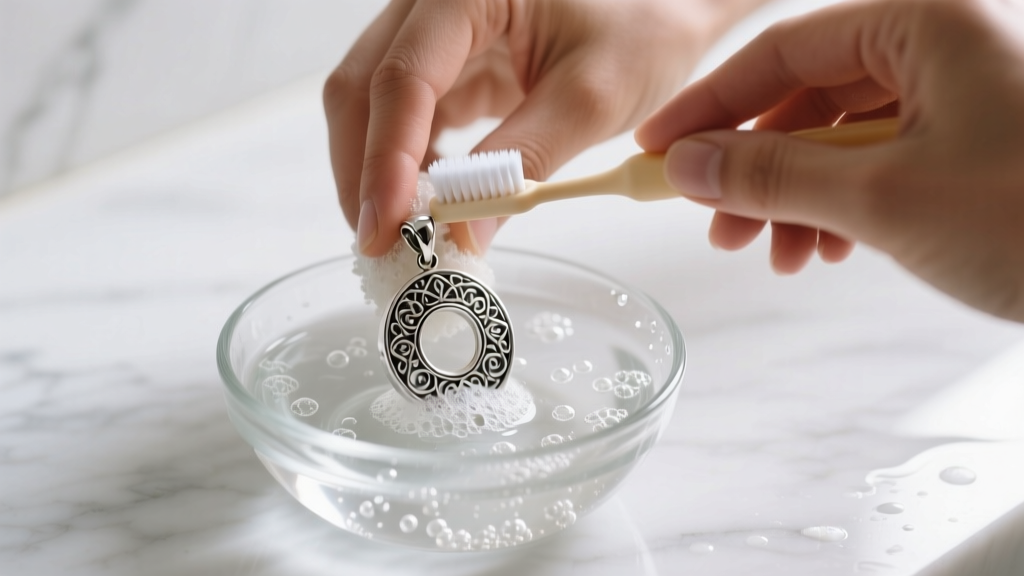
- Prepare the Solution: Fill a small glass bowl with warm (not hot) distilled water. Tap water contains minerals like calcium and magnesium that can leave microscopic hard-water spots on high-polish finishes. Add two drops of a pH-neutral, lotion-free dish soap (original blue Dawn is the industry standard among jewelers).
- Soak the Pendant: Submerge the necklace for 15 to 20 minutes. This allows the surfactant to break down the hydrophobic bonds of skin oils and lotions trapped in the pendant's engravings.
- Agitate the Crevices: Using an extra-soft baby toothbrush (bristles typically measure 0.1mm to 0.15mm), gently brush the pendant. Pay special attention to the interior right angle of the Chet and the base where the bail connects to the chain. Never use a standard adult toothbrush or toothpaste; the abrasive silica in toothpaste has a high Relative Dentin Abrasivity (RDA) value and will leave micro-scratches on gold.
- Rinse and Dry: Rinse thoroughly under a gentle stream of distilled water. Pat dry with a lint-free microfiber cloth, ensuring no moisture remains in the chain links.
Restoring Tarnished Sterling Silver Chai Necklaces
Sterling silver is highly susceptible to tarnishing due to the copper content in the alloy. When copper reacts with sulfur compounds in the air or on the skin, it forms silver sulfide (Ag2S), a dark, dull layer that obscures the intricate details of the Chai symbol. While polishing cloths work for flat surfaces, they cannot reach the deep interior angles of Hebrew lettering.
The Electrochemical Aluminum Bath
For heavily tarnished silver Chai pendants, an electrochemical reaction is vastly superior to mechanical polishing because it converts silver sulfide back into pure silver without removing any base metal.
- Line a glass baking dish with aluminum foil, shiny side up.
- Place the silver necklace on the foil, ensuring direct contact between the metal and the aluminum.
- Sprinkle two tablespoons of baking soda over the jewelry.
- Pour boiling water into the dish. You will immediately see bubbling and smell a faint sulfur (rotten egg) odor as the chemical reaction occurs.
- After 3 to 5 minutes, remove the necklace with wooden tongs, rinse in distilled water, and buff gently with a Pacific Silvercloth.
Critical Warning: Do not use this method if your sterling silver Chai necklace features intentional oxidation (blackened crevices used to highlight the lettering). The electrochemical bath will strip the dark patina, leaving the pendant looking flat and washed out. For oxidized silver, rely solely on a treated polishing cloth, carefully avoiding the recessed areas.
Special Considerations for Gemstone and Enamel Inlays
Modern chai symbol necklaces frequently incorporate pave diamonds, onyx inlays, or vitreous enamel to create contrast between the Hebrew letters. These additions drastically alter your cleaning parameters. According to the Gemological Institute of America (GIA), ultrasonic cleaners—which use high-frequency sound waves to create microscopic cavitation bubbles—can be disastrous for certain materials.
What to Avoid Based on Inlay Type
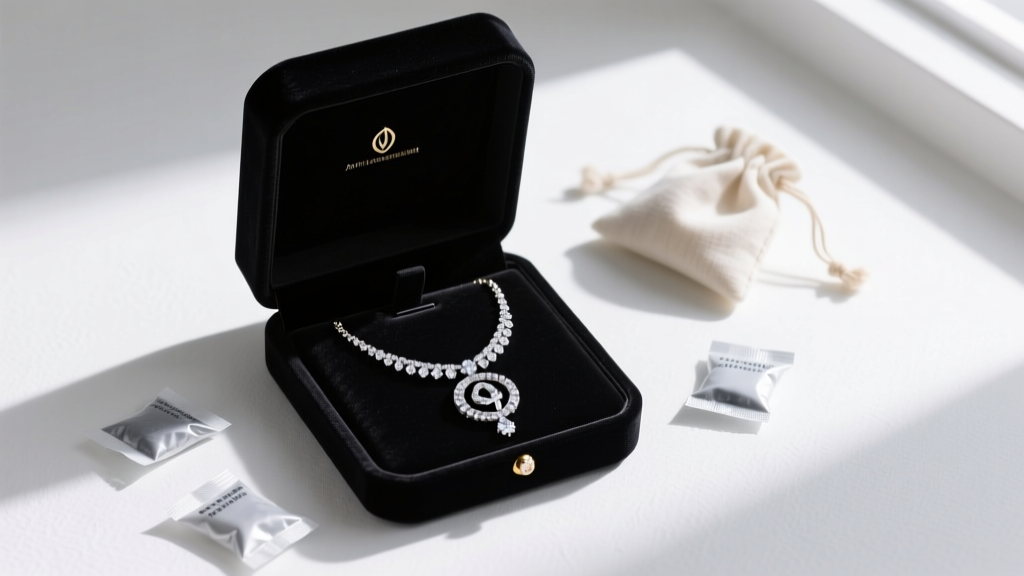
- Pave Diamonds: While diamonds rank a 10 on the Mohs hardness scale and can withstand ultrasonic vibrations, the tiny micro-prongs holding them in a pave Chai pendant can be shaken loose by prolonged ultrasonic exposure. Stick to the manual soapy water method.
- Opals, Emeralds, and Turquoise: These stones are highly porous or heavily fractured. Submerging them in water or exposing them to heat can cause them to cloud, crack, or completely shatter. Clean the metal surrounding these stones with a damp Q-tip, avoiding direct contact with the gem.
- Enamel (Cloisonné or Champlevé): Enamel is essentially fused glass. The high-frequency vibrations of an ultrasonic cleaner will cause the enamel to fracture and flake off the metal backing. Furthermore, harsh chemicals like ammonia will eat away at the enamel's glossy finish.
Daily Wear, Storage, and Preventative Maintenance
Preventative care is always less invasive than restorative cleaning. The longevity of your chai symbol necklace depends heavily on how it interacts with your environment and how it is stored when not in use.
The Danger of Chlorine and Cosmetics
Never wear a gold Chai necklace in a swimming pool or hot tub. Chlorine reacts with the alloy metals (copper, silver, zinc) in 14k and 18k gold, causing a phenomenon known as stress corrosion cracking. This brittle reaction often occurs at the solder points, such as where the bail attaches to the pendant, leading to sudden, irreparable breakage. Similarly, apply perfumes, hairsprays, and lotions at least 10 minutes before putting on your necklace to prevent chemical film buildup.
Proper Storage Techniques
When storing your necklace, never toss it loosely into a jewelry box where it can become tangled with harder gemstones that could scratch the gold or silver. Instead, store the piece in an individual anti-tarnish pouch. For silver pieces, include a 3M anti-tarnish strip or a small silica gel packet to absorb ambient moisture and sulfur compounds. Ensure the clasp (whether a spring ring or lobster claw) is left unfastened and hanging outside the pouch to prevent the delicate spring mechanism from becoming compressed or bent out of shape over time.
By understanding the specific material properties of your jewelry and adhering to these targeted cleaning protocols, your chai symbol necklace will retain its brilliant luster and structural integrity for generations, honoring both its craftsmanship and its profound cultural meaning.


