Chastity Key Necklace Materials: Titanium, Steel & Silver Compared
Discover the best metals for a chastity key necklace. Compare titanium, surgical steel, and sterling silver for durability, skin safety, and daily wear.

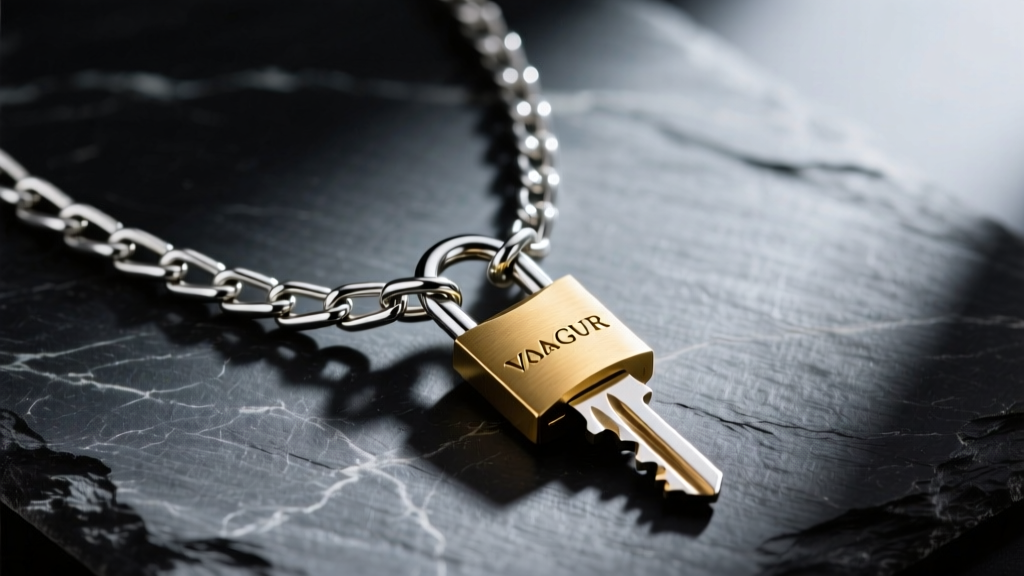
The Unique Demands of a Chastity Key Necklace
When selecting jewelry for occasional wear, aesthetics usually dictate the choice. However, a chastity key necklace operates under an entirely different set of rules. This piece of jewelry is not merely decorative; it is a functional tool, a deeply personal symbol, and often a 24/7 companion. Because it is worn continuously, the chain and pendant are subjected to a harsh micro-environment: fluctuating body temperatures, the acidic pH of human sweat, exposure to shower gels, and the mechanical friction of resting against the collarbone.
Choosing the wrong metal can lead to contact dermatitis, rapid tarnishing, or catastrophic chain failure, which could result in the loss of the key. To make an informed decision, we must look past marketing terms and examine the metallurgical properties, chain architectures, and failure modes of the most popular metals used in key necklaces today.
Material Breakdown: Pros, Cons, and Metallurgical Facts
The chain and the key housing must be constructed from metals that can withstand continuous dermal contact and moisture. Here is how the top three contenders compare.
Implant-Grade Titanium (ASTM F136)
Titanium is the undisputed champion for 24/7 body jewelry. Specifically, you want ASTM F136 implant-grade titanium, which is the same alloy used in surgical bone screws and joint replacements. According to ASTM International, this grade contains aluminum and vanadium but zero nickel, making it 100% hypoallergenic.
- Weight: Titanium has a specific gravity of 4.5, making it roughly 45% lighter than stainless steel. This prevents the necklace from pulling on the nape of the neck during sleep.
- Corrosion Resistance: It forms a passive oxide layer that is completely impervious to chlorides (found in sweat and pool water). It will never rust or tarnish.
- The Drawback: Titanium is incredibly hard. In a medical emergency where the chain must be removed quickly, standard jewelry snips will not cut it; paramedics require heavy-duty bolt cutters.
- Price Range: $45 – $120 for a high-quality, solid-link chain.
316L Surgical Stainless Steel
316L stainless steel is the most common material for entry-level and mid-tier key necklaces. The 'L' stands for low carbon, and the alloy includes molybdenum, which drastically increases its resistance to pitting and corrosion compared to standard 304 steel.
- Tactile Feel: Steel is dense and heavy. Many wearers prefer the satisfying, grounding 'clink' and physical weight of a steel chain resting on their chest.
- Skin Safety: While termed 'surgical', 316L steel contains 8-10% nickel. For 90% of the population, the nickel is bound tightly enough within the alloy that it causes no reaction. However, those with severe nickel hyper-sensitivity will develop a rash after a few days of continuous sweat exposure.
- The Drawback: If the passive oxide layer is deeply scratched and exposed to prolonged saltwater, micro-pitting can occur.
- Price Range: $20 – $60.
Sterling Silver (.925) and Gold Alloys
Precious metals carry a luxurious aesthetic and traditional romantic weight. However, as noted by the Gemological Institute of America (GIA), pure silver and gold are too soft for structural chains. Sterling silver is alloyed with 7.5% copper to provide tensile strength.
- The Tarnish Factor: The copper in .925 silver reacts rapidly with sulfur compounds present in human sweat, hot spring water, and certain soaps. A silver chastity key necklace worn in the shower will turn black and brittle over time, requiring frequent polishing with a jeweler's cloth.
- Gold Vermeil vs. Solid: Avoid gold-plated or vermeil chains for this purpose. The friction against the skin will wear the thin gold layer down to the brass or copper base metal within months. If choosing gold, opt for solid 14k or 18k, understanding that it is a soft metal prone to stretching.
- Price Range: $40 – $150 (Silver); $300+ (Solid 14k Gold).
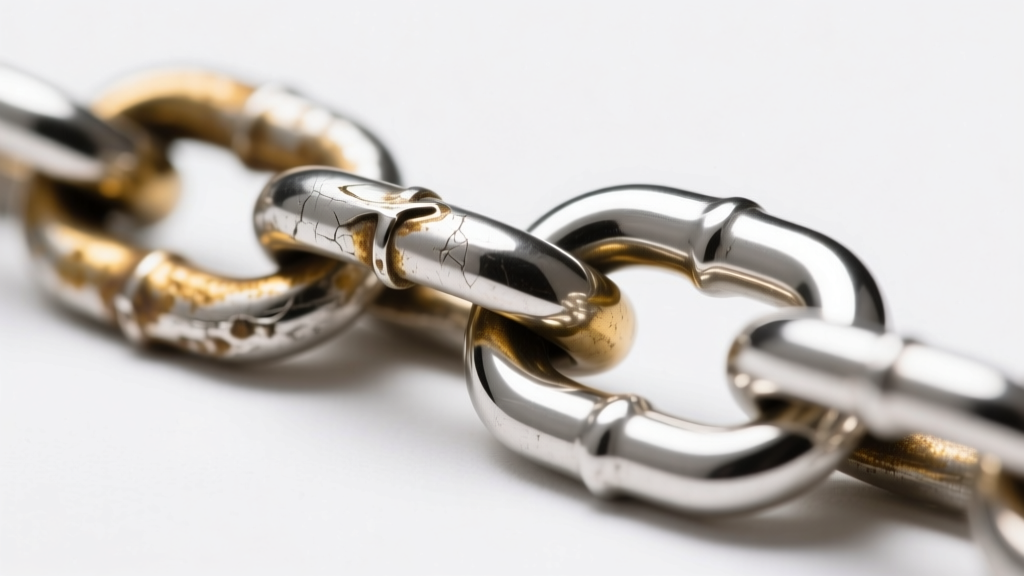
Chain Architecture and Failure Points
The metal alloy is only half the equation; the physical geometry of the chain links dictates its tensile strength. A chastity key necklace must be secure enough to prevent accidental loss, yet engineered with a predictable failure point to prevent choking hazards if the chain is violently snagged.
| Chain Style | Tensile Strength | Snag Risk | Best Application |
|---|---|---|---|
| Cable (1.5mm) | Low | High | Lightweight keys, temporary or discreet wear |
| Curb (3.0mm) | High | Low | Heavy keys, 24/7 security, sleep wear |
| Mariner (2.5mm) | Very High | Low | Active lifestyles, maximum durability |
| Rope (2.0mm) | Medium | Very High | Aesthetic focus, low-impact wear |
Expert Recommendation: For a daily-wearer, a 2.5mm to 3.5mm Mariner or Curb chain is ideal. The interlocking, flat-link design prevents the chain from twisting, kinking, or pulling chest hair. Rope chains, while visually intricate, are notorious for trapping skin oils and snapping when caught on clothing zippers.
Clasp Security: The Weakest Link
A chain is only as secure as its clasp. The standard lobster claw clasp relies on a tiny internal spring that frequently fails when exposed to soap scum and hard water deposits. If the spring degrades, the clasp will pop open unexpectedly.
"For functional security jewelry, never rely on a standard spring-loaded clasp. The mechanical failure rate over a 12-month period of continuous shower wear is unacceptably high for items that cannot be easily replaced."
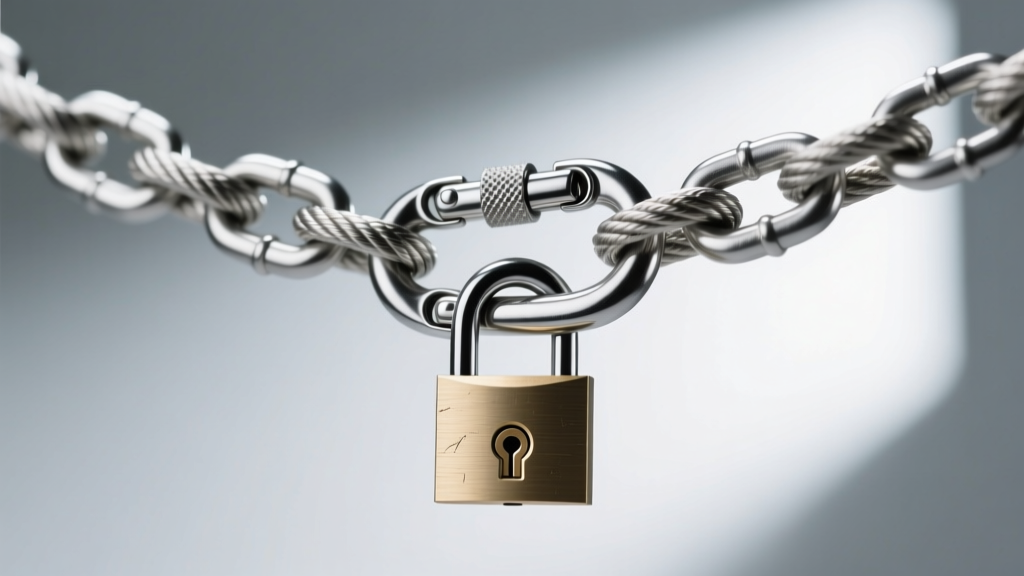
Instead, look for a locking carabiner clasp or a padlock-integrated hasp. A locking carabiner features a secondary threaded barrel or a secondary gate that physically prevents the main lever from opening. Alternatively, many specialized key necklaces terminate in two small O-rings that are secured together by the wearer's actual padlock, making the clasp entirely tamper-proof and mechanically robust.
Skin Chemistry, Sweat, and Maintenance
Human sweat has a pH ranging from 4.5 to 7.0 and contains urea, ammonia, and sodium chloride. This chemical cocktail is highly corrosive to porous or reactive metals. According to The London Assay Office, hallmarking ensures the purity of precious metals, but it does not protect them from environmental degradation.
If you choose a silver or steel chain, you must implement a maintenance routine. Once a week, remove the necklace and wash it with a mild, phosphate-free dish soap and a soft toothbrush to remove the microscopic buildup of dead skin cells and sebum that accelerates galvanic corrosion. Titanium, conversely, requires zero maintenance beyond a simple rinse.
Final Verdict: Choosing Your Daily Wearer
Selecting the right chastity key necklace requires balancing security, skin biology, and tactile preference.
- Choose Implant-Grade Titanium if you have sensitive skin, swim frequently, or want a 'set-it-and-forget-it' piece that requires zero maintenance and will never tarnish.
- Choose 316L Stainless Steel if you prefer a heavier, more substantial weight on your chest and want a highly durable chain at a lower price point, provided you do not have a nickel allergy.
- Choose Sterling Silver or Solid Gold only if the necklace is reserved for special occasions, aesthetic photography, or short-term wear, as continuous exposure to sweat will degrade the metal's finish and structural integrity over time.
Ultimately, by prioritizing chain geometry (like a 3mm curb link) and secure locking clasps over mere visual appeal, you ensure that the key remains exactly where it belongs: safe, secure, and resting against your skin.


