Fight On Necklace Guide: Titanium vs Steel Durability
Discover the best metals for a daily fight on necklace. We compare titanium, stainless steel, and tungsten for sweat-proof, impact-resistant durability.

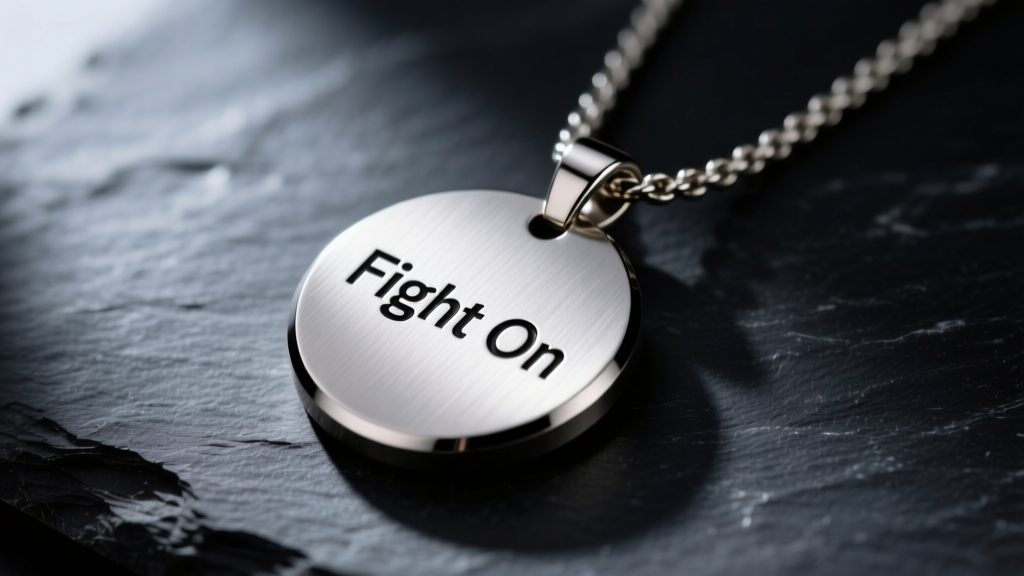
The Anatomy of a Resilient Fight On Necklace
A 'Fight On' necklace is more than just a piece of jewelry; it is a tactile talisman of resilience. Whether you are an athlete pushing through a grueling training camp, a USC Trojan alumni showing unwavering school spirit, or someone who simply needs a daily motivational anchor, this pendant goes where you go. But here is the reality: an active lifestyle is incredibly hostile to jewelry. Between the highly acidic pH of human sweat, the abrasive nature of gym chalk, and the blunt force of dropped weights, a standard fashion necklace will degrade, tarnish, or snap within months.
To ensure your motivational pendant survives the grind, we must look past aesthetic design and focus strictly on metallurgy. In this comprehensive guide, we break down the exact material properties, tensile strengths, and corrosion resistance of the top three metals used for heavy-duty talismanic jewelry. If you are investing in a fight on necklace that you intend to wear in the gym, on the field, or in the shower, this material comparison will dictate your purchase.
Material Breakdown: What Survives the Grind?
Not all metals are created equal. The jewelry industry frequently uses vague terms like 'surgical steel' or 'aircraft-grade titanium' without explaining the underlying chemistry. Let us decode the metallurgy to find the ultimate metal for your pendant.
Grade 5 Titanium (Ti-6Al-4V): The Elite Standard
When jewelers advertise 'titanium,' they are often using Grade 2 commercially pure titanium. While hypoallergenic, Grade 2 is relatively soft and prone to scratching. For a high-performance fight on necklace, you need Grade 5 Titanium (Ti-6Al-4V). This alloy is composed of 90% titanium, 6% aluminum, and 4% vanadium. According to materials science data from AZoM's guide on Titanium alloys, this specific combination boosts the tensile strength to approximately 130 ksi (895 MPa), making it nearly four times stronger than standard stainless steel while weighing almost half as much.
Titanium naturally forms a passive oxide layer when exposed to oxygen, rendering it completely impervious to the chlorides and lactic acid found in human sweat. It will not tarnish, rust, or cause contact dermatitis. The only drawback is that Grade 5 titanium is difficult to machine, which drives the manufacturing cost higher than steel alternatives.
316L Surgical Stainless Steel: The Workhorse
Stainless steel is the most common material for sports jewelry, but the specific grade matters immensely. You must look for 316L. The 'L' stands for low carbon, which prevents carbide precipitation during welding and soldering. More importantly, 316L contains 2-3% molybdenum. This specific elemental addition drastically increases resistance to pitting and crevice corrosion in chloride environments (like salty sweat or ocean water).
With a Mohs hardness of around 5.5, 316L steel will accumulate micro-scratches over time, developing a patina that many athletes actually prefer. It is highly affordable and offers excellent tensile strength (around 84 ksi), making it a highly practical choice for a daily-wear fight on necklace that might get caught on equipment or subjected to friction.
Tungsten Carbide: The Scratch-Proof Brittle Giant
Tungsten carbide is famous for its extreme hardness, ranking between 8.5 and 9 on the GIA's Mohs Hardness Scale. It is virtually scratch-proof; you could drag it across a concrete floor and it would emerge unscathed. However, hardness is not the same as toughness. Tungsten has very low fracture toughness, meaning it is brittle. If a heavy tungsten pendant is dropped onto a hard surface, or if it is struck directly by a kettlebell, it can shatter or chip. Furthermore, tungsten is exceptionally dense, making a solid pendant uncomfortably heavy for high-impact cardio or running.
Head-to-Head Comparison Chart
To make an informed decision, review the empirical data comparing these three dominant metals. This table highlights the critical metrics that affect daily, active wear.
| Property | Grade 5 Titanium | 316L Stainless Steel | Tungsten Carbide |
|---|---|---|---|
| Mohs Hardness | 6.0 | 5.5 | 8.5 - 9.0 |
| Tensile Strength | ~130 ksi (895 MPa) | ~84 ksi (580 MPa) | N/A (Brittle) |
| Weight (Relative) | Very Light (4.4 g/cm³) | Moderate (8.0 g/cm³) | Very Heavy (15.6 g/cm³) |
| Sweat/Chloride Resistance | Exceptional | Excellent | Good (Binder dependent) |
| Avg. Pendant Price | $60 - $140 | $25 - $55 | $40 - $90 |
Chain Selection: Don't Let the Weak Link Fail
A fight on necklace is only as strong as the chain that holds it. Many premium pendants are ruined by being paired with inadequate chains. When selecting a chain for an active lifestyle, you must evaluate both the link style and the clasp mechanism.
Optimal Link Styles for Active Wear
- Wheat Chains (2.5mm - 3.5mm): Composed of four strands of twisted oval links, wheat chains distribute tension evenly across multiple contact points. They are highly resistant to kinking and snapping under sudden jerks.
- Curb Chains (3.0mm+): Flat, interlocking links that lay flush against the chest. They are incredibly strong but can pull chest hair if not polished properly.
- Rope Chains (Avoid): While beautiful, the twisted, soldered links of a rope chain create microscopic weak points that easily snap when subjected to the torque of athletic movement.
The Clasp: Lobster vs. Spring Ring
Never use a spring ring clasp for a heavy motivational pendant. Spring rings rely on a tiny, single-soldered joint that routinely fails under 2 to 3 pounds of lateral tension. Always upgrade to a stainless steel lobster clasp with a minimum gate thickness of 1.5mm. A quality lobster clasp can withstand over 15 pounds of direct tension before the gate deforms, ensuring your fight on necklace stays securely around your neck during deadlifts or sprints.
Engraving Techniques: Ensuring the Message Lasts
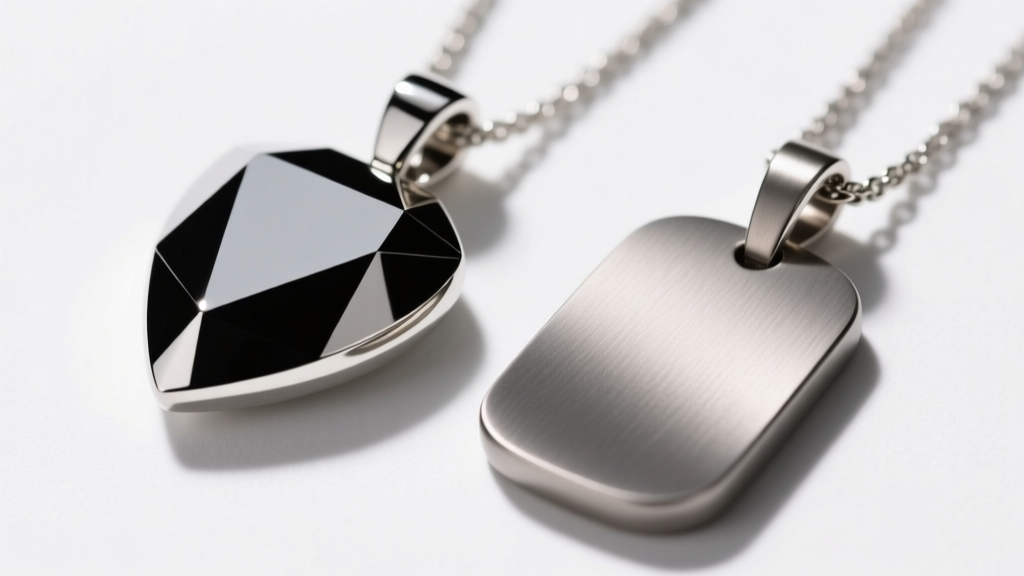
The phrase 'Fight On' must remain legible for the life of the necklace. The method used to carve the letters into the metal dictates its longevity.
- Fiber Laser Etching: Ideal for titanium. A fiber laser alters the surface oxidation, creating a permanent, high-contrast black mark that will never fade, even if the metal surface is scratched.
- CNC Milling: The best choice for 316L steel. A computer-controlled bit physically carves the letters deep into the metal (usually 0.5mm to 1.0mm deep). This ensures that even if the face of the pendant is heavily scuffed, the depth of the lettering remains intact.
- Enamel Infill (Avoid): Many cheaper pendants use black enamel paint inside shallow laser engravings. In an active environment, sweat and friction will strip the enamel out within a year, leaving the 'Fight On' text completely illegible.
Maintenance and Care for Active Lifestyles
Even the most durable metals require basic maintenance to prevent the buildup of dead skin, sebum, and gym chalk in the chain links.
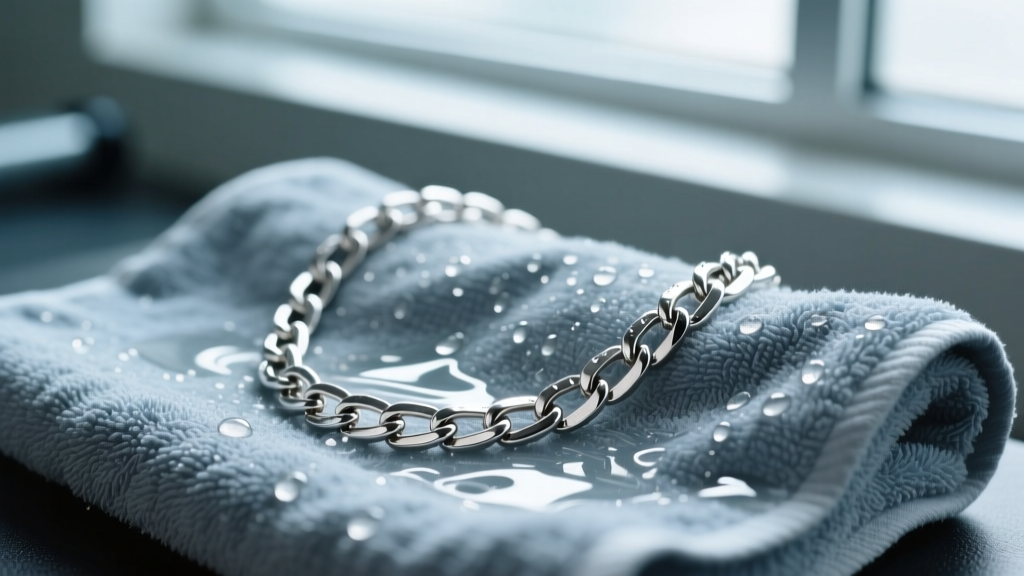
Expert Maintenance Tip: Once a week, soak your necklace in a bowl of warm water mixed with a few drops of mild dish soap. Use a soft-bristled baby toothbrush to gently agitate the chain links and the bail (the loop connecting the pendant to the chain). Rinse thoroughly and dry with a microfiber cloth. Avoid ultrasonic cleaners if your pendant features any bonded gemstones or carbon fiber inlays.
Final Verdict: Which Metal Should You Choose?
If budget allows, Grade 5 Titanium is the undisputed champion for a daily-wear fight on necklace. Its unparalleled strength-to-weight ratio means you will barely notice it during high-intensity workouts, and its total immunity to sweat corrosion guarantees it will look identical ten years from now. Pair it with a 3mm 316L stainless steel wheat chain and a heavy-duty lobster clasp, and you have an unbreakable motivational tool built to survive whatever life throws at it.


