How to Find Quality Cheap Bead Necklaces: A Buyer's Guide
Discover how to shop for cheap bead necklaces without sacrificing quality. Learn about materials, stringing, and clasps in our expert buyer's guide.

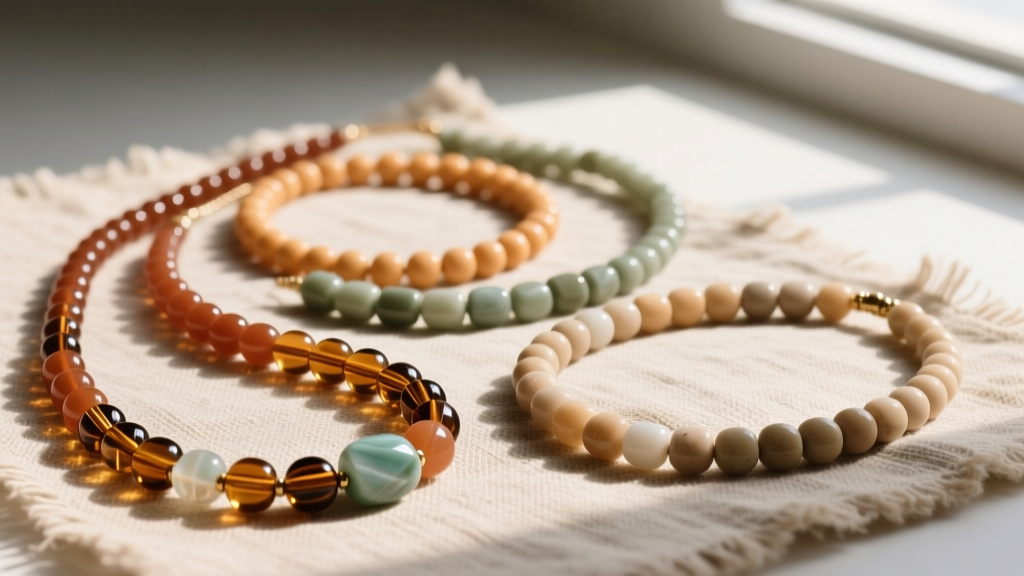
Redefining "Cheap": Budget-Friendly vs. Poorly Made
When browsing for cheap bead necklaces, the term "cheap" often carries a negative connotation, implying fragile materials and sloppy construction. However, in the jewelry market of 2026, "cheap" can simply mean budget-friendly or accessible. The secret to mastering the affordable jewelry market lies in distinguishing between a low price tag and low manufacturing standards. A well-constructed bead necklace strung with glass or semi-precious stones can easily retail between $15 and $35, offering incredible value without the structural failures associated with mass-produced, $5 fast-fashion accessories. This guide will teach you exactly what to look for regarding bead composition, stringing tensile strength, and clasp hardware so you can build a durable, stylish collection on a strict budget.
Bead Materials: What to Buy and What to Avoid
The visual appeal and longevity of any beaded strand depend entirely on the raw materials. Budget manufacturers often cut corners by using dyed plastics or low-grade resins that yellow, peel, or scratch within weeks. As a savvy buyer, you should actively seek out specific materials that offer high-end aesthetics at a fraction of the cost.
- Czech Fire-Polished Glass: The gold standard for affordable bead necklaces. These glass beads are faceted and polished in a furnace, giving them a brilliant sparkle that mimics crystal without the premium price tag.
- Dyed Howlite: Howlite is a naturally white, porous stone with a grey matrix. It is frequently dyed to imitate turquoise, lapis lazuli, or emerald. According to the Gemological Institute of America (GIA), howlite is a stable and excellent budget alternative to rare gems, provided you are aware of the dye treatment and care for it accordingly.
- Natural Agate and Quartz: Abundant in nature, these semi-precious stones are highly durable (7 on the Mohs scale) and can be found in beautiful, naturally occurring banded patterns for under $20 a strand.
- Avoid ABS Plastic and Acrylic: While lightweight, cheap plastic beads often suffer from visible mold seams, uneven drill holes, and a dull finish that degrades rapidly when exposed to skin oils and UV light.
| Material | Durability (Mohs) | Average Price (16" Strand) | Best Use Case |
|---|---|---|---|
| Czech Glass | 5.5 - 6.5 | $12 - $25 | Everyday layering, vibrant color pops |
| Dyed Howlite | 3.5 | $10 - $18 | Statement pieces, turquoise alternatives |
| Natural Agate | 7.0 | $15 - $30 | Earthy, bohemian styles, high durability |
| Resin/Acrylic | 2.0 - 3.0 | $5 - $12 | Temporary trend pieces, lightweight chunky beads |
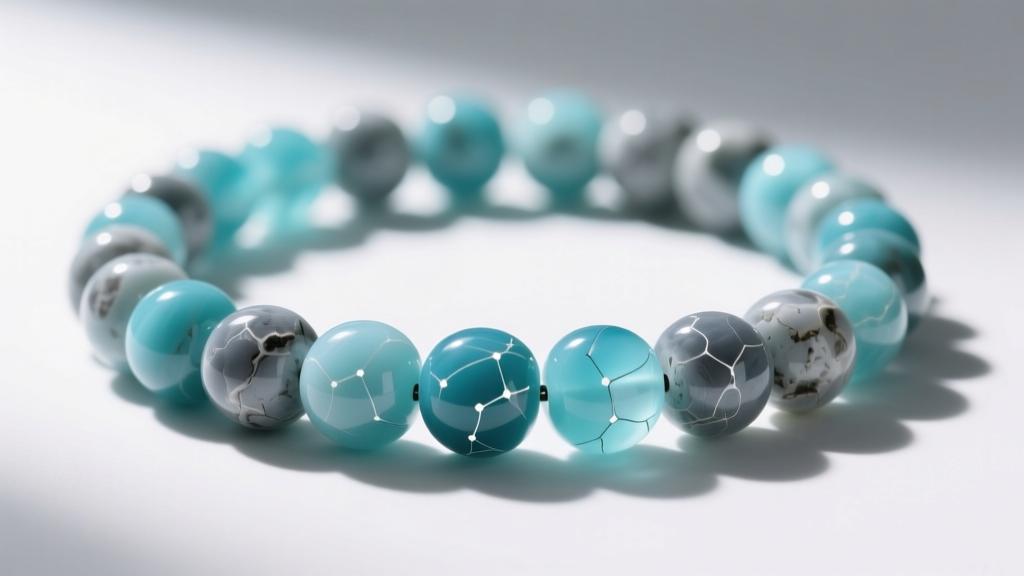
The Anatomy of Stringing: The Hidden Failure Point
The most common reason cheap bead necklaces end up in the trash is not the beads themselves, but the stringing material snapping. If you are buying pre-made affordable necklaces, or sourcing beads to make your own, understanding stringing wire is non-negotiable.
Beading Wire: 7-Strand vs. 49-Strand
Quality budget necklaces use stainless steel beading wire coated in nylon. Brands like Beadalon categorize these wires by strand count. A 7-strand wire is stiff, prone to kinking, and will eventually snap at the crimp bead due to metal fatigue. Always look for product descriptions that specify 19-strand or 49-strand wire. The 49-strand variety is incredibly supple, drapes like silk thread, and resists kinking, ensuring your necklace survives daily wear and tear.
Elastic and Nylon Thread
Many ultra-cheap bead necklaces are strung on elastic cord to save on the cost of metal clasps. While acceptable for lightweight seed beads, elastic degrades, stretches out, and rots when exposed to perfume, sweat, and lotions. If you are buying a heavy stone or glass bead necklace, avoid elastic entirely. Insist on wire-strung or knotted nylon thread constructions.
Clasp Hardware: Where Budget Brands Cut Corners
A necklace is only as secure as its weakest link, which is almost always the clasp. When evaluating cheap bead necklaces, examine the hardware closely.
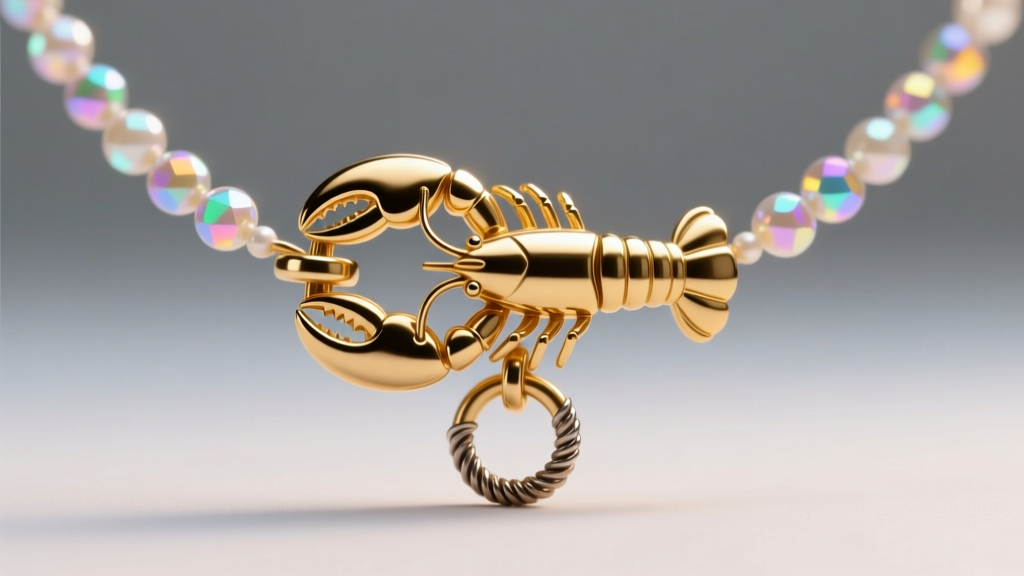
- Spring Ring Clasps: Common on budget jewelry, these circular clasps rely on a tiny, fragile internal spring. They are difficult to operate one-handed and frequently fail when the spring mechanism jams. Avoid these if possible.
- Lobster Claw Clasps: The superior choice. A well-made lobster clasp features a solid lever and a stronger spring. Look for clasps made from brass rather than zinc alloy. Brass holds gold or silver plating much longer, preventing the unsightly green tarnish that cheap alloys leave on your skin.
- Jump Rings: Check the small rings connecting the clasp to the bead wire. If the jump ring is not soldered shut, the beading wire will eventually saw through the metal gap, and you will lose your necklace. High-quality budget brands will use crimp covers or soldered rings to secure the connection.
Pro-Tip for Online Shoppers: If the product photos only show the necklace draped on a mannequin without a macro shot of the clasp and crimp beads, assume the hardware is low-grade zinc alloy and the stringing is elastic. Reputable sellers, even of affordable goods, will show the hardware details.
Red Flags When Shopping for Affordable Beads Online
Navigating e-commerce platforms for cheap bead necklaces requires a critical eye. Beware of vague terminology. If a listing advertises "crystal beads" without specifying "Swarovski," "Preciosa," or "lead-free glass," you are likely receiving cut acrylic or low-grade quartz. Similarly, terms like "Turquoise-style" or "Faux Lapis" are honest, but listings that simply say "Natural Turquoise" for a $12, 16-inch strand of perfectly uniform, bright blue beads are almost certainly dyed howlite or magnesite. There is nothing wrong with dyed stones as long as you are paying the correct, budget-friendly price for them.
Styling and Neckline Pairing
Beaded necklaces offer incredible versatility, but their styling requires attention to scale and proportion. For V-necklines, opt for a Y-shaped beaded lariat or a 20-inch strand of 4mm Czech glass beads that mirrors the angle of the neckline. For crew necks and boat necks, a shorter 16-inch choker-style strand featuring larger 10mm agate or howlite beads provides a striking, collar-like contrast. Layering multiple cheap bead necklaces is an excellent way to elevate their look; mix a matte-finish stone strand with a high-gloss glass strand to create textural depth that mimics high-end designer jewelry.
Care and Maintenance for Longevity
To ensure your budget-friendly finds last for years, proper maintenance is key. Always store beaded necklaces flat or hanging to prevent the stringing wire from taking on a permanent curved memory. Keep dyed beads away from prolonged direct sunlight to prevent UV fading, and never wear them in the shower, as hot water and harsh soaps can strip the dye and degrade the nylon coating on the beading wire. By applying these expert buying criteria, you can confidently curate a stunning, resilient collection of bead necklaces without ever breaking the bank.


