Juicy Couture Gold Necklace Materials: Plated, Vermeil & Solid
Discover the real metals behind your Juicy Couture gold necklace. We compare gold-plated brass, vermeil, and solid gold properties and care.

The Metallurgy of Y2K Glamour: What Lies Beneath the Gold?
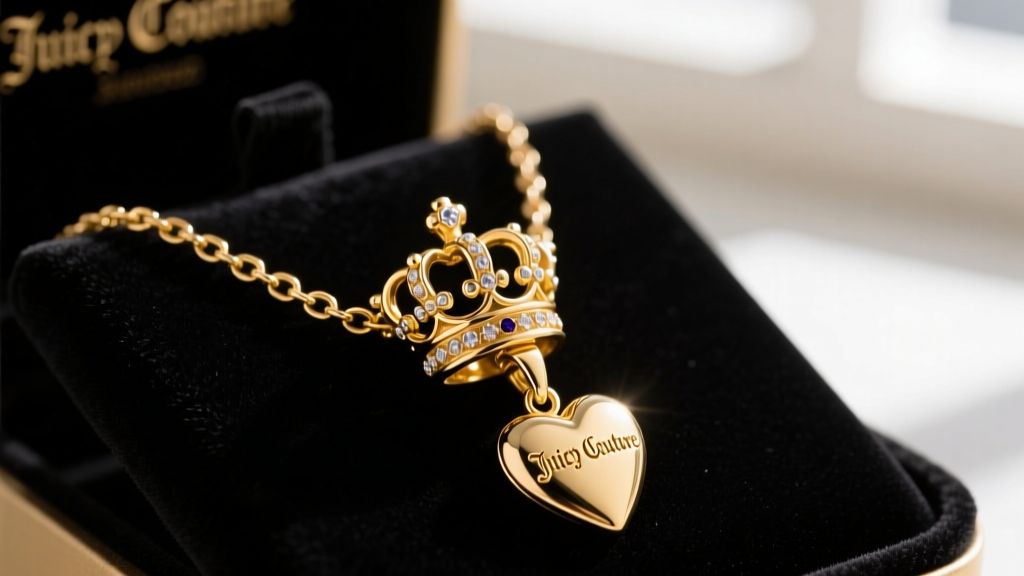
As the Y2K aesthetic matures from a fleeting nostalgic revival into a permanent pillar of 2026 fashion, collectors and new fans alike are heavily investing in vintage and contemporary statement pieces. At the absolute center of this movement is the iconic Juicy Couture gold necklace. Known for its maximalist charm bracelets, ornate heart pendants, and signature crown motifs, the brand's jewelry is instantly recognizable. However, as buyers become more educated about metallurgical properties and skin sensitivities, a critical question arises: what exactly is your Juicy Couture gold necklace made of?
To truly understand the longevity, value, and wearability of these pieces, we must look past the brilliant yellow luster and examine the substrate metals, the electroplating processes, and the chemical realities of fashion jewelry. This guide breaks down the material science behind these iconic necklaces, comparing standard gold-plated base metals, gold vermeil, and solid gold alternatives.
The Substrate: Brass, Zamak, and Base Metal Alloys
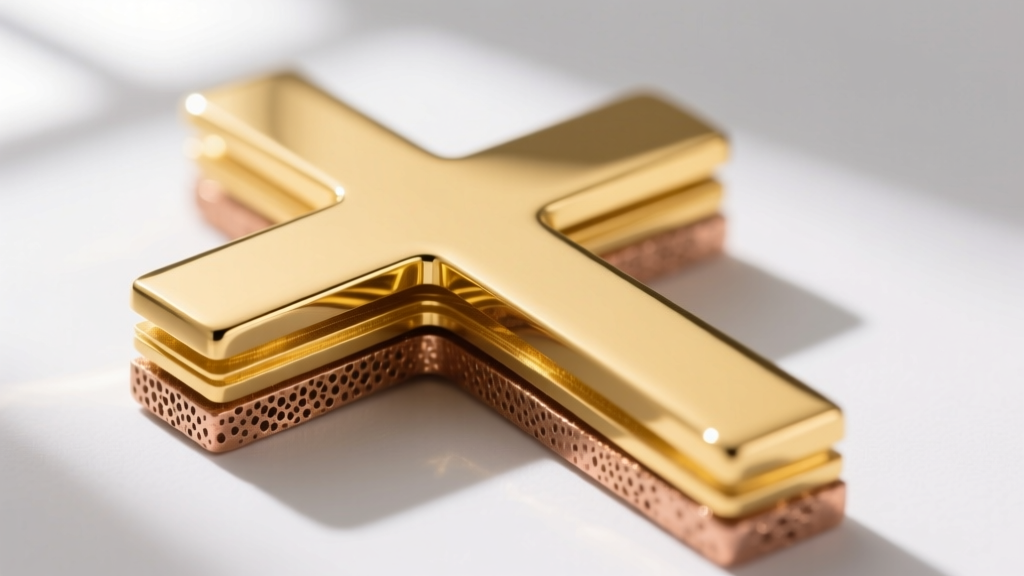
The vast majority of fashion jewelry, including classic Juicy Couture pieces, relies on base metal alloys to achieve complex, three-dimensional charm designs at an accessible price point. The two most common substrates used are brass and Zamak.
- Brass (Copper-Zinc Alloy): Typically composed of 67% copper and 33% zinc, brass is the industry standard for cast fashion jewelry. It offers excellent fluidity when molten, allowing for the intricate detailing seen in Juicy Couture's crest and animal charms. However, the high copper content is the primary culprit behind jewelry-induced skin discoloration.
- Zamak (Zinc Alloy): An alloy of zinc, aluminum, magnesium, and copper. Zamak is heavier and more brittle than brass but is frequently used for larger, chunkier pendant bodies because it provides a satisfying, premium weight without the cost of precious metals.
Because these base metals are naturally dull and prone to rapid oxidation, they must be sealed and coated. This is where the gold plating process comes into play, but not all plating is created equal.
Gold-Plated vs. Gold Vermeil: The Core Comparison
When shopping for a Juicy Couture gold necklace, you will encounter different terminology regarding the gold finish. Understanding the legal and metallurgical distinctions between standard gold plating and gold vermeil is essential for predicting the lifespan of your necklace.
| Property | Standard Gold-Plated (Fashion) | Gold Vermeil | Solid 14k Gold |
|---|---|---|---|
| Base Metal | Brass or Zamak | Sterling Silver (.925) | Gold Alloy (58.5% Gold) |
| Gold Thickness | 0.1 to 0.5 microns (Flash) | Minimum 2.5 microns | Solid throughout |
| Hypoallergenic | No (Nickel/Copper risk) | Mostly (Silver base) | Yes |
| Lifespan (Daily Wear) | 6 months - 2 years | 3 - 5 years | Lifetime |
| Resale/Scrap Value | Negligible | Low (Silver value) | High (Gold value) |
According to the Federal Trade Commission (FTC) Jewelry Guides, a piece can only be legally marketed as "gold vermeil" if it consists of a sterling silver base coated with gold of at least 10-karat fineness, with the gold layer being a minimum of 2.5 microns thick. Many vintage Juicy Couture pieces feature standard flash plating over brass, which offers a brilliant initial shine but lacks the micron thickness required for long-term friction resistance.
Failure Modes: The Chemistry of Tarnish and Green Skin
One of the most common complaints regarding vintage and heavily worn fashion jewelry is the dreaded "green skin" effect. This is not an allergic reaction, but rather a predictable chemical process known as galvanic corrosion and chelation.
The Role of Sweat pH and Copper Leaching
When the microscopic layer of gold plating on a brass-based necklace wears away due to friction against the collarbone, the underlying copper is exposed to the environment. Human sweat is mildly acidic, with a pH ranging from 4.5 to 7.0, and contains water, salt, urea, and lactic acid. When lactic acid reacts with copper, it forms copper lactate and copper chloride. These copper salts are green and easily transfer to the epidermis, creating a harmless but unsightly stain.
Furthermore, environmental sulfur (found in polluted air, hot springs, and even certain foods like eggs and onions) reacts with the copper and zinc in the brass substrate to form copper sulfide, resulting in the black, tarnished appearance often seen on neglected vintage charms.
Expert Insight: If your skin turns green, it is a reliable indicator that the gold plating has breached and the copper-rich brass substrate is actively oxidizing. This is a failure of the plating's barrier integrity, not a flaw in your skin chemistry.
Upgrading the Aesthetic: Solid Gold Alternatives
For collectors who adore the maximalist, charm-heavy aesthetic of a Juicy Couture gold necklace but require hypoallergenic properties and lifetime durability, transitioning to solid 14k gold is the ultimate solution. While Juicy Couture's mainline production is predominantly fashion jewelry, the secondary market and custom jewelers offer pathways to achieve this look.
Many specialized custom jewelers in 2026 offer "charm welding" services. You can purchase solid 14k gold replicas of classic motifs—such as the crown, the heart with the JC crest, or the iconic cherry—and have them laser-welded onto a solid 14k gold cable or paperclip chain. This eliminates the risk of base-metal oxidation entirely. A custom solid 14k gold charm necklace of this scale typically ranges from $1,200 to $3,500, depending on the gram weight of the cast charms, but it provides an heirloom-quality piece that will never turn your skin green or tarnish in the shower.
Care Protocols for Plated and Vermeil Pieces
If you own a standard gold-plated or vermeil Juicy Couture necklace, implementing a strict metallurgical care protocol will exponentially increase its lifespan. The Gemological Institute of America (GIA) notes that the primary enemies of gold-plated jewelry are friction, chemicals, and moisture.
The "Do Not" List
- Never use ultrasonic cleaners: The high-frequency cavitation bubbles will literally blast the microscopic gold layer off the brass or silver substrate.
- Avoid commercial silver dips: These contain thiourea and strong acids that will strip gold plating instantly.
- Keep away from vulcanized rubber: Rubber bands and certain watch straps emit sulfur gases that will cause immediate black tarnishing of exposed base metals.
The Proper Cleaning Method
- Mix a few drops of phosphate-free dish soap into a bowl of lukewarm (not hot) distilled water.
- Submerge the necklace for no more than 3 minutes.
- Gently agitate the water; do not scrub the charms with a toothbrush, as abrasive brushing wears down the gold microns.
- Rinse with distilled water to avoid hard water mineral deposits.
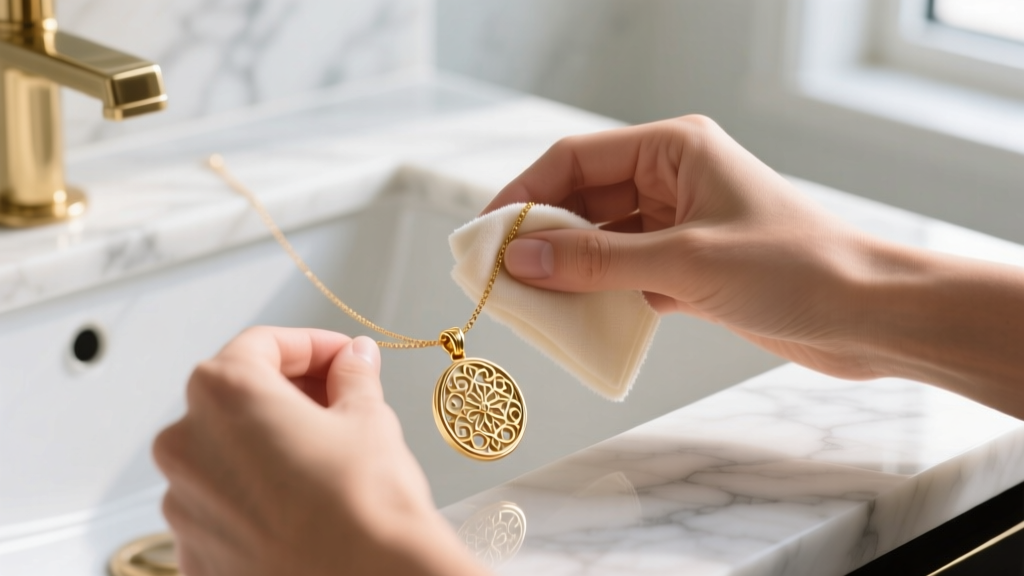
- Pat completely dry with a lint-free microfiber cloth before storing in an anti-tarnish flannel pouch.
Final Verdict: Wearability vs. Collectibility
A Juicy Couture gold necklace remains a masterclass in Y2K design and cultural branding. From a purely material standpoint, standard vintage pieces are fashion-grade, gold-plated brass or Zamak, requiring careful maintenance and an acceptance of eventual wear. However, their value lies in their design, rarity, and cultural significance rather than their scrap metal weight. By understanding the metallurgy, respecting the chemical vulnerabilities of the plating, and practicing mindful storage, you can preserve these iconic pieces for decades to come.
For further reading on metal allergies and jewelry safety, consult the American Academy of Dermatology's guidelines on jewelry contact dermatitis to ensure your styling choices remain as safe as they are stylish.


