Mini Belt Buckle Necklace Value Guide: 2026 Pricing & Materials
Assess the true value of a mini belt buckle necklace in 2026. Compare materials, pricing tiers, and chain durability to avoid cheap alloys.

The Y2K and Western Revival: Beyond the Aesthetic
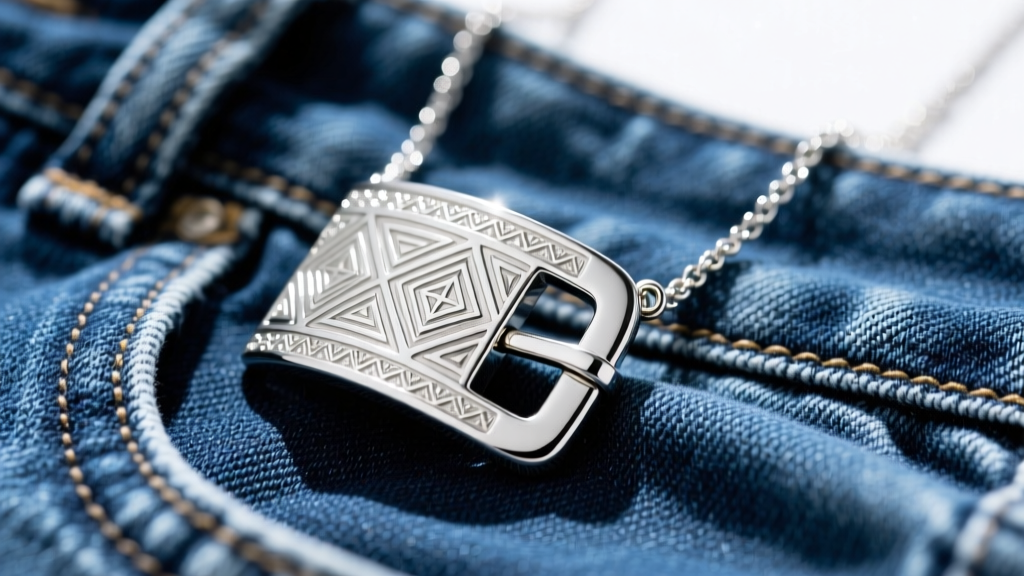
The mini belt buckle necklace has cemented its place as a staple in both the Y2K revival and the modern "coastal cowgirl" aesthetic. However, as the trend has saturated the market throughout 2025 and into 2026, the gap between high-quality jewelry and disposable fast-fashion accessories has widened dramatically. A mini belt buckle pendant is a deceptively complex piece of hardware. Unlike a simple cast charm, it features moving parts—specifically the roller and the prong—which introduces structural weak points that cheap manufacturers often ignore. When evaluating the true cost and value of a mini belt buckle necklace, you must look past the initial price tag and assess the metallurgy, the chain's tensile strength, and the plating methodology. This guide breaks down exactly what you are paying for and how to identify a piece that will last beyond a single season.
Material Breakdown: What Are You Actually Paying For?
The base metal of your pendant dictates its longevity, skin safety, and overall value retention. The tiny prong on a miniaturized buckle (typically measuring between 15mm and 25mm wide) is subjected to high stress if it catches on clothing. Here is how the most common materials perform under real-world conditions.
Zamak and Zinc Alloys (The Budget Trap)
Zamak is a zinc-based alloy commonly used in ultra-cheap jewelry. While it allows for intricate, heavy-feeling castings at a low cost, it is highly porous and brittle. The prong on a Zamak mini belt buckle is a notorious failure point; it will often snap cleanly off if snagged. Furthermore, these alloys are frequently plated with a microscopic layer of silver or gold that wears off in weeks, exposing copper and nickel mixes that cause severe contact dermatitis.
Brass with PVD vs. Electroplating
Brass is a massive step up in durability. However, the value depends entirely on the coating. Traditional electroplating (measured in microns) will quickly rub off at the bail—the loop where the chain connects—due to constant metal-on-metal friction. In 2026, mid-range brands are increasingly using PVD (Physical Vapor Deposition) coating on brass. PVD creates a molecular bond that is highly resistant to the friction caused by the chain, making it a superior choice for gold-toned belt buckles in the $40 to $80 range.
Solid 925 Sterling Silver (The Value Sweet Spot)
Sterling silver offers the best long-term value. According to The Silver Institute, genuine 925 silver contains 92.5% pure silver and 7.5% copper, providing the exact tensile strength needed to keep the tiny buckle prong intact without bending. Unlike plated metals, sterling silver can be endlessly polished and restored, making it a lifelong wardrobe staple rather than a disposable trend.
| Material | Average 2026 Price | Tarnish & Wear Risk | Prong Durability |
|---|---|---|---|
| Zamak / Zinc Alloy | $12 - $25 | High (Plating flakes rapidly) | Poor (Brittle, prone to snapping) |
| Brass (Electroplated) | $30 - $50 | Medium (Friction wear at bail) | Fair (Bends under pressure) |
| Brass (PVD Coated) | $45 - $85 | Low (Highly friction-resistant) | Good (Solid core) |
| Solid 925 Sterling Silver | $90 - $160 | Low (Tarnish is easily polished) | Excellent (High tensile strength) |
| Solid 14k Gold | $450 - $800+ | None (Heirloom grade) | Excellent (Will not snap or bend) |
The Hidden Weak Point: Bail Friction and Clasp Mechanics
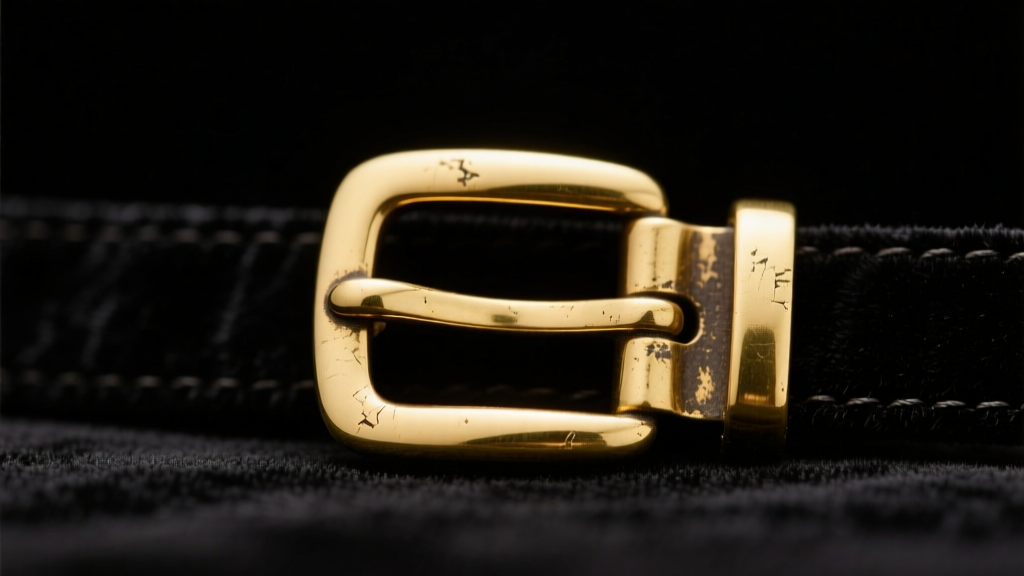
When assessing the value of a mini belt buckle necklace, most consumers focus solely on the pendant. However, the bail (the jump ring or hidden loop that threads the chain) is where the piece experiences the most mechanical wear. A poorly soldered jump ring will warp, creating a sharp edge that acts like a saw against your chain. High-value pieces feature a seamlessly soldered bail or a reinforced hidden bail integrated directly into the back of the buckle frame.
Additionally, pay close attention to the clasp. The FTC Jewelry Guides mandate accurate metal stamping, but they do not regulate clasp quality. A heavy mini belt buckle pendant requires a lobster clasp with a strong internal spring. Cheap spring-ring clasps frequently fail to close completely, leading to lost pendants. If a sterling silver necklace features a flimsy, hollow spring-ring clasp, it is a strong indicator that the manufacturer cut corners on the hardware to offset the cost of the silver.
Chain Pairings: Matching Gauge to Pendant Weight
A standard 20mm mini belt buckle pendant cast in solid brass or silver weighs between 4 and 7 grams. This is surprisingly heavy for delicate jewelry chains. Pairing this pendant with a 0.8mm or 1.0mm cable chain is a structural mistake. These thin chains have a break strength of under 3 pounds, meaning a simple snag on a sweater will snap the chain and lose your pendant.
For optimal drape and security, you must match the chain gauge to the pendant's weight. A 1.5mm to 2.0mm curb, rolo, or paperclip chain provides a break strength of 8 to 12 pounds, safely supporting the buckle while complementing its industrial, hardware-inspired aesthetic. When shopping, always check the millimeter thickness of the chain; if the retailer does not list the gauge, assume it is too thin for a heavy metal buckle.
2026 Pricing Tiers: Budget, Mid-Range, and Investment
Understanding the current market landscape helps you identify fair pricing and avoid inflated trend-taxes.
- The Fast-Fashion Tier ($15 - $35): Dominated by zinc alloys and flash-plated brass. These are purely for short-term styling. Expect the gold tone to fade within a month of daily wear, and avoid getting them wet.
- The Mid-Range Artisan Tier ($60 - $120): The sweet spot for value. Here you will find solid 925 sterling silver or high-quality PVD-coated brass. Brands in this tier use soldered jump rings, lobster clasps, and offer 1.5mm chains that won't snap.
- The Fine Jewelry Tier ($300 - $800+): Solid 14k or 18k gold, sometimes featuring pave diamonds set into the buckle frame. At this price, you are paying for intrinsic metal value and heirloom craftsmanship. Ensure the prong is integrated into the casting rather than soldered on as an afterthought.
Red Flags: Spotting Low-Value Knockoffs
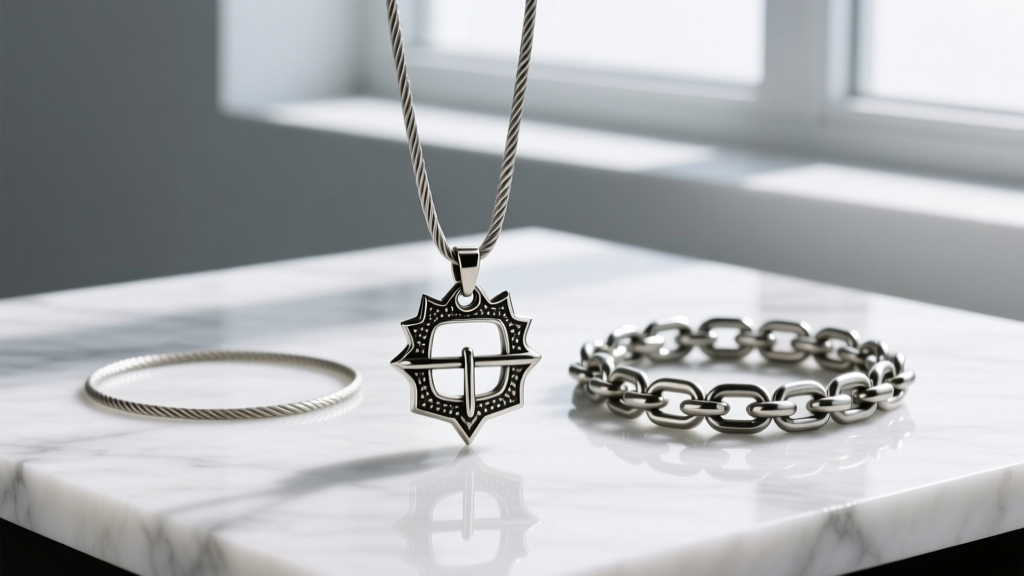
As you shop, keep an eye out for these specific red flags that indicate a poor return on your investment:
- "Tibetan Silver" or "Antique Silver" Labels: These are marketing terms for base metal alloys that often contain dangerous levels of lead and cadmium. They have no actual silver content and pose a health risk.
- Glued-In Rhinestones: If the mini buckle features a central "gemstone" or rhinestone, check the setting. Cheap versions use adhesive, which dissolves upon contact with perfumes and lotions. High-value pieces use metal prong or bezel settings to secure the stone.
- Hollow-Sounding Taps: A quality metal buckle should have a dense, solid feel. If the pendant feels unusually light for its size, it is likely hollow-cast or made from low-density pot metal, which will dent easily if dropped.
Final Verdict: Is the Mini Belt Buckle Necklace Worth It?
The mini belt buckle necklace is absolutely worth the investment, provided you bypass the fast-fashion traps. Because the design relies on hardware-inspired mechanics, it demands structural integrity. Spending between $80 and $150 on a solid 925 sterling silver piece with a 1.5mm rolo chain guarantees a versatile, durable accessory that bridges the gap between edgy Y2K nostalgia and timeless Western motifs. By prioritizing metal density, secure bail soldering, and appropriate chain gauges, you secure a piece that holds both aesthetic and material value for years to come.


