Tree of Life Urn Necklace: Troubleshooting & Care Guide
Learn how to troubleshoot common issues with your tree of life urn necklace, from stuck threads to tarnished metal, and keep your memorial jewelry safe.

The Emotional and Mechanical Weight of Memorial Jewelry
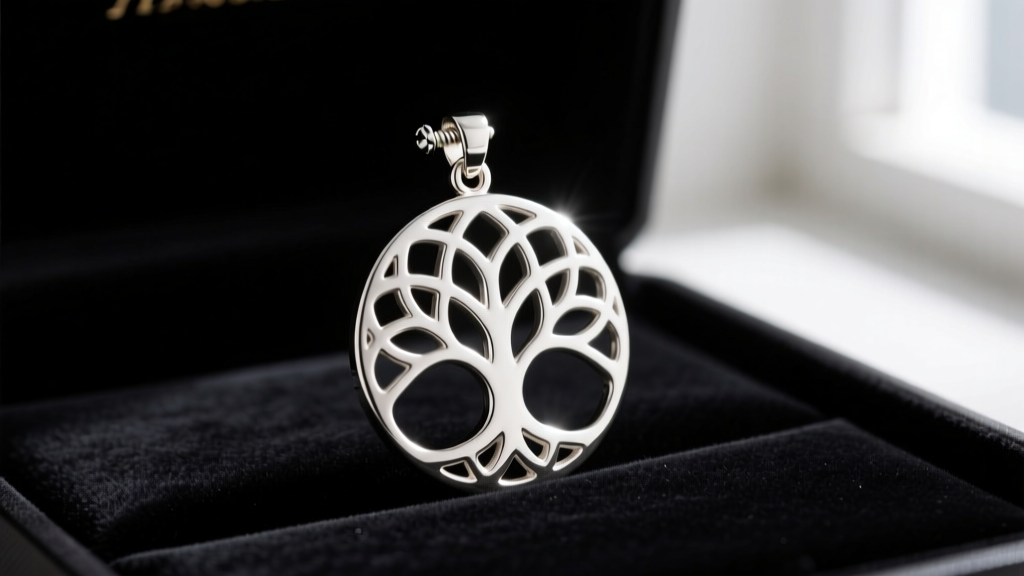
A tree of life urn necklace is more than a striking piece of jewelry; it is a deeply personal vault holding the physical essence of a loved one or a cherished pet. The intricate branch cutouts symbolize strength and eternal connection, but the mechanical reality of these pendants involves microscopic screws, delicate threading, and airtight seals. When a malfunction occurs—whether it is a stripped screw, a compromised seal, or sudden tarnishing—it can cause immense distress. As memorial jewelry manufacturing has evolved through 2026, incorporating CNC-machined micro-threads and silicone O-rings, the troubleshooting methods must also adapt. This guide provides expert-level diagnostics and actionable solutions to protect your keepsake.
Diagnostic Chart: Identifying Your Urn Necklace Issue
Before attempting any repairs, accurately diagnose the problem using the table below. Applying the wrong fix to a memorial pendant can result in permanent damage or loss of contents.
| Symptom | Probable Cause | Immediate Action | Tool Required |
|---|---|---|---|
| Screw won't budge | Cross-threading or adhesive lock | Stop turning; apply penetrating oil | Phillips #00 or JIS driver |
| Screw turns endlessly | Stripped female threads in bail | Remove screw; re-tap or use epoxy | Jeweler's epoxy, toothpick |
| Rattling sound | Missing internal silicone O-ring | Secure contents; replace O-ring | 1.5mm inner diameter O-ring |
| Black/green skin stain | Copper oxidation in 925 silver | Clean pendant; apply barrier wax | Polishing cloth, micro-crystalline wax |
Problem 1: Stripped or Stuck Screw Threads
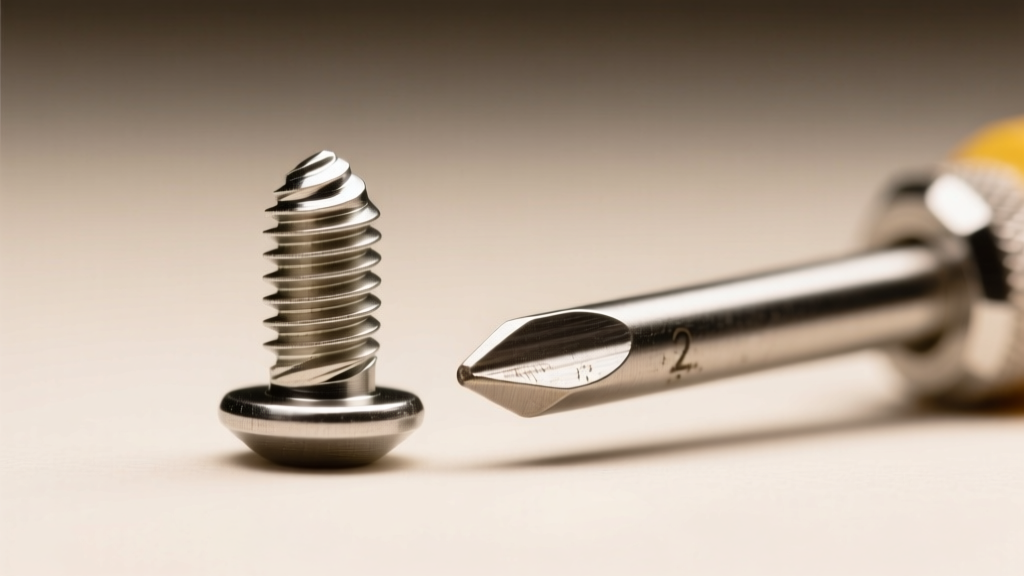
The most common point of failure on any tree of life urn necklace is the threaded bail. To maintain a discreet profile, manufacturers typically use metric micro-threads, specifically M2 (2.0mm diameter, 0.4mm pitch) or M3 (3.0mm diameter, 0.5mm pitch). The male screw is usually made of hardened stainless steel, while the female threads are tapped directly into the pendant body, which is often a softer 925 sterling silver or aluminum alloy.
How to Safely Extract a Stuck Screw
If your screw is seized, do not apply excessive force. Over-torquing will snap the M2 screw head, rendering the pendant nearly impossible to open without destructive drilling. Follow this extraction protocol:
- Step 1: Apply a micro-drop of jeweler's penetrating oil (like Liquid Wrench or a specialized watchmaker's oil) to the seam where the screw head meets the bail.
- Step 2: Allow the oil to wick into the threads for 12 to 24 hours. Keep the pendant upright so gravity pulls the oil down into the threads, not into the ash chamber.
- Step 3: Use a high-quality Phillips #00 or Japanese Industrial Standard (JIS) screwdriver. JIS drivers are specifically designed to prevent cam-out (slipping) in precision electronics and jewelry.
- Step 4: Apply firm downward pressure before turning counter-clockwise. If the head strips, a professional jeweler must use a micro-screw extractor or EDM (Electrical Discharge Machining) to remove the shaft.
Problem 2: Compromised Seals and Moisture Intrusion
A tree of life urn necklace must remain hermetically sealed to protect the ashes from moisture, humidity, and skin oils. In older or lower-quality models, the seal relied entirely on the friction of the metal threads. Modern 2026 designs often incorporate a microscopic silicone O-ring seated in a machined groove beneath the screw head. If your pendant rattles or you suspect moisture intrusion, the seal has failed.
Choosing the Right Adhesive for Resealing
When resealing an urn necklace that lacks an O-ring, the choice of adhesive is critical. According to guidelines from the Jewelers of America, improper chemical use can damage both the metal and the memorial contents.
- Never use liquid super glue (Cyanoacrylate): Liquid CA glue has extremely low viscosity. It will wick down the threads, potentially seeping into the ash chamber and chemically altering or cementing the contents.
- Use Loctite 454 (Gel) or Jeweler's Epoxy: A gel-type cyanoacrylate or a slow-curing, two-part clear epoxy stays exactly where you place it. Apply a minuscule amount to the male threads using a wooden toothpick before screwing the bail shut.
Problem 3: Metal Tarnish and Skin Discoloration
Tree of life pendants rest directly against the sternum, an area prone to perspiration. If your necklace is leaving a green or black mark on your skin, or if the intricate branch cutouts are turning black, you are dealing with metal oxidation. The Federal Trade Commission Jewelry Guides mandate strict standards for metal stamping, which helps in identifying your material and its specific failure modes.
925 Sterling Silver vs. 316L Surgical Steel
Understanding your pendant's metallurgy is the first step in troubleshooting tarnish:
- 925 Sterling Silver: Composed of 92.5% pure silver and 7.5% copper. The copper is the culprit; it reacts with sulfur and chlorides in sweat to form copper sulfide (black tarnish) or copper chloride (green skin stain). Fix: Clean the pendant with a non-abrasive silver dip, rinse thoroughly, and coat the back of the pendant with a thin layer of micro-crystalline wax (like Renaissance Wax) to create a moisture barrier.
- 316L Surgical Steel: Highly resistant to tarnish due to its chromium oxide layer. However, if the pendant features deep, laser-cut tree branches, sweat and dead skin cells can accumulate in the crevices, leading to localized 'crevice corrosion.' Fix: Use a soft-bristled toothbrush with warm water and a drop of mild dish soap to gently clear the cutouts. Avoid bleach or chlorine, which will pit 316L steel.
Problem 4: Chain Breakage at the Bail
The 'tree of life' motif often extends into the bail itself, featuring delicate, intertwined branch loops. A common troubleshooting issue is the chain wearing through the bail, or the bail snapping under tension. This is almost always caused by a mismatch in metal hardness and gauge thickness.
If you pair a heavy, thick chain (e.g., a 3.0mm Cuban link) with a delicate 925 silver branch bail, the harder steel chain will act like a saw, slowly cutting through the softer silver every time you move. To solve this, always use a chain that is softer or equal in hardness to the pendant, and keep the wire gauge between 1.0mm and 1.5mm. A standard sterling silver cable chain or a lightweight 316L snake chain provides the necessary flexibility without creating destructive friction against the bail loop.
Preventative Maintenance Checklist
To ensure your memorial jewelry remains secure and pristine, integrate these specific maintenance steps into your routine:
- Quarterly Thread Check: Every three months, gently test the bail screw for tightness. Do not over-tighten; snug it until you feel resistance, then stop.
- Bi-Annual Ultrasonic Warning: Never place a sealed tree of life urn necklace in an ultrasonic cleaner. The high-frequency vibrations can shatter the internal seal, loosen the screw, or force cleaning chemicals into the ash chamber.
- Shower and Swim Protocol: Remove the necklace before swimming in chlorinated pools or hot tubs. Chlorine rapidly degrades the copper alloys in sterling silver and can cause stress-corrosion cracking in the micro-threads.
- Storage: When not worn, store the pendant in an anti-tarnish cloth pouch with a silica gel desiccant packet to control ambient humidity.
By understanding the precise mechanics of your tree of life urn necklace—from M2 micro-threads to metallurgical reactions—you can troubleshoot issues confidently and ensure your precious memorial remains safe, secure, and beautiful for decades to come.


