Cottagecore Necklace Trends: 2026 Style & Layering Guide
Discover the 2026 cottagecore necklace trend. Explore dark botanical motifs, authentic material guides, and expert layering techniques for pastoral style.

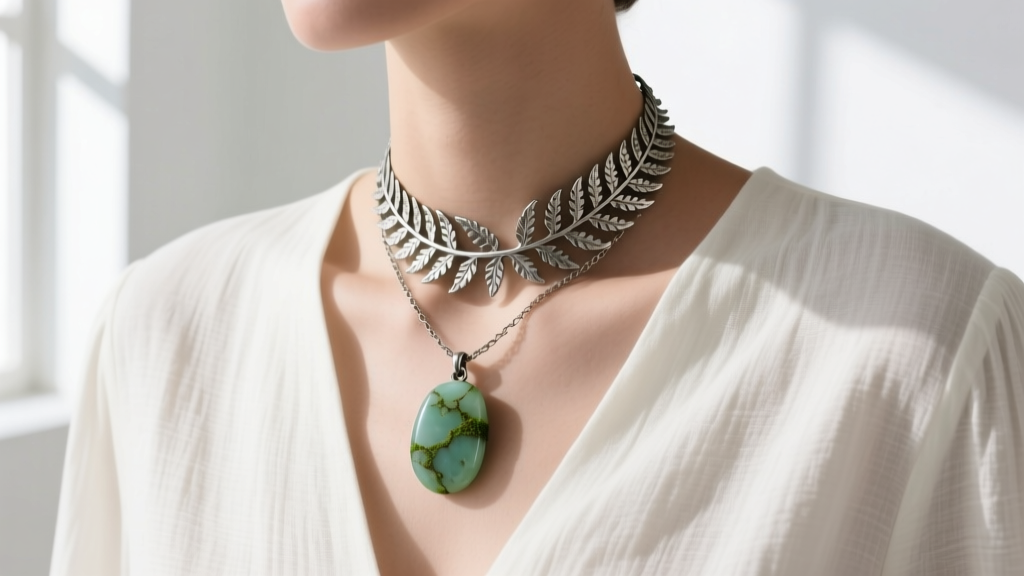
The Evolution of Cottagecore: From Kitsch to Heirloom Botanical
When the cottagecore aesthetic first bloomed in the early 2020s, jewelry trends leaned heavily into mass-produced, enameled daisies and bright, polished brass mushrooms. However, as we navigate the fashion landscape of 2026, the cottagecore necklace has matured. The aesthetic has evolved from playful kitsch into what industry analysts now call "Heirloom Botanical" and "Dark Forest" styles. Today's pastoral jewelry is defined by intricate wax-cast metals, raw unheated gemstones, and a deliberate embrace of antique, oxidized finishes. According to trend forecasters at Vogue, the modern pastoral aesthetic is less about a costume-like portrayal of farm life and more about a deep, tactile connection to nature's untamed, shadowy corners.
This shift demands a higher standard of craftsmanship. Consumers are no longer satisfied with lightweight, hollow-cast charms that tangle easily or tarnish within weeks. The 2026 cottagecore necklace is an investment in artisanal storytelling, featuring motifs that feel as though they were unearthed from a Victorian greenhouse or a forgotten forest floor.
Material Authenticity: Avoiding the "Green Neck" Trap
The most common failure mode in budget botanical jewelry is the use of zinc alloy or brass bases with "flash plating" (a gold or silver layer thinner than 0.1 microns). When exposed to the natural pH of human skin and environmental humidity, these base metals oxidize rapidly, leaving a green or black residue on the collarbone. To build a lasting cottagecore necklace collection, you must prioritize material authenticity.
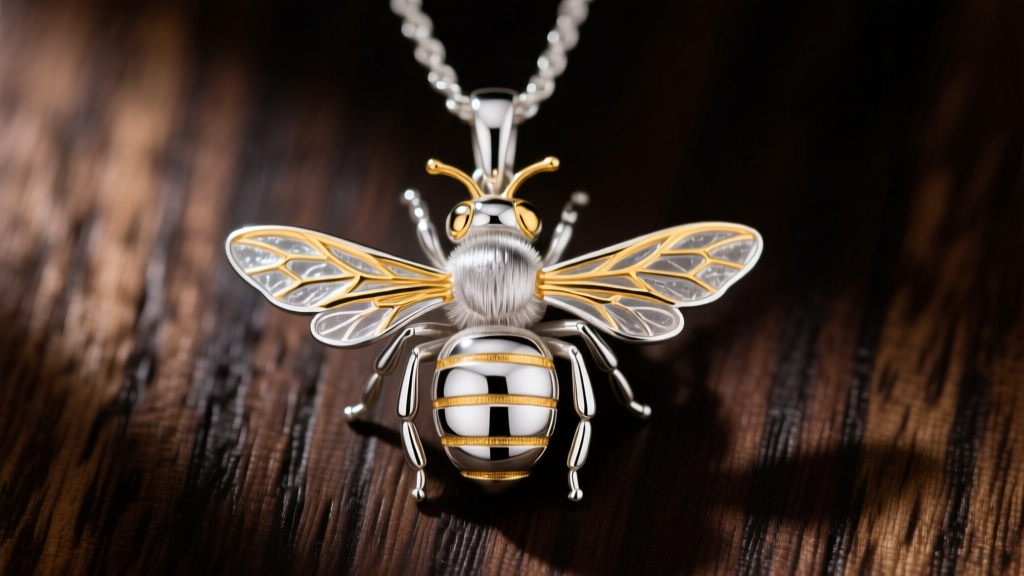
For gold-toned pieces, the 2026 standard is heavy gold vermeil. By definition, vermeil requires a base of 925 sterling silver coated with a minimum of 2.5 microns of 14k or 18k gold. This thickness ensures the intricate textures of a cast bee or fern frond will not wear away to the base metal within a single season. For silver-toned pieces, look for recycled 925 sterling silver that has been intentionally oxidized. Oxidation darkens the recesses of the metal, highlighting the microscopic veins of a leaf pendant or the fuzzy texture of a moth's wings, providing a high-contrast, antique finish that requires zero polishing to maintain its moody aesthetic.
2026 Motif Forecast: Dark Academia Meets Forest Witch
The motifs defining the cottagecore necklace this year lean heavily into the mysterious and the nocturnal. The bright sunflowers of previous years have been replaced by flora and fauna that thrive in the shadows:
- Moss Agate & Ferns: Symbiosis is a major theme. Jewelers are pairing raw, unpolished moss agate—which contains dendritic green inclusions that look like trapped foliage—with intricately cast silver ferns. The Gemological Institute of America (GIA) notes that moss agate's unique inclusions make every pendant entirely one-of-a-kind, appealing to the desire for personalized, earth-bound talismans.
- Crescent Moths & Celestial Maps: The Luna moth and the Death's-head hawkmoth are trending heavily, often depicted in mid-flight with wings spanning 30mm to 40mm across the chest. These are frequently paired with subtle crescent moon bails.
- Poisonous Flora: The "dark cottagecore" subgenre has introduced belladonna, hemlock, and foxglove motifs. These pendants often feature deep, translucent enamel in bruised purples and toxic greens, appealing to a more gothic, intellectual edge of the pastoral trend.
The Mechanics of Pastoral Layering
A single pendant rarely captures the overgrown, wild essence of the cottagecore aesthetic. The 2026 styling protocol relies on a three-tier layering system that mimics the stratified canopy of a forest. The key to successful layering is varying both the chain texture and the pendant weight to prevent tangling and visual clutter.
| Chain Length | Chain Style | Pendant Weight | Best Neckline Pairing |
|---|---|---|---|
| 14" - 15" (Choker) | Cable or Herringbone | 2g - 4g (Delicate) | Square neck prairie dresses, Off-shoulder knits |
| 17" - 18" (Princess) | Rope or Wheat | 5g - 9g (Statement) | Deep V-necks, Scoop neck linen blouses |
| 22" - 24" (Opera) | Box or Snake | 1g - 3g (Lariat/Minimal) | High Victorian collars, Button-down shirts |
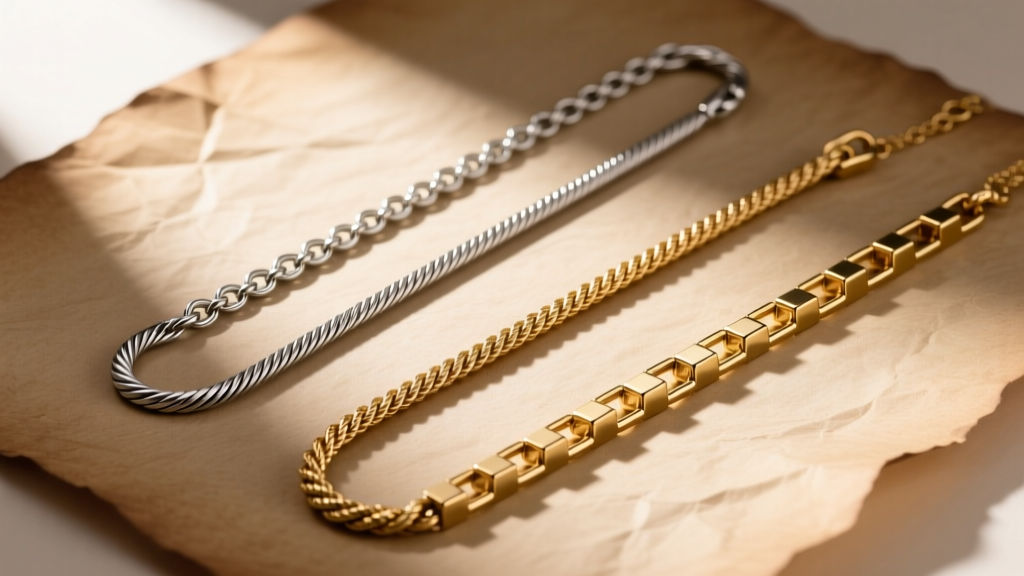
When layering, always ensure your clasps are proportionate to the chain. A heavy brass lobster clasp on a delicate 14-inch herringbone chain will drag the necklace down, ruining the drape and causing the chain to kink. Opt for small, 5mm spring ring clasps for the top tier, and reserve larger, decorative toggle clasps for the longest, heaviest tier.
Investment Tiers: Where to Buy in 2026
The market for botanical jewelry has stratified into distinct tiers, each offering a different level of material integrity and artistic expression. According to market analyses by Forbes Lifestyle, consumers are increasingly migrating away from the middle-market, favoring either hyper-affordable trend pieces or high-end artisan investments.
The Artisan Tier ($85 - $280): This is the sweet spot for the authentic cottagecore necklace. Independent jewelers utilizing lost-wax casting techniques dominate this space. You can expect solid 925 sterling silver, ethically sourced raw gemstones, and hand-finished patinas. These pieces are often made-to-order, ensuring a level of exclusivity that mass-market brands cannot replicate.
The Fine Jewelry Tier ($450 - $1,500+): For those treating the pastoral aesthetic as a permanent wardrobe staple, fine jewelers are offering cottagecore motifs in solid 14k and 18k gold. These pieces often incorporate brilliant-cut diamonds or ethically sourced sapphires hidden within the petals of a wildflower or the eyes of a cast fox, elevating the rustic theme into heirloom territory.
"The true essence of modern botanical jewelry isn't just in the shape of a leaf, but in the metallurgy that makes it look as though it was pulled directly from the damp earth. Weight, texture, and intentional imperfection are the hallmarks of 2026." — Independent Jewelry Fabricator
Care and Maintenance for Botanical Pieces
Caring for a cottagecore necklace requires an understanding of both the metals and the organic inclusions used in their creation. Raw gemstones like moss agate (Mohs hardness 6.5-7) and opal are highly sensitive to sudden temperature changes and harsh chemicals. Never place a raw stone pendant in an ultrasonic cleaner; the high-frequency vibrations can fracture the stone along its natural dendritic inclusions. Instead, clean these pieces with a soft, damp microfiber cloth and a drop of pH-neutral soap.
For oxidized silver pieces, avoid liquid silver dips or abrasive polishing pastes. These products will strip the intentional black patina from the crevices of your fern or mushroom pendants, leaving them flat and overly bright. To maintain the antique finish, use a treated jeweler's polishing cloth and gently buff only the high points of the metal, allowing the dark oxidation to remain in the textured recesses. Store your layered necklaces individually in anti-tarnish flannel pouches to prevent the chains from catching on the intricate, branch-like protrusions of the pendants.


