Material Breakdown: The Chelsea Necklace White Lotus Trend & Replicas
Comparing gold vermeil, PVD steel, and solid 14k gold for the Chelsea necklace White Lotus trend. Discover which material lasts longest.

The Allure of the Chelsea Necklace White Lotus Aesthetic
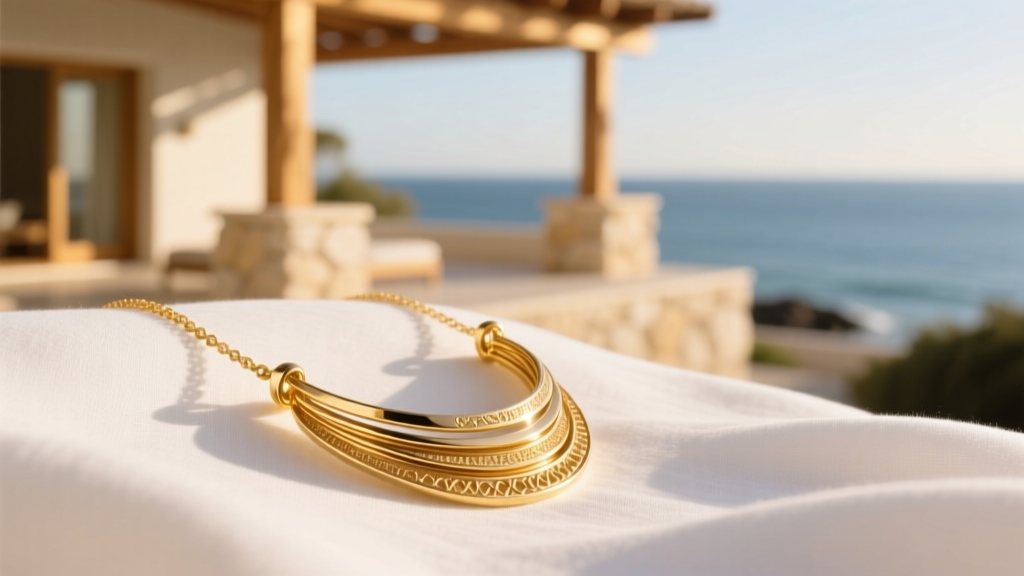
When HBO’s The White Lotus Season 2 captivated audiences, the jewelry worn by the characters became an instant cultural touchstone. While Harper’s vintage cross dominated early headlines, the Chelsea necklace White Lotus search trend quickly emerged as a favorite among fans of understated, layered luxury. Chelsea’s resort wardrobe was anchored by effortless, sun-kissed gold layers—delicate cable chains, subtle paperclip links, and meaningful pendants that caught the Sicilian light without screaming for attention.
As we move through 2026, the demand for screen-accurate replicas and 'Chelsea-inspired' layered sets has flooded the market. However, this surge in popularity has created a minefield of materials. Retailers are using buzzwords like 'waterproof gold' and 'tarnish-free' to sell everything from $20 brass alloys to $800 solid gold pieces. If you are investing in this specific aesthetic, understanding the metallurgical properties of your jewelry is no longer optional—it is essential.
Material Showdown: What Are Screen-Inspired Necklaces Actually Made Of?
To replicate the Chelsea necklace White Lotus look, you need chains that drape beautifully and pendants that hold intricate details. Here is a deep dive into the three primary materials dominating the replica and inspired jewelry market today.
1. Gold Vermeil (The Mid-Tier Standard)
True vermeil (pronounced ver-may) is not just standard gold plating. According to the Federal Trade Commission Jewelry Guides, a piece can only be legally marketed as vermeil in the United States if it meets two strict criteria:
- Base Metal: Must be .925 sterling silver.
- Plating Thickness: Must have a minimum gold thickness of 2.5 microns (usually 14k or 18k gold).
The Failure Mode: Vermeil’s Achilles' heel is galvanic corrosion and silver sulfide formation. If the 2.5-micron gold layer is breached by micro-scratches, the underlying silver is exposed to sulfur in the air and sweat. This creates silver sulfide (tarnish), which expands and pushes through the gold pores, creating dark, unpolishable spots on your necklace.
2. PVD-Plated 316L Stainless Steel (The Modern Workhorse)
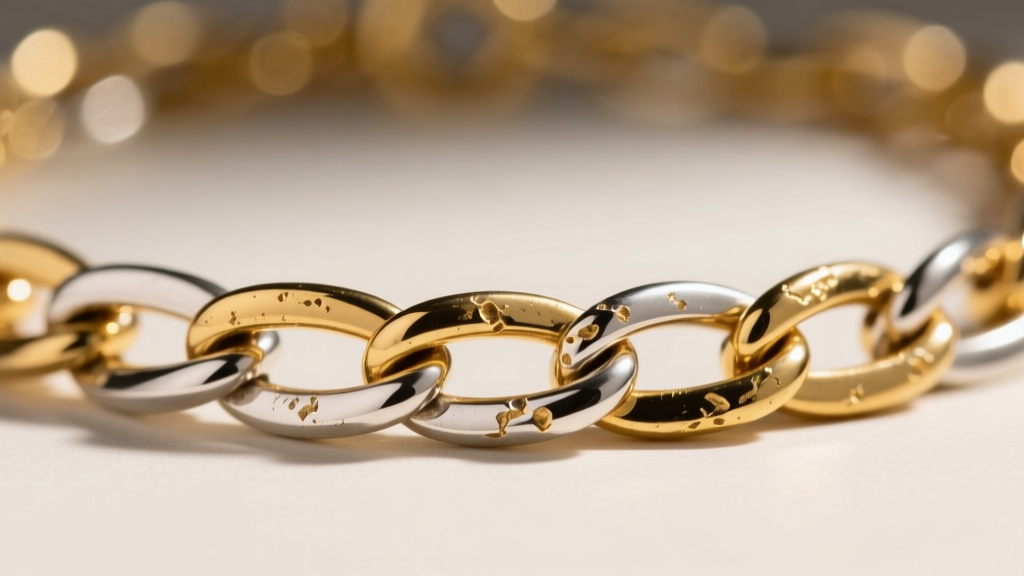
Physical Vapor Deposition (PVD) has revolutionized fashion jewelry. Instead of using chemical baths (electroplating), PVD vaporizes titanium or zirconium in a vacuum chamber, bonding it to a 316L surgical stainless steel base at a molecular level. To achieve the 'Chelsea' yellow gold tone, manufacturers use Titanium Nitride (TiN), which yields a rich, 18k-like color.
The Failure Mode: While PVD is up to 10 times more durable than electroplating, it is incredibly thin (usually 0.1 to 0.3 microns). It cannot be polished. If you attempt to buff out a scratch on a PVD chain, you will strip the nitride layer entirely, exposing the dull grey steel beneath. Furthermore, 316L steel is vulnerable to chloride ions; prolonged exposure to salt water can cause pitting corrosion if the coating is compromised.
3. Solid 14k or 18k Gold (The Heirloom Investment)
For those seeking the authentic luxury experience, solid gold is the only option. As detailed by the Gemological Institute of America (GIA), pure 24k gold is too soft for daily-wear chains. Therefore, it is alloyed with copper, silver, and zinc. 14k gold (58.5% pure gold) offers the ideal balance of rich color and tensile strength for delicate pendant bails and chain links.
The Failure Mode: Solid gold does not tarnish or corrode, but it is soft. A delicate 14k paperclip chain can easily dent or stretch if snagged on heavy resort wear. However, unlike plated metals, solid gold can be polished and restored infinitely.
Comparative Data: Longevity, Cost, and Properties
When shopping for the Chelsea necklace White Lotus aesthetic, use this matrix to evaluate the true value of the pieces you are considering.
| Material | Base Metal | Coating / Purity | Avg. Price Range (Layered Set) | Lifespan (Daily Wear) | Primary Vulnerability |
|---|---|---|---|---|---|
| Gold Vermeil | .925 Sterling Silver | 2.5+ microns (14k/18k) | $120 - $280 | 1 - 3 Years | Silver sulfide spotting via micro-pores |
| PVD Gold | 316L Stainless Steel | 0.2 microns TiN / ZrN | $45 - $95 | 2 - 5 Years | Irreparable scratching; chloride pitting |
| Solid 14k Gold | N/A (Solid Alloy) | 58.5% Pure Gold | $600 - $1,500+ | Lifetime / Heirloom | Mechanical stretching and denting |
| Electroplated Brass | Brass / Copper Alloy | 0.05 - 0.1 microns | $15 - $40 | 1 - 6 Months | Rapid copper oxidation (green skin) |
How to Spot a Low-Quality 'Chelsea' Replica
The market is saturated with cheap electroplated brass masquerading as high-end resort jewelry. When copper-rich brass reacts with the lactic acid in your sweat, it produces copper lactate—a bright green salt that stains your skin and ruins clothing. Here is how to audit your jewelry before buying:
The Magnet & Temperature Test: 316L stainless steel (PVD base) is largely non-magnetic but can exhibit a slight magnetic pull if cold-worked during chain manufacturing. More reliably, steel feels noticeably colder to the touch and heavier than sterling silver or gold. If a 'gold' chain feels unusually light and warms to your skin instantly, it is likely hollow brass or plastic-core.
Hallmark Verification
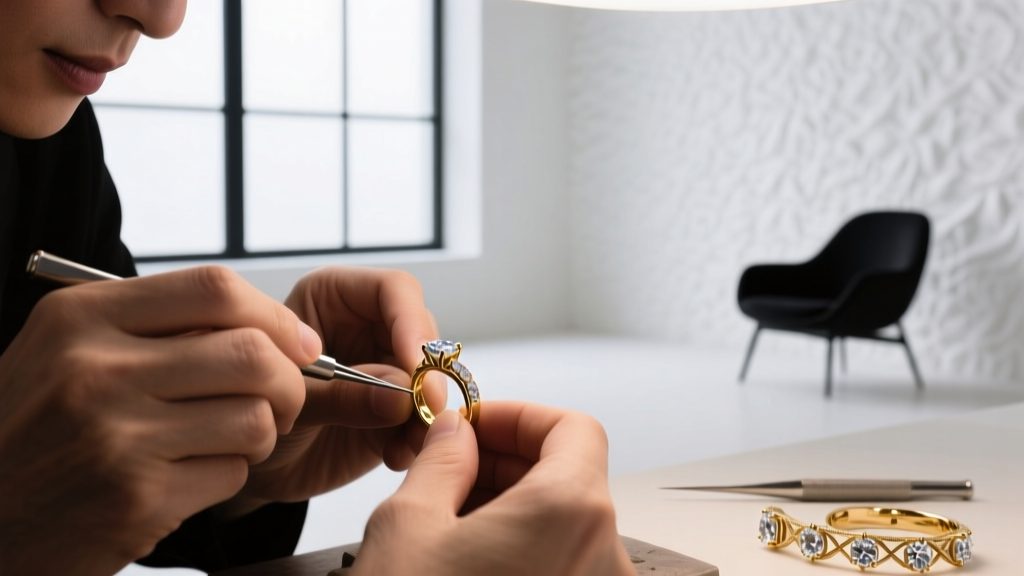
- '925' Stamp: Indicates sterling silver. If the piece is gold-colored and stamped 925, it is vermeil or gold-plated silver.
- '316L' or 'Stainless': Indicates a PVD-coated steel base.
- '14k', '585', or '18k': Should only be present on solid gold. If you see '14k HGE' (Heavy Gold Electroplate) or '14k GP', it is a thin plating over a base metal, not solid gold.
Care Protocols for Tropical & Resort Environments
The Chelsea aesthetic is inherently tied to vacation wear, but resort environments are hostile to jewelry. Sunscreen lotions contain zinc oxide and titanium dioxide, which act as mild abrasives that can scrub away 0.2-micron PVD layers in a matter of days. Salt water accelerates galvanic corrosion in vermeil, while sulfur-rich hot springs will instantly blacken exposed sterling silver bases.
Actionable Routine: Always apply sunscreen and perfume before putting on your necklaces. When returning from the beach, rinse layered chains in lukewarm distilled water (not tap water, which contains chlorine) and pat dry with a microfiber cloth. Never use silver polishing cloths on vermeil or PVD, as the embedded polishing compounds will strip the gold finish.
Final Verdict: Which Material Should You Choose?
If you want the Chelsea necklace White Lotus look for a single two-week vacation and prefer to spend under $100, PVD-plated 316L steel is your most durable, waterproof option. Just avoid scrubbing it with abrasive towels.
If you want a piece that integrates into your daily wardrobe and can be professionally re-plated when it eventually wears, invest in heavy gold vermeil from a reputable brand that guarantees their micron thickness.
However, if you are seeking true quiet luxury—the kind of heirloom piece that actually belongs in a Sicilian villa—save your money and invest in a solid 14k gold layered set. It is the only material that will outlast the trend itself.


