Cherry Necklace Gold: A Material & Durability Comparison
Discover how to choose the perfect cherry necklace gold piece. We compare 14k vs 18k gold, enamel, and gemstone properties for lasting durability.

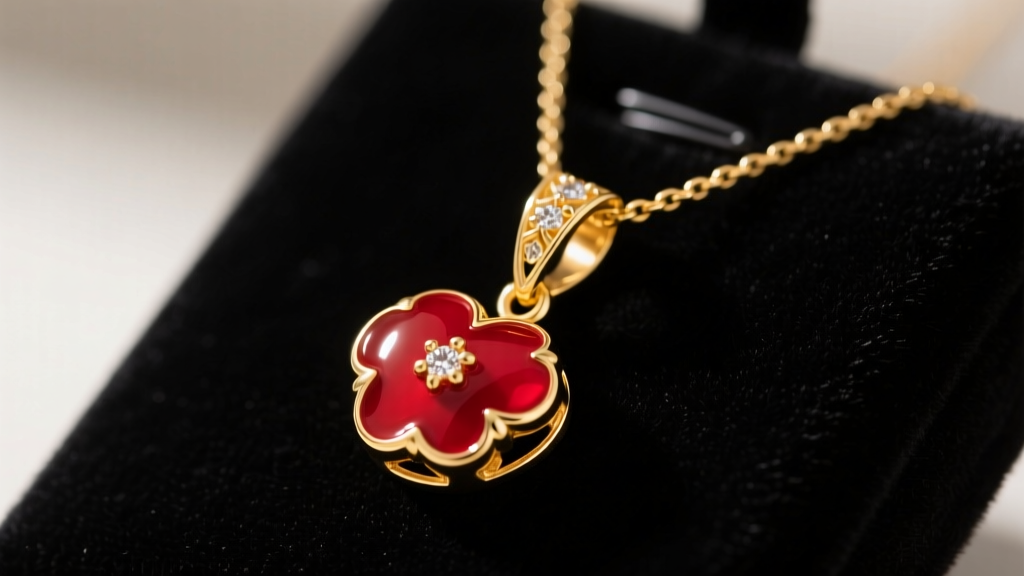
The Anatomy of a Cherry Pendant: Beyond the Motif
When evaluating a cherry necklace gold piece, the untrained eye sees only a playful, nostalgic motif. However, from a metallurgical and gemological standpoint, the cherry pendant is a complex intersection of alloy science, enamel adhesion, and structural engineering. As we navigate the jewelry market in 2026, the surge in demand for fruit-inspired fine jewelry has flooded the market with varying quality tiers. Understanding the exact material properties of both the gold chain and the cherry component is critical for ensuring your necklace survives daily wear without chipping, tarnishing, or snapping.
This guide deconstructs the material science behind cherry necklaces, providing actionable frameworks for buyers and collectors to assess quality, durability, and long-term value.
Decoding the Gold: Karats, Alloys, and Enamel Adhesion
The gold used in your necklace dictates not only its color and price but also its structural integrity and how well it holds decorative elements like enamel.
14k Gold: The Enameler's Standard
14k gold (58.5% pure gold) is the undisputed champion for enameled cherry pendants. The remaining 41.5% consists of alloy metals, typically copper and silver. From a materials science perspective, the higher copper content in 14k gold creates a superior chemical bond with vitreous enamel during the kiln-firing process (which reaches temperatures up to 1,400°F). The copper oxidizes slightly at the surface, allowing the molten glass to grip the metal lattice, drastically reducing the risk of the cherry's red enamel flaking off over time.
18k Gold: Luxury with Structural Caveats
18k gold (75% pure gold) offers a richer, warmer yellow hue and higher intrinsic value. However, its lower alloy content makes it softer. If a jeweler attempts to fire vitreous enamel onto a thin 18k gold cherry backing, the high heat can cause the metal to warp or sag. Therefore, 18k gold cherry necklaces are either cast with unusually thick backings or utilize cold enamel (epoxy resin) instead of kiln-fired glass. According to the FTC Jewelry Guides, any piece stamped 18k must strictly adhere to this 75% purity threshold, making it a reliable but softer choice for high-polish, gemstone-set cherries.
Gold Vermeil vs. Standard Plating
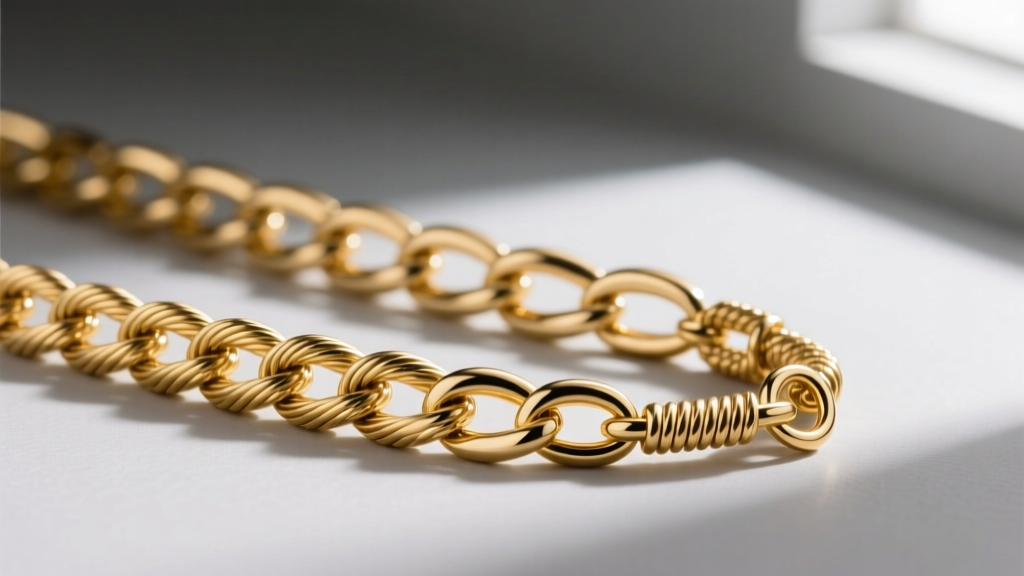
If solid gold is outside your budget, you will encounter plated options. It is vital to distinguish between standard gold plating and gold vermeil. Standard plating often involves a microscopic layer of gold (0.5 microns or less) electroplated over a brass or copper base. This leads to rapid galvanic corrosion, where the base metal reacts with skin acids, causing the gold to flake and the brass to turn your skin green.
Gold vermeil, conversely, requires a sterling silver base and a minimum gold thickness of 2.5 microns. While vermeil is vastly superior to standard plating, the cherry motif's deep crevices (like the stem indent) are high-friction areas where vermeil will eventually wear thin. For everyday wear, solid 10k or 14k gold remains the most cost-effective long-term investment.
The 'Cherry' Element: Enamel vs. Gemstones
The red fruit component of the pendant is where material divergence is most apparent. The choice between enamel and gemstones dictates the necklace's Mohs hardness, impact resistance, and care requirements.
| Material | Mohs Hardness | Durability & Failure Modes | Average Price Premium |
|---|---|---|---|
| Vitreous Enamel | 5.5 - 6.5 | Highly scratch-resistant but brittle. Shatters or chips if dropped on hard tile. | Base Price |
| Cold Enamel (Resin) | 2.0 - 3.0 | Impact resistant but scratches easily. Yellows over time with UV exposure. | -20% (Cheaper) |
| Carnelian | 6.5 - 7.0 | Excellent daily wear durability. Can fracture if struck directly on a cleavage plane. | +30% to +50% |
| Cherry Quartz (Synthetic) | 7.0 | Highly durable, but lacks the natural optical inclusions of genuine stone. | +10% |
Vitreous vs. Cold Enamel
Vitreous enamel is essentially powdered glass fused to metal. It possesses a brilliant, glassy luster that never fades. However, as noted by the GIA Gem Encyclopedia regarding glass and enamel substitutes, its brittleness is its Achilles' heel. Cold enamel, a two-part epoxy resin, is poured into the gold recesses and cured at room temperature. While it won't shatter when dropped, cold enamel is highly susceptible to micro-scratches from everyday dust (which contains quartz particles) and will lose its high-gloss finish within a year of daily wear.
Carnelian and Cherry Quartz
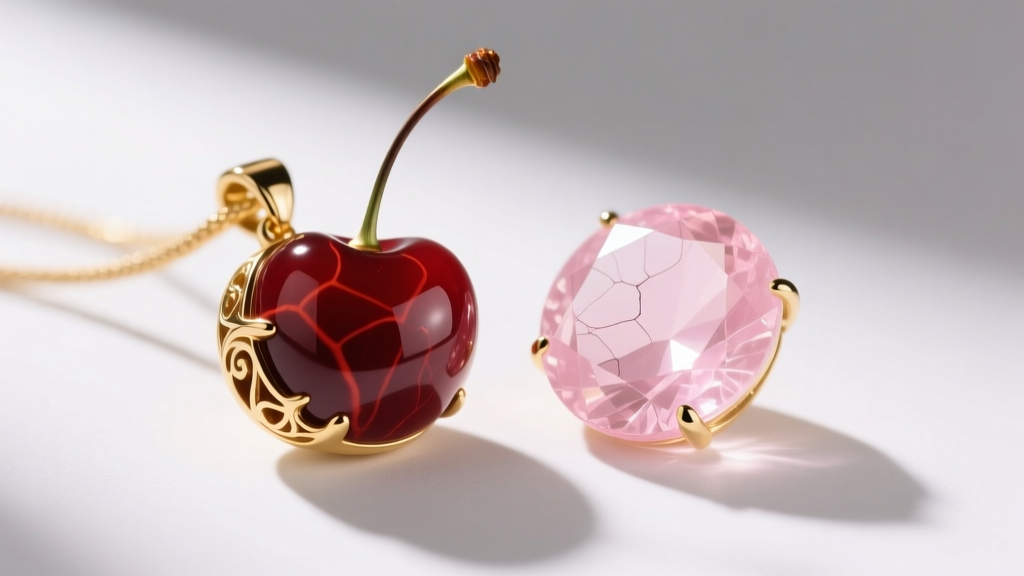
For buyers seeking a cherry necklace gold piece that can survive the shower, the gym, and accidental drops, carved carnelian is the superior choice. Carnelian is a reddish-orange variety of chalcedony quartz. Its cryptocrystalline structure means it lacks visible cleavage planes, making it incredibly tough against chipping. When carved into a 3D cherry shape, the natural banding of the carnelian gives the fruit a realistic, organic depth that flat enamel cannot replicate.
Chain Gauge and Clasp Mechanics
A solid gold cherry pendant, especially one featuring dense carnelian or a thick vitreous enamel backing, typically weighs between 2.5 and 5.0 grams. Pairing this weight with an inadequate chain is a primary cause of jewelry loss.
- Chain Gauge: Avoid chains thinner than 0.9mm. For a 3-gram pendant, a 1.1mm to 1.3mm cable, box, or rope chain provides the necessary tensile strength to prevent the links from pulling apart at the solder joints.
- Clasp Selection: Spring ring clasps are notorious for failing under the pendulum stress of a heavy charm. Always upgrade to a lobster clasp or a custom-machined box clasp with a secondary figure-8 safety catch.
- The Bail: Ensure the bail (the loop connecting the cherry to the chain) is fully soldered. A seamless, laser-welded bail prevents the chain from slowly sawing through the gold loop over years of friction.
Care and Maintenance Protocols
The material composition of your cherry necklace dictates its cleaning protocol. Ultrasonic cleaners are strictly prohibited for both vitreous enamel and carved carnelian. The high-frequency acoustic cavitation can cause micro-fractures in the enamel glass and shatter hidden inclusions in natural gemstones. Instead, use a solution of warm distilled water and a single drop of pH-neutral dish soap. Agitate gently with a baby-hair brush, focusing on the crevices around the cherry stem where sebum and cosmetic powders accumulate. Rinse with distilled water to prevent hard water spotting on the gold, and dry immediately with a microfiber cloth to maintain the alloy's high-polish finish.


