What Does a Choker Necklace Mean? A Value & Pricing Guide
Discover what a choker necklace means historically and how its cultural weight dictates modern pricing, material value, and investment potential.

When browsing estate sales, luxury boutiques, or fast-fashion racks, you might find yourself asking: what does a choker necklace mean? Beyond its physical definition—a necklace designed to sit snugly against the neck, typically measuring between 14 and 16 inches—the choker carries profound historical symbolism. More importantly for the modern buyer, that historical and cultural weight directly influences its market value, pricing tiers, and investment potential. Understanding the lineage of the choker is the first step in accurately assessing whether a piece is a mere trend-driven accessory or a lasting financial asset.
The Cultural Weight: What Does a Choker Necklace Mean?
To evaluate a choker's budget and value, we must first decode its origins. The choker has never been just a piece of jewelry; it has always been a marker of status, rebellion, or mourning. According to the Victoria and Albert Museum, tight-fitting necklaces have cycled through wildly different societal meanings over the centuries:
- The Tudor Era: Anne Boleyn famously wore a pearl choker with a dangling 'B' pendant, establishing the style as a symbol of royal defiance and high status.
- The Victorian Era: Chokers took on a dual meaning. Wealthy aristocrats wore diamond and velvet 'dog collars' (popularized by Queen Victoria and later Princess Alexandra to hide a neck scar), while simultaneously, black ribbon chokers became a somber staple of Victorian mourning attire, and occasionally, a covert identifier for sex workers in the late 19th century.
- The 1990s Subculture: The plastic 'tattoo' choker and velvet ribbons with silver charms became emblems of grunge, pop-punk rebellion, and youth counter-culture.
This rich tapestry of meaning means that when you purchase a choker today, you are often paying for a specific historical revival. The market prices these revivals very differently based on the materials used to replicate them.
How Historical Meaning Dictates Modern Market Value
The translation of historical meaning into modern pricing creates distinct budget tiers. A buyer looking for 90s nostalgia will operate in a completely different pricing bracket than a buyer seeking Victorian aristocratic elegance. Here is how the meaning you want to project impacts your budget assessment.
The Victorian Revival Tier (Velvet, Jet, and Cameos)
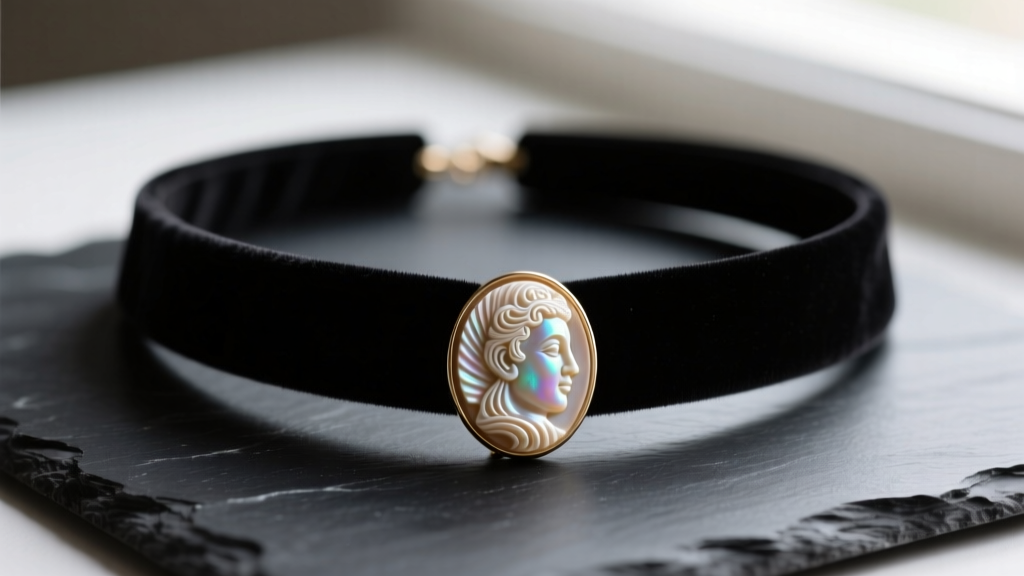
Chokers meant to evoke 19th-century romance or mourning often utilize black velvet, silk ribbons, and carved cameos. In the costume jewelry market, these are highly accessible, ranging from $25 to $85. However, if you seek authentic antique Victorian jet (fossilized wood) or genuine hand-carved shell cameos set in 15k or 18k gold, the budget shifts dramatically to $1,200 - $4,500+. The value here is tied to the scarcity of authentic 19th-century lapidary work.
The Roaring Twenties & Flapper Tier (Beaded & Pearl)
While long ropes of pearls define the 1920s, tight, multi-strand pearl chokers (often with Art Deco diamond plaques) represent the pinnacle of jazz-age luxury. A modern freshwater pearl multi-strand choker with sterling silver fittings will cost between $150 and $350. Upgrading to Akoya or South Sea pearls with solid 18k white gold and diamond pavé pushes the value into the $5,000 to $15,000 range, driven by the gemological rarity of perfectly matched, high-luster pearls.
The 90s Grunge & Pop-Culture Tier (Tattoo & Plastic)
The plastic stretch 'tattoo' choker is the ultimate low-budget statement piece. Originally sold in mall kiosks for $5, vintage deadstock 90s chokers now sell for $15 to $40 on resale apps due to Y2K nostalgia. From a pure material value perspective, these are virtually worthless; you are paying entirely for the cultural cachet and the irony of the aesthetic.
Budget Assessment: Material Grades vs. Price Points
If you are buying a modern metal chain choker (the most versatile and popular style for everyday wear), you must look past the design and scrutinize the metallurgy. The Gemological Institute of America (GIA) emphasizes that understanding metal purity and plating thickness is the only way to accurately assess jewelry value. Below is a matrix to help you budget accordingly for a standard 15-inch metal choker.
| Material Grade | Expected Price Range | Plating / Purity Specs | Longevity & Failure Modes | Resale Value |
|---|---|---|---|---|
| Base Metal (Brass/Zinc) | $15 - $45 | Flash plated (0.1 microns) | Tarnishes in 3-6 months; skin discoloration common. | $0 |
| Gold Vermeil | $85 - $180 | Sterling base, 2.5 microns 14k/18k gold | Lasts 1-3 years with care; can be re-plated. | 10-20% of retail |
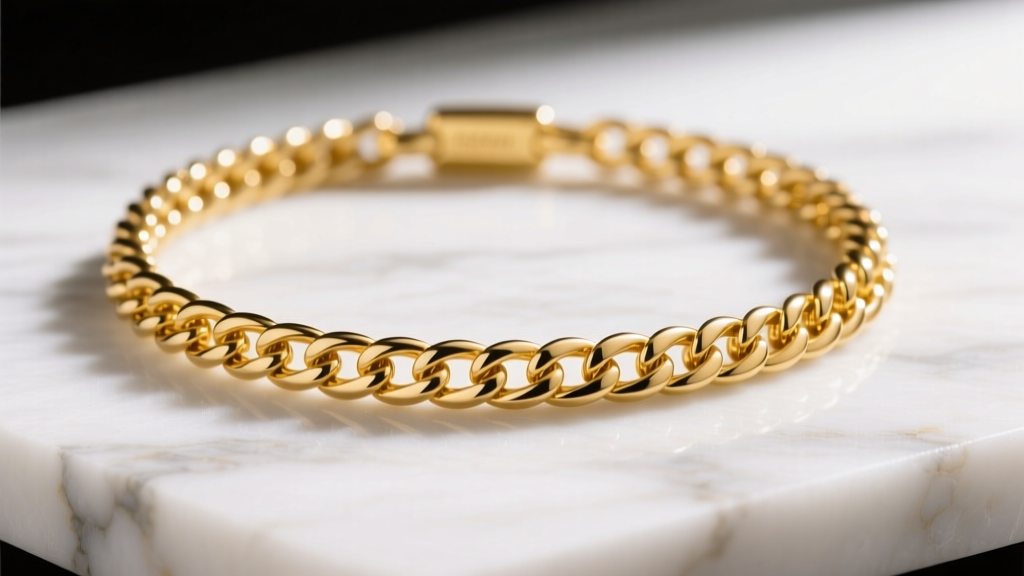
| Solid 10k / 14k Gold | $350 - $900 | 41.7% to 58.3% pure gold alloy | Lifetime durability; will not tarnish or rub off. | Scrap value + 20% |
| Solid 18k Gold / Platinum | $1,200 - $3,500+ | 75% pure gold or 95% platinum | Heirloom grade; heavy gram weight required for chokers. | High retention |
Investment Value: Which Chokers Hold Resale Value?
Not all chokers are created equal in the secondary market. If your budget allows for fine jewelry and you view your purchase as a store of value, you must consider brand retention and material permanence.
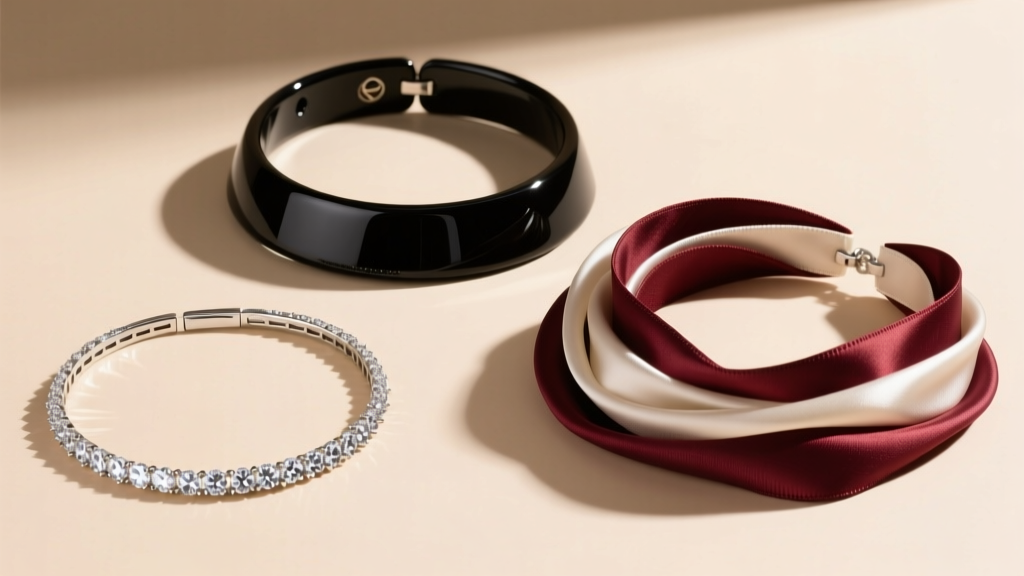
The Diamond Tennis Choker: A staple of red-carpet luxury. A 14-inch diamond tennis choker requires a massive amount of calibrated stones (often 10 to 15 carats total weight). Because the labor to set these stones is immense, the retail markup is steep (often 300% to 500% over wholesale). While the intrinsic value of the diamonds and platinum is high, you will lose the retail premium upon resale unless the piece is signed by a heritage house like Cartier or Tiffany & Co.
The Designer Motif Choker: Pieces like the Vivienne Westwood Pearl Orb choker or the Chrome Hearts dagger choker hold immense resale value, not because of their raw material weight, but due to brand scarcity and cultural relevance. A well-maintained Vivienne Westwood pearl choker can retain 70% to 90% of its retail price on the secondary market, making it a surprisingly sound budget allocation for fashion-forward buyers.
The Buyer’s Framework: Assessing True Value Before Purchasing
To ensure you are getting true value for your budget, run any potential choker purchase through this practical troubleshooting framework. Chokers sit at the base of the throat, an area of high friction, movement, and perspiration. This makes structural integrity just as important as material purity.
1. Evaluate the Chain Link Structure
The Herringbone Trap: Herringbone and snake chains look incredibly sleek and luxurious lying flat against the collarbone. However, they are notorious for kinking. Once a herringbone chain kinks, the structural integrity is compromised, and it cannot be perfectly repaired. If you are spending $800 on a solid 14k gold choker for daily wear, avoid herringbone. Opt instead for a rope, box, or wheat chain, which offer superior tensile strength and resist kinking from the constant bending of your neck.
2. Inspect the Clasp Hardware
The clasp is the most common failure point on a snug-fitting necklace.
Budget Tier ($50-$150): Spring ring clasps are standard but difficult to operate on a 14-inch chain without a mirror.
Mid-Tier ($150-$500): Look for a sturdy lobster clasp with a soldered jump ring (meaning the ring connecting the clasp to the chain has no gap, preventing the chain from slipping off).
Fine Tier ($1,000+): Demand a hidden box clasp with a figure-8 safety latch. This provides a seamless look and double security, which is non-negotiable for diamond or heavy gold chokers.
3. Check the Interior Finish
Because a choker rests directly against the sensitive skin of the neck, the interior finish dictates wearability. Run your fingernail along the inside of the links. If you feel snagging, sharp seams, or porous casting marks, the piece is of low manufacturing value, regardless of the metal stamp. High-value chokers are diamond-cut or polished on all sides to ensure a frictionless glide against the skin.
The Verdict on Value: When asking what a choker necklace means, the answer is ultimately defined by what you demand from it. If you seek cultural signaling and trend participation, allocate $30 to $150 for vermeil or costume revivals. If you seek an enduring, heirloom-grade asset that carries the weight of historical elegance, bypass the plated trends and invest a minimum of $600 into a structurally sound, solid 14k gold or platinum piece with a soldered, secure clasp.


