How to Choose a Big Sister Little Sister Necklace Set
Learn how to choose a big sister little sister necklace set with our expert guide on hypoallergenic metals, safe clasps, and proper chain sizing.

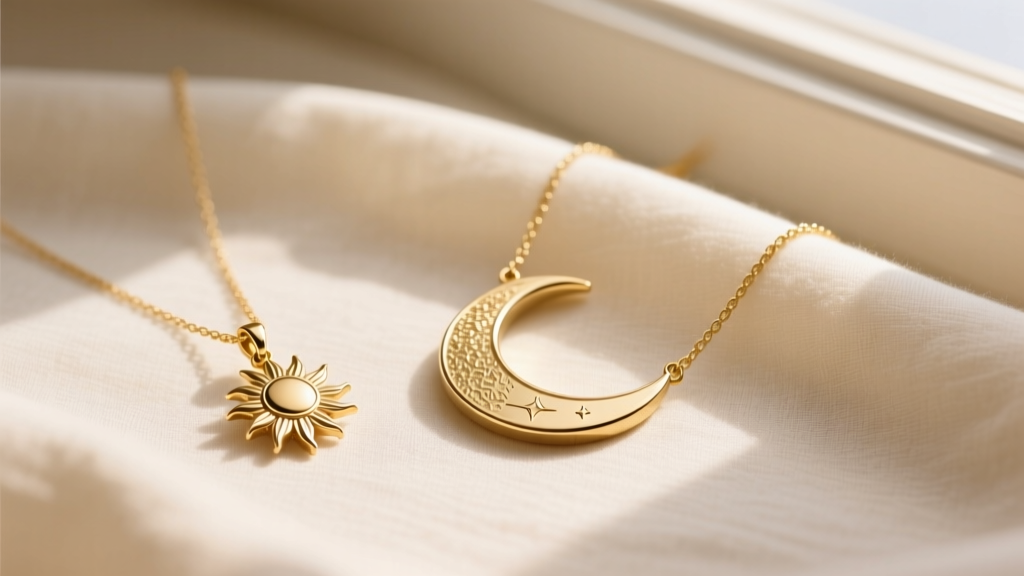
Gifting a matching jewelry set is a profound way to celebrate the bond between siblings. However, selecting the perfect big sister little sister necklace requires far more than picking a cute pendant design. Children and teenagers have vastly different skin sensitivities, activity levels, and anatomical proportions. A necklace that is safe and durable for a teenager might pose a choking hazard or cause contact dermatitis for a toddler. In this comprehensive guide, we break down the metallurgical, structural, and sizing specifications you need to make an informed, lasting purchase in 2026.
The Anatomy of a Safe and Lasting Sisterhood Set
The foundation of any children's or teen's jewelry is the base metal. The wrong alloy can lead to severe allergic reactions, rapid tarnishing, and structural failure. When sourcing a big sister little sister necklace, you must prioritize hypoallergenic properties and tensile strength.
Metal Grades and Allergy Protocols
Nickel allergy is one of the most common causes of contact dermatitis in children. According to the American Academy of Dermatology, prolonged exposure to nickel-releasing alloys can cause chronic skin sensitization. Therefore, avoiding cheap base metals plated with micro-layers of gold or silver is non-negotiable.
- ASTM F136 Titanium: The gold standard for highly sensitive skin. This implant-grade titanium contains zero nickel and is completely inert. It is lightweight, making it ideal for toddlers who might otherwise pull at heavier chains.
- 14k Solid Gold: An excellent balance of durability and hypoallergenic properties. Ensure it is alloyed with silver or copper, not nickel. As noted by the Gemological Institute of America (GIA), 14k gold provides the necessary hardness to resist scratching while maintaining skin safety.
- 925 Sterling Silver: A classic choice, but it contains 7.5% copper, which can oxidize and cause the skin to turn green when exposed to sweat. Always opt for rhodium-plated sterling silver to create an inert barrier against the skin.
- 316L Surgical Steel: Contains trace amounts of nickel, but the chromium oxide layer typically traps it. Safe for most older children, but not recommended for toddlers with known metal sensitivities.
| Material | Nickel Content | Tarnish Resistance | Ideal Age Group | Price Range |
|---|---|---|---|---|
| ASTM F136 Titanium | None | Excellent | Toddlers & Kids | $45 - $90 |
| 14k Solid Gold | None (usually) | Excellent | All Ages | $120 - $350+ |
| Rhodium-Plated 925 | None | High (until worn) | Older Kids & Teens | $40 - $110 |
| 316L Surgical Steel | Trace | High | Teens | $20 - $50 |
Step-by-Step Sizing: Chains and Pendants
A common mistake buyers make is ordering identical chain lengths for both siblings. A big sister little sister necklace set must be proportionally scaled to fit different neck circumferences and chest depths comfortably.
Age-Based Length Matrix
For the younger sibling (ages 3-8), a 12-inch to 14-inch chain with a mandatory 2-inch extender is required. The extender is crucial for accommodating growth spurts and allowing the necklace to be worn over winter clothing. For the older sibling (ages 9+), a 16-inch to 18-inch chain is standard, resting comfortably at the collarbone.

Chain Link Architecture
The style of chain link dictates both the necklace's durability and its comfort. According to manufacturing guidelines from Rio Grande, different weaves offer vastly different tensile strengths.
- Wheat Chains: Woven from four strands of oval links, wheat chains are virtually kink-proof and possess exceptional tensile strength. They do not catch on fine hair, making them the absolute best choice for the little sister's necklace.
- Soldered Cable Chains: Classic and lightweight. Ensure every individual jump ring is soldered shut. Unsoldered links will easily pull apart if a child tugs on the pendant.
- Box Chains: Avoid these for children. The geometric square links are notorious for kinking and pulling out fine hair when bent at sharp angles.
Customization: Engraving Techniques That Won't Fade
Personalization elevates a simple pendant into a cherished heirloom. However, the method used to etch names, dates, or fingerprints into the metal determines how long the design will survive daily wear and tear.
Laser vs. Rotary Engraving
Traditional rotary engraving (diamond drag) uses a physical bit to scratch the surface of the metal. This method is shallow, and the grooves can easily fill with dirt, lotion, and dead skin cells, making the text illegible over time. Furthermore, the physical pressure can warp thin pendants.
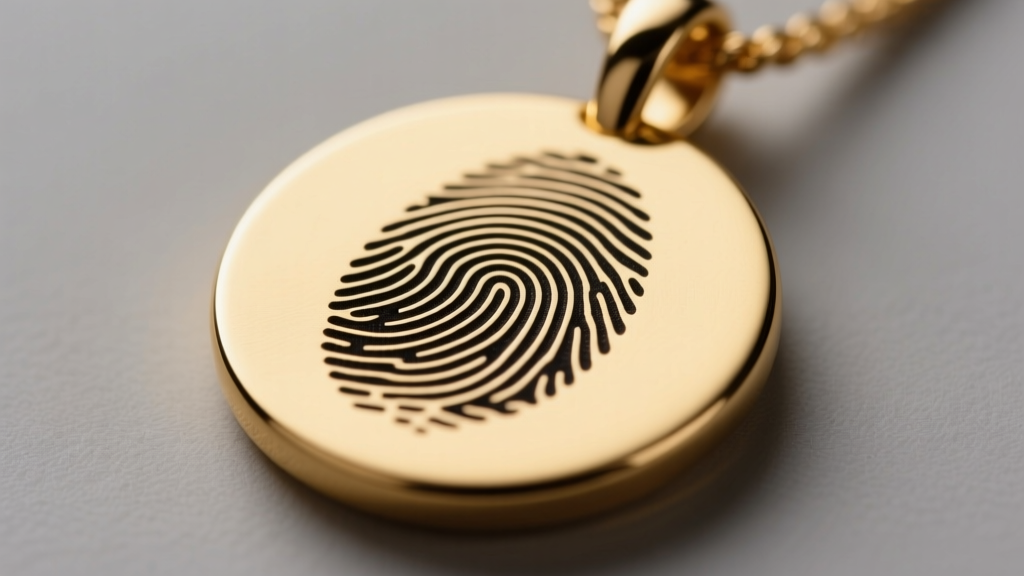
For a big sister little sister necklace, always demand fiber laser engraving. Fiber lasers use concentrated light to vaporize the metal at a microscopic level, creating deep, high-contrast grooves without applying physical stress to the piece. The resulting engraving is permanent, highly detailed (capable of capturing the micro-ridges of a fingerprint), and will not fade, even with daily showering and swimming.
Clasp Selection and Safety Mechanics
The clasp is the most frequent point of failure on any necklace. For children, it also represents a critical safety variable. You must balance security with the need for the chain to release under extreme duress to prevent choking.
Expert Safety Tip: Never use magnetic clasps for children under the age of 8. If the magnets detach, they pose a severe ingestion hazard. Additionally, ensure the jump ring connecting the pendant to the chain is fully soldered. An open jump ring can easily snag on playground equipment or clothing, creating a dangerous tether.
For the little sister, a standard spring ring clasp is often preferred because its smooth, circular profile is less likely to scratch the child's neck or catch in their hair. For the big sister, a lobster clasp offers superior security and is easier for older children to manipulate with their own fingers.
Troubleshooting Common Necklace Issues
Even high-quality jewelry requires occasional maintenance. Here is how to troubleshoot the most common issues associated with sibling necklace sets:
- Problem: The chain keeps kinking and twisting.
Solution: You likely purchased a box or snake chain. Switch to a wheat or rolo chain, which naturally drape without holding memory bends. - Problem: The skin beneath the pendant is turning green.
Solution: This is a galvanic reaction between the copper in sterling silver and the wearer's sweat. Clean the area with rubbing alcohol and switch to a rhodium-plated or solid gold alternative. - Problem: The clasp is stiff and won't snap shut.
Solution: Soap scum and lotion have gummed up the internal spring mechanism. Soak the clasp in warm water with a drop of dish soap, gently work the lever back and forth, and dry thoroughly.
Final Thoughts on Care and Maintenance
To ensure the big sister little sister necklace set survives the chaos of childhood, establish a simple care routine. Avoid ultrasonic cleaners for children's jewelry, as the high-frequency vibrations can loosen the settings on small gemstone accents. Instead, use a soft-bristled baby toothbrush and mild, phosphate-free dish soap to gently scrub the chain links and pendant bail once a month. By prioritizing implant-grade metals, secure chain weaves, and laser engraving, you are not just buying a piece of jewelry; you are engineering a durable symbol of sisterhood that will easily last well into their adult years.


