How to Choose and Layer a Simple Gold Heart Necklace
Master the art of styling a simple gold heart necklace. Learn step-by-step layering techniques, gold karat differences, and chain selection tips.


The simple gold heart necklace has transcended fleeting trends to become a permanent fixture in modern jewelry wardrobes. As we navigate the style landscape of 2026, the industry's pivot toward 'quiet luxury' and intentional minimalism has cemented this piece as an essential anchor. However, owning one is only half the equation. Knowing how to select the right metallurgy, match the chain gauge, and execute a flawless layered stack requires a strategic approach.
This step-by-step guide will walk you through the exact specifications, layering mathematics, and maintenance routines needed to elevate your everyday styling.
Step 1: Decoding Gold Karats for Daily Wear
Not all gold is created equal. When investing in a simple gold heart necklace meant for daily wear, understanding the Vickers hardness scale and alloy composition is critical. Pure gold (24k) is far too malleable for a delicate pendant chain; it will stretch and warp under the weight of even a lightweight heart charm.
- 10k Gold (41.7% pure): The most durable and affordable option. It has a Vickers hardness of roughly 135, making it highly resistant to scratching. However, it contains higher levels of copper and zinc, which can cause skin discoloration for those with metal sensitivities.
- 14k Gold (58.5% pure): The industry standard for fine everyday jewelry. With a hardness of about 125, it offers the perfect equilibrium between durability and that warm, classic yellow hue. It is highly recommended for the chain of a daily-wear heart pendant.
- 18k Gold (75% pure): Prized for its rich, buttery yellow color and hypoallergenic properties. It is softer (hardness around 90-110) and more prone to micro-scratches, making it better suited for special occasion wear rather than rigorous daily use.
According to the Gemological Institute of America (GIA), the alloy metals mixed with gold not only dictate durability but also the final color. If you prefer a cooler tone, ensure your 14k or 18k piece is alloyed with higher silver or palladium content, often marketed as 'white gold' or 'champagne gold'.
Step 2: Selecting the Chain Gauge and Style
The chain is the unsung hero of any pendant necklace. A chain that is too thick will overpower a simple heart motif, while one that is too thin will snap under minimal tension. For a standard 10mm to 15mm heart pendant, the optimal chain width sits precisely between 0.9mm and 1.2mm.
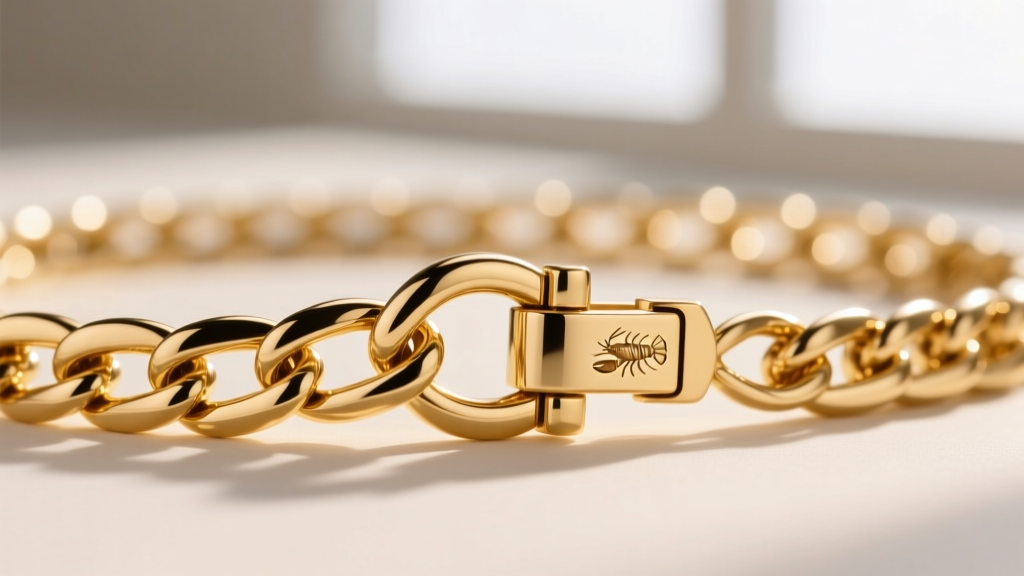
Chain Weave Comparison
| Chain Style | Durability | Light Reflection | Best For |
|---|---|---|---|
| Cable Chain | Moderate | Low | Classic, understated looks; lightweight pendants. |
| Box Chain | High | High | Everyday wear; resists kinking and supports medium pendants. |
| Snake Chain | Low | Very High | Special occasions; prone to permanent kinking if bent. |
| Rope Chain | Very High | High | Statement layering; can catch on fine body hair or fabrics. |
Pro Tip: Always opt for a solid lobster clasp rather than a spring ring. Spring rings are notorious for failing on thin chains, and a secure 5mm or 6mm lobster clasp ensures your simple gold heart necklace remains safely around your neck.
Step 3: The Mathematics of Layering
Layering a simple gold heart necklace requires spatial awareness to prevent tangling and ensure each piece is visible. The golden rule of necklace stacking is the 2-inch to 4-inch drop rule. This means each subsequent chain should be at least two inches longer than the one above it.

A Step-by-Step Layering Formula
- The Anchor (14-15 inches): Start with a minimalist choker or a tiny bezel-set diamond solitaire. This sits high on the collarbone and frames the face.
- The Bridge (16-17 inches): Add a textured chain, such as a 1.5mm paperclip or herringbone chain. This provides visual weight and contrasts with the delicate heart chain.
- The Focal Point (18-20 inches): This is where your simple gold heart necklace belongs. Allowing it to rest at the 18-inch mark places the pendant perfectly in the center of the chest, creating a visually pleasing 'V' shape that elongates the neck.
"When layering mixed metals, keep the gold heart pendant as your primary focal point and use silver or platinum chains as secondary, supporting textures to maintain a cohesive hierarchy." — Senior Stylist at Jewel Style Radar
Step 4: Neckline Pairing Framework
A simple gold heart necklace is incredibly versatile, but adjusting the chain length based on your neckline will dramatically improve your overall silhouette. Use this quick-reference guide to match your jewelry to your wardrobe:
- V-Neck & Wrap Dresses: Opt for an 18-inch chain. The heart pendant should sit exactly one inch above the apex of the V-neckline to mirror the garment's geometry.
- Crew Neck & T-Shirts: Choose a shorter 15-inch or 16-inch chain so the heart rests visibly above the fabric line, or go bold with a 22-inch chain that lays entirely over the fabric.
- Off-the-Shoulder & Boat Neck: A 14-inch choker length or a 16-inch princess length works best, keeping the jewelry within the exposed skin zone without competing with the horizontal hemline.
- Button-Down Shirts: Wear the heart necklace at 18 inches, tucked slightly beneath the unbuttoned collar for an effortless, 'undone' aesthetic.
Step 5: Maintenance and Troubleshooting
Even the highest quality 14k gold requires proper maintenance to retain its luster and structural integrity. According to Jewelers of America, everyday exposure to lotions, perfumes, and natural skin oils can create a dulling film over gold alloys.
How to Clean Your Necklace Safely
Avoid ultrasonic cleaners for delicate chains, as the high-frequency vibrations can weaken laser-welded jump rings connecting the heart pendant. Instead, follow this manual cleaning protocol:
- Mix a few drops of mild, phosphate-free dish soap into a bowl of lukewarm water.
- Submerge the necklace for 5 to 10 minutes to loosen oils.
- Gently brush the chain and the crevices of the heart pendant using an extra-soft baby toothbrush.
- Rinse thoroughly under lukewarm running water (always over a closed drain!).
- Pat dry with a lint-free microfiber cloth. Never use paper towels, as the wood pulp fibers can cause micro-scratches on high-polish gold.
Troubleshooting Common Issues
The clasp keeps sliding to the front: This happens when the chain is too light for the pendant, or the clasp is too heavy. Have a jeweler add a tiny 2mm gold counterweight bead near the clasp to balance the center of gravity.
The heart pendant keeps flipping upside down: Check the bail (the loop connecting the heart to the chain). If the bail is too wide for the chain, the pendant will slide and flip. A jeweler can easily solder a smaller jump ring inside the bail to restrict movement and keep the heart perfectly upright.
By understanding the precise metallurgy, mastering the geometry of layering, and committing to proper care, your simple gold heart necklace will remain a flawless, enduring staple in your collection for decades to come.


