Bottle Cap Necklaces: Budget & Value Assessment Guide
Discover how to evaluate bottle cap necklaces. We break down resin types, chain metals, and pricing tiers to help you spot true artisan value.

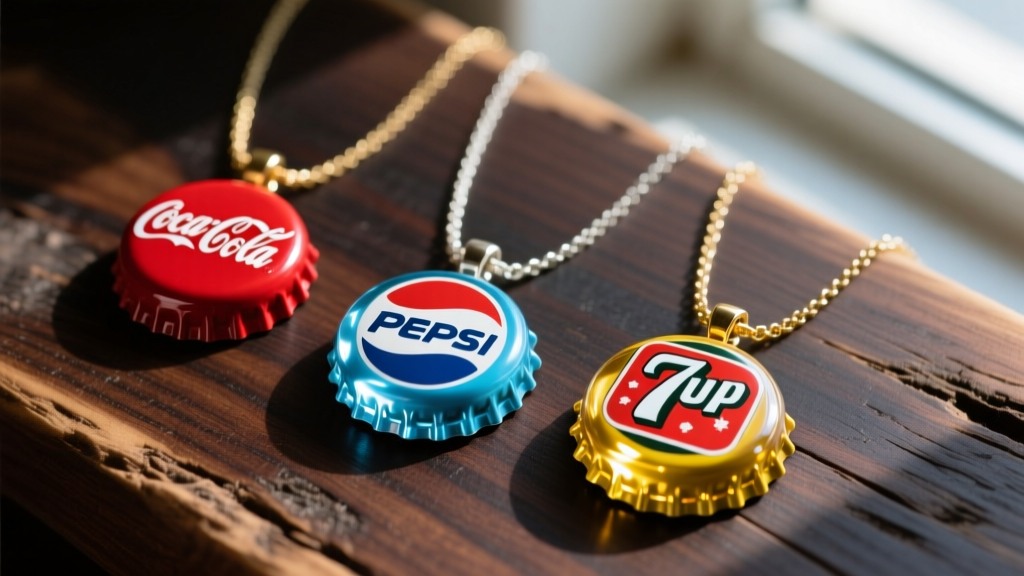
The True Cost of Upcycled Jewelry: Are Bottle Cap Necklaces Worth It?
The market for upcycled accessories has exploded, with bottle cap necklaces sitting at the intersection of nostalgic Americana and sustainable fashion. According to the Ellen MacArthur Foundation, circular fashion practices like upcycling are vital for reducing jewelry waste. However, the retail landscape is highly polarized. You can find mass-produced, dropshipped bottle cap pendants for $3 on e-commerce megastores, while independent artisans charge upwards of $85 for seemingly similar pieces. How do you assess the true value? The secret lies in understanding the hidden material costs, the chemistry of resin curing, and the metallurgy of the hardware.
This guide strips away the aesthetic appeal to evaluate bottle cap necklaces strictly through a budget and value assessment lens. Whether you are a collector of vintage breweriana or a buyer looking for a durable, everyday pendant, knowing what you are actually paying for is the difference between buying a temporary trinket and a lasting accessory.
Material Breakdown: The Resin vs. Glass Debate
The most critical value driver in a bottle cap necklace is the material used to seal and dome the insert. This single choice dictates the pendant's lifespan, weight, and resistance to environmental damage.
1. UV Resin (The Budget Trap)
Mass-market bottle cap necklaces almost exclusively use UV-curing resin because it requires zero mixing and cures in minutes under a UV lamp. While cost-effective for the maker (pennies per pour), UV resin contains photoinitiators that degrade under prolonged sunlight exposure. Within 6 to 12 months of daily wear, UV resin will inevitably yellow, turning a vibrant vintage Coca-Cola logo into a muddy, amber-toned mess. Furthermore, UV resin shrinks slightly during curing, often pulling away from the interior rim of the cap and creating a gap where moisture can seep in.
2. Two-Part Epoxy Resin (The Artisan Standard)
High-value pieces utilize jeweler's grade, two-part epoxy resin. Epoxy requires precise volumetric mixing and a 24-to-72-hour cure time in a dust-free environment. When mixed correctly, it creates a deep, glass-like dome that is highly resistant to yellowing and physical impact. However, if the artisan fails to account for ambient humidity during mixing, the epoxy can develop 'amine blush'—a cloudy, waxy film on the surface that ruins the optical clarity. When shopping, inspect the dome under direct light; true epoxy should be flawlessly clear.
3. Glass Cabochons (The Premium Tier)
The highest tier of bottle cap jewelry abandons liquid resin entirely in favor of pre-formed glass domes (cabochons) adhered with specialized UV-blocking adhesives. Glass will never yellow, scratch easily, or degrade. The trade-off is weight; a glass dome adds significant heft to the pendant, requiring a heavier, more robust chain.
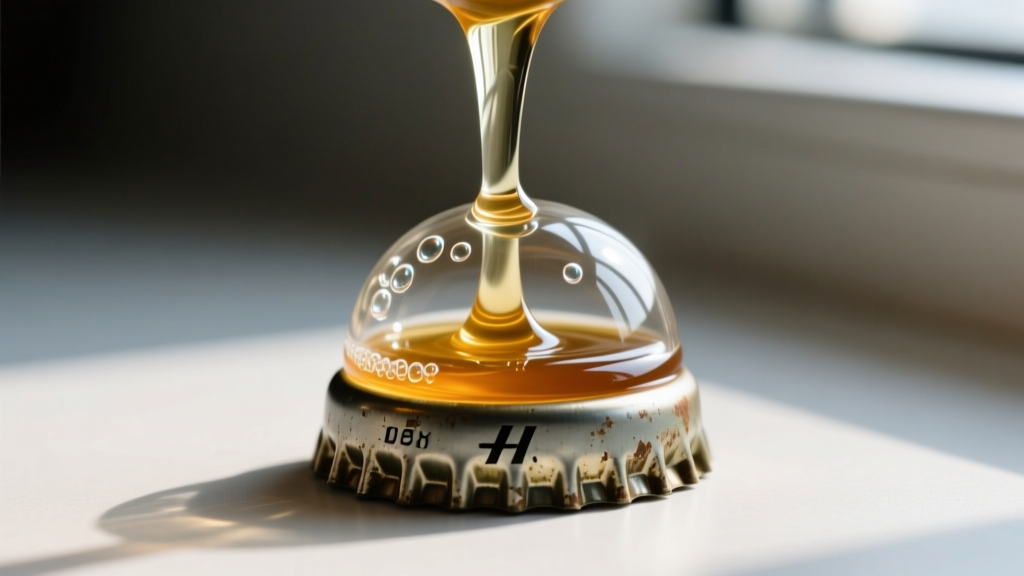
Value Matrix: Sealing Materials Compared
| Material | Retail Price Impact | Expected Lifespan | Primary Failure Mode |
|---|---|---|---|
| UV Resin | Low ($5 - $15) | 6 - 18 Months | Severe UV yellowing, edge shrinkage |
| Two-Part Epoxy | Medium ($20 - $45) | 3 - 5+ Years | Amine blush (cloudiness) if poorly mixed |
| Glass Cabochon | High ($50 - $100+) | Lifetime | Adhesive failure, glass chipping on impact |
The Hidden Value Killer: Chain Hardware & Metallurgy
A common mistake buyers make is evaluating the bottle cap pendant while ignoring the chain. According to jewelry supply experts at Rio Grande, the hardware is often the first point of mechanical failure. A $40 artisan pendant hung on a $2 zinc-alloy chain is a poor investment.
Base Metals vs. Surgical Steel vs. Sterling Silver
- Zinc Alloy / 'Tibetan Silver' (Budget): These chains are plated over a reactive core. The plating will wear off within weeks of contact with skin oils and sweat, leaving a green or black residue on your neck. The jump rings connecting the clasp are usually thin (under 0.8mm gauge) and will easily pull apart, resulting in a lost pendant.
- 316L Stainless Steel (Mid-Range Value): The sweet spot for durability and budget. 316L surgical steel is hypoallergenic, highly resistant to tarnish, and incredibly strong. Look for chains in the 1.2mm to 1.5mm thickness range (approx. 16 to 18 gauge) with welded jump rings. This is the hallmark of a maker who cares about the longevity of their piece.
- 925 Sterling Silver / 14k Gold-Filled (Premium): Reserved for rare vintage caps or high-end custom commissions. Sterling silver requires occasional polishing but holds intrinsic metal value. Ensure the clasp is stamped '.925' and that the jump ring is soldered shut.
Craftsmanship Details: Spotting the Difference
When assessing a bottle cap necklace in person or via high-resolution photos online, look for these specific indicators of high-value craftsmanship:
1. Paper Insert Sealing
If the cap features a printed paper logo, the paper must be sealed with a PVA-based decoupage medium or clear enamel spray before the resin is poured. Resin solvents will bleed ink on unsealed paper, causing the image to blur and stain the resin dome. A sharp, crisp image with no color bleeding into the edges of the resin indicates a meticulous, multi-step crafting process.
2. Edge Rust Stabilization
Vintage bottle caps (especially those from the 1950s to 1980s) often have micro-rust along the crimped edges. A high-value artisan will clean the cap, treat the rust with a tannic acid converter, and seal the raw metal edges with a waterproof enamel. If you see dark, creeping stains at the edge of the resin dome, the maker skipped this crucial step, and moisture is actively degrading the metal from the inside out.
3. Backing Finishes
Flip the pendant over. Budget makers leave the raw, jagged interior of the bottle cap exposed, which can snag on delicate fabrics or scratch the wearer's chest. Premium makers will either pour a thin layer of opaque black resin to encapsulate the interior, glue a piece of felt or leather to the back, or use a specialized metal backing plate. This adds time and material cost but drastically improves the wearability and perceived value of the necklace.
2026 Pricing Framework: What Should You Pay?
Use this framework to determine if a seller's asking price aligns with the actual materials and labor involved.
The Maker's Dilemma: 'Sourcing authentic, pre-1970s regional brewery caps takes hours of digging through antique malls. When a customer asks why my piece is $60 and the one on the app is $8, I have to explain that my cap is a stabilized piece of history, not a stamped replica from an overseas factory.' — Independent Upcycled Jewelry Artisan
- The Novelty Tier ($5 - $18): Expect mass-produced, modern replica caps, UV resin, unsealed paper inserts, and zinc-alloy chains. Buy these as temporary party favors or gifts for young children, but do not expect them to survive a summer of daily wear.
- The Artisan Tier ($25 - $55): This is where true value lives. You are paying for genuine vintage or high-quality imported caps, properly sealed inserts, bubble-free epoxy resin, and durable 316L stainless steel hardware. These pieces are built for daily adult wear and will last for years.
- The Collector Tier ($65 - $150+): Reserved for rare, highly sought-after caps (e.g., defunct local breweries, pre-WWII soda brands). These feature glass cabochon domes, sterling silver or gold-filled chains, soldered jump rings, and often include custom engraving or a certificate of authenticity regarding the cap's origin.
Final Verdict: Maximizing Your Upcycled Jewelry Budget
Bottle cap necklaces are a fantastic way to wear a piece of history and support sustainable fashion practices. However, the 'budget' option is almost always a false economy. By spending just $15 to $20 more to upgrade from a dropshipped UV-resin pendant to an artisan-crafted, epoxy-sealed piece with a stainless steel chain, you increase the lifespan of the jewelry by a factor of five. When evaluating your next purchase, look past the nostalgic graphic and scrutinize the dome clarity, the chain gauge, and the backing finish. True value in upcycled jewelry isn't just about what was saved from the landfill; it's about the craftsmanship that ensures it stays out of the landfill for decades to come. For more insights on jewelry hardware and chain gauges, consult the educational resources at Fire Mountain Gems.


