How to Choose and Layer a St. Christopher Necklace
Learn how to select, style, and care for a St. Christopher necklace. Discover material grades, chain lengths, and expert layering tips.

The Enduring Appeal of Traveler Jewelry
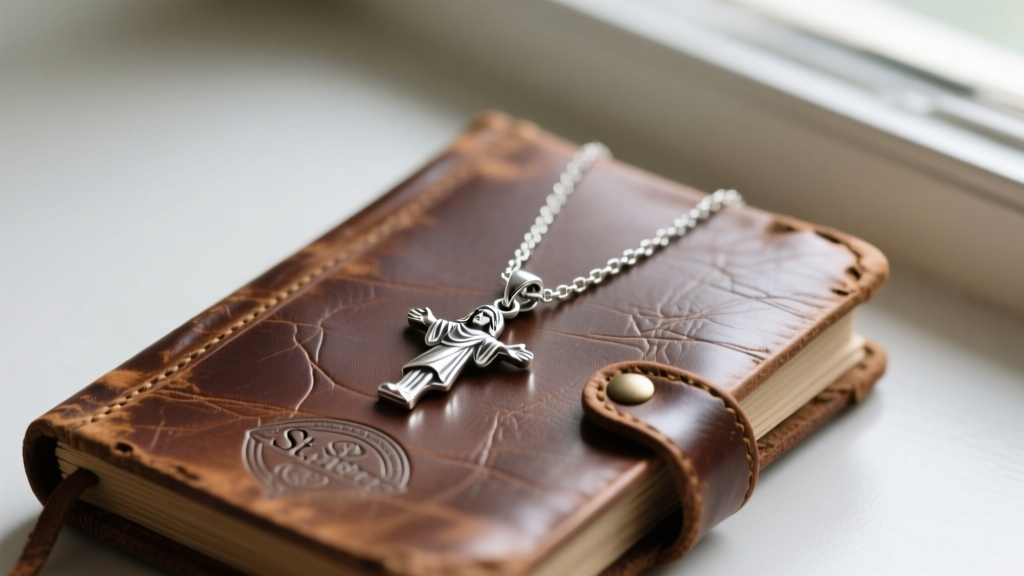
For decades, the St. Christopher necklace has served as both a meaningful talisman and a versatile staple in everyday jewelry wardrobes. Traditionally worn for protection during travel, this iconic pendant has transcended its religious roots to become a mainstream fashion essential. Whether you are embarking on a cross-country road trip or simply navigating your daily commute, choosing the right St. Christopher pendant requires an understanding of metal grades, chain mechanics, and modern styling techniques. This comprehensive guide will walk you through the exact steps to select, layer, and maintain your necklace for lifelong wear.
Step 1: Selecting the Right Metal and Material Grade
The foundation of any durable pendant lies in its metallurgy. Because a St. Christopher necklace is often worn daily and exposed to the elements, sweat, and friction, selecting the appropriate metal grade is critical. According to the Gemological Institute of America (GIA), understanding the difference between pure metals and alloys is essential for preventing premature wear and skin irritation.
| Material | Grade/Stamp | Tarnish Resistance | Best Use Case |
|---|---|---|---|
| Sterling Silver | 925 | Moderate (Requires polishing) | Everyday casual wear |
| Yellow/White Gold | 14k (585) or 18k (750) | High | Heirloom pieces, sensitive skin |
| Surgical Steel | 316L | Very High | Active lifestyles, water exposure |
| Vermeil | 925 base + 2.5μm gold | Low (Wears over time) | Occasional wear, trend stacking |
If you opt for sterling silver, look for pieces that feature a rhodium plating. This microscopic layer (typically 0.05 to 0.5 microns thick) acts as a barrier against sulfur in the air, significantly delaying the oxidation process that causes silver to turn black. For those who never take their jewelry off in the shower or ocean, 316L surgical stainless steel or solid 14k gold are the only viable options to prevent structural degradation.
Step 2: Choosing the Ideal Chain Length and Thickness
The pendant itself is only half the equation; the chain dictates how the piece sits on your body and how it interacts with your wardrobe. The most common mistake buyers make is ignoring the bail size—the loop at the top of the pendant through which the chain threads.
Matching Chain Width to Bail Dimensions
A standard St. Christopher pendant features a bail with an inner diameter of roughly 4mm to 6mm. Therefore, your chain must have a maximum width of 3.5mm to glide smoothly without catching.
- 1.2mm - 1.5mm Cable Chain: Ideal for lightweight, minimalist pendants (under 15mm in diameter). Offers a delicate, barely-there look.
- 2.0mm - 2.5mm Rope or Box Chain: The sweet spot for medium-sized pendants (18mm - 22mm). Box chains are highly recommended for their structural integrity; their interlocking square links resist kinking and snapping better than standard cable links.
- 3.0mm+ Curb Chain: Best reserved for heavy, oversized vintage-style medallions (25mm+). Ensure the bail is adequately soldered to support the weight.
Determining the Perfect Length
For a classic, standalone look, an 18-inch chain places the pendant right at the collarbone, making it visible above most crewneck t-shirts. If you plan to wear the necklace over sweaters or button-down shirts, a 20-inch or 22-inch chain ensures the medallion rests prominently on the chest.
Step 3: How to Layer Your St. Christopher Necklace
Layering is where the St. Christopher necklace truly shines in contemporary styling. The secret to a professional-looking stack is adhering to the "Two-Inch Rule," which ensures each piece has enough breathing room to prevent tangling and visual clutter.
The Two-Inch Rule: When stacking necklaces, maintain a minimum two-inch difference in length between each chain. For example, pair a 16-inch choker with an 18-inch St. Christopher pendant and a 20-inch longer drop necklace.
Proven Layering Formulas
- The Traveler Stack: 16-inch minimalist bar necklace + 18-inch St. Christopher medallion + 20-inch vintage compass or map pendant. This creates a cohesive, adventure-themed narrative.
- The Textural Contrast: 15-inch freshwater pearl choker + 18-inch 2.0mm box chain with a silver St. Christopher + 22-inch matte onyx bead necklace. Mixing organic pearls with metallic silver adds high-end visual depth.
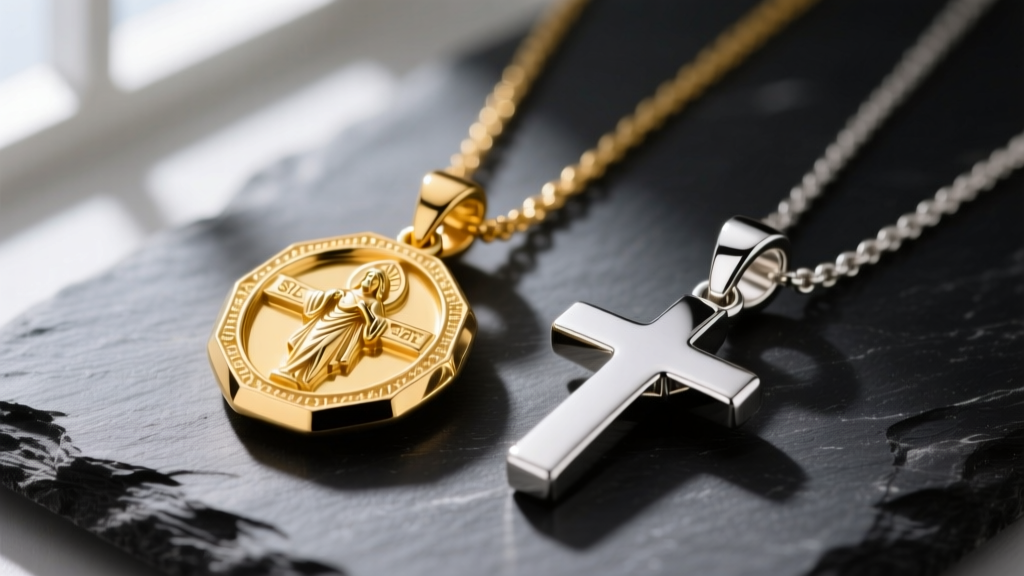
- The Mixed Metal Approach: Don't be afraid to mix metals. A yellow gold St. Christopher pendant on an 18-inch chain layered with a white silver 20-inch chain creates a deliberate, curated aesthetic that is highly popular in modern jewelry styling.

Step 4: Maintenance and Tarnish Prevention
Even the highest-quality metals require proper maintenance to retain their luster, especially pieces worn close to the skin where they are exposed to natural oils and cosmetics. The Jewelers of America emphasizes that preventative care is far more effective than restorative polishing.
Daily Care Protocols
Avoid exposing your necklace to chlorinated pool water or harsh household cleaners, as chlorine can cause a chemical reaction that permanently weakens the alloy structure of sterling silver and lower-karat golds, leading to microscopic stress fractures. When applying perfumes, sunscreens, or lotions, follow the golden rule of jewelry: put it on last, take it off first.
Deep Cleaning Enamel and Oxidized Details
Many St. Christopher pendants feature intricate enamel painting or intentional oxidation (blackened crevices) to highlight the saint's silhouette.
- Never use ultrasonic cleaners on enameled pendants. The high-frequency vibrations can shatter the glass-like enamel coating.
- Avoid liquid silver dips. These harsh chemical baths will strip away the intentional oxidation, leaving the pendant looking flat and overly bright.
- Use a treated polishing cloth. Gently rub only the raised, high-polish areas of the metal with a microfiber polishing cloth infused with jeweler's rouge. Use a soft-bristled baby toothbrush with mild dish soap and warm water to clean dirt from the crevices without damaging the dark patina.
Final Thoughts on Investing in Meaningful Jewelry
A St. Christopher necklace is more than just an accessory; it is a wearable symbol of safe passage and personal milestones. By carefully selecting the appropriate metal grade for your lifestyle, matching your chain width to the pendant's bail, and utilizing structured layering techniques, you can transform this classic talisman into a modern, sophisticated staple. Treat the piece with the proper metallurgical care, and it will remain a reliable companion on every journey you take.


