How to Choose a Meaningful Cancer Necklace: A Step-by-Step Guide
Learn how to choose the perfect cancer necklace with our step-by-step guide. Discover hypoallergenic metals, adaptive clasps, and ribbon colors.

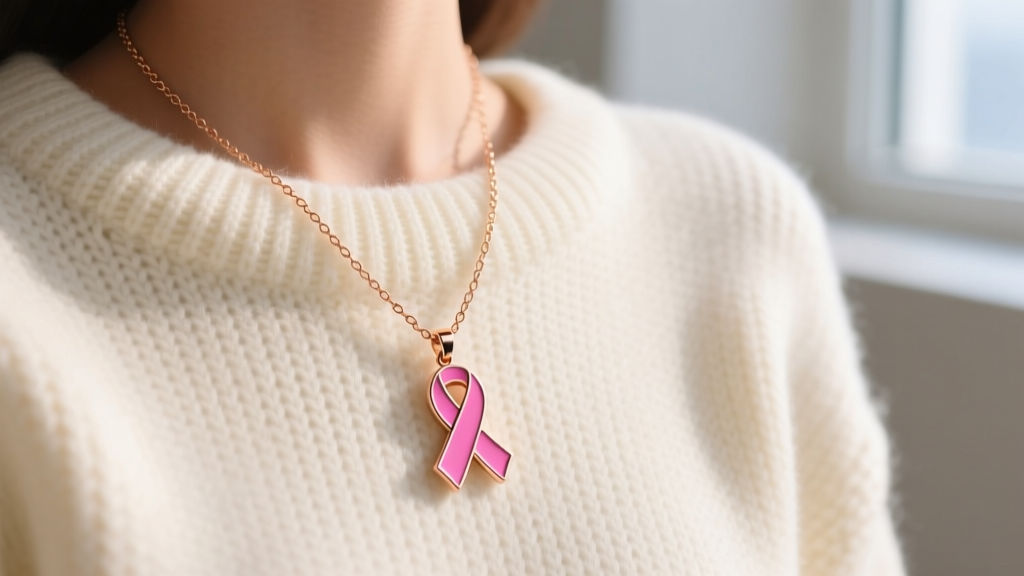
A cancer diagnosis fundamentally shifts the landscape of a person’s life, and finding the right words to offer support can often feel inadequate. In these moments, a thoughtfully selected cancer necklace serves as a tangible talisman of hope, solidarity, and love. However, gifting or selecting jewelry for someone undergoing active treatment requires far more consideration than a standard accessory purchase. Medical treatments like chemotherapy, radiation, and targeted therapies drastically alter the body, affecting skin sensitivity, fine motor skills, and immune response.
This comprehensive, step-by-step guide will walk you through the critical material, mechanical, and symbolic decisions required to choose a cancer necklace that is not only deeply meaningful but also physically safe and comfortable for the wearer during their healing journey.
Step 1: Identify the Correct Awareness Ribbon Color and Symbolism
The foundation of most cancer support jewelry is the awareness ribbon. While the pink ribbon for breast cancer is universally recognized, the cancer community utilizes a vast spectrum of colors to represent specific diagnoses. Selecting the precise color ensures the necklace resonates deeply with the wearer’s specific battle. If the wearer is battling multiple forms of cancer, or if you wish to represent general cancer survivorship, the lavender ribbon is the universally accepted standard.
| Ribbon Color | Cancer Type Represented | Alternative Gemstone Pairings |
|---|---|---|
| Pink | Breast Cancer | Rose Quartz, Pink Sapphire |
| Lavender | General Cancer / All Cancers | Amethyst, Charoite |
| Teal | Ovarian Cancer | Aquamarine, Blue Topaz |
| Gold | Childhood Cancer | Citrine, Yellow Diamond |
| Grey | Brain Cancer | Hematite, Grey Spinel |
| Orange | Leukemia / Kidney Cancer | Carnelian, Sunstone |
Step 2: Select Hypoallergenic Materials for Compromised Skin
During chemotherapy and radiation, the skin's barrier function is severely compromised. Treatments can cause extreme dryness, radiation dermatitis, and heightened allergic reactions. According to the American Cancer Society, skin sensitivity is one of the most common side effects of systemic treatments, meaning metals that previously caused no issues may suddenly trigger severe contact dermatitis.
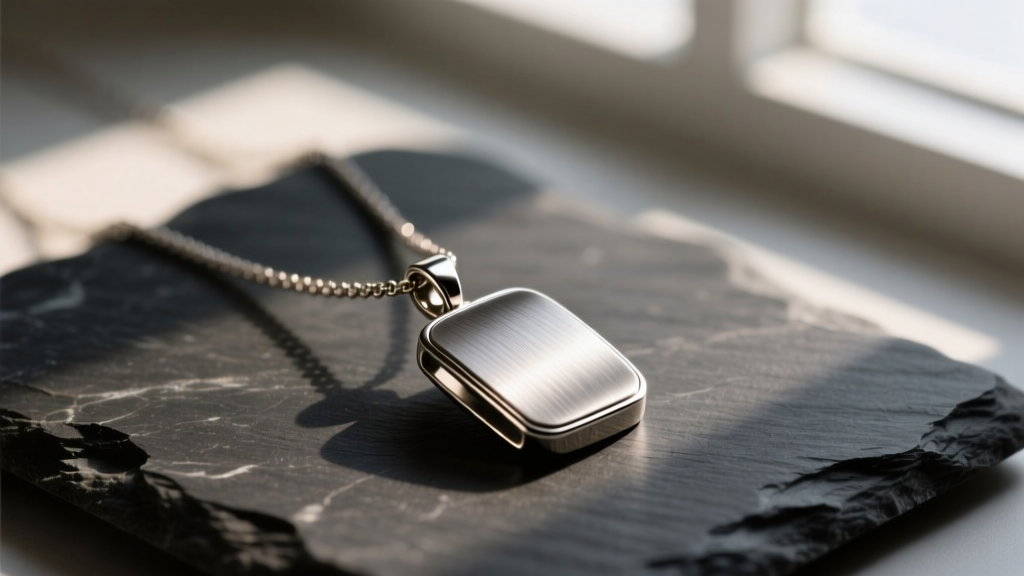
The Safest Metal Grades for Active Treatment
Avoid standard sterling silver (which contains copper and can tarnish, reacting with altered skin pH) and 14k white gold (which is frequently alloyed with nickel to achieve its white color). Instead, specify these biocompatible materials:
- ASTM F136 Implant-Grade Titanium: This is the gold standard for medical implants and ultra-sensitive skin. It contains zero nickel and is highly resistant to corrosion from sweat or medical lotions.
- Niobium: A highly unreactive, lightweight metal that can be safely anodized into vibrant colors without using toxic dyes or plating.
- Platinum or 24k/18k Yellow Gold: If you are investing in fine jewelry, platinum is naturally hypoallergenic. High-karat yellow gold avoids the nickel and zinc alloys found in lower-karat or white gold variants.
Step 3: Engineer the Chain for Neuropathy and Port-A-Cath Comfort
The mechanical design of the necklace—specifically the clasp and the length—is where most well-meaning gifts fail. Chemotherapy-induced peripheral neuropathy (CIPN) causes numbness, tingling, and a loss of fine motor coordination in the hands and fingers. The National Cancer Institute notes that CIPN can make manipulating tiny jewelry components incredibly frustrating or entirely impossible for the patient.
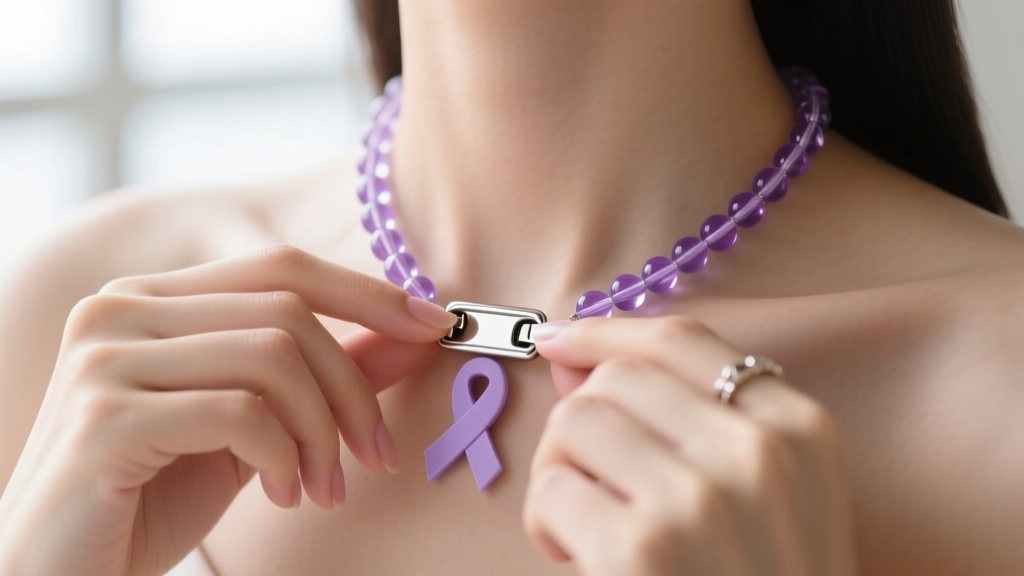
Adaptive Clasps for Limited Dexterity
Discard traditional spring-ring or small lobster clasps. Opt for adaptive closures that allow the wearer to dress themselves independently:
- Neodymium Magnetic Clasps: These feature powerful rare-earth magnets that snap together effortlessly. Ensure the magnetic housing is made of surgical steel or titanium to prevent skin contact with base metals.
- Oversized Toggle Clasps: A thick, elongated bar that easily slides through a large, open jump ring. This requires only a gross motor pinching motion rather than precise finger alignment.
Length and Weight Considerations
Many patients undergo surgery or have a port-a-cath (port) implanted in their upper chest for IV access. A necklace that is too short (14-16 inches) may rest directly on healing incisions, scar tissue, or the port site, causing pain and risking infection. Always opt for an 18-inch to 22-inch chain to ensure the pendant rests safely below the collarbone and chest ports. Furthermore, cancer-related fatigue is profound; keep the total weight of the pendant under 15 grams to prevent neck strain during long periods of rest.
Step 4: Personalize with Hidden Meaning and Engravings
While the ribbon color provides outward awareness, the most powerful cancer necklaces often feature private, personalized elements that speak directly to the wearer’s inner resilience. Laser engraving on the reverse side of a pendant allows for a secret message that rests against the skin.
"The most profound jewelry acts as a private armor. An engraved coordinate of the hospital where they received their first clear scan, or the exact time of their diagnosis, transforms a simple metal disc into a historical artifact of their survival."
Consider incorporating the wearer’s birthstone, or the birthstones of their children, set flush into the metal to avoid snagging on delicate medical garments or hospital bedding. Flush (bezel) settings are critical; prong settings can harbor bacteria and scratch sensitive skin.
Step 5: Budgeting and Sourcing from Reputable Artisans
When purchasing a cancer necklace, the provenance of the piece matters. Mass-produced, drop-shipped awareness jewelry often utilizes cheap zinc alloys coated in thin electroplating that will quickly wear off and expose the wearer to irritants. Allocate your budget toward artisans and jewelers who provide material transparency.
Pricing Tiers and What to Expect
- $30 - $75 (Artisan Handmade): Expect high-quality hypoallergenic metals like anodized niobium or surgical steel, paired with hand-stamped lettering and durable enamel ribbon fills.
- $80 - $250 (Specialized Boutique): This tier includes ASTM F136 titanium, solid 14k yellow gold (nickel-free verified), and custom laser engraving with adaptive magnetic clasps included.
- $300 - $1,000+ (Fine Jewelry): Solid 18k gold or platinum, featuring flush-set genuine gemstones (like pink sapphires or amethysts) and custom-cast ribbon motifs designed by independent fine jewelers.
By following these steps, you move beyond a generic gift and provide a meticulously engineered piece of support. A properly chosen cancer necklace respects the physical realities of medical treatment while honoring the profound emotional strength of the wearer, offering a daily, comforting reminder that they do not walk this path alone.


