How Can You Tell If A Pearl Necklace Is Real? Budget & Value Guide
Learn how can you tell if a pearl necklace is real with expert physical tests, pricing benchmarks, and value assessment tips to avoid fakes.

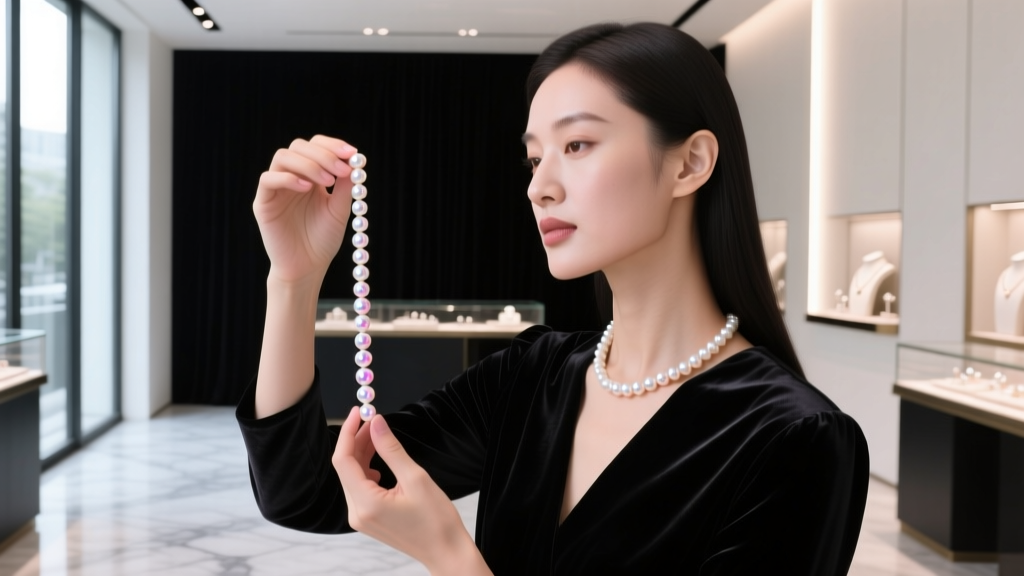
When navigating the secondary market, estate sales, or even boutique displays, the question of authenticity is paramount. If you are wondering how can you tell if a pearl necklace is real, you must look beyond the initial gleam and assess the structural, physical, and economic indicators of genuine nacre. In 2026, the market is saturated with advanced simulants—glass beads coated with guanine crystals or high-density plastics that mimic the weight of genuine gems. For the budget-conscious collector or value-driven investor, distinguishing between a $50 simulated strand and a $5,000 authentic Akoya necklace requires a systematic approach to physical testing and market valuation. Understanding these nuances ensures you never overpay for imitation jewelry.
The Economics of Pearls: Why Authenticity Dictates Value
The value of a pearl necklace is intrinsically tied to its origin, nacre thickness, and cultivation method. Genuine pearls are organic gemstones formed by mollusks, either in saltwater or freshwater environments. The Gemological Institute of America (GIA) categorizes pearls into natural (wild-harvested) and cultured (human-assisted). Today, over 99% of genuine pearls on the market are cultured. However, the term 'cultured' does not mean 'fake'; it simply means a technician implanted a nucleus to stimulate nacre production.
Simulated pearls, on the other hand, possess zero organic value. Brands like Majorica create highly convincing replicas by dipping glass beads into a mixture of ground fish scales and lacquer. While visually striking, these simulants hold no resale value and their coatings will inevitably peel or yellow over a decade. When assessing a necklace for purchase, your primary goal is to verify the presence of crystalline aragonite layers (nacre) rather than synthetic coatings. This distinction is the bedrock of pearl valuation and the first step in any serious budget assessment.
The Tooth Test and Beyond: Physical Authentication Methods
Jewelers and gemologists rely on non-destructive physical tests to separate genuine cultured pearls from glass or plastic imposters. These methods exploit the unique organic properties of nacre.
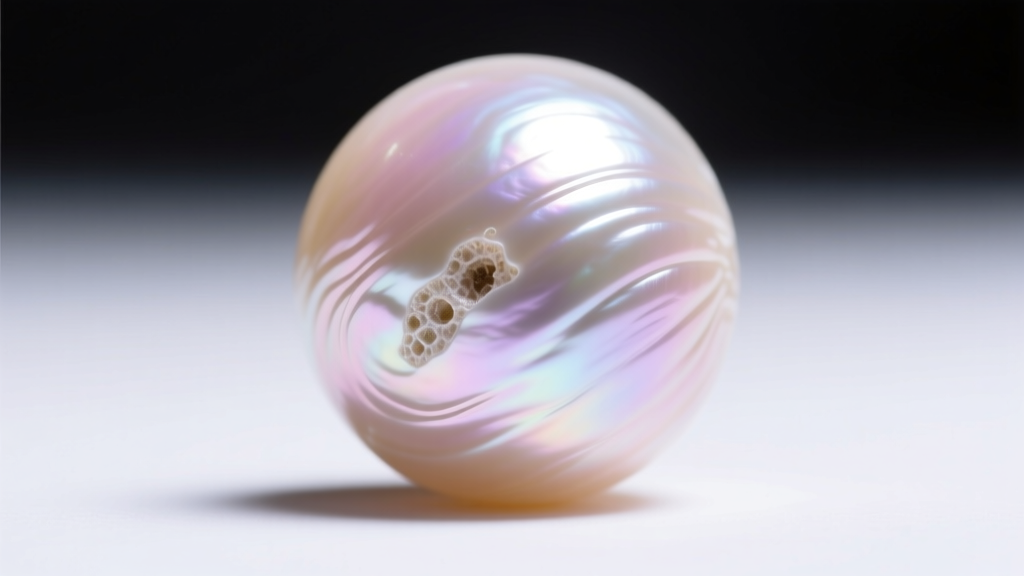
The Tooth Test: Friction vs. Smoothness
The most famous and immediate field test is the tooth test. Gently rub the pearl against the biting edge of your front tooth. A genuine pearl will feel distinctly gritty, sandy, or textured. This friction is caused by the microscopic, overlapping crystalline platelets of aragonite that make up the nacre. Conversely, a glass or plastic simulant will feel perfectly smooth and slippery. If the necklace feels like glass gliding against your enamel, it is almost certainly a fake.
The Temperature Test: Thermal Conductivity
Pearls are organic and possess specific thermal properties. When you pick up a genuine pearl necklace that has been sitting at room temperature, it will feel distinctly cool to the touch for the first few seconds before rapidly warming to your body temperature. Glass beads also feel cool initially but take significantly longer to warm up. Plastic beads, however, will feel room-temperature or slightly warm immediately upon contact. This test is particularly useful when evaluating vintage strands at flea markets or estate sales.
The Weight and Friction Test
While high-end glass simulants are weighted to mimic pearls, plastic fakes are noticeably lighter. Furthermore, if you gently rub two genuine pearls together, they will produce a slight friction and may even leave a tiny dusting of pearl powder (which can be wiped away without damaging the pearl). Simulated pearls will glide past one another silently and without resistance.
Visual & Structural Indicators of Genuine Pearls
When physical tests are inconclusive or you are evaluating a high-value strand online, visual inspection under magnification provides definitive proof of authenticity. You will need a jeweler's loupe (10x magnification) to properly assess these structural markers.
Drill Hole Examination
The drill hole is the most revealing part of any pearl necklace. Inspect the hole where the string enters the bead. On a genuine pearl, the drill hole will be sharp, clean, and perfectly round. If you look closely inside the hole, you may see the distinct boundary between the outer nacre layers and the inner shell bead nucleus. On simulated pearls, the drill hole often looks slightly rounded or melted at the edges due to the coating process. Furthermore, you might see the clear glass core inside, or notice the synthetic coating peeling or flaking away at the rim of the hole.
Luster, Overtone, and Surface Blemishes
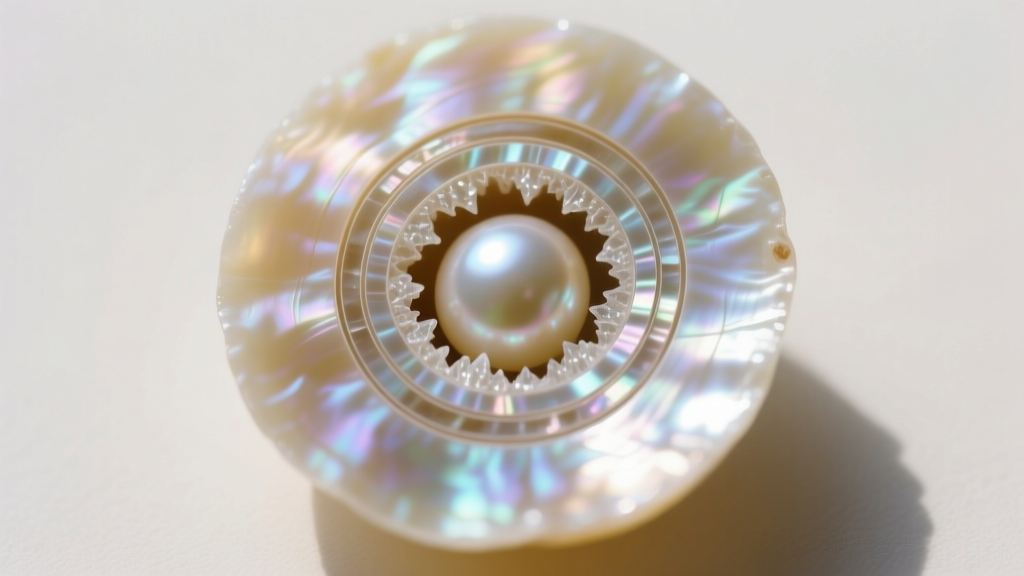
Genuine pearls exhibit 'luster'—the sharp, mirror-like reflection of light off the surface—and 'orient' or overtone, which is the subtle secondary color that seems to float just above the surface. Because they are grown organically, real pearls will have slight surface blemishes, pits, or ridges. A strand where every single pearl is 100% flawless, perfectly spherical, and identical in every way is almost certainly manufactured. According to the American Gem Trade Association (AGTA), minor surface characteristics are expected and actually serve as a fingerprint of authenticity in natural and cultured gems.
2026 Pricing Benchmarks: What You Should Actually Pay
Understanding the baseline market value is crucial for budget assessment. If a seller is offering a 'South Sea' pearl necklace for $300, you are looking at a simulant or heavily treated freshwater substitute. Below is a benchmark table for authentic, knotted pearl strands in the current market, assuming an 18-inch princess length with 8mm to 9mm beads.
| Pearl Type | Average Authentic Price Range | Primary Value Drivers |
|---|---|---|
| Freshwater (Commercial) | $150 - $400 | Luster, shape (round vs. oval), surface cleanliness |
| Akoya (Saltwater) | $1,500 - $4,500 | Nacre thickness (min 0.4mm), mirror luster, matching |
| Tahitian (Saltwater) | $2,500 - $8,000+ | Dark body colors, peacock overtones, min 0.8mm nacre |
| South Sea (White/Golden) | $5,000 - $20,000+ | Large size (10mm+), satin luster, thick nacre layers |
| Simulated (Glass/Plastic) | $20 - $150 | Brand name, clasp material, coating durability |
Value Assessment Tip: Always factor in the clasp and stringing. A genuine, high-value pearl necklace will feature a secure clasp (often 14k or 18k gold) and will be individually knotted with silk thread between every single pearl to prevent nacre-on-nacre friction and catastrophic loss if the strand breaks. Simulated pearls are rarely knotted, or they are strung on cheap nylon monofilament without knots.
Red Flags: When to Walk Away From a Deal
Budget-conscious buyers are prime targets for deceptive marketing terminology. When evaluating a pearl necklace, be highly skeptical of the following red flags:
- Terminology Tricks: Terms like 'Mallorca pearls', 'shell pearls', 'crystal pearls', or 'Simulated South Sea' are industry euphemisms for fakes. Genuine pearls are sold simply as 'Freshwater', 'Akoya', 'Tahitian', or 'South Sea'.
- The 'Too Perfect' Syndrome: If an 18-inch strand of 10mm perfectly round, blemish-free white pearls is being sold for under $500, it is physically impossible for them to be genuine saltwater pearls. High-quality, large, round pearls are exceptionally rare and command premium prices.
- Flaking Coatings: Inspect the pearls near the clasp, where they experience the most friction from skin and handling. If you see a chalky white substance beneath a shiny outer layer, the 'pearl' is a glass bead with a peeling synthetic coating.
- Lack of Knotting: While some lower-end freshwater strands may be strung without knots, any high-value Akoya, Tahitian, or South Sea necklace lacking individual silk knots between the beads is a massive red flag regarding the seller's expertise and the necklace's true value.
Expert Verdict: Investing in Certified Strands
Ultimately, knowing how can you tell if a pearl necklace is real comes down to combining tactile field tests with a rigorous visual inspection and a realistic understanding of market pricing. While the tooth test and drill hole examination will save you from purchasing cheap plastic or glass simulants, assessing the true financial value of a genuine strand requires evaluating nacre thickness, luster quality, and surface grading. For high-ticket purchases exceeding $2,000, always insist on a gemological report from a reputable laboratory like the GIA. By applying these value assessment frameworks, you can confidently navigate the pearl market, ensuring your budget is spent on enduring organic beauty rather than fleeting imitations.


