How to Choose the Perfect Mom Diamond Necklace: A Beginner's Guide
Discover how to choose the ideal mom diamond necklace. Learn about diamond grades, chain lengths, pendant styles, and pricing in this beginner's guide.

Introduction: Why a Mom Diamond Necklace is the Ultimate Keepsake
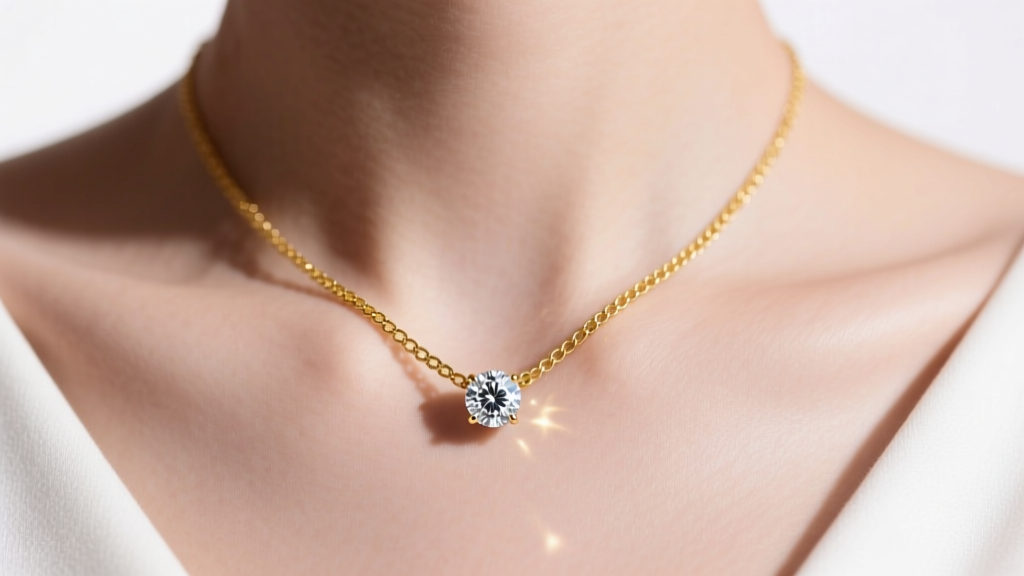
A mom diamond necklace is more than just a piece of fine jewelry; it is a wearable milestone. Whether you are celebrating a first Mother's Day, commemorating the birth of a child, or simply honoring the matriarch of your family, selecting the right piece requires a blend of emotional sentiment and technical knowledge. For beginners, the world of diamond grading, metal alloys, and chain mechanics can feel overwhelming. This comprehensive guide breaks down the exact specifications, pricing realities, and style considerations you need to make an informed, confident purchase that she will cherish for decades.
Decoding the Diamonds: What Beginners Need to Know
When shopping for a mom diamond necklace, you do not need to buy a flawless, colorless stone to get a breathtaking result. Pendants sit further from the eye than engagement rings, meaning you can strategically lower certain grades to save money without sacrificing visual impact. According to the Gemological Institute of America (GIA), understanding the 4Cs is your first step toward smart diamond buying.
The 4Cs Simplified for Everyday Wear
- Cut (The Priority): Never compromise on cut. An 'Excellent' or 'Ideal' cut grade ensures the diamond reflects light brilliantly, masking lower color or clarity grades. A well-cut 0.25-carat diamond will outshine a poorly cut 0.50-carat stone.
- Color (The Sweet Spot): Aim for G or H (Near Colorless). To the naked eye, especially when set in yellow or rose gold, G-H diamonds face up completely white but cost significantly less than D-F (Colorless) grades.
- Clarity (The Value Hack): Choose SI1 (Slightly Included) or VS2 (Very Slightly Included). Because a pendant rests on the chest and is viewed from a distance, minor inclusions invisible to the naked eye will not detract from the stone's beauty.
- Carat (The Scale): For delicate, everyday mom necklaces, the 0.25ct to 0.50ct range is the industry standard. It provides substantial sparkle without feeling heavy or overly ostentatious for daily wear.
Lab-Grown vs. Natural Diamonds
Lab-grown diamonds have revolutionized the sentimental jewelry market. Chemically, physically, and optically identical to mined diamonds, lab-grown stones offer the exact same hardness (10 on the Mohs scale) and brilliance. The primary difference is origin and price. In 2026, lab-grown diamonds typically cost 70% to 85% less than their natural counterparts. For a beginner buyer on a strict budget, opting for a lab-grown diamond allows you to double the carat size or upgrade the metal to platinum without breaking the bank.
Choosing the Right Pendant Style
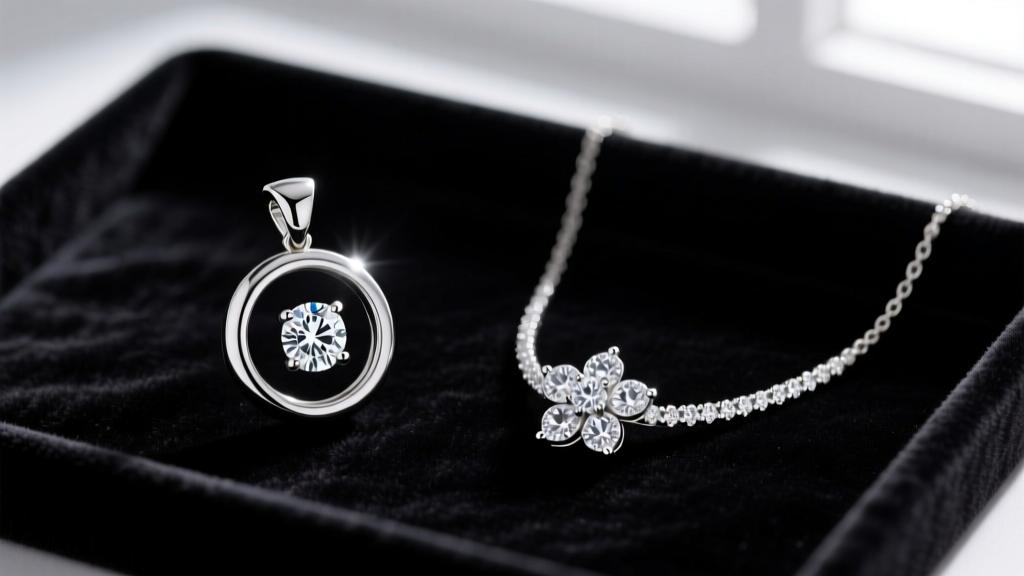
The symbolism of the pendant is what transforms a standard diamond necklace into a deeply personal 'mom' necklace. Here are the most enduring styles and their specific use cases:
- The Diamond Initial Pendant: A bezel-set diamond initial (often the first letter of her child's name) is a modern, minimalist staple. Bezel settings are highly recommended for moms with young children, as the metal rim prevents the prongs from snagging on clothing or scratching delicate skin.
- Birthstone and Diamond Clusters: Combining a mother's birthstone with her children's birthstones, accented by small diamond chips, creates a vibrant, customized family tree. Ensure the colored gemstones are at least a 7 on the Mohs scale (like sapphire or ruby) for daily durability.
- The Infinity or Love Knot: These continuous loop designs symbolize the unbreakable bond between mother and child. They are typically pave-set with melee diamonds (stones under 0.15ct) for maximum surface sparkle.
- Milestone Sliders: A horizontal bar or sliding pendant featuring three to five diamonds, each representing a child or a significant life milestone. These sit beautifully on a 16-inch chain.
Metal Selection and Chain Mechanics
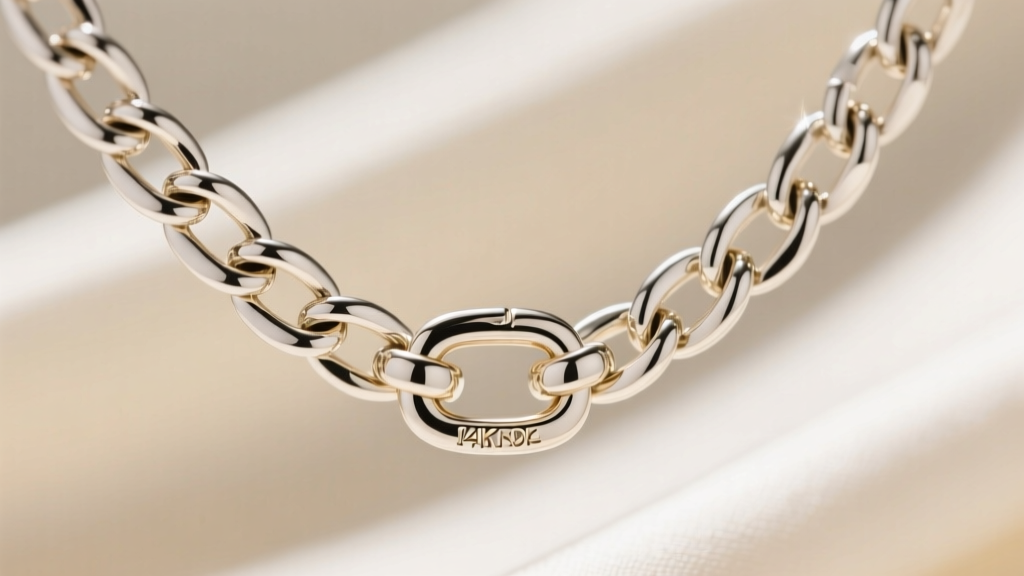
The metal you choose dictates the necklace's longevity, maintenance requirements, and overall aesthetic. The Federal Trade Commission (FTC) mandates strict stamping guidelines for precious metals, so always look for the quality mark (e.g., 14K, 585, PT950) on the clasp or jump ring.
| Metal Type | Durability & Wear | Maintenance Level | Price Tier |
|---|---|---|---|
| 14k Yellow Gold | Highly durable, resists tarnish, hides scratches well | Low | Mid-Range |
| 14k White Gold | Durable but rhodium plating wears off over time | High (Requires re-plating every 1-2 years) | Mid-Range |
| 14k Rose Gold | Very durable due to copper alloy, warm vintage tone | Low | Mid-Range |
| Platinum (PT950) | Extremely dense, hypoallergenic, develops a patina | Medium (Polishing removes metal) | Premium |
Chain Anatomy: Thickness and Clasps
Do not overlook the chain. A fragile chain will inevitably snap, risking the loss of the diamond pendant. For pendants weighing under 2 grams, a 0.9mm to 1.2mm box chain or cable chain is ideal. Box chains are exceptionally strong due to their interlocking square links. Always ensure the chain is finished with a lobster clasp rather than a spring-ring clasp; lobster clasps feature a solid internal spring mechanism that is far less prone to accidental unfastening.
Sizing and Length: Getting the Fit Right
The length of the chain determines where the diamond pendant rests on the chest, which drastically alters the visual impact and how it pairs with different necklines.
- 16 Inches (The Choker/Collarbone Length): This is the most popular length for modern mom necklaces. It sits perfectly on the collarbone, making it ideal for V-necks, scoop necks, and open-collar blouses. It keeps the pendant visible and close to the face.
- 18 Inches (The Standard/Princess Length): Resting just below the collarbone, this length is universally flattering and works well over crew-neck t-shirts or lightweight sweaters. It offers a slightly more relaxed, traditional drape.
- Adjustable Chains (16' to 18'): Many high-quality jewelers now offer chains with a 2-inch extender. This is the safest bet if you are buying a gift and are unsure of her exact preference, allowing her to customize the drop based on her outfit.
Budgeting: Realistic Price Ranges
Understanding market pricing protects you from overpaying at retail mall kiosks or falling for 'too good to be true' discounts online. Here is a realistic breakdown of what you should expect to pay for a 14k gold mom diamond necklace featuring a single 0.25-carat round brilliant pendant in 2026:
- Lab-Grown Diamond (14k Gold): $350 - $600
- Natural Diamond (14k Gold, I1-I2 Clarity): $500 - $800
- Natural Diamond (14k Gold, SI1 Clarity, G-H Color): $850 - $1,400
- Premium Designer Brands (e.g., Mejuri, Monica Vinader): $700 - $1,200 (Paying for brand equity and packaging)
Pro Tip: If your budget is under $300, pivot away from a single solitaire diamond and look for a high-quality pave-set diamond initial or a multi-stone diamond chip pendant. You will get better visual impact and metal quality at that lower price point.
Final Checklist Before You Buy
Before you enter your credit card information, run through this quick E-E-A-T quality assurance checklist:
- Is the diamond cut grade listed as Excellent, Ideal, or Very Good?
- Does the listing specify the exact carat weight (e.g., 0.25ct) rather than vague terms like 'diamond accent'?
- Is the chain at least 0.8mm thick, and does it feature a lobster clasp?
- Is the metal stamped (10k, 14k, 18k, PT) and verified by the seller?
- Does the retailer offer a minimum 30-day return policy and a lifetime warranty against manufacturing defects?
By focusing on structural integrity, strategic diamond grading, and meaningful design, you will select a mom diamond necklace that is not only beautiful but built to withstand the beautiful chaos of motherhood.


