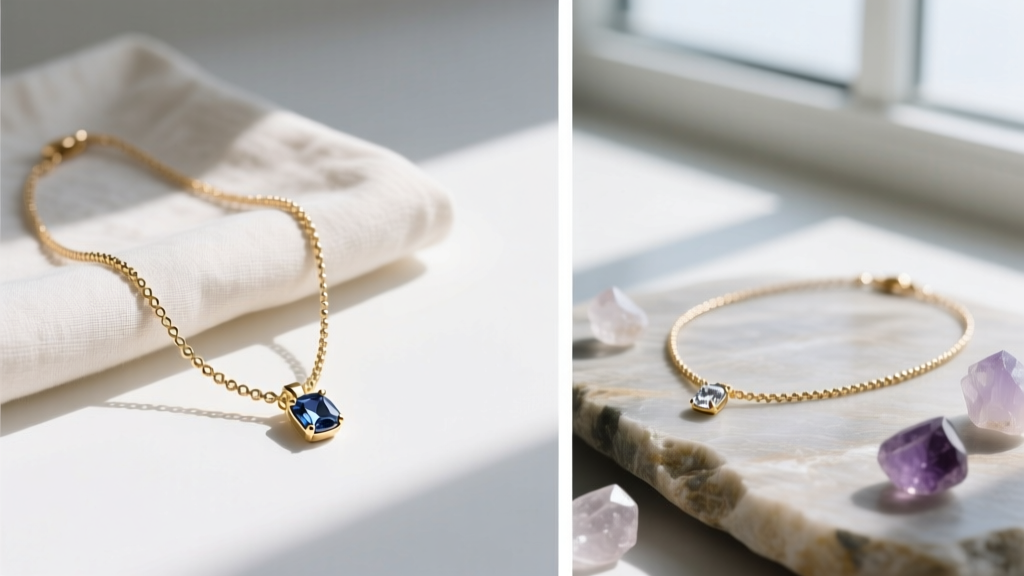
How to Choose the Right Necklace Chain: A Beginner Guide
Learn how to choose the perfect necklace chain. Our beginner guide covers chain types, metal grades, thickness, and durability for everyday wear.

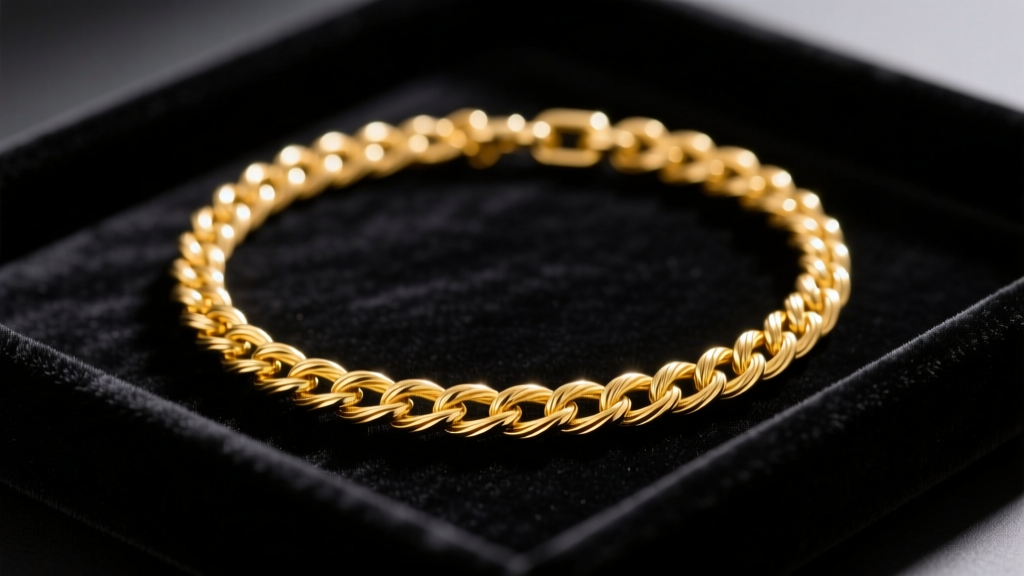
Introduction: Why Your Necklace Chain Choice Matters
When building a jewelry collection, beginners often obsess over the pendant—the flashy gemstone or the personalized initial—while treating the chain as an afterthought. This is a critical mistake. The chain is the structural backbone of your jewelry. A poorly chosen chain will tangle, snap, or tarnish, taking your expensive pendant down with it. Choosing the right necklace chain requires understanding metal alloys, link geometry, and weight distribution. In this guide, we will break down the exact specifications you need to know to buy a chain that lasts a lifetime.
Decoding Metal Grades: What Will Actually Last?
The metal composition of your chain dictates its longevity, skin compatibility, and price point. According to the Gemological Institute of America (GIA), understanding karatage and alloy mixes is the first step in making an informed purchase.
- Sterling Silver (925): Composed of 92.5% pure silver and 7.5% copper. The copper adds necessary hardness, but it also makes the chain prone to oxidation (tarnish). Best for occasional wear or those committed to regular polishing.
- Gold Vermeil: By FTC guidelines, vermeil must be a sterling silver base plated with at least 2.5 microns of 10k, 14k, or 18k gold. It is a massive step up from standard "gold-plated" brass, but the gold layer will eventually wear off with daily friction.
- Solid 14k Gold: Containing 58.5% pure gold, 14k is the gold standard for everyday chains. The higher alloy content (usually zinc, nickel, or copper) makes it significantly harder and more resistant to stretching than 18k or 24k gold.
- 316L Stainless Steel: A surgical-grade steel that is highly resistant to tarnish and extremely affordable ($20-$40). However, if it breaks, it is nearly impossible for a traditional jeweler to solder back together due to its high melting point.
The Anatomy of Durability: Chain Link Styles Ranked
The physical shape of the links determines how well a chain handles tension, friction, and the weight of a pendant. Some styles are engineered for strength, while others prioritize a sleek aesthetic at the cost of structural integrity.
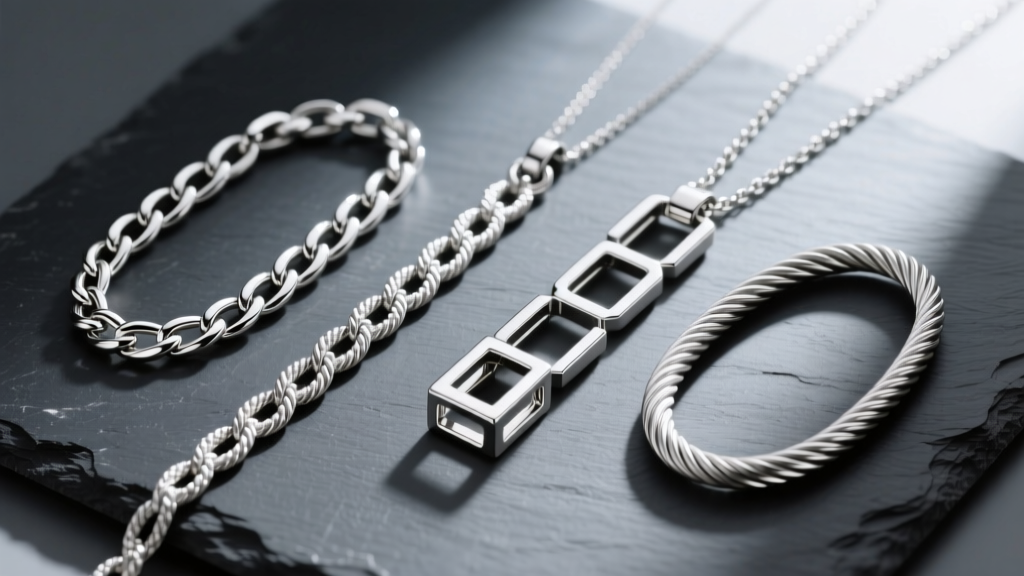
| Chain Style | Durability Score (1-10) | Best Use Case | Common Failure Mode |
|---|---|---|---|
| Curb | 9/10 | Heavy pendants, everyday wear | Clasp failure before link failure |
| Rope | 8/10 | Hiding scratches, medium pendants | Unraveling if a single link snaps |
| Cable | 6/10 | Lightweight pendants, layering | Stretching and link separation |
| Box | 5/10 | Modern aesthetics, geometric pendants | Kinking and corner denting |
| Snake | 3/10 | Solo wear, sleek minimalism | Permanent kinking, hair pulling |
As noted by Jewelers of America, chains with interlocking, flat links (like Curb) distribute weight evenly, whereas smooth, tubular chains (like Snake) have microscopic gaps that easily bend and trap hair.
Thickness and Gauge: Finding the Sweet Spot
Chain thickness, measured in millimeters (mm), must be matched to the weight of your pendant. A mismatched chain will either look comically disproportionate or snap under the pendant's kinetic movement.
Under 1.5mm: Delicate but Fragile
Chains in the 0.8mm to 1.2mm range are incredibly popular for minimalist layering. However, they can only safely support pendants weighing under 3 grams. Anything heavier will cause the links to pull apart over time, especially around the clasp and the jump ring.
1.5mm to 3mm: The Everyday Standard
This is the most versatile width. A 2mm solid 14k gold chain offers enough tensile strength to hold medium-sized gemstone pendants (up to 10 grams) while remaining subtle enough to tuck under a collared shirt. Expect to pay between $180 and $450 for a quality 14k gold chain in this width, depending on the length.
Over 3mm: Statement and Heavy Pendants
Chains ranging from 4mm to 8mm are designed to be worn alone or with heavy, oversized pendants (15+ grams). At this thickness, the clasp must be upgraded to a heavy-duty locking mechanism to prevent accidental drops.
Clasp Mechanics: The Hidden Weak Point
The clasp is the single most common point of failure on any jewelry piece. Upgrading your clasp is often the difference between losing a family heirloom and wearing it securely for decades.
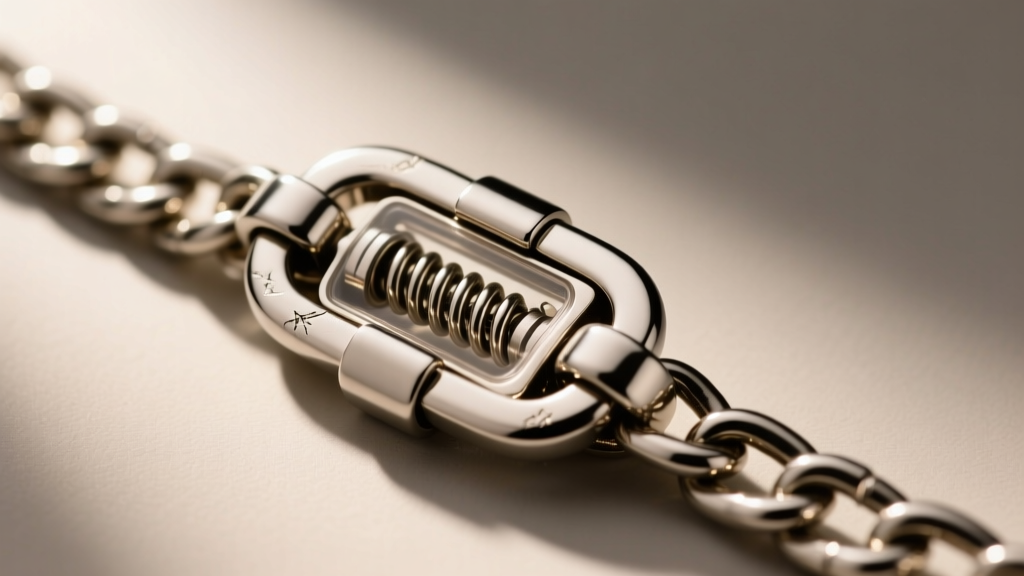
- Spring Ring: The small, perfectly circular clasp pushed open by a tiny lever. These are cheap, difficult to operate with one hand, and the internal springs frequently fail. Avoid these for anything valuable.
- Lobster Clasp: Shaped like a lobster claw, this is the industry standard for secure, everyday jewelry. The lever is easier to grip, and the solid body resists bending. Always ensure the jump ring it attaches to is soldered shut.
- Box Clasp with Safety: Used primarily on thick, heavy chains (5mm+). A wedge-shaped tab clicks into a square box, often accompanied by a secondary wire safety latch. This is the most secure option available for heavy gold chains.
Expert Troubleshooting: Fixing Common Chain Issues
Pro Tip: If your delicate cable chain becomes a tangled ball of knots, do not pull at it with your fingers; you will stretch the links. Lay it flat on a hard surface, apply a small amount of baby powder or cornstarch to loosen the friction, and use two sewing needles to gently pick the center of the knot outward.
Another common issue is "kinking" in box or snake chains. If your chain develops a sharp bend, lay it on a wooden block and gently roll a smooth wooden dowel over the kink. The gradual pressure will often coax the metal links back into their original alignment without requiring a jeweler's torch.
Final Verdict: Building Your Core Collection
If you are just starting out, your first purchase should be an 18-inch, 2mm solid 14k gold or 316L stainless steel curb or rope chain with a lobster clasp. This specific combination offers the highest return on investment, providing enough strength for future pendant additions while remaining timeless enough to wear completely on its own. By prioritizing structural geometry and metal integrity over fleeting trends, you will build a necklace chain collection that genuinely stands the test of time.