How to Choose and Style a Gold Necklace with Green Stone
Learn how to choose, authenticate, and style a gold necklace with green stone. Step-by-step guide covering emeralds, tsavorites, and gold karats.

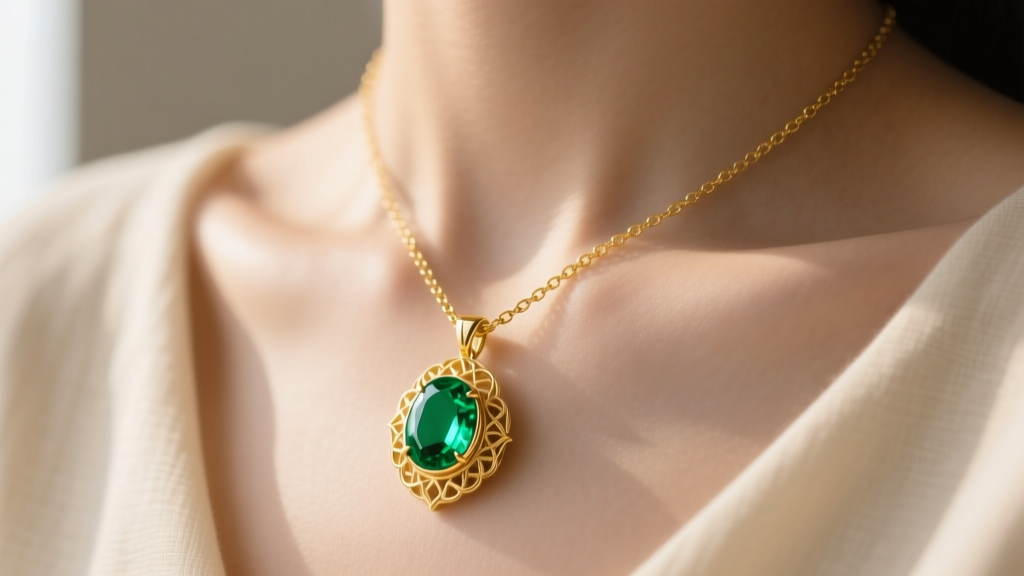
A gold necklace with green stone is a timeless investment that bridges the gap between vintage elegance and modern versatility. Whether you are drawn to the deep, velvety hues of a Colombian emerald, the electric vibrancy of a Kenyan tsavorite, or the earthy translucence of imperial jade, pairing these gems with gold requires a strategic approach. The wrong chain style can overwhelm a delicate stone, while improper gold karat selection can lead to prong failure and lost gems.
This comprehensive, step-by-step guide will walk you through the exact gemological properties, metallurgical choices, and styling frameworks you need to select, wear, and maintain your green stone pendant with absolute confidence.
Step 1: Identify the Right Green Gemstone for Your Lifestyle
Not all green stones are created equal. Before purchasing a gold necklace with green stone, you must evaluate the gemstone’s Mohs hardness, cleavage, and toughness to ensure it aligns with your daily wear habits. According to the Gemological Institute of America (GIA), understanding a stone's durability is the first line of defense against accidental damage.
| Gemstone | Mohs Hardness | Toughness & Cleavage | Avg. Price/Carat | Best For |
|---|---|---|---|---|
| Emerald | 7.5 - 8.0 | Poor (Brittle, heavily included) | $1,500 - $10,000+ | Occasional / Evening Wear |
| Tsavorite Garnet | 7.0 - 7.5 | Good (No cleavage, durable) | $500 - $3,000 | Everyday Wear |
| Peridot | 6.5 - 7.0 | Fair (Sensitive to acid/heat) | $50 - $250 | Casual / Daytime Wear |
| Jadeite | 6.5 - 7.0 | Exceptional (Interlocking crystals) | $100 - $5,000+ | Heavy Daily / Active Wear |
| Malachite | 3.5 - 4.0 | Poor (Soft, heat sensitive) | $20 - $100 | Statement / Rare Wear |
Expert Insight: If you want a daily-wear gold necklace with green stone, bypass the emerald and opt for a Tsavorite. Tsavorites possess a high refractive index (1.74) that rivals emeralds in brilliance but lack the internal fractures (jardin) that make emeralds notoriously brittle. Furthermore, tsavorites are never oil-treated, meaning they won't dry out or require routine re-oiling.
Step 2: Select the Optimal Gold Karat and Chain Style
The structural integrity of your necklace relies heavily on the gold alloy and the chain link architecture. Pure 24k gold is far too soft to secure a gemstone pendant. You must choose between 14k and 18k gold based on the weight of your stone.
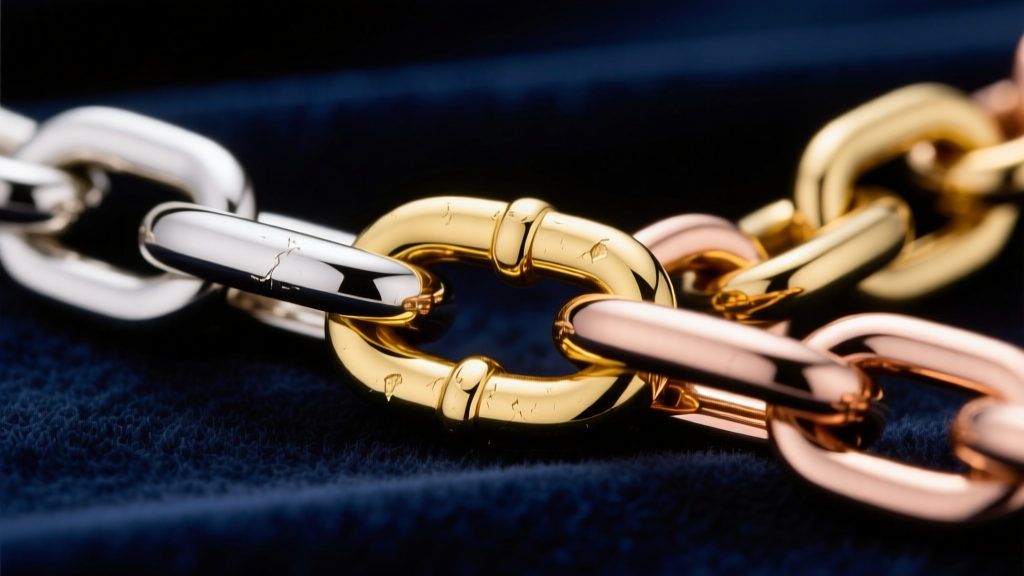
14k vs. 18k Gold: The Tensile Strength Factor
- 14k Gold (58.5% Pure Gold): Alloyed with copper, silver, and zinc. It offers superior tensile strength and scratch resistance. If your green stone pendant exceeds 5 carats or features a complex pave diamond halo, 14k gold is mandatory to prevent the bail and prongs from bending under the pendant's weight.
- 18k Gold (75% Pure Gold): Offers a richer, warmer yellow hue that beautifully complements the undertones of emeralds and jade. However, it is significantly softer. Reserve 18k gold for lighter pendants (under 3 carats) or bezel-set stones where prong tension is not the primary security mechanism.
Chain Link Architecture
Avoid delicate snake chains for gemstone pendants; their interlocking plates kink easily and snap under the pendulum swing of a heavy stone. Instead, opt for a Box Chain (which distributes weight evenly across four flat sides) or a Rope Chain (whose twisted links hide micro-scratches and offer high tensile strength). For a 10-gram emerald pendant, a 2.0mm to 2.5mm solid box chain in 14k gold is the engineering sweet spot.
Step 3: Match Chain Length to Your Neckline
Styling a gold necklace with green stone requires an understanding of visual proportions. The chain length dictates where the eye is drawn, and it must harmonize with your clothing's neckline to avoid a cluttered silhouette.
- 16-Inch (Choker/Collarbone): Ideal for V-necks and deep scoop necks. The pendant will sit precisely in the negative space of the V, creating a continuous vertical line that elongates the neck. Use smaller stones (1-2 carats) to prevent the piece from looking top-heavy.
- 18-Inch (Princess/Base of Neck): The most versatile length. It pairs flawlessly with crew necks, button-down shirts, and off-the-shoulder tops. The pendant rests just below the collarbone, making it the perfect canvas for medium-sized stones (3-5 carats) like a pear-cut peridot or oval tsavorite.
- 20 to 24-Inch (Matinee/Opera): Best reserved for high necklines, turtlenecks, or winter sweaters. A long gold chain with a substantial jade disc or malachite cabochon pendant creates a striking bohemian or vintage aesthetic. Ensure the bail is large enough to slide freely over the thicker chain links used in these longer lengths.
Step 4: Master the Art of Layering
Layering a green stone pendant is a dominant trend, but haphazard stacking leads to tangled chains and scratched gemstones. The American Gem Trade Association (AGTA) frequently highlights the importance of mindful jewelry pairing to preserve gemstone polish.
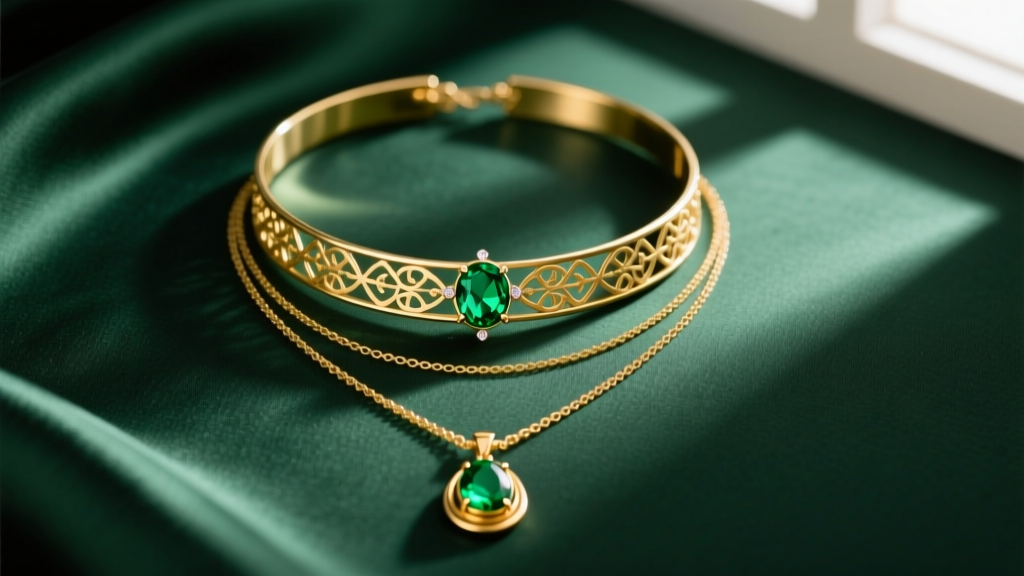
The 2-Inch Rule and Hardness Segregation
When layering your gold necklace with green stone, strictly adhere to the 2-inch differential rule. If your green stone pendant is on an 18-inch chain, your secondary chain must be exactly 16 inches or 20 inches. This prevents the metal bails from constantly striking the face of your green gemstone.
Furthermore, never layer a diamond or sapphire chain directly against your green stone pendant. Diamonds (Mohs 10) and sapphires (Mohs 9) will easily scratch the surface of an emerald (Mohs 7.5) or peridot (Mohs 6.5) upon contact. Stick to layering with plain gold chains, pearls (Mohs 2.5), or softer organic materials to protect your investment.
Step 5: Implement a Strict Cleaning Protocol
The maintenance of your necklace is entirely dependent on the specific green stone you chose. A universal cleaning approach will destroy certain gems.
- The Ultrasonic Danger: Never place an emerald, malachite, or fracture-filled peridot in an ultrasonic cleaner. The high-frequency vibrations will shatter internal inclusions and strip away the cedar oils used to enhance an emerald's clarity, leaving it cloudy and fractured.
- The Safe Wash (For Tsavorite, Jade, and Unfilled Stones): Mix three drops of mild, phosphate-free dish soap (like Dawn) into a bowl of lukewarm distilled water. Soak the necklace for exactly 5 minutes. Use a baby-soft toothbrush to gently agitate the dirt trapped behind the gemstone's pavilion (the underside), where skin oils and lotions accumulate and block light return.
- Drying and Storage: Pat dry with a lint-free microfiber cloth. Never air-dry, as hard water spots will adhere to the gold and stone. Store the necklace flat in a fabric-lined box with anti-tarnish strips. Hanging heavy pendants on jewelry trees for months can cause permanent stretching of the chain links and weaken the solder points at the clasp.
Final Thoughts on Your Investment
Selecting the perfect gold necklace with green stone is an exercise in balancing aesthetic desires with gemological realities. By prioritizing durable stones like tsavorite for daily wear, engineering the right chain-to-pendant weight ratio, and adhering to strict layering and cleaning protocols, you ensure your piece remains a vibrant, structural masterpiece for decades to come. Whether you choose the classic prestige of an emerald or the modern brilliance of a tsavorite, the right gold setting will elevate the stone from a mere accessory to a legacy heirloom.


